Steering Space Capsules During Reentry
The fiery descent through Earth’s atmosphere marks the thrilling, and often perilous, conclusion to any space mission. For astronauts, the return journey is as critical as the launch, and a paramount aspect of this phase is the precise control and steering of the re-entry capsule. This complex maneuver, often shrouded in a veil of plasma and intense heat, is a testament to human ingenuity and the sophisticated engineering that allows us to navigate the formidable forces of atmospheric entry. The ability to steer a spacecraft during reentry is not merely about arriving safely; it’s about ensuring mission success, protecting valuable cargo, and, most importantly, safeguarding human lives.
The process of atmospheric re-entry is a dynamic and unforgiving encounter between a spacecraft and Earth’s gaseous envelope. Upon initiation of the de-orbit burn, the capsule begins its inevitable plunge from the void of space towards the planet below. The initial stages are characterized by a gradual increase in velocity as gravity pulls the spacecraft downwards. However, it is the subsequent interaction with the atmosphere that poses the most significant challenges, and necessitates the ability to steer.
Understanding the Aerodynamic Forces at Play
As the capsule accelerates into the denser layers of the atmosphere, a multitude of aerodynamic forces come into play, all of which must be understood and managed for successful reentry. The most prominent of these is drag, a resistive force that acts opposite to the direction of motion. This drag is not only responsible for slowing the capsule down but also for generating immense amounts of heat due to the friction between the spacecraft’s ablative heat shield and the superheated air.
The Role of Drag in Deceleration
Drag is the primary mechanism by which a re-entry capsule sheds its orbital velocity. Without the substantial drag experienced in the atmosphere, a capsule would continue to plummet at hypersonic speeds, posing an unacceptable risk to its occupants and the landing zone. The shape of the capsule is meticulously designed to maximize this drag while also managing the associated thermal loads. Blunt bodies, for example, create a shock wave that stands off from the heat shield, effectively deflecting a significant portion of the incoming hot plasma and reducing direct thermal transfer.
The Shock Wave Phenomenon
A defining characteristic of hypersonic flight during reentry is the formation of a shock wave. As the capsule exceeds the speed of sound, it compresses the air in front of it, creating a region of highly compressed and heated gas. This shock wave is not a static phenomenon; its position and intensity are directly influenced by the capsule’s trajectory and velocity. Understanding and predicting the behavior of this shock wave is crucial for controlling the heat load on the spacecraft and for influencing its aerodynamic behavior.
The Immense Thermal Loads
The friction and compression of air during reentry generate extraordinary temperatures, far exceeding those found in most terrestrial environments. The heat shield, a critical component of any re-entry capsule, is designed to absorb and dissipate this thermal energy. However, even the most robust heat shields have their limits, and controlling the trajectory through the atmosphere directly impacts the duration and intensity of the thermal exposure.
Ablative Heat Shields: A Sacrificial Barrier
Modern re-entry capsules rely heavily on ablative heat shields. These are typically composed of specialized materials that are designed to char, melt, and vaporize in a controlled manner. As these materials ablate, they carry away a significant amount of thermal energy, effectively protecting the underlying structure and the crew from the extreme heat. The rate of ablation is a direct function of the local heat flux, which in turn is influenced by the capsule’s velocity, angle of attack, and atmospheric density.
Plasma Sheath Formation
The intense heat and pressure encountered during reentry ionize the surrounding air, creating a plasma sheath that envelops the capsule. This plasma sheath can interfere with radio communications, a phenomenon known as the “blackout period.” The properties of this plasma sheath are also influenced by the capsule’s trajectory and its interaction with the magnetic field of the Earth.
Understanding how space capsules steer during reentry is crucial for ensuring a safe landing. The process involves a combination of aerodynamic forces and thrusters that allow the capsule to adjust its trajectory as it descends through the atmosphere. For a deeper dive into this fascinating topic, you can read a related article that explores the mechanics of reentry and steering techniques in more detail. Check it out here: Freaky Science.
The Necessity of Controlled Descent
While gravity is the primary force pulling the capsule towards Earth, simply letting it fall uncontrolled would lead to an unacceptably high-impact velocity and an unpredictable landing location. The ability to steer during reentry is therefore essential for several key objectives, primarily centered around safety and mission objectives.
Pinpointing the Landing Zone
One of the most critical functions of reentry steering is to guide the capsule to a pre-determined landing zone. This could be a designated land area or a specific ocean splashdown target. Factors such as orbital mechanics, wind patterns at different atmospheric altitudes, and potential hazards in the landing area all contribute to the need for precise trajectory control. A deviation of even a few kilometers can mean the difference between a smooth recovery and a potentially dangerous situation.
Mid-Course Correction Burns
While the primary deceleration occurs due to atmospheric drag, small mid-course correction burns using the spacecraft’s thrusters can be employed to fine-tune the trajectory before or during the initial stages of reentry. These burns are calculated with extreme precision to adjust the velocity vector and ensure the capsule enters the atmosphere at the optimal angle.
Orbital Mechanics and De-orbit Burns
The entire reentry process begins with a precise de-orbit burn. This carefully timed engine firing slows the spacecraft down enough for Earth’s gravity to capture it and initiate its descent. The angle and duration of this burn are critical, dictating the initial trajectory and the eventual entry corridor into the atmosphere.
Managing the G-Force Environment
Astronauts experience significant G-forces during reentry. While the human body is remarkably resilient, exceeding certain limits can be dangerous. Steering the capsule allows for a controlled management of these G-forces, ensuring they remain within tolerable levels for the crew. This involves shaping the re-entry trajectory to avoid sharp increases in acceleration.
The Angle of Attack: A Delicate Balance
The angle of attack, the angle between the spacecraft’s longitudinal axis and the incoming airflow, plays a crucial role in managing G-forces. A steeper angle of attack can increase drag and thus deceleration, but also leads to higher G-forces and increased heat. A shallower angle of attack reduces G-forces but prolongs the reentry, potentially exposing the capsule to sustained heat. Steering allows for the modulation of this angle.
The ‘Skip’ Maneuver: A Strategic Rebound
In certain scenarios, particularly for missions requiring a very precise landing or for capsules with less robust thermal protection, a “skip” maneuver can be employed. This involves intentionally allowing the capsule to slightly “bounce” off the upper layers of the atmosphere.
Utilizing Atmospheric Density for Lift
By adjusting the angle of attack, a re-entry capsule can generate a small amount of aerodynamic lift. If this lift is sufficient, and the capsule enters the atmosphere at a shallow enough angle, it can “skip” off the denser atmospheric layers, effectively extending its flight time and altering its trajectory. This maneuver allows for adjustments to the landing point and can also reduce peak G-forces by spreading the deceleration over a longer period.
Applications of the Skip Maneuver
The skip maneuver is particularly useful for missions with wide landing ellipses or when precise targeting is paramount. It can also be employed to avoid specific geographical areas or to achieve a particular landing time. However, it requires a sophisticated understanding of atmospheric dynamics and precise control of the capsule’s orientation.
Steering Mechanisms: The Art of Control
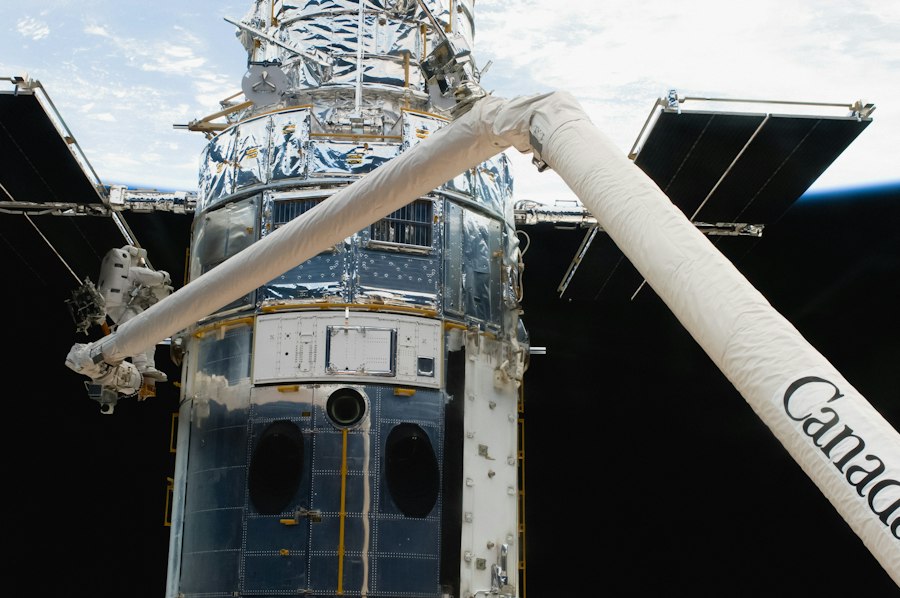
The ability to steer a re-entry capsule is achieved through a combination of sophisticated engineering and precise control systems. These mechanisms work in concert to manipulate the forces acting upon the spacecraft and guide it along its intended trajectory.
Control Surfaces: The Atmospheric Manipulators
For capsules designed to operate within the denser parts of the atmosphere, control surfaces similar to those found on aircraft can be employed. These surfaces, such as fins or flaps, can be articulated to alter the airflow around the spacecraft, generating forces that steer it.
Vectored Thrust Systems
Some advanced re-entry systems utilize vectored thrust. This involves directing the exhaust from small thrusters in specific directions to generate control moments. By precisely adjusting the angle of these thrusters, the capsule can be steered in any desired direction.
Aerodynamic Body Shaping
The very shape of the re-entry capsule is a fundamental aspect of its aerodynamic steering. By designing the body with specific contours and asymmetries, a degree of passive steering can be achieved. This is often augmented by active control systems.
Reaction Control Systems (RCS): The Precision Adjusters
Reaction Control Systems, or RCS thrusters, are a vital component of any spacecraft’s attitude control system, and they play a crucial role during reentry. These small, powerful thrusters are strategically placed around the capsule and can be fired in precise bursts to induce rotational or translational movements.
Attitude Control and Stability
During reentry, maintaining a stable attitude is paramount. RCS thrusters are used to counteract any unwanted rotations or oscillations that may arise due to aerodynamic forces or external disturbances. This ensures that the heat shield remains oriented correctly and that the capsule’s trajectory is not compromised.
Trajectory Adjustments Through RCS
While RCS thrusters are not typically used for major course corrections during the high-speed phase of reentry, they can be used for fine-tuning the trajectory and making small adjustments to the capsule’s orientation. This is particularly important in the final stages of descent, leading up to parachute deployment or landing.
The Role of Onboard Computers and Navigation Systems
The complex calculations required to steer a re-entry capsule are handled by sophisticated onboard computers and advanced navigation systems. These systems continuously monitor the capsule’s position, velocity, and attitude, and then command the control mechanisms to make the necessary adjustments.
Inertial Measurement Units (IMUs)
Inertial Measurement Units (IMUs) are a critical part of the navigation system. They use gyroscopes and accelerometers to measure the capsule’s acceleration and rotation, providing real-time data on its motion.
GPS and Other Navigation Aids
While GPS signals can be affected by the plasma sheath during reentry, they are often used in the earlier and later stages of the descent. Other navigation aids, such as star trackers and ground-based tracking stations, can also be employed to provide positional data.
The Plasma Blackout and Its Impact on Steering
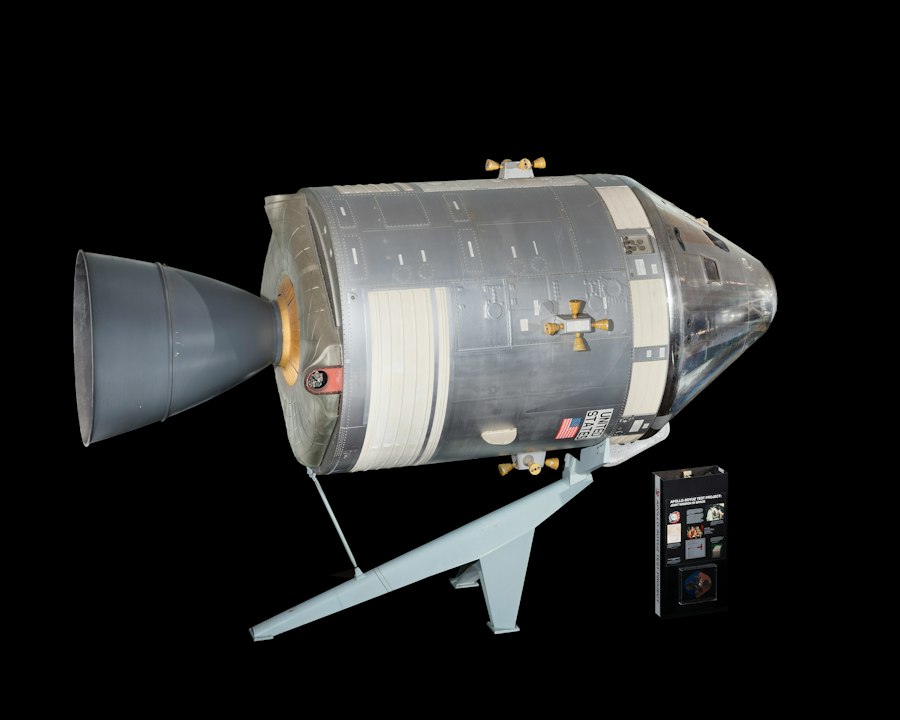
One of the most challenging aspects of reentry steering is the phenomenon known as the “plasma blackout.” As the capsule enters the denser atmosphere and heats up, the surrounding air becomes ionized, forming a plasma sheath. This plasma can absorb and reflect radio waves, making communication with ground control impossible for a period of time.
Communication Interruption: The Silent Descent
During the blackout period, the spacecraft operates autonomously, relying entirely on its pre-programmed trajectory and its onboard navigation and control systems. This is a critical phase where the capsule must be able to maintain its intended path without external guidance.
Pre-programmed Trajectories and Autonomous Control
The re-entry trajectory is meticulously planned before the mission, taking into account a multitude of factors, including atmospheric conditions, orbital parameters, and potential deviations. During the blackout period, the onboard computers follow this pre-programmed trajectory, making autonomous adjustments based on sensor data.
Robust Control Algorithms for Uninterrupted Operation
To overcome the challenges posed by the plasma blackout, advanced control algorithms are employed. These algorithms are designed to be highly robust and to anticipate potential deviations, ensuring that the capsule maintains stability and follows its intended path even without real-time communication.
Overcoming the Plasma Effects
Engineers have developed several strategies to mitigate the impact of the plasma blackout on communication and steering. These include using specific frequencies that are less susceptible to plasma interference or employing specialized antenna designs.
Frequency Selection and Antenna Design
The choice of radio frequencies used for communication is crucial. Certain frequencies can penetrate the plasma sheath more effectively than others. Additionally, the design of the antennas themselves can be optimized to minimize signal attenuation.
Mathematical Modeling of Plasma Behavior
A deep understanding of the physics of plasma is essential. Sophisticated mathematical models are used to predict the behavior of the plasma sheath and its impact on radio waves. This knowledge allows engineers to design systems that can function reliably within these challenging conditions.
Understanding how space capsules steer during reentry is crucial for ensuring a safe return to Earth. The process involves a combination of aerodynamic forces and thrusters that allow for precise control over the capsule’s trajectory. For a deeper dive into the fascinating mechanics behind this process, you can explore a related article that discusses the science of reentry and the technology involved. Check out this insightful piece on Freaky Science to learn more about the challenges and innovations in space travel.
The Future of Reentry Steering
| Metric | Description | Typical Values / Examples |
|---|---|---|
| Control Method | Mechanism used to steer the capsule during reentry | Reaction Control System (RCS) thrusters, Aerodynamic control surfaces, Center of Mass offset |
| Reaction Control System (RCS) Thruster Force | Thrust produced by small thrusters to adjust orientation | 0.5 – 5 Newtons per thruster |
| Center of Mass Offset | Deliberate shift in mass to create lift vector for steering | Up to 10 cm offset from geometric center |
| Lift-to-Drag Ratio (L/D) | Ratio indicating aerodynamic lift vs drag during reentry | 0.3 – 0.7 (e.g., Apollo capsule ~0.35) |
| Angle of Attack | Angle between capsule’s velocity vector and its longitudinal axis | Typically 30° – 40° during reentry |
| Bank Angle | Roll angle used to steer left or right by vectoring lift | Up to ±45° |
| Reentry Velocity | Speed of capsule entering atmosphere | 7.5 km/s (Low Earth Orbit reentry) |
| Guidance System | Computers and sensors used to control steering | Inertial Measurement Units (IMUs), onboard computers |
The field of re-entry steering is constantly evolving, with ongoing research and development focused on improving safety, precision, and mission capabilities. Future advancements promise even more sophisticated and autonomous reentry systems.
Hypersonic Vehicles and Advanced Control
As humanity ventures further into hypersonic flight for both reentry and other applications, the challenges of control become even more pronounced. Future vehicles will require even more advanced aerodynamic designs and control systems to navigate these extreme speeds and thermal environments.
Leading Edge Control Surfaces
Research is underway into adaptive control surfaces that can change their shape in real-time to optimize aerodynamic performance and control. This could involve flexible materials or sophisticated morphing technologies.
Novel Aerodynamic Concepts
New aerodynamic concepts, such as waveriders and advanced lifting bodies, are being explored to enhance maneuverability and efficiency during hypersonic flight. These designs inherently possess different aerodynamic characteristics that require new control strategies.
Autonomous Reentry Systems
The trend towards greater autonomy in spaceflight is also evident in reentry systems. Future capsules will likely have enhanced artificial intelligence capabilities, allowing them to adapt to unforeseen circumstances and make more complex decisions during reentry.
AI-Powered Trajectory Optimization
Artificial intelligence can be employed to continuously optimize the reentry trajectory in real-time, taking into account a wider range of atmospheric variables and potential hazards. This could lead to even more precise and efficient landings.
Predictive Maintenance and Anomaly Detection
AI can also play a role in predicting potential system failures during reentry and detecting anomalies before they become critical. This proactive approach to safety is crucial for long-duration and complex missions.
Reusable Spacecraft and Precision Landing
The advent of reusable spacecraft, such as SpaceX’s Falcon 9 first stage and Starship, has brought a new level of focus on precision landing. The ability to steer and land these vehicles with pinpoint accuracy is essential for their economic viability and operational efficiency.
Vertical Landing Technologies
The development of robust vertical landing systems, which often involve complex sequences of engine firings and control surface adjustments, is a key area of innovation. These systems require incredibly precise steering to achieve a stable and safe touchdown.
Guidance, Navigation, and Control (GNC) Refinements
Continuous refinement of Guidance, Navigation, and Control (GNC) systems is essential for reusable spacecraft. This includes improving sensor accuracy, control loop responsiveness, and the overall robustness of the landing algorithms.
In conclusion, steering space capsules during reentry is a multifaceted and highly complex engineering feat. It involves a deep understanding of fundamental physics, advanced control systems, and the ability to operate autonomously under extreme conditions. As space exploration continues to advance, the ability to precisely and safely guide our spacecraft back to Earth will remain a cornerstone of human endeavor in the cosmos. The ongoing innovation in this field promises a future where reentry is not only safe but also incredibly precise, opening up new possibilities for both human and robotic space missions.

There’s Only One Safe Way Back to Earth From the Moon
FAQs
1. How do space capsules steer during reentry?
Space capsules use a combination of thrusters, reaction control systems, and heat shields to control their descent and orientation during reentry into Earth’s atmosphere.
2. What is the role of thrusters in steering space capsules during reentry?
Thrusters are used to adjust the capsule’s trajectory and orientation by firing bursts of gas in different directions, allowing the capsule to make course corrections as needed.
3. How does the reaction control system help in steering space capsules during reentry?
The reaction control system consists of small thrusters located around the capsule that provide precise control over its orientation by adjusting its pitch, yaw, and roll during reentry.
4. Why is a heat shield important for steering space capsules during reentry?
The heat shield protects the capsule from the intense heat generated during reentry by absorbing and dissipating it, ensuring the safety of the spacecraft and its occupants.
5. What factors influence the steering of space capsules during reentry?
Factors such as the angle of reentry, speed, atmospheric conditions, and the design of the spacecraft all play a role in determining how space capsules steer during reentry and safely return to Earth.