
The silence after the explosion was a fragile thing, soon shattered by the shrill alarms and the panicked voices of the astronauts. Apollo 13, a mission intended for a triumphant lunar landing, had become a desperate fight for survival. The crippled spacecraft, its oxygen tanks ruptured, its power systems failing, was hurtling through the void, millions of miles from home. The ultimate test awaited: navigating atmospheric reentry, a harrowing descent where even the slightest miscalculation could prove fatal. This was not the Apollo 13 that was planned, but a testament to human ingenuity and resilience, a story etched in the annals of space exploration.
The command module, Odyssey, was now a lifeboat, its occupants facing an impossible situation. The lunar module, Aquarius, meant for a brief sojourn on the Moon’s surface, had become their temporary sanctuary, a testament to its design for survival in less-than-ideal conditions. The ingenuity of Mission Control, coupled with the unwavering resolve of the astronauts, was all that stood between them and the unforgiving vacuum of space.
The Shattering Blow
The explosion, a violent shudder that reverberated through the Odyssey, was the genesis of their predicament. Commander Jim Lovell, Pilot Jack Swigert, and Lunar Module Pilot Fred Haise found themselves in a nightmare scenario. The mission’s objective, the lunar landing, was a distant memory. Their new mission was singular and all-encompassing: return to Earth alive. The damage was extensive, far beyond what any simulation had prepared them for. The life-support systems were compromised, the power dwindling. Every breath, every degree of temperature, became a precious commodity.
Mission Control’s Ingenuity
Back on Earth, in the hallowed halls of Mission Control, an unprecedented crisis unfolded. Flight Director Gene Kranz and his team were confronted with a situation that strained the limits of their training and experience. Without a functioning Service Module, the Odyssey was effectively adrift. The immediate task was to preserve what little power and oxygen remained, a delicate balancing act that required constant innovation and split-second decision-making. The sheer volume of data, the cascading failures, the growing realization of the stakes – it was a crucible for the engineers and flight controllers.
The Apollo 13 mission is renowned not only for its harrowing journey to the Moon but also for its dramatic atmospheric reentry, which tested the limits of engineering and human resilience. For a deeper understanding of the challenges faced during this critical phase, you can read a related article that delves into the specifics of the reentry process and the innovative solutions devised by NASA to ensure the safe return of the astronauts. Check it out here: Freaky Science.
The Long Way Home: Engineering a Survival Trajectory
With the lunar landing unequivocally off the table, the priority shifted to a safe, albeit circuitous, return to Earth. The trajectory that had been meticulously planned for a lunar encounter was no longer suitable. A new path, one that leveraged the Moon’s gravity for a slingshot maneuver, had to be calculated and executed flawlessly. This was a feat of celestial mechanics and engineering, a testament to the brilliance of those who could adapt and overcome the most formidable of challenges.
The Lunar Slingshot
The Moon, once the ultimate destination, transformed into a cosmic hand, poised to propel the crippled spacecraft back towards its home planet. The gravitational pull of the Moon would provide the necessary acceleration to escape its orbit and initiate the long journey back to Earth. This maneuver, a daring improvisation, was calculated with a precision that bordered on miraculous. The astronauts, relying on the guidance from Mission Control, had to execute delicate engine burns at precisely the right moments, each one a critical step in their extended voyage.
Powering Down to Power Up
The power constraints were severe. The Odyssey was running on emergency batteries, and every watt of energy was precious. To conserve power, entire sections of the command module were shut down. This meant a life in the darkness, with minimal heating and ventilation. The astronauts endured frigid temperatures, the air thick with carbon dioxide. The lunar module, Aquarius, became their only source of power and a vital component for life support during the long journey. The concept of “power down” was taken to an extreme, a stark reminder of their precarious situation.
The Navigation Challenge
Navigating without the primary guidance systems was another monumental hurdle. The astronauts had to rely on manual methods, using the Sun and the stars as their celestial compass. The slightest deviation could send them off course, making reentry even more perilous. The sheer mental fortitude required to maintain focus and execute these complex navigational tasks under such extreme duress is almost incomprehensible. Every star chart, every sextant reading, was a lifeline.
The Carbon Dioxide Crisis: A Desperate Fix
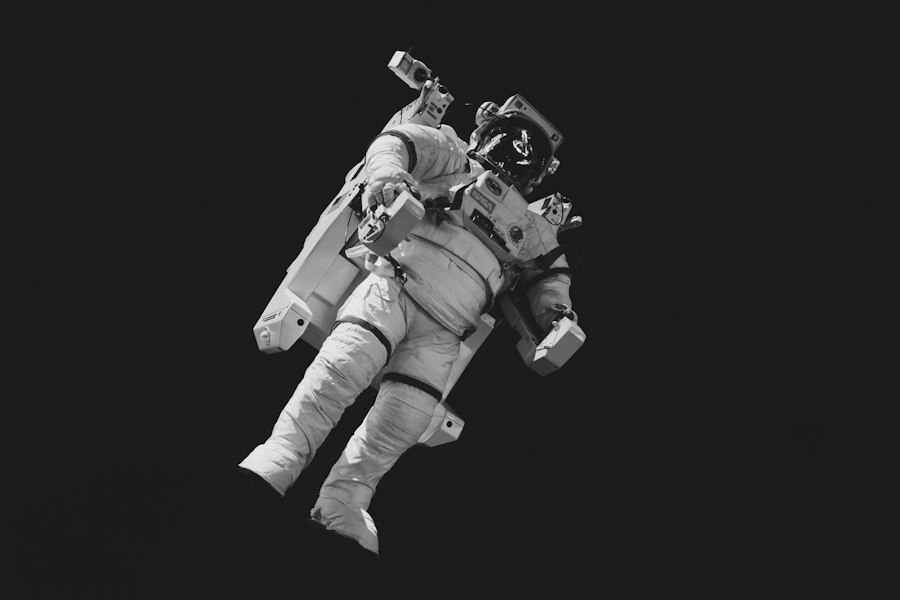
As if the dwindling power and precarious trajectory weren’t enough, the Odyssey faced a critical threat to its atmosphere. The buildup of carbon dioxide, a deadly byproduct of human respiration, threatened to suffocate the crew. The square carbon dioxide scrubbers from the command module were incompatible with the round canisters in the lunar module. Mission Control’s ingenuity was once again put to the ultimate test, devising a makeshift solution that would become legendary.
The “Square Peg, Round Hole” Problem
The incompatibility of the CO2 scrubbers presented a seemingly insurmountable engineering challenge. The Odyssey‘s square canisters were no longer operational, and the Aquarius‘s round ones were insufficient for the extended mission. The air quality within the spacecraft was deteriorating rapidly, posing an immediate and lethal threat. The astronauts were literally struggling to breathe. This was a problem that required immediate, and utterly novel, intervention.
Mission Control’s “Mailbox” Solution
The engineers at Mission Control, working under immense pressure, devised a solution that would forever be known as the “mailbox.” Using only the materials available on board the spacecraft – plastic bags, cardboard, duct tape, and various other unglamorous items – they instructed the astronauts on how to construct an adapter. This crude but effective device would allow the round canisters to fit into the square receptacles, effectively scrubbing the lethal carbon dioxide from the air. The astronauts, with their own hands, built their salvation from the debris of their crisis.
The Smell of Survival
The success of the makeshift scrubber was not immediately apparent, but the gradual improvement in air quality was a tangible sign of hope. The astronauts, accustomed to the sterile environment of space, now faced a new sensory challenge – the peculiar smell of the “mailbox” and the plastic bags. It was a scent that, for them, represented the sweet aroma of survival, a constant reminder of the desperate measures taken to keep them alive.
Approaching the Inferno: The Terrors of Reentry
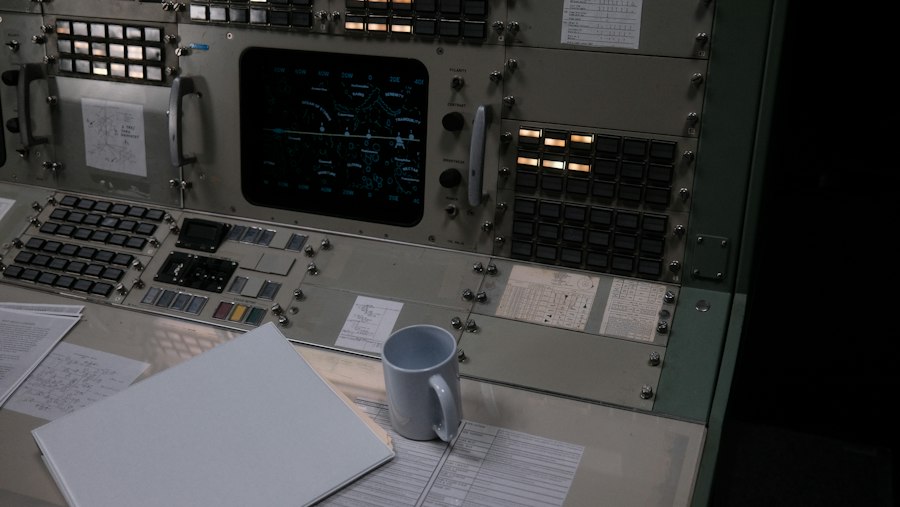
The long journey home was nearing its end, but the most dangerous phase was yet to come: atmospheric reentry. The Odyssey, battered and bruised, was about to face the fiery embrace of Earth’s atmosphere, a trial by fire that had claimed countless spacecraft and lives. The margin for error was infinitesimal.
The Unprotected Descent
The Service Module, essential for reentry maneuvers and the heat shield, was gone. The command module, Odyssey, was now on its own, its ablative heat shield the only defense against the unimaginable temperatures generated by friction with the atmosphere. This was reentry without the usual safety nets, a leap of faith into the inferno. The absence of critical components meant that the entire reentry profile had to be re-evaluated and executed with an unprecedented level of precision.
The G-Forces and the Glimpse of Home
As the Odyssey plunged into the atmosphere, the astronauts endured immense G-forces, their bodies pressed into their seats. The capsule vibrated violently, the exterior glowing red-hot. Through the small windows, they caught fleeting glimpses of Earth, a beacon of hope growing larger with every passing second. The visual spectacle of reentry, a terrifying ballet of fire and plasma, was a stark reminder of the forces they were contending with.
The Silence After the Storm
The reentry was a cacophony of noise and violence, but it was followed by an abrupt and deafening silence. The oscillations ceased, the heat subsided, and the capsule settled into a gentler descent under its parachutes. The ultimate test, the fiery plunge, had been survived. The sound of the parachutes deploying, a final act of grace, was the sweetest sound they had ever heard.
The Apollo 13 mission is often remembered for its dramatic challenges, particularly during atmospheric reentry when the crew faced critical decisions that could mean the difference between life and death. For those interested in exploring the intricate details of this historic event, a related article can provide deeper insights into the engineering and human factors involved. You can read more about the mission’s challenges and triumphs in this fascinating piece on space exploration at Freaky Science.
A Resilient Return: The Legacy of Apollo 13
| Metric | Value | Unit | Notes |
|---|---|---|---|
| Reentry Velocity | 11,000 | m/s | Approximate speed at atmospheric interface |
| Reentry Angle | 6.5 | Degrees | Angle relative to Earth’s surface |
| Peak Deceleration | 6.7 | g | Maximum g-force experienced by crew |
| Heat Shield Temperature | 2,760 | °C | Maximum temperature on heat shield during reentry |
| Reentry Duration | 12 | minutes | Time from atmospheric entry to splashdown |
| Landing Site | South Pacific Ocean | – | Approximate splashdown location |
| Capsule Mass at Reentry | 5,560 | kg | Mass of command module during reentry |
The successful reentry and splashdown of Apollo 13 were not just a technical triumph; they were a profound testament to the human spirit. The mission, initially a symbol of ambition and technological prowess, became an enduring emblem of courage, ingenuity, and the unwavering will to survive.
The Miraculous Splashdown
The sight of the Odyssey parachuting through the blue sky and gracefully splashing down in the Pacific Ocean was met with a collective sigh of relief from a world that had held its breath for days. The recovery teams, having tracked the capsule’s descent, were ready to receive them. The astronauts, weary but alive, emerged from their ordeal, forever changed by their extraordinary journey.
The “Successful Failure”
Apollo 13 became known as a “successful failure.” While it did not achieve its primary objective of landing on the Moon, it achieved something far more significant: it brought its crew home against all odds. This mission demonstrated that even in the face of catastrophic failure, human resilience and ingenuity could prevail. The lessons learned from Apollo 13 have had a lasting impact on space exploration, informing design, procedure, and crisis management protocols.
The Enduring Spirit of Exploration
The story of Apollo 13 continues to inspire, a potent reminder of what humanity can achieve when faced with adversity. It is a narrative of individuals pushed to their absolute limits, supported by a dedicated team on the ground, who, through sheer determination and brilliance, navigated the unimaginable. The courage of Lovell, Swigert, and Haise, and the unwavering commitment of Mission Control, solidified Apollo 13’s place as one of the most remarkable survival stories in human history. The mission, though flawed in its execution of the original plan, became a shining beacon of human capability, a testament to the indomitable spirit of exploration that continues to drive us towards the stars.

There’s Only One Safe Way Back to Earth From the Moon
FAQs
What was Apollo 13?
Apollo 13 was the seventh crewed mission in NASA’s Apollo space program and was intended to land on the moon. However, an oxygen tank explosion forced the mission to be aborted.
What was the atmospheric reentry process for Apollo 13?
After completing a successful trajectory correction burn, Apollo 13 re-entered Earth’s atmosphere at a speed of approximately 24,000 miles per hour. The spacecraft then experienced intense heat and deceleration as it descended towards the Pacific Ocean.
How did the crew of Apollo 13 survive the atmospheric reentry?
The crew of Apollo 13 survived the atmospheric reentry by following the re-entry procedures and relying on the spacecraft’s heat shield to protect them from the extreme temperatures generated during re-entry.
What were the challenges faced during Apollo 13’s atmospheric reentry?
One of the main challenges faced during Apollo 13’s atmospheric reentry was the limited power and resources available to the crew due to the earlier explosion. The crew had to conserve energy and carefully manage their re-entry procedures to ensure a safe return to Earth.
Where did Apollo 13 splash down after the atmospheric reentry?
Apollo 13 splashed down in the Pacific Ocean, approximately 4 miles from the recovery ship USS Iwo Jima. The crew was successfully recovered by the ship and returned safely to Earth.