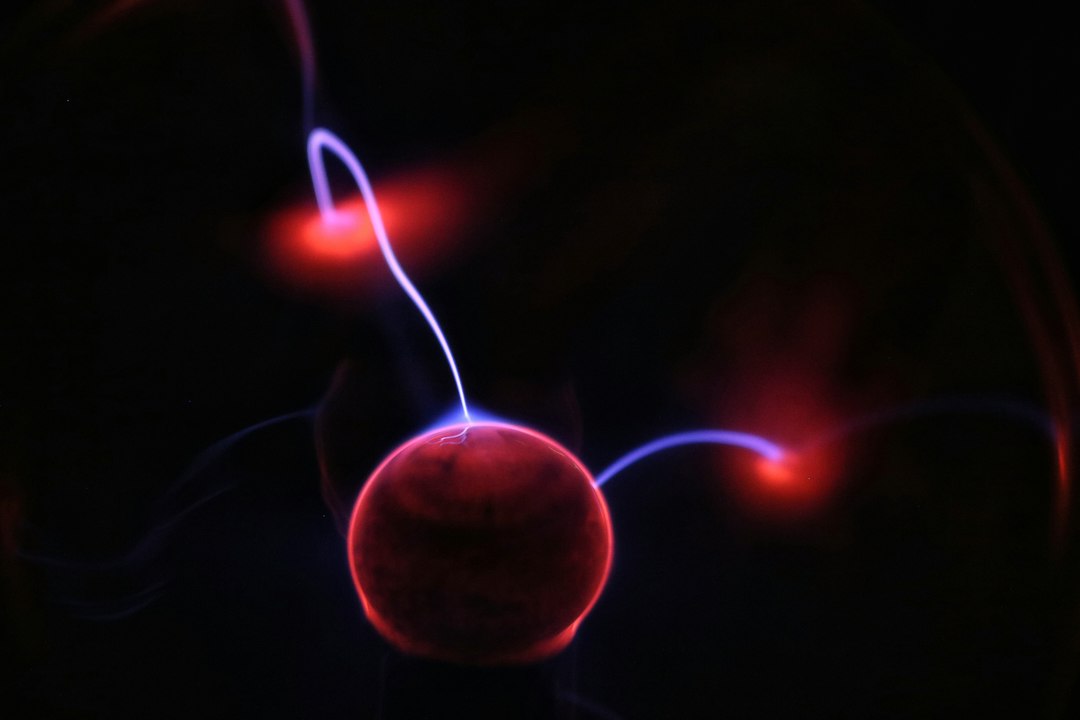
The vast expanse of space is not an empty void, but rather a dynamic environment teeming with charged particles. When a spacecraft ventures into this arena, a complex interplay begins, leading to the formation of plasma around its metallic hull. This phenomenon, known as spacecraft plasma formation, is a critical consideration for mission design, impacting everything from communication systems to the structural integrity of the vehicle. Understanding how this plasma arises and evolves is paramount for ensuring the success and longevity of space missions.
At its core, a spacecraft is a large, conductive object immersed in the space plasma. This inherent conductivity is the primary driver behind the formation of a surrounding plasma sheath.
Electrical Potential of a Spacecraft
Spacecraft are not electrically neutral in the same way a terrestrial object might be. Several factors contribute to their developing an electrical potential relative to their surroundings.
Photoemission and Secondary Electron Emission
The bombardment of the spacecraft’s surface by energetic solar photons and high-energy particles can dislodge electrons from the material. This process, known as photoemission and secondary electron emission, effectively drains electrons from the spacecraft, causing it to acquire a net positive charge. This positive charge, in turn, attracts the abundant free electrons present in the space plasma.
Current Collection and Emission
Spacecraft are equipped with various systems that generate and consume electrical power. While designed to be balanced, imbalances in current collection from the space environment and internal current generation can lead to a net charge accumulation. For instance, if a spacecraft’s solar panels generate more current than its systems consume, or if it absorbs more charged particles than it emits, a charge imbalance will occur.
Differential Charging
Different materials on a spacecraft have varying work functions, meaning they require different amounts of energy to emit electrons. This can lead to differential charging, where different parts of the spacecraft acquire different electrical potentials. This is particularly relevant for spacecraft with diverse materials and surfaces, such as antennas, solar panels, and structural components.
The Plasma Environment
The nature of the surrounding space plasma dictates the specifics of the interaction with the spacecraft. The density, temperature, and composition of these charged particles are crucial parameters.
Ionospheric Plasma
Closer to Earth, in the ionosphere, the plasma is relatively dense and composed primarily of ions and electrons. The presence of Earth’s magnetic field also plays a significant role in shaping the plasma environment.
Solar Wind Plasma
Further out in interplanetary space, the solar wind dominates. This is a continuous stream of charged particles, mainly protons and electrons, emanating from the Sun. The solar wind’s density and velocity can vary significantly, influenced by solar activity.
Magnetospheric Plasma
Within the Earth’s magnetosphere, a complex and dynamic plasma environment exists, shaped by the interaction between the solar wind and Earth’s magnetic field. This region can exhibit high-energy particle populations and significant electric and magnetic fields.
Plasma formation around spacecraft is a fascinating phenomenon that occurs due to the interaction of the spacecraft with the Earth’s atmosphere and magnetic field. This effect, often referred to as the “plasma sheath,” can impact communication and navigation systems on board. For a deeper understanding of this topic, you can explore a related article that delves into the science behind plasma formation and its implications for space travel. To read more, visit Freaky Science.
Formation of the Plasma Sheath
The interaction between the charged spacecraft and the surrounding space plasma results in the formation of a distinct region known as the plasma sheath. This sheath is a thin layer of plasma that forms directly around the spacecraft’s surface, significantly altering the local plasma properties.
Electron and Ion Dynamics
The electrical potential of the spacecraft directly influences the movement of charged particles in its vicinity.
Attraction of Electrons
If the spacecraft develops a positive potential, the free electrons in the surrounding plasma are attracted towards its surface. These electrons are accelerated by the electric field created by the spacecraft’s positive charge.
Repulsion of Ions
Conversely, if the spacecraft becomes positively charged, the positively charged ions in the space plasma are repelled by its surface. This creates a depletion of ions in the immediate vicinity of the spacecraft.
Formation of an Electron-Rich Layer
The accumulation of attracted electrons around a positively charged spacecraft forms an electron-rich layer. This layer effectively neutralizes the positive charge of the spacecraft to a certain extent, but it also creates a region where the electron density is significantly higher than the ion density.
The Debye Length: A Critical Parameter
The thickness of the plasma sheath is largely determined by a fundamental parameter known as the Debye length.
Definition and Significance
The Debye length represents the distance over which the electrostatic influence of a single charge is screened by the surrounding charged particles. In simpler terms, it’s the characteristic distance over which the plasma can effectively neutralize a localized charge imbalance.
Factors Affecting Debye Length
The Debye length is inversely proportional to the square root of the plasma temperature and density. A hotter, denser plasma will have a shorter Debye length, meaning the plasma sheath will be thinner. Conversely, a colder, less dense plasma will result in a longer Debye length and a thicker sheath.
Ionospheric Sheath vs. Solar Wind Sheath
The characteristics of the plasma sheath vary depending on the environment the spacecraft is operating in.
Ionospheric Sheath Properties
In the ionosphere, where plasma densities are higher, the Debye length is generally smaller. This leads to a thinner, more compact plasma sheath around the spacecraft. The strong influence of Earth’s magnetic field also plays a role in shaping the ionospheric sheath.
Solar Wind Sheath Properties
In the solar wind, with its lower densities, the Debye length can be considerably larger. This results in a thicker, more extended plasma sheath. The interaction can also be more dynamic due to the variable nature of the solar wind.
Plasma Interactions and Their Effects
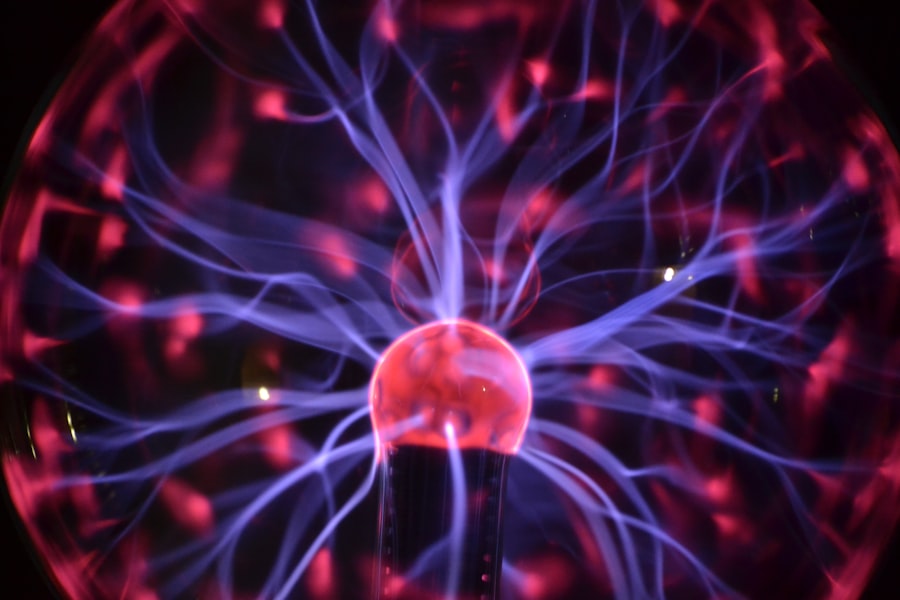
The formation of a plasma sheath around a spacecraft is not a passive event; it has profound implications for the spacecraft’s operation and performance.
Electromagnetic Interference
The plasma sheath can significantly affect electromagnetic signals, leading to communication disruptions and errors.
Antenna Performance Degradation
Plasma, being an ionized medium, can interact with radio waves. This interaction can lead to signal attenuation, scattering, and impedance mismatches, all of which degrade the performance of onboard antennas. The frequency of the electromagnetic wave relative to the plasma frequency is a critical factor here.
Noise Generation
The dynamic processes occurring within the plasma sheath, such as electron and ion currents and fluctuations in electric and magnetic fields, can generate electromagnetic noise. This noise can interfere with sensitive scientific instruments and communication systems.
Spacecraft Charging Effects
Beyond the formation of the sheath, the charging of the spacecraft itself can lead to damaging electrostatic discharges.
Arcing and Dielectric Breakdown
If the potential difference within the spacecraft or between the spacecraft and the plasma becomes too large, electrostatic discharges, or arcing, can occur. This is analogous to lightning strikes but on a much smaller scale. These discharges can damage sensitive electronic components, melt conductive materials, and even compromise the structural integrity of the spacecraft.
Surface Contamination and Degradation
Charged particles accumulating on the spacecraft’s surface can attract and trap dust and other contaminants. Over time, this contamination can degrade the performance of solar panels, optical sensors, and thermal control surfaces. Furthermore, the bombardment of charged particles can cause physical erosion and chemical changes to the spacecraft’s materials.
Thruster Plume Interactions
The exhaust plumes from spacecraft propulsion systems are also composed of charged particles and can interact with the surrounding plasma environment.
Plume Neutralization and Expansion
The charged particles in a thruster plume can interact with the ambient space plasma, leading to neutralization and altered expansion characteristics. This can affect the efficiency and directionality of the thruster.
Interference with Scientific Measurements
The charged particles from thruster plumes can also generate electromagnetic noise and create localized plasma disturbances that can interfere with sensitive scientific instruments attempting to measure the ambient space environment.
Understanding and Mitigating Plasma Effects
Given the significant impact of spacecraft plasma formation, extensive research and development efforts are dedicated to understanding and mitigating these effects.
Plasma Modeling and Simulation
Sophisticated computational models are crucial for predicting and analyzing plasma behavior around spacecraft.
Fluid Models
Fluid models treat the plasma as a continuous fluid, describing its macroscopic properties like density, pressure, and flow velocity. These models are useful for understanding large-scale plasma phenomena.
Kinetic Models
Kinetic models, such as Particle-In-Cell (PIC) simulations, treat individual charged particles and their interactions. These models provide a more detailed and accurate representation of plasma behavior, especially at smaller scales and in regions with strong electric and magnetic fields.
Spacecraft Design Considerations
Engineers incorporate various design strategies to minimize the negative effects of plasma interactions.
Material Selection
Choosing materials with appropriate work functions and resistance to charging can help reduce differential charging and the likelihood of electrostatic discharges. For example, conductive coatings can help dissipate charge evenly.
Grounding and Bonding Strategies
Effective grounding and bonding of different spacecraft components are essential to prevent large potential differences from developing. This ensures that electrical charges can flow freely and safely dissipate.
Electrostatic Discharge (ESD) Protection
Implementing ESD protection measures, such as surge protectors and shielding, is critical for safeguarding sensitive electronics from damage caused by arcing events.
Active Plasma Control
In some advanced scenarios, active methods are being explored to control the plasma environment around a spacecraft.
Plasma Contactors
Plasma contactors are devices designed to emit or collect charged particles, thereby controlling the spacecraft’s electrical potential. They can help neutralize the spacecraft and reduce the risk of charging.
Magnetic Field Generation
Generating localized magnetic fields can influence the behavior of charged particles, potentially deflecting them away from sensitive areas or shaping the plasma sheath.
When spacecraft travel through the Earth’s atmosphere or into space, they often encounter various particles and gases that can lead to the formation of plasma around them. This phenomenon is primarily due to the intense heat generated by friction and the ionization of surrounding air molecules. For a deeper understanding of the science behind this process, you can explore a related article that discusses the intricate details of plasma formation and its implications for spacecraft design. To learn more, visit this informative article.
The Future of Spacecraft Plasma Research
| Metric | Description | Relevance to Plasma Formation |
|---|---|---|
| Spacecraft Velocity | Speed of the spacecraft relative to surrounding particles | High velocity causes compression and heating of atmospheric gases, leading to ionization and plasma formation |
| Atmospheric Density | Density of gases in the spacecraft’s environment | Higher density increases collisions between particles and spacecraft, promoting plasma generation |
| Temperature | Temperature of the gas around the spacecraft | Elevated temperatures cause gas molecules to ionize, creating plasma |
| Ionization Energy | Energy required to ionize atmospheric particles | Determines how easily plasma forms when gases are heated or compressed |
| Electric and Magnetic Fields | Fields generated by spacecraft or ambient space environment | Can influence plasma behavior and stability around the spacecraft |
| Altitude | Height above Earth’s surface | At lower altitudes, denser atmosphere increases plasma formation; at higher altitudes, plasma density decreases |
As humanity’s reach into space expands, so too does the complexity of the environments encountered. Future spacecraft missions, particularly those venturing to the outer solar system, moons with tenuous atmospheres, or engaging in advanced propulsion techniques, will necessitate a deeper understanding of spacecraft plasma formation.
Missions to Icy Moons and Planetary Atmospheres
Moons like Europa and Enceladus, with their subsurface oceans and potential for plumes, present unique plasma environments. Similarly, missions to planets with complex atmospheres and magnetospheres, such as Jupiter and Saturn, will require sophisticated plasma interaction models. The interaction of spacecraft with these exotic plasmas could lead to unexpected charging effects and communication challenges.
Advanced Propulsion Systems
Future propulsion systems, such as electric propulsion and advanced ion engines, inherently involve the manipulation of charged particles. Understanding how these systems interact with the ambient space plasma is crucial for optimizing their performance and preventing detrimental feedback loops. The high-velocity charged particles emitted by these thrusters can significantly alter the local plasma environment.
In-Situ Resource Utilization (ISRU)
The growing interest in utilizing resources found in space, such as regolith on the Moon or ice on asteroids, may involve processes that generate or interact with plasma. For instance, some ISRU techniques might involve high-energy particle beams or plasma processing, necessitating a thorough understanding of their plasma formation and interaction characteristics.
Autonomous Spacecraft Operations
As spacecraft become more autonomous, their ability to adapt to and mitigate plasma-induced anomalies will become increasingly important. Advanced onboard systems capable of real-time plasma diagnostics and adaptive control will be required to ensure mission success in unpredictable plasma environments. This could involve self-healing systems that can reroute power or adjust thruster operation in response to detected plasma issues.
The intricate dance between a spacecraft and the surrounding space plasma is a fundamental aspect of space exploration. From the subtle charging of a satellite in Earth’s orbit to the complex interactions in the harsh environment of interplanetary space, the formation of plasma is a constant companion. Continued research, innovative design, and a commitment to understanding these dynamic processes are vital for pushing the boundaries of our exploration of the cosmos.

There’s Only One Safe Way Back to Earth From the Moon
FAQs
What causes plasma to form around spacecraft?
Plasma forms around spacecraft due to the interaction between the spacecraft and the charged particles in the surrounding space environment, such as the solar wind.
Is plasma dangerous to spacecraft?
Plasma can pose a risk to spacecraft by causing electrical charging, which can lead to malfunctions or damage to onboard systems. However, spacecraft are designed to withstand these conditions.
How does plasma affect communication with spacecraft?
Plasma can interfere with communication signals between ground control and spacecraft by causing disruptions or delays. Special techniques and protocols are used to mitigate these effects.
Can plasma around spacecraft affect scientific observations?
Plasma can distort scientific observations made by spacecraft, particularly in the study of space weather or astrophysical phenomena. Scientists account for these effects when analyzing data.
Are there ways to protect spacecraft from plasma?
Spacecraft are equipped with protective measures, such as thermal blankets and shielding, to minimize the impact of plasma. Additionally, spacecraft operators can adjust the orientation or trajectory of the spacecraft to reduce exposure to plasma.