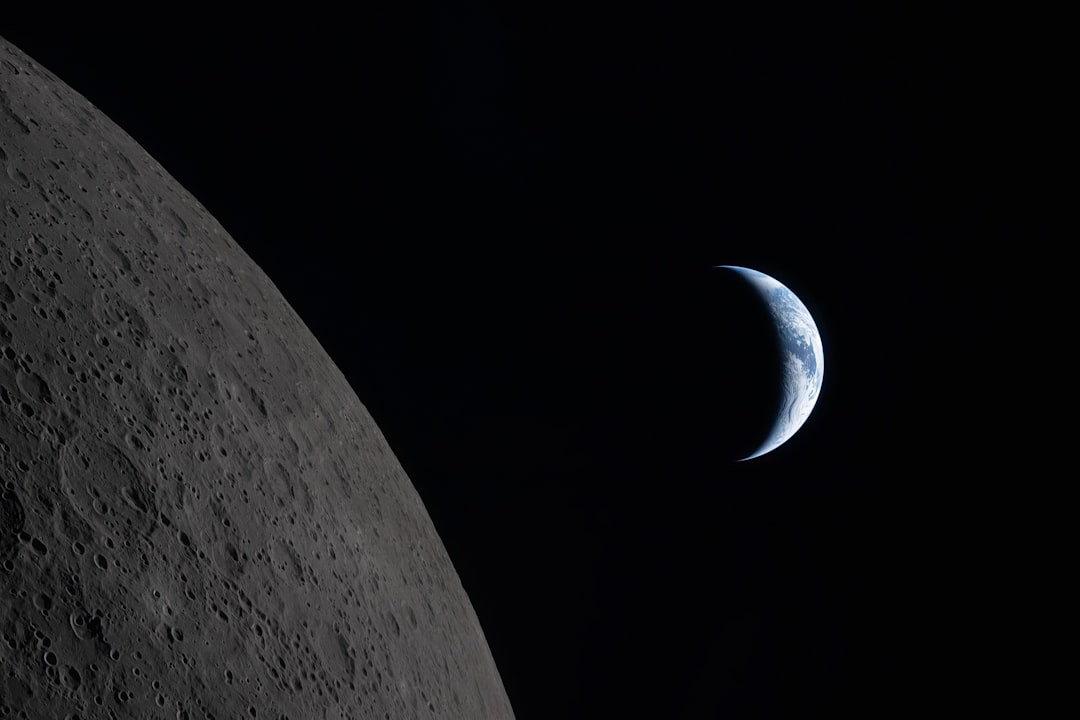
Returning from the Moon is a feat of engineering and physics that requires meticulous planning and execution. While the romantic notion of space exploration often focuses on the breathtaking vistas and daring landings, the journey home is equally, if not more, complex and fraught with potential peril. It’s a celestial ballet choreographed by brilliant minds, a delicate dance with gravity, and a testament to humanity’s ingenuity in overcoming the immense challenges of interplanetary travel. This article will delve into the intricate process of bringing astronauts and their precious lunar samples back to Earth, exploring the critical stages and technologies involved in this remarkable homecoming.
The triumphant departure from the lunar surface is not a single, instantaneous event, but rather a carefully orchestrated sequence that begins with the ascent from the Moon. Once the astronauts have completed their scientific objectives and are ready to leave, the Lunar Module (LM), specifically designed for lunar ascent, ignites its ascent engine. This engine, a marvel of engineering, is built to be lightweight and powerful enough to overcome the Moon’s gravity. Unlike the descent engine, which was designed for a controlled landing, the ascent engine is optimized for raw thrust, pushing the ascent stage upwards into lunar orbit.
The Ascent Stage’s Crucial Role
The ascent stage of the Lunar Module is essentially a self-contained spacecraft. It carries the crew, essential life support systems, and the critical ascent engine. The descent stage, having served its purpose, is left behind on the lunar surface, a silent monument to human exploration. The ascent stage’s trajectory is precisely calculated to rendezvous with the Command Module, which has been orbiting the Moon. This rendezvous is a critical maneuver, requiring perfect timing and navigation. The astronauts in the ascent module must match the orbit and velocity of the Command Module to dock successfully.
Rendezvous and Docking: A Delicate Embrace
The rendezvous process is akin to a highly precise game of cosmic catch-up. The Command Module, often piloted by one astronaut while the others were on the lunar surface, continues its orbital path. The ascent stage, propelled by its engine, alters its orbit to intercept. Navigation relies on a combination of onboard computers, star trackers, and manual control for fine adjustments. As the two spacecraft draw closer, the docking ports are aligned. The final approach is slow and deliberate, with the astronauts in the Command Module using thrusters to make minute corrections. The final ‘clunk’ of the docking mechanism signifies a successful union, allowing for the transfer of crew and lunar samples back into the Command Module.
The Transfer of Crew and Cargo
Once docked, the hatch between the ascent stage and the Command Module is opened. The astronauts, often weary but exhilarated, make their way into the Command Module. This is also the moment when the precious lunar samples, carefully collected and meticulously documented, are transferred. These samples are the tangible evidence of humanity’s visit to another world, and their safe return is of paramount scientific importance. After the transfer is complete, the ascent stage is typically jettisoned. Its mission is over, and it becomes another piece of debris in lunar orbit, or sometimes intentionally crashed into the Moon to create seismic data.
Spacecraft returning from the Moon face numerous challenges, including re-entry into Earth’s atmosphere and safe landing procedures. For a deeper understanding of the complexities involved in lunar missions and the technology that enables these spacecraft to return safely, you can read a related article on this topic at Freaky Science. This resource provides insights into the engineering and science behind space travel, highlighting the innovations that make lunar exploration possible.
The Long Haul Home: Trans-Earth Injection
With the crew and samples safely aboard the Command Module, the next critical phase is the Trans-Earth Injection (TEI). This is the maneuver that propels the spacecraft out of lunar orbit and onto a trajectory that will eventually bring it back to Earth. TEI is not simply a matter of pointing the spacecraft at Earth and firing the engines. It requires a precise calculation of the trajectory, taking into account the gravitational pulls of both the Earth and the Moon, as well as the Sun.
The Art of Orbital Mechanics
The science of orbital mechanics is at the heart of TEI. Astronauts and ground control teams use complex calculations to determine the exact moment and duration of the engine burn required to achieve the correct trajectory. A slight miscalculation could result in the spacecraft either missing Earth entirely or entering an unstable orbit. The Service Module, attached to the Command Module, houses the main engine and fuel tanks necessary for this crucial burn. The Service Module’s engine is fired for a specific period, increasing the spacecraft’s velocity and pushing it out of the Moon’s gravitational embrace and onto a path towards its home planet.
The Trajectory: A Precisely Calculated Arc
The trajectory of a TEI burn is not a straight line. It’s a carefully calculated arc that leverages gravitational forces to guide the spacecraft. The Moon’s gravity initially influences the spacecraft’s path, and then as it moves further away, Earth’s gravity becomes the dominant force. The precise nature of this trajectory is essential for minimizing fuel consumption and ensuring a safe re-entry. Ground control continuously monitors the spacecraft’s position and velocity, making minor course corrections if necessary. These corrections, known as mid-course corrections, are crucial for maintaining the integrity of the planned trajectory.
The Role of the Service Module
The Service Module is the workhorse of the journey home. It contains the propulsion system, power generation systems, and life support for the Command Module. The main engine of the Service Module is the critical component for TEI. Its powerful burn accelerates the spacecraft to escape velocity from lunar orbit, setting it on its course for Earth. The Service Module is designed to be jettisoned before re-entry into Earth’s atmosphere, as its structure is not designed to withstand the extreme heat and forces of atmospheric entry.
The Vast Expanse: Interplanetary Cruise
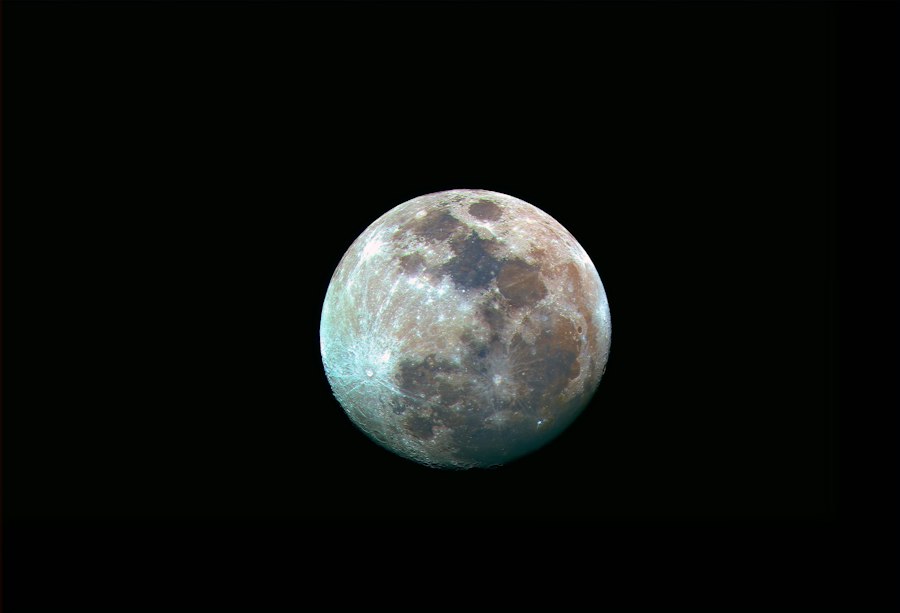
Once on its Trans-Earth trajectory, the spacecraft enters the interplanetary cruise phase. This is the longest leg of the journey, during which the astronauts are relatively on their own, traversing the vast emptiness between the Moon and Earth. While the engines are not firing continuously, this period is far from idle. It involves constant monitoring, scientific observations, and preparation for the final, most perilous stage: re-entry.
Life Support in the Void
The Command Module’s life support systems are meticulously designed to sustain the crew for the entire duration of the mission, including the return journey. This includes providing breathable air, managing temperature and humidity, and recycling water and waste. Astronauts engage in regular exercises to counteract the effects of prolonged weightlessness on their bodies. Maintaining physical and mental well-being in the confined space of the Command Module is paramount. Regular communication with ground control provides a vital link to Earth, offering support, guidance, and a morale boost.
Scientific Observations and Course Corrections
While the primary focus shifts to returning home, the scientific mission doesn’t entirely cease. Astronauts may continue to make observations of the Earth, the Moon, and the interplanetary environment. Mid-course corrections are still performed as needed, using the Service Module’s smaller thrusters. These corrections ensure that the spacecraft remains on its precise trajectory, accounting for any minor deviations that may have occurred. The accuracy of these corrections is critical for a successful re-entry.
The Psychological Toll of the Void
The journey through interplanetary space, while awe-inspiring, can also be psychologically challenging. The vastness and isolation can be profound. Astronauts are trained to manage these psychological pressures, and the support of their crewmates and ground control is invaluable. The anticipation of returning home, coupled with the knowledge of the demanding re-entry ahead, creates a unique psychological landscape.
The Fiery Descent: Re-entry into Earth’s Atmosphere
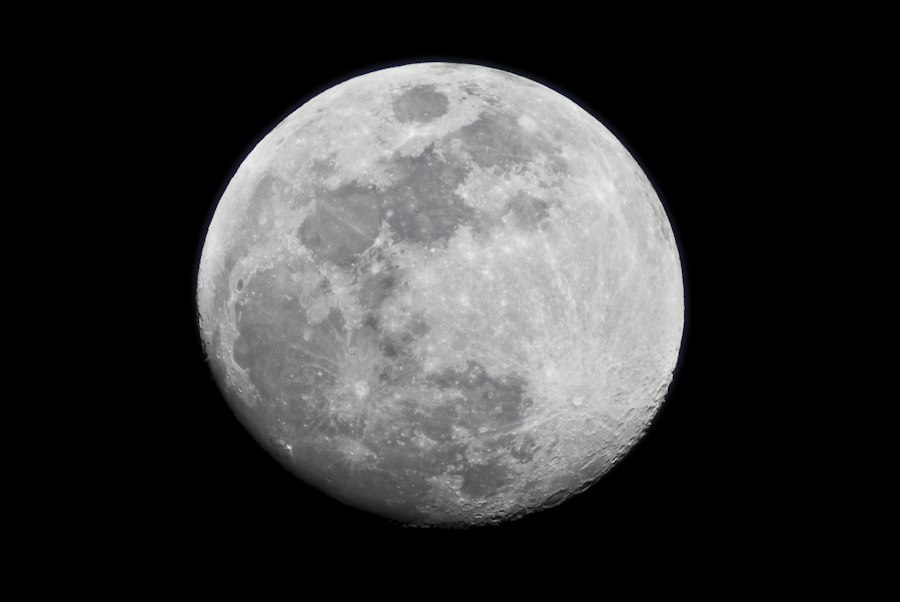
Re-entry into Earth’s atmosphere is arguably the most critical and dangerous phase of the return journey. The spacecraft, traveling at speeds exceeding 25,000 miles per hour, must survive an inferno created by friction with the atmosphere. This is where the meticulous design and robust engineering of the Command Module are put to the ultimate test.
The Heat Shield: A Blazing Defense
The Command Module is equipped with a sophisticated heat shield, typically made of ablative materials. As the spacecraft plunges into the atmosphere, the outer layers of the heat shield burn away, absorbing and dissipating the immense heat generated by atmospheric friction. This sacrificial process protects the crew and the spacecraft’s internal structure from being incinerated. The design of the heat shield is crucial, ensuring it can withstand the extreme temperatures and pressures without failing. The ablative material is carefully chosen for its thermal properties and its ability to char and vaporize in a controlled manner.
The Deceleration Process: A Violent Slowdown
The Earth’s atmosphere acts as a giant brake. The spacecraft’s velocity is dramatically reduced through a combination of atmospheric drag and the deployment of parachutes. The initial deceleration is intense, with astronauts experiencing significant g-forces. As the spacecraft slows, smaller drogue parachutes are deployed to further stabilize its descent and reduce speed before the main parachutes are unfurled. The timing and sequencing of parachute deployment are critical for a safe landing.
The Role of the Parachutes
The deployment of parachutes is a multi-stage process, each designed to manage different aspects of the deceleration. Droguete parachutes are small but essential for stabilizing the capsule and orienting it correctly for the main parachute deployment. The main parachutes, often several large, robust chutes, are then deployed to bring the spacecraft’s descent speed down to a safe landing velocity. The integrity of these parachutes is paramount, as a failure at this stage would have catastrophic consequences.
The process of how spacecraft return from the Moon is a fascinating subject that combines advanced engineering with the challenges of space travel. For those interested in exploring this topic further, an insightful article can be found that delves into the intricacies of lunar missions and the technology involved in ensuring a safe return. You can read more about this in the related article on spacecraft return strategies here. Understanding these methods not only highlights the achievements of past missions but also paves the way for future explorations beyond our planet.
The Gentle Touchdown: Landing and Recovery
| Metric | Description | Typical Value |
|---|---|---|
| Return Velocity from Moon Surface | Speed required to leave the Moon’s surface and enter lunar orbit | ~1.6 km/s |
| Trans-Earth Injection Velocity | Velocity needed to leave lunar orbit and head back to Earth | ~1.0 km/s |
| Re-entry Speed at Earth Atmosphere | Speed of spacecraft entering Earth’s atmosphere from lunar return trajectory | ~11 km/s |
| Heat Shield Temperature | Maximum temperature experienced by the heat shield during Earth re-entry | ~2,760 °C |
| Duration of Lunar Surface Stay | Typical time astronauts spend on the Moon before return | 1 to 3 days |
| Orbital Altitude for Lunar Rendezvous | Altitude at which the ascent module meets the orbiting command module | ~100 km |
| Time from Lunar Orbit Departure to Earth Arrival | Duration of transit from Moon orbit back to Earth | ~3 days |
The final moments of the journey are marked by the landing and subsequent recovery of the spacecraft and its precious cargo. Depending on the mission profile, this can involve a splashdown in the ocean or a landing on land. Both scenarios present unique challenges and require a well-coordinated recovery effort.
Splashdown: A Maritime Embrace
For many lunar missions, including those of the Apollo program, splashdown in the ocean has been the preferred method of landing. The Command Module is designed to float and remain stable in the water. Once the spacecraft has landed, recovery teams, comprised of naval personnel and specialized aircraft, are dispatched to the landing site. Divers are often the first to reach the capsule, ensuring the astronauts are safe and assisting with their egress. The recovery teams then secure the capsule and transport it and its occupants back to shore.
Land Landing: A Terrestrial Arrival
In some missions, land landings have been employed. This requires a different spacecraft design, often incorporating airbags or retro-rockets to cushion the impact. The recovery operation for a land landing involves specialized ground crews and vehicles to safely retrieve the capsule and its crew. The terrain of the landing site can present additional challenges for recovery.
The Precious Cargo: Lunar Samples and Beyond
Regardless of the landing method, the safe recovery of the lunar samples is a top priority. These samples are handled with extreme care, often transported to specialized laboratories for analysis. The return of the astronauts themselves is also a moment of immense relief and celebration. They have successfully navigated the dangers of space and returned to their home planet, bringing with them invaluable knowledge and experiences. The debriefing process that follows their return is extensive, allowing them to share their insights and contribute to future space endeavors. The journey back from the Moon, though often overshadowed by the outward voyage, is a testament to human perseverance, scientific brilliance, and the unwavering desire to explore the unknown.

There’s Only One Safe Way Back to Earth From the Moon
FAQs
1. How do spacecraft return from the Moon?
Spacecraft returning from the Moon follow a trajectory that brings them back to Earth. They use the Moon’s gravity to slingshot back towards Earth, entering the Earth’s atmosphere at high speeds.
2. What happens during re-entry into Earth’s atmosphere?
During re-entry, the spacecraft experiences intense heat and friction due to the Earth’s atmosphere. This heat is caused by the compression of air in front of the spacecraft, which can reach temperatures of over 3,000 degrees Fahrenheit.
3. How do spacecraft slow down for landing?
To slow down for landing, spacecraft deploy parachutes to reduce their speed as they descend towards the Earth’s surface. Some spacecraft also use retro rockets to further slow down before touchdown.
4. Where do spacecraft typically land upon returning from the Moon?
Spacecraft returning from the Moon typically land in designated splashdown zones in the ocean. This allows for a safe and controlled landing away from populated areas.
5. What happens to the astronauts after landing back on Earth?
After landing back on Earth, astronauts are retrieved by recovery teams and taken to a nearby ship or aircraft. They undergo medical evaluations to ensure they are in good health after their journey back from the Moon.