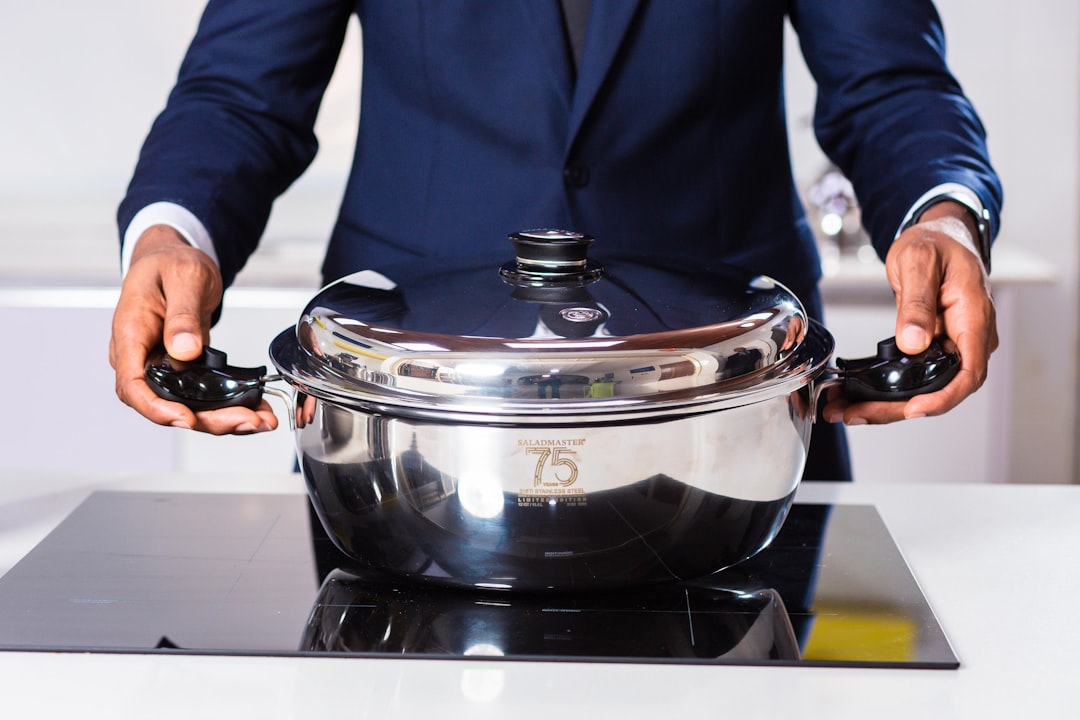
You’ve likely heard the buzz. Induction cooking. It’s the sleek, modern way to prepare your meals, promising faster heating, better control, and even a touch of futuristic flair in your kitchen. But to truly harness its power, you need the right tools. And that’s where your cookware comes into play. Specifically, ferromagnetic cookware. If you’re ready to unlock the full potential of your induction cooktop, understanding and utilizing this type of cookware is paramount. This guide will walk you through everything you need to know, ensuring your culinary adventures are efficient, enjoyable, and ultimately, delicious.
Before diving into the specifics of ferromagnetic cookware, let’s briefly recap how induction cooking works. Unlike traditional stovetops that heat a burner and then transfer that heat to your pan, induction is a more direct process. Your induction cooktop contains electromagnetic coils. When you turn it on, these coils generate an alternating magnetic field.
The Electromagnetic Dance
This magnetic field is the key. When you place a compatible pot or pan on the cooktop, the alternating magnetic field induces electrical currents within the base of the cookware itself. Think of it as a miniature electrical storm brewing right in your pan.
From Electricity to Heat: The Joule Effect
These induced electrical currents don’t just wander aimlessly. As they flow through the metal of your cookware, they encounter resistance. This resistance causes the metal to heat up directly. This phenomenon is known as Joule heating or the resistive effect. The beauty of this is that the heat is generated precisely where you need it – in the bottom of your cooking vessel. This bypasses the inefficiencies of traditional stovetops where heat is lost to the surrounding air and the cooking surface itself.
Why Not All Cookware Works: The Ferromagnetic Imperative
Here’s where the “ferromagnetic” part becomes critical. For induction to work, the cookware needs to be able to conduct and respond to the magnetic field. Specifically, it needs to be made of or contain ferromagnetic materials. These are materials that can be strongly attracted to a magnet.
What Exactly is Ferromagnetism?
Ferromagnetism is a property of certain materials, most notably iron, nickel, and cobalt, and their alloys. In these materials, individual atoms have magnetic moments that tend to align themselves parallel to each other, even in the absence of an external magnetic field. This collective alignment creates a strong magnetic field within the material itself. This is what allows your induction cooktop to “grab hold” of the cookware and induce those crucial electrical currents.
The Role of the Magnet Test
The simplest way to determine if your existing cookware is induction-compatible is the magnet test. Grab a common refrigerator magnet and see if it sticks firmly to the bottom of your pot or pan. If it does, congratulations! You likely have ferromagnetic material in its construction, and it should work on your induction cooktop. If the magnet weakly attaches or doesn’t attach at all, that cookware is likely not compatible.
Ferromagnetic cookware is essential for induction cooking, as it allows the cookware to interact with the magnetic field generated by the induction cooktop. For those interested in exploring this topic further, a related article can provide valuable insights into the science behind induction cooking and the types of materials that work best. You can read more about it in this informative piece: here.
The Science Behind Ferromagnetic Cookware
Now that you understand the basic principle of induction, let’s delve deeper into why ferromagnetic cookware is essential and the science that makes it so effective.
The Core Principle: Magnetic Permeability and Electrical Conductivity
For a material to be suitable for induction cooking, it needs two primary characteristics: high magnetic permeability and good electrical conductivity.
Magnetic Permeability: The “Magnet-Loving” Quality
Magnetic permeability is a measure of how easily a material can become magnetized. Ferromagnetic materials have very high magnetic permeability, meaning they readily allow magnetic field lines to pass through them and concentrate. This high permeability is what allows the magnetic field from your cooktop to effectively induce currents in the cookware. Without sufficient permeability, the magnetic field wouldn’t be able to “reach” the material effectively to generate the necessary heat.
Electrical Conductivity: The Pathway for Current
Once the magnetic field is induced, the cookware needs to allow electrical currents to flow through it. This is where electrical conductivity comes into play. Materials with good electrical conductivity offer little resistance to the flow of these induced currents. While ferromagnetic materials are excellent at being magnetized, their conductivity is also crucial for efficient Joule heating. Think of it like a water pipe: you need the pipe to be strong enough to hold the water (permeability) and wide enough for the water to flow easily (conductivity).
Material Breakdown: What Makes Cookware Ferromagnetic?
Most induction-compatible cookware is made from or incorporates ferromagnetic materials in its base. Here’s a look at some common culprits:
Stainless Steel: The Versatile Workhorse
Many stainless steel cookware pieces are designed with induction in mind. However, not all stainless steel is created equal.
Austenitic vs. Ferritic Stainless Steel
- Austenitic stainless steels (like 18/8 or 18/10) are non-magnetic and therefore not suitable for induction. You might have encountered these in older, less expensive cookware.
- Ferritic stainless steels are magnetic and thus ideal for induction. Many modern stainless steel cookware lines intentionally incorporate ferritic grades or clad their base with ferromagnetic layers.
Clad Construction: The Best of Both Worlds
A very common and effective approach for stainless steel induction cookware is clad construction. This involves layering different metals together. For induction, this typically means a core of aluminum or copper (for excellent heat distribution) sandwiched between layers of ferromagnetic stainless steel. The outer stainless steel layers ensure magnetic responsiveness, while the inner core provides superior heat conduction.
Cast Iron: The Enduring Classic
Cast iron is inherently ferromagnetic and has been a staple in kitchens for centuries. Its dense nature and excellent heat retention make it a fantastic choice for induction cooking.
Enameled Cast Iron: Beauty and Function
Enameled cast iron combines the magnetic properties of cast iron with a smooth, non-reactive enamel coating. This makes it easier to clean and prevent sticking compared to raw cast iron, while still being fully compatible with induction.
Carbon Steel: The Professional’s Choice
Carbon steel cookware, similar to cast iron, is also ferromagnetic and a favorite among professional chefs. It’s lighter than cast iron, heats up quickly, and develops a natural non-stick surface with seasoning.
The “Why” of Ferromagnetic Materials: Efficient Energy Transfer
The fundamental reason ferromagnetic cookware is essential for induction is its ability to efficiently transfer the magnetic energy into heat within the cookware itself.
Minimizing Energy Loss
When the alternating magnetic field from the cooktop interacts with ferromagnetic material, the energy is largely confined to the cookware’s base. This minimizes energy loss to the surrounding environment. Contrast this with a standard electric coil or radiant glass-ceramic cooktop, where a significant portion of the heat generated by the element is lost to the air before it even reaches your pot.
Direct Heat Generation
The induced currents within the ferromagnetic material directly generate heat. This means that as soon as you turn on the induction burner and place compatible cookware on it, the cookware begins to heat up. There’s no waiting for a heating element to glow red-hot. This directness translates to faster cooking times and more precise temperature control.
Identifying and Choosing Ferromagnetic Cookware
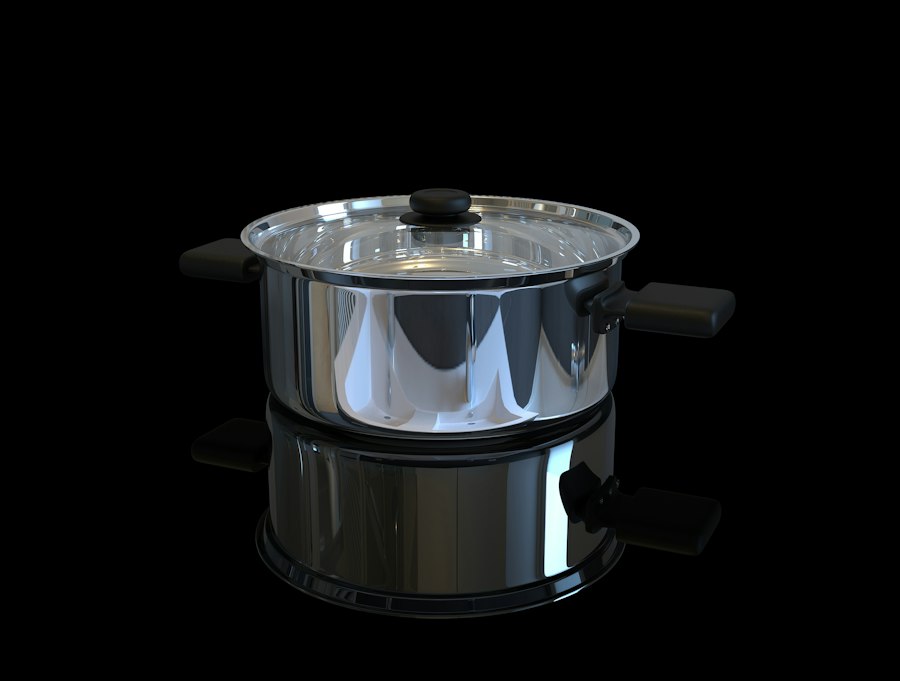
Navigating the world of cookware can be daunting, but for induction cooking, the key is straightforward: look for the “induction compatible” label or perform the magnet test.
The Indispensable Magnet Test
As mentioned, this is your first and most reliable line of defense.
How to Perform the Magnet Test Effectively
- Grab a strong magnet: A standard refrigerator magnet should suffice, but a stronger magnet from a hardware store will give you a more definitive result.
- Test the base: Place the magnet firmly against the bottom of the pot or pan.
- Observe the attraction:
- Strong attraction: The magnet sticks firmly. This cookware is very likely induction compatible.
- Weak attraction: The magnet sticks but can be easily dislodged. This cookware might work, but efficiency might be compromised.
- No attraction: The magnet doesn’t stick at all. This cookware is not induction compatible.
Labels and Symbols: Your Visual Cues
Manufacturers are aware of the need for clarity, so many will explicitly label their induction-compatible cookware.
The Induction Symbol: A Universal Indicator
Look for a symbol that resembles a series of vertical coils or a stylized “induction” logo. This is a clear indication that the product has been designed and tested for use with induction cooktops. You’ll often find this on the packaging, the underside of the cookware, or in the product description if you’re shopping online.
Understanding Cookware Construction for Induction
Beyond just the material, the construction of your cookware plays a vital role in its performance on an induction cooktop.
Base Thickness and Flatness: Crucial for Contact
- Thick Bases: Thicker bases tend to distribute heat more evenly and are less prone to warping, which is essential for maintaining good contact with the induction surface.
- Flat Bases: A perfectly flat base ensures maximum surface contact with the induction coil. Even slight warping can lead to uneven heating and reduced efficiency. If your magnet test reveals a slight wobble on a slightly warped pan, it might still heat, but not as well as a truly flat one.
Multi-Ply Construction: Engineered for Performance
Many high-quality induction cookware pieces utilize multi-ply or clad construction.
Stainless Steel with Aluminum or Copper Core
- Benefits: This combination offers the best of both worlds. The ferromagnetic stainless steel exterior ensures magnetic responsiveness, while the aluminum or copper core provides excellent thermal conductivity for even heat distribution. You’ll often see 3-ply, 5-ply, or even 7-ply constructions, each offering progressively better heat performance.
Solid Ferromagnetic Materials
- Examples: While less common for the entire pan, solid cast iron and carbon steel are excellent single-material options. Their inherent ferromagnetic properties make them ideal.
Avoiding Common Pitfalls: What to Steer Clear Of
Not all cookware marketed for “all stovetops” is truly induction-compatible.
Non-Ferrous Metals: Aluminum and Copper (Without a Ferromagnetic Layer)
Pure aluminum and pure copper are excellent conductors of heat, but they are not ferromagnetic. If a pot or pan is made solely of these materials without a ferromagnetic base, it will not work on an induction cooktop.
Glass and Ceramic Cookware: A No-Go for Induction
Glass and ceramic cookware are insulators and do not respond to magnetic fields, making them entirely incompatible with induction cooking.
Cookware with Rounded or Warped Bases: Compromised Efficiency
As mentioned, significant warping or rounded bases will prevent optimal contact with the induction surface, leading to inefficient heating and potentially damaging your cooktop.
Maximizing Efficiency: Tips for Induction Cooking with Ferromagnetic Cookware
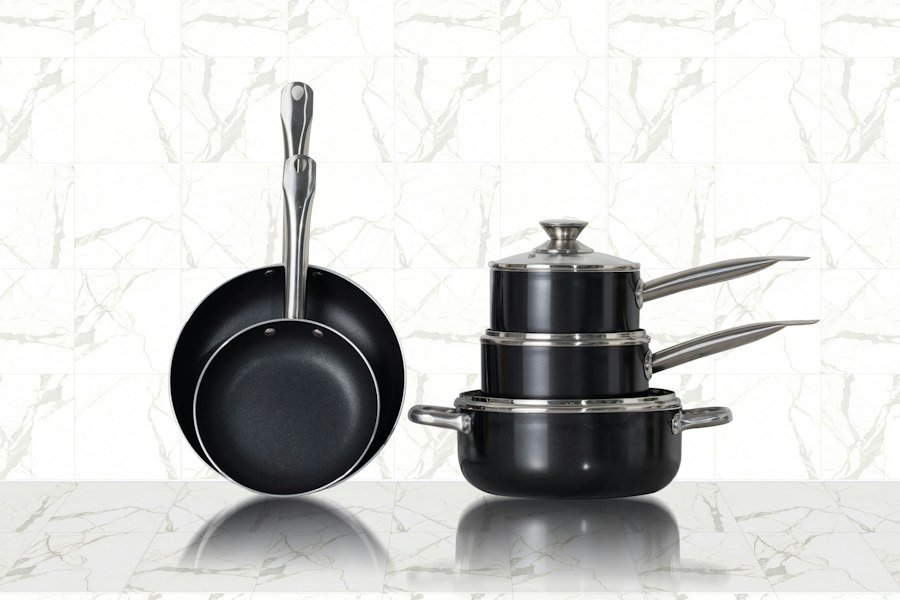
Once you’ve equipped yourself with the right ferromagnetic cookware, you can take steps to further enhance your induction cooking experience.
Preheating Wisely: The Induction Advantage
Induction heats up incredibly fast, which means you need to adjust your preheating habits.
The Quick Heat-Up
With induction, you can often skip the lengthy preheating of traditional stovetops. Place your ferromagnetic cookware on the designated burner and turn on the heat. You’ll notice it heats up much faster.
Preventing Overheating
Be mindful of high heat settings during preheating. Because the heat is so direct, it’s easier to scorch food if you preheat too long or too high.
Temperature Control: Precision at Your Fingertips
One of the most celebrated aspects of induction is its precise temperature control.
The Responsive Dial
Your induction cooktop’s controls are highly responsive. A slight adjustment to the power setting will have an immediate impact on the temperature of your cookware.
Understanding Power Levels
Instead of just “low,” “medium,” and “high,” many induction cooktops offer numerical power levels. Familiarize yourself with what these levels mean for different cooking tasks. For example, a low number might be perfect for simmering, while a higher number is for searing.
Matching Cookware Size to Burner Size: Optimal Energy Transfer
For the most efficient energy transfer, the diameter of your ferromagnetic cookware should closely match the diameter of the induction burner.
Why Size Matters
The electromagnetic field generated by the burner is designed to interact most effectively with cookware of a specific size. When your cookware is too small, you’re not utilizing the full power of the burner. If it’s too large, the edges might not heat as effectively.
Using Reducers (If Necessary)
Some induction cooktops come with magnetic reducers that can be placed on the burner to help smaller ferromagnetic pans heat more efficiently. However, using cookware that naturally fits the burner is always the most efficient option.
Maintaining Your Cookware: Longevity and Performance
Proper care of your ferromagnetic cookware will ensure its continued performance and longevity on your induction cooktop.
Cleaning Practices
- Gentle Cleaning: For most ferromagnetic cookware, a soft sponge and mild dish soap are sufficient.
- Avoid Abrasives: Harsh scrubbing pads or abrasive cleaners can damage the cooking surface, especially on enameled cast iron or specialized coatings.
- Immediate Drying: Dry your cookware thoroughly after washing to prevent water spots and potential rust, especially for cast iron and carbon steel.
Storing Your Cookware
- Prevent Scratches: Store your ferromagnetic cookware with pan protectors or dividers to prevent scratching the interior surfaces.
- Avoid Stacking Directly: Never stack heavy cookware directly on top of lighter pieces without protection.
Ferromagnetic cookware is essential for induction cooking, as it allows for efficient heat transfer directly to the pot or pan. If you’re interested in learning more about the science behind how induction cooking works and the materials that are best suited for it, you can check out this informative article on Freaky Science. Understanding the properties of ferromagnetic materials can greatly enhance your cooking experience and ensure that you are using the right tools for your kitchen.
Beyond the Basics: Advanced Induction Techniques with Ferromagnetic Cookware
| Metric | Value | Unit | Notes |
|---|---|---|---|
| Magnetic Permeability | High | Relative | Essential for induction compatibility |
| Typical Thickness | 1.5 – 3 | mm | Base thickness for optimal heat conduction |
| Heat Transfer Efficiency | 80 – 90 | % | Compared to traditional electric cooking |
| Maximum Operating Temperature | 250 – 300 | °C | Depends on cookware material and coating |
| Induction Compatibility Test | Positive | Boolean | Confirmed by magnet stick test |
| Weight | 1.2 – 3.5 | kg | Varies by size and material |
| Durability | High | Qualitative | Resistant to warping and corrosion |
| Typical Materials | Cast Iron, Stainless Steel (magnetic grade) | Text | Ferromagnetic metals suitable for induction |
Once you’re comfortable with the fundamentals, you can explore more advanced techniques that leverage the unique capabilities of induction and ferromagnetic cookware.
Simmering and Gentle Cooking: Unparalleled Control
The ability to maintain very low, consistent temperatures makes induction ideal for delicate tasks.
The Art of the Low Simmer
Whether you’re making a delicate sauce, poaching fish, or slowly braising, induction allows you to achieve a perfect, gentle simmer with minimal fluctuation. This is where ferromagnetic cookware truly shines, providing a stable heat base.
Melting Chocolate and Tempering Eggs
These tasks require precise temperature control to prevent burning or curdling. Induction’s responsiveness, combined with a good ferromagnetic pan, allows you to melt chocolate gently or temper eggs without fear of overheating.
Searing and Browning: Achieving the Perfect Crust
Despite its gentle simmering capabilities, induction can also deliver intense heat for searing.
High-Heat Searing
Ferromagnetic cookware, especially cast iron and carbon steel, can withstand high temperatures and develop a fantastic sear. The direct heat transfer of induction ensures that the pan reaches searing temperatures quickly and maintains them.
Creating the Maillard Reaction
The Maillard reaction, responsible for the browning and complex flavors in many dishes, requires high heat. Induction, with its ferromagnetic cookware, is exceptionally good at achieving and sustaining these temperatures, leading to beautifully seared meats and vegetables.
Stir-Frying: The Fast and Furious Method
The rapid heating and cooling capabilities of induction are perfect for the energetic demands of stir-frying.
Quick Heating of Wok
If you have a round-bottomed wok with a ferromagnetic adapter, or a flat-bottomed induction-compatible wok, you can achieve the high heat necessary for authentic stir-frying. The rapid temperature changes allow for ingredients to cook quickly while retaining their crispness.
Strategic Ingredient Addition
With the speed of induction, you’ll learn to add ingredients in stages, allowing each element to cook to perfection before the next is introduced. This is a hallmark of good stir-frying, and induction makes it more achievable.
Deglazing and Pan Sauces: Capturing Flavor
The efficient heating and cooling of induction make it a dream for creating deglazed sauces.
Swift Reduction
After searing, you can quickly reduce the heat to deglaze the pan with liquids like wine or stock. The direct heat transfer ensures that the liquid evaporates efficiently, concentrating the flavorful fond at the bottom of the pan.
Building Flavor Layers
The ability to control temperature precisely allows you to build complex flavors in your pan sauces, simmering and reducing as needed to achieve the perfect consistency and taste.
The Future of Your Kitchen: Embracing Efficient Induction Cooking
You’ve now embarked on a journey to understand and master efficient induction cooking with ferromagnetic cookware. It’s more than just a new appliance; it’s a paradigm shift in how you approach your culinary endeavors.
The Environmental and Economic Benefits
Beyond the sheer convenience and control, efficient induction cooking also offers significant benefits for your wallet and the environment.
Energy Efficiency
As we’ve discussed, induction is remarkably energy-efficient. Less wasted heat means less electricity consumed, leading to lower utility bills over time. This makes it an attractive option for the eco-conscious home chef.
Faster Cooking Times
The quicker heating and cooking times not only save you time in the kitchen but also contribute to energy savings by reducing the overall duration of appliance usage.
Investing in the Right Cookware: A Long-Term Strategy
Choosing ferromagnetic cookware is not just about immediate compatibility; it’s an investment in the long-term performance and enjoyment of your induction cooktop.
Durability and Longevity
High-quality ferromagnetic cookware is often built to last. Materials like cast iron and well-constructed clad stainless steel can serve you for decades, making them a sustainable choice.
Enhanced Culinary Results
The precision, responsiveness, and even heating provided by the right cookware will elevate your cooking. You’ll find yourself experimenting more, achieving better results, and enjoying the process more thoroughly.
Conclusion: Your Induction Journey Awaits
You are now equipped with the knowledge to confidently select and utilize ferromagnetic cookware for your induction cooktop. Remember the magnet test, look for the labels, and understand the materials that make it all work. Embrace the speed, the precision, and the efficiency that induction offers. Your kitchen is about to become a more dynamic, responsive, and ultimately, more delicious place. So, go forth, experiment, and savor the fruits of your efficient induction cooking.
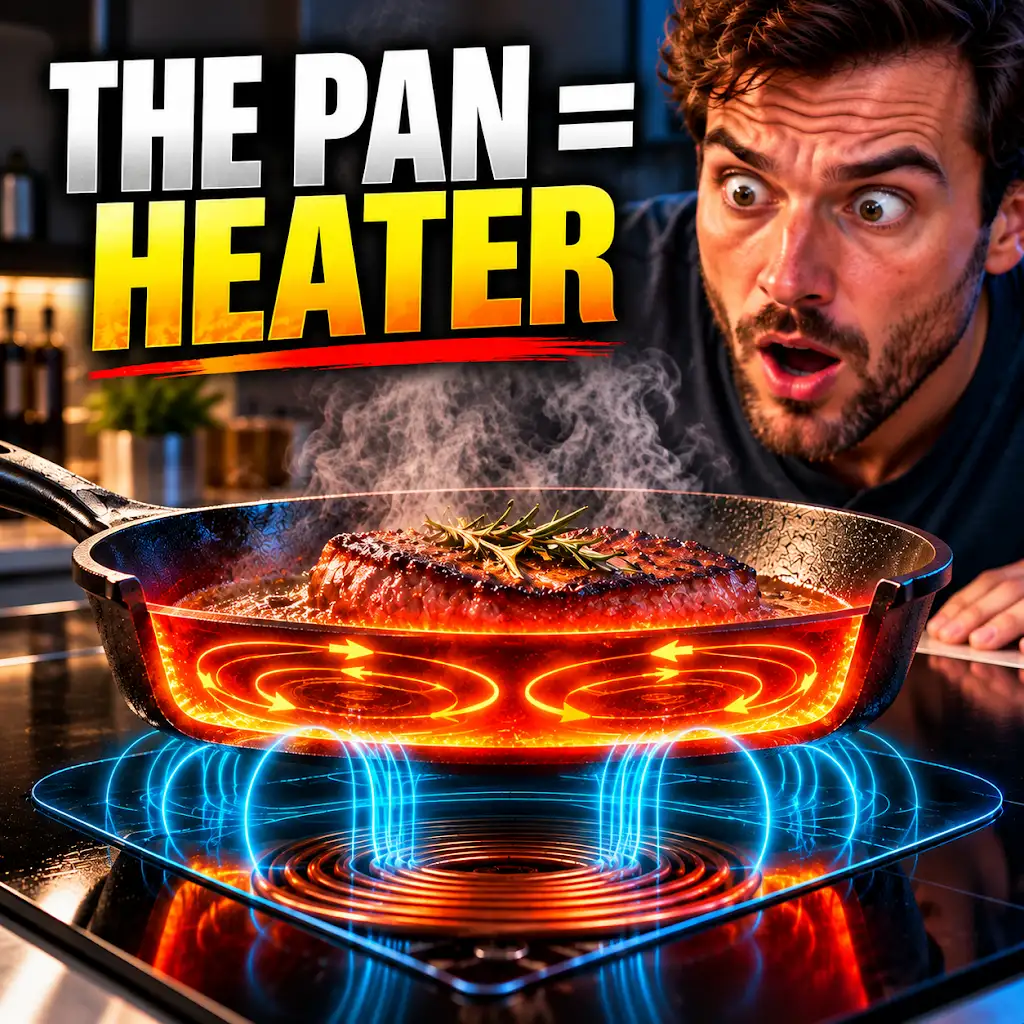
The Pan Is the Heater: How Induction Cooking Really Works
FAQs
What is ferromagnetic cookware?
Ferromagnetic cookware is made from materials that contain iron, such as cast iron or magnetic stainless steel, which are compatible with induction cooking.
How does induction cooking work with ferromagnetic cookware?
Induction cooking uses electromagnetic fields to directly heat the cookware, making it essential for the cookware to be ferromagnetic in order to generate heat.
What are the benefits of using ferromagnetic cookware for induction cooking?
Ferromagnetic cookware heats up quickly and efficiently, provides precise temperature control, and is energy-efficient compared to traditional cooking methods.
Can any type of cookware be used for induction cooking?
No, only cookware that is ferromagnetic can be used for induction cooking. Non-ferromagnetic materials like aluminum, copper, and glass will not work on induction cooktops.
Is ferromagnetic cookware safe to use for induction cooking?
Yes, ferromagnetic cookware is safe to use for induction cooking as long as it is in good condition and used properly according to the manufacturer’s instructions.