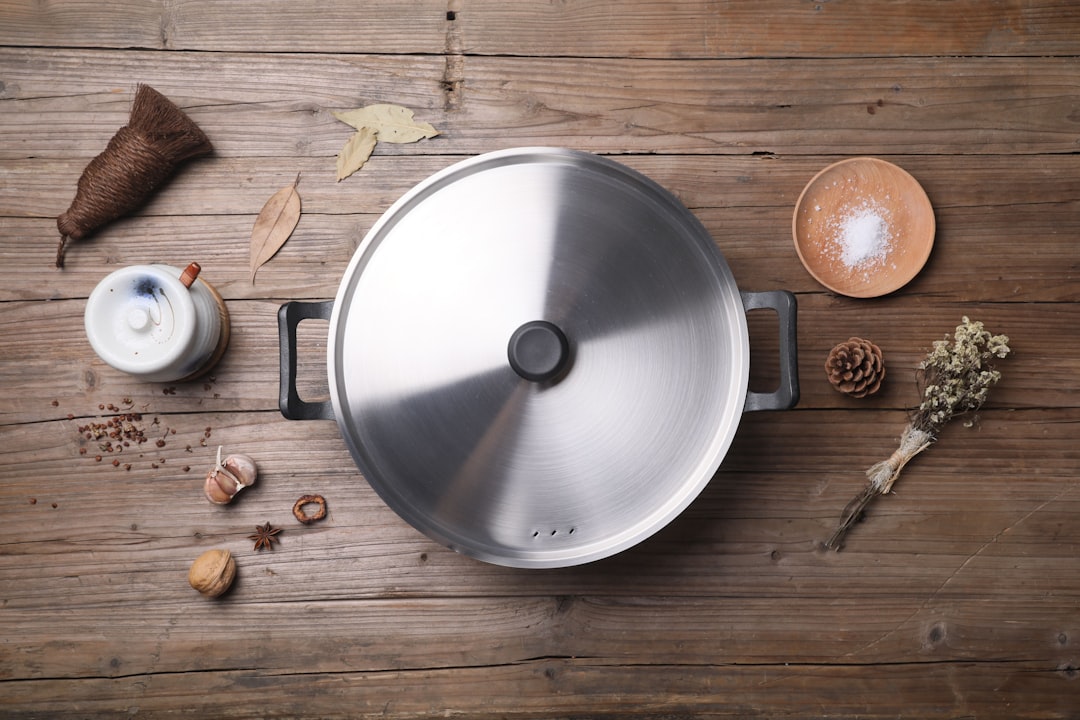
You’ve probably heard the buzz. Induction cooking is the future, they say. Sleek, efficient, and lightning-fast. But to truly harness its power, you need the right cookware. And when it comes to induction, there’s one material that consistently rises to the top: stainless steel. You might be wondering why. Isn’t all cookware pretty much the same? The answer, as you’ll soon discover, is a resounding no. Stainless steel isn’t just good for induction; it’s often the ideal choice, a perfect marriage of metallurgy and modern culinary technology. You’re about to delve into the reasons why this workhorse of the kitchen is the undisputed champion for your induction cooktop.
You see your induction cooktop, a smooth, glassy surface that seems to magically heat your pan. It’s not magic, of course. It’s science, and it hinges on a fundamental property of stainless steel: magnetism. Understanding this relationship is key to appreciating why your stainless steel pots and pans are so well-suited for this innovative cooking method.
Demystifying the Induction Process
Before we get into the specifics of stainless steel, let’s take a moment to understand how induction cooking functions. Unlike traditional electric or gas stoves that generate heat and then transfer it to your cookware, induction cooktops create heat directly within the base of your pan. It’s a more direct and efficient process, meaning less wasted energy and faster cooking times. You’ve likely experienced this yourself – how quickly water boils or how responsive the heat is when you adjust the setting. This directness is the primary advantage of induction.
The Role of Electromagnetic Fields
At the heart of your induction cooktop lies an electromagnet. When you turn the cooktop on, an alternating electric current is passed through a coil beneath the ceramic glass surface. This creates a rapidly oscillating electromagnetic field. This field is what interacts with your cookware, but only if the cookware is made of a specific type of material. Think of it like a radio wave that only your tuned-in radio can pick up.
The Direct Heat Generation
This electromagnetic field penetrates the base of your induction-compatible cookware. Within the metal of the pan’s base, eddy currents are induced. These are swirling electrical currents that are generated within the conductive material. As these eddy currents flow through the resistance of the metal, they generate heat. This is resistive heating, and it happens directly within the pan itself. You’re not waiting for the stovetop to heat up and then transfer that heat; the pan is generating its own heat internally. This is a fundamental difference that leads to incredible efficiency.
Why Magnetism is Non-Negotiable
This brings us back to the crucial element: magnetism. Not all cookware materials will respond to the electromagnetic field generated by an induction cooktop. For eddy currents to be induced and generate heat, the cookware needs to be ferromagnetic, meaning it needs to be attracted to a magnet. This is where stainless steel shines.
The Ferromagnetic Connection
Stainless steel, specifically certain types of it, possesses ferromagnetic properties. This means it can be magnetized and, more importantly for induction, it strongly interacts with the electromagnetic field. When you place a stainless steel pan on an induction cooktop, the magnetic field from the coil aligns the magnetic domains within the stainless steel. This alignment is what allows the eddy currents to form and generate heat. Without this magnetic connection, the electromagnetic field would simply pass through the cookware, and nothing would happen. You might have seen people test cookware with a magnet – if it sticks, it’s likely induction-compatible.
Non-Ferromagnetic Materials Fall Flat
Materials like aluminum, copper, and glass, while excellent heat conductors in their own right, are not ferromagnetic. They do not respond to the magnetic field in the way required for induction heating. While some manufacturers create “induction-compatible” cookware from these materials by adding a ferromagnetic layer to the base, pure stainless steel offers this property intrinsically, making it a natural fit. This inherent compatibility is a significant advantage.
Stainless steel is a popular choice for cookware used on induction cooktops due to its magnetic properties, which allow it to efficiently transfer heat. The induction process relies on magnetic fields to generate heat directly in the cookware, making materials like stainless steel ideal for this cooking method. For a deeper understanding of how stainless steel interacts with induction technology and the science behind it, you can read more in this related article: Freaky Science.
The Heat Distribution Advantage: A Symphony of Even Cooking
It’s one thing for your pan to get hot, but it’s quite another for it to get hot evenly. This is where stainless steel truly excels, especially on an induction cooktop. The way stainless steel interacts with the direct heat generation of induction leads to a cooking experience that’s a joy to behold, reducing hot spots and ensuring consistent results.
The Marvel of Even Heat Distribution
The allure of induction is its precision. You can dial in an exact temperature, and your food cooks consistently. However, this precision is only truly realized if your cookware can evenly distribute that heat. Stainless steel, when paired with induction, delivers on this promise magnificently.
Resistance and Eddy Currents Working Together
The heat generated within the base of your stainless steel pan by eddy currents isn’t static. It’s distributed throughout the metal. The electrical resistance of the stainless steel, which is what causes the heat in the first place, also plays a role in how that heat spreads. The eddy currents flow through the entire conductive base, and the resulting heat is then conducted throughout the material. This continuous generation and distribution create a remarkably uniform temperature across the entire cooking surface.
The Role of the Stainless Steel Alloy
Not all stainless steel is created equal, and this is particularly true for cookware. The specific alloy composition of stainless steel significantly impacts its heat conductivity and distribution properties. For cookware, a common choice is 18/8 or 18/10 stainless steel, referring to the chromium and nickel content. These alloys offer good corrosion resistance and durability, but more importantly for cooking, they contribute to a more even heat spread compared to some other metals.
Minimizing Hot Spots for Superior Results
You’ve likely encountered the frustration of hot spots. That one section of your pan that seems to burn everything, while the rest of your food barely cooks. This is a common issue with cookware that doesn’t distribute heat well. Stainless steel, particularly when designed for induction, actively combats this problem.
The Conductive Nature of Steel
While stainless steel isn’t the absolute best heat conductor compared to pure copper or aluminum, its conductive properties are more than sufficient when combined with induction’s direct heating. The heat generated at the magnetic interface quickly spreads throughout the stainless steel base, preventing the intense localized heating that can lead to scorching. This even spread means your food cooks uniformly, from the center of the pan to the edges.
Multi-Ply Construction for Enhanced Performance
Many high-quality stainless steel induction-compatible pans utilize a multi-ply construction. This typically involves layers of stainless steel sandwiching a core of highly conductive material, such as aluminum or copper. While the outer layers are ferromagnetic for induction compatibility, the conductive core acts as a heat spreader, further enhancing the even distribution of heat. This combination leverages the best of both worlds: the magnetic properties of stainless steel for induction and the superior conductivity of other metals for heat management. You’ll find that pans with this construction offer an exceptional cooking experience.
Durability and Longevity: A Kitchen Companion for Years to Come
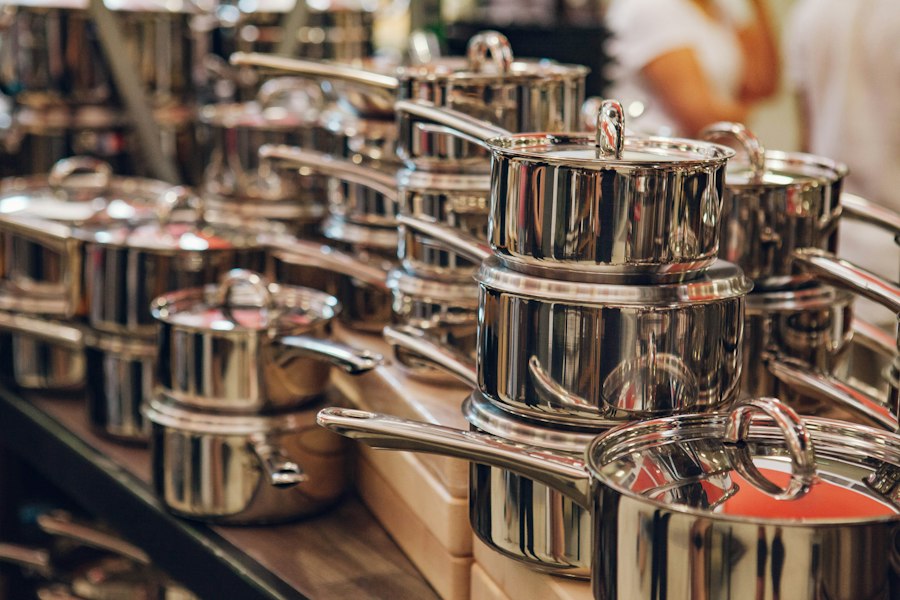
When you invest in cookware, you want it to last. You want it to withstand the rigors of daily use, the occasional mishap, and still perform beautifully. Stainless steel, with its inherent toughness and resistance to wear and tear, is a champion in this regard, making it a wise long-term choice for your induction cooktop.
The Resilience of Stainless Steel
Stainless steel has earned its reputation as a workhorse for a reason. It’s not a fragile material that needs to be handled with kid gloves. You can scrub it, stir vigorously, and it will stand up to the challenge. This robustness is a significant advantage, especially for busy home cooks.
Resistance to Corrosion and Rust
The “stainless” in stainless steel refers to its remarkable resistance to corrosion and rust. This is due to the presence of chromium in the alloy, which forms a thin, invisible protective oxide layer on the surface. This layer self-heals if scratched, preventing the formation of rust spots that can mar the appearance and integrity of your cookware. For induction cookware, this means your pans will maintain their attractive appearance and functionality for years, even with frequent use and exposure to moisture. You won’t have to worry about unsightly rust or pitting developing.
Withstanding High Temperatures
Induction cooktops can reach very high temperatures very quickly. Stainless steel is inherently capable of withstanding these high temperatures without warping, degrading, or releasing harmful fumes. Unlike some plastics or coatings that can melt or break down under extreme heat, stainless steel remains stable and safe. This allows you to confidently sear meats, caramelize sugars, and perform other high-heat cooking techniques without concern for your cookware’s integrity.
Maintaining Your Cookware’s Performance
Beyond just resisting damage, stainless steel is also relatively easy to maintain, ensuring it continues to perform optimally on your induction cooktop. This ease of care contributes to its overall longevity.
Easy Cleaning and Maintenance
While some cookware materials can be finicky to clean, stainless steel is generally straightforward. Most spills and cooked-on food can be removed with a good scrubbing sponge and dish soap. For more stubborn stains, a specialized stainless steel cleaner or a paste of baking soda and water can work wonders. You won’t have to spend excessive time or effort keeping your induction cookware in pristine condition. This practicality is a major plus for any busy kitchen.
Resistance to Stains and Discoloration
Over time, other cookware materials can become stained or discolored, affecting their appearance and sometimes their performance. Stainless steel is much more resistant to these issues. While some minor discoloration can occur due to mineral deposits from water or certain cooking ingredients, these are typically easily removed. This means your stainless steel pans will continue to look and cook well, maintaining their aesthetic appeal and functionality for the long haul. You won’t have to worry about them looking tired and worn out after just a few months.
Versatility Beyond Induction: A Multitasker in Your Kitchen
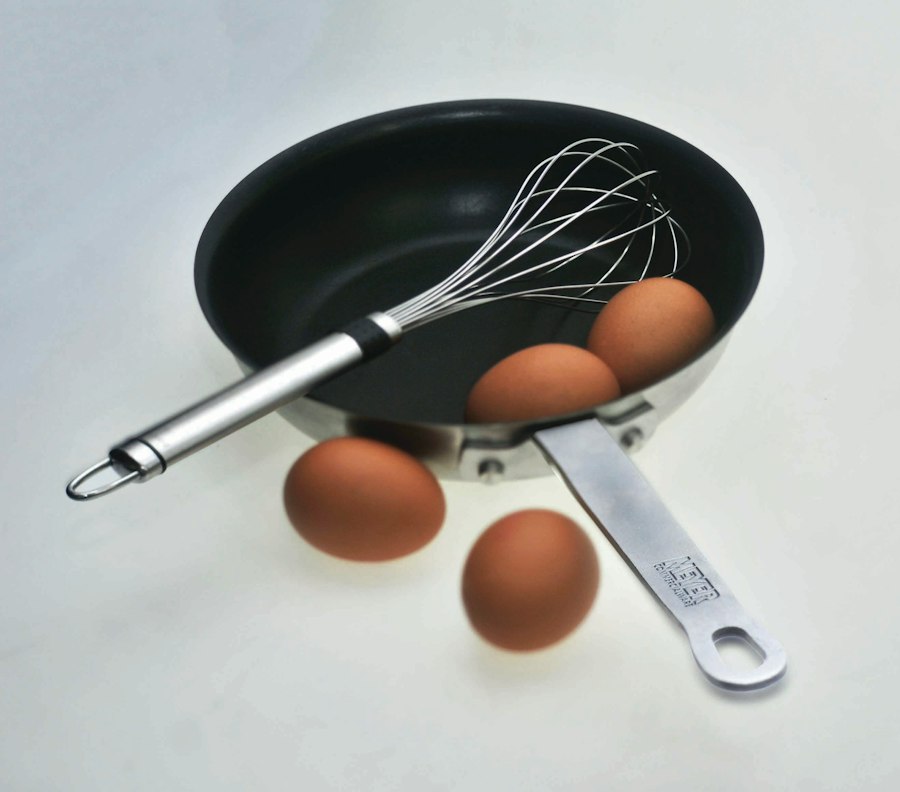
While we’re focusing on induction, it’s important to note that stainless steel cookware isn’t a one-trick pony. Its inherent qualities make it a versatile choice that can perform admirably on a variety of cooktops, offering you flexibility in your kitchen setup.
Compatibility with Other Cooking Methods
Your stainless steel cookware isn’t exclusively tied to your induction cooktop. You can confidently use it on other appliances, which is a great convenience if you ever have to cook on a different stove or use it in a restaurant kitchen.
Gas and Electric Stovetop Performance
Because stainless steel is ferromagnetic and generally a good conductor, it works very well on gas and electric coil cooktops as well. The heat from these sources is transferred to the pan, and the stainless steel then distributes it evenly. This means that your investment in quality stainless steel cookware for induction will serve you well even if you have to use a different type of stove.
Oven and Broiler Safe Applications
Many stainless steel cookware pieces are also oven-safe and broiler-safe. This means you can start a dish on the stovetop and then transfer it directly to the oven to finish cooking or to achieve a beautiful browning. This seamless transition from stovetop to oven is a valuable feature that many home cooks appreciate. Always check the manufacturer’s specifications for specific temperature limits and oven-safe designations.
A Foundation for Various Culinary Techniques
The even heating and durability of stainless steel make it suitable for a wide range of cooking techniques, allowing you to explore various culinary endeavors without needing specialized cookware for each.
Searing, Sautéing, and Simmering
From searing a steak to a delicate sauté of vegetables, stainless steel handles these tasks with ease. The even heat distribution prevents sticking and promotes uniform browning, while the durable surface can withstand the friction of stirring and flipping. When you’re simmering a sauce or stew, the consistent heat ensures that your ingredients cook gently and evenly without scorching.
Baking and Roasting Applications (with appropriate pieces)
Certain stainless steel pieces, like roasting pans or baking sheets, are specifically designed for oven use. Their ability to withstand high temperatures and distribute heat evenly makes them excellent choices for baking cookies, roasting vegetables, or preparing casseroles. Again, always refer to the manufacturer’s guidelines for oven-safe designations.
Stainless steel is a popular choice for induction cookware due to its magnetic properties, which allow it to efficiently heat up when placed on an induction cooktop. This is because induction cooking relies on magnetic fields to generate heat directly in the cookware. For a deeper understanding of how this process works and the science behind it, you can read more in this informative article on Freaky Science. The combination of iron in stainless steel and the unique design of induction cooktops makes them a perfect match for modern cooking needs.
The Aesthetic and Health Aspects: Cooking with Confidence and Style
| Metric | Description | Relevance to Induction Cooking |
|---|---|---|
| Magnetic Permeability | Ability of stainless steel to support magnetic field lines | High permeability allows induction cooktops to generate heat effectively |
| Electrical Conductivity | Measure of how well stainless steel conducts electricity | Moderate conductivity helps induce eddy currents for heating |
| Grade of Stainless Steel | Type of stainless steel (e.g., 304, 316, 430) | Ferritic grades (like 430) are magnetic and work well on induction; Austenitic grades (like 304) are less magnetic |
| Thickness of Cookware Base | Thickness of the stainless steel layer in contact with the induction coil | Thicker bases improve heat distribution and induction efficiency |
| Surface Finish | Smoothness and flatness of the cookware base | Ensures good contact with induction cooktop for efficient energy transfer |
| Curie Temperature | Temperature at which stainless steel loses its magnetic properties | Below Curie temperature, stainless steel remains magnetic and suitable for induction |
Beyond the practicalities of performance, stainless steel also offers benefits in terms of appearance and health. Its sleek, modern look complements any kitchen décor, and its non-reactive nature ensures that your food remains pure and untainted.
The Sleek and Modern Appeal
Stainless steel cookware has a timeless, sophisticated look that can elevate the aesthetics of your kitchen. It has a clean, metallic sheen that is both practical and visually appealing.
Timeless Design for Any Kitchen
Whether your kitchen is ultra-modern or more traditional, stainless steel cookware tends to fit in seamlessly. Its understated elegance doesn’t shout for attention but rather adds a touch of professional quality to your cooking space. It’s a look that never goes out of style.
Easy to Keep Looking New
With its resistance to staining and tarnishing, stainless steel cookware is relatively easy to keep looking as good as new. Regular cleaning and occasional polishing will ensure your pans maintain their attractive appearance, adding to the overall appeal of your kitchen. You won’t have to hide your cookware away; you’ll want to display it.
A Healthy Choice for Your Culinary Creations
When it comes to cooking, the health of your food is paramount. Stainless steel offers peace of mind in this regard due to its non-reactive nature.
Non-Reactive Surface for Pure Flavors
Unlike some other cookware materials, stainless steel is non-reactive. This means it won’t interact with acidic foods like tomatoes, lemon juice, or wine. This is crucial because it prevents any metallic taste from leaching into your food, ensuring that the true flavors of your ingredients shine through. You can cook with confidence, knowing that your cookware is not altering the taste of your dishes.
No Leaching of Harmful Chemicals
High-quality stainless steel cookware is inert and does not leach harmful chemicals into your food, even when exposed to high temperatures. This is a significant health advantage over cookware with certain types of non-stick coatings or reactive metals that can degrade over time and potentially release unwanted substances into your meals. You can feel good about the food you’re preparing for yourself and your family.
Free from PFOA and PTFE Concerns
Many stainless steel pans are naturally free from perfluorooctanoic acid (PFOA) and polytetrafluoroethylene (PTFE), chemicals often found in traditional non-stick coatings. While modern non-stick coatings have improved significantly, some consumers still prefer to avoid these chemicals altogether. Stainless steel provides a reliable and healthy alternative for everyday cooking. This peace of mind is invaluable for health-conscious individuals.
In conclusion, your stainless steel cookware is far more than just a vessel to hold food. It’s a finely tuned instrument designed to work in perfect harmony with the advanced technology of your induction cooktop. From its fundamental magnetic properties that enable direct heat transfer to its ability to distribute that heat evenly, minimize hot spots, and withstand the rigors of your kitchen, stainless steel proves itself to be the ideal partner for induction cooking. Its durability ensures it will be a reliable companion for years, its versatility extends its utility beyond induction, and its aesthetic and health benefits add further layers of value. So, the next time you’re reaching for a pot or pan, remember the science and craftsmanship that make stainless steel the undisputed champion for your induction cooking journey. You’re not just cooking; you’re cooking with intelligence and efficiency.
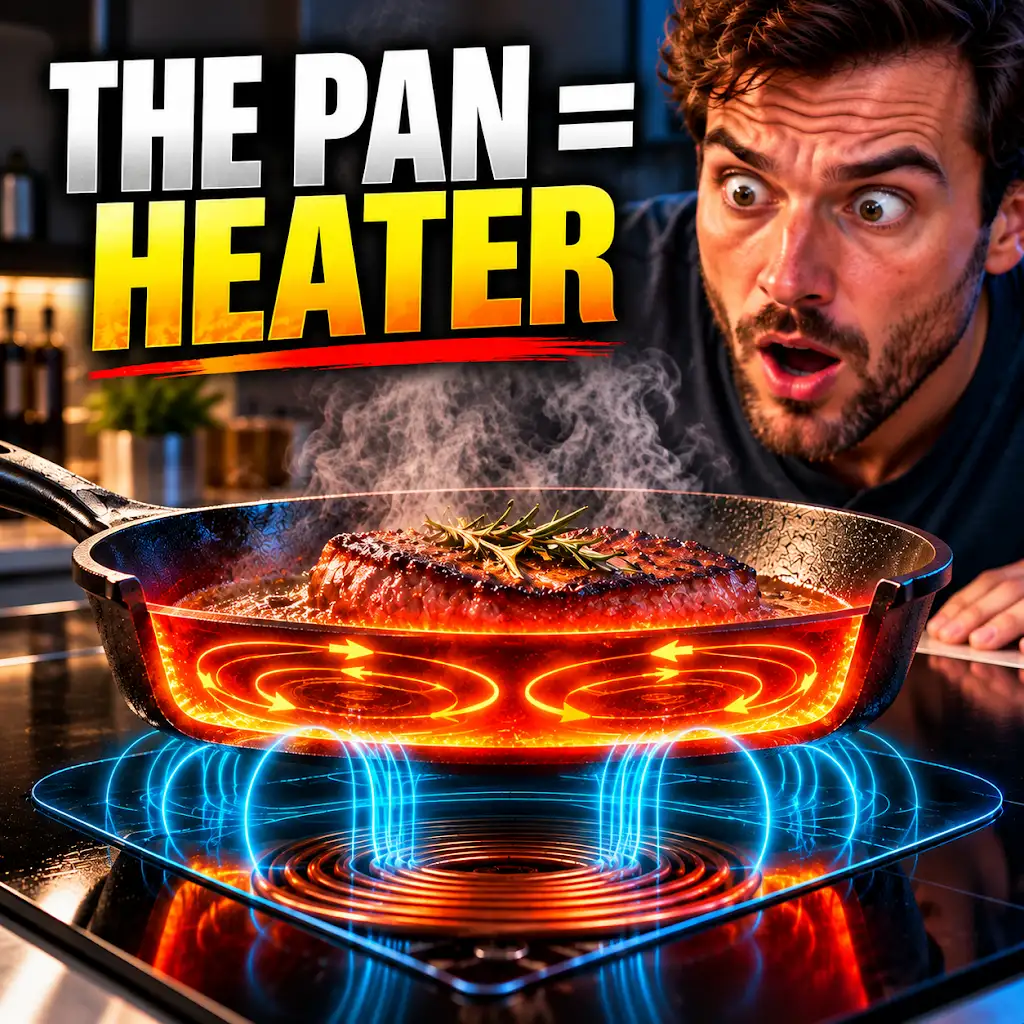
The Pan Is the Heater: How Induction Cooking Really Works
FAQs
What is induction cooking?
Induction cooking is a method of cooking that uses electromagnetic energy to heat cookware directly, rather than relying on a flame or electric heating element.
Why does stainless steel work well on induction cooktops?
Stainless steel is a magnetic material, which allows it to work effectively on induction cooktops that rely on magnetic fields to generate heat in the cookware.
Is all stainless steel induction-compatible?
Not all stainless steel cookware is induction-compatible. To work on induction cooktops, the stainless steel must contain a sufficient amount of iron to be magnetic.
What are the benefits of using stainless steel on induction cooktops?
Stainless steel is durable, non-reactive, and easy to clean, making it a popular choice for induction cooking. It also heats up quickly and evenly, providing consistent cooking results.
Are there any drawbacks to using stainless steel on induction cooktops?
One potential drawback of using stainless steel on induction cooktops is that it can be more expensive than other types of cookware. Additionally, stainless steel may not be as non-stick as other materials, requiring more oil or butter for cooking.