
You’re standing in your kitchen, admiring the sleek, seamless surface of your induction cooktop. It’s a marvel of modern design, a far cry from the clunky coil burners of the past. But have you ever stopped to wonder what’s actually happening beneath that elegant glass? What are the secrets that allow this technology to heat your pans so quickly and efficiently, seemingly without any visible heat source? You might be surprised to discover the intricate dance of physics and engineering that makes your induction cooktop such a culinary powerhouse.
At the heart of your induction cooktop lies a principle you might remember from your science classes: electromagnetic induction. It’s a fascinating phenomenon that bypasses the need for a direct heating element and instead directly energizes your cookware. Imagine it as a silent, invisible hand reaching up from the cooktop to stir the very molecules within your pots and pans, generating heat from within.
The Magic of Electromagnetism
You see, beneath that smooth glass surface, there are coils of copper wire. When you turn on your induction cooktop, an alternating electrical current is passed through these coils. This rapidly changing current creates a fluctuating magnetic field. Think of it like a tiny, invisible dynamo generating waves of magnetic energy. This magnetic field extends upwards, passing through the glass, and interacts directly with the material of your cookware.
Magnetic Fields and Eddy Currents
The key to induction cooking is that your cookware must be made of a ferromagnetic material. This means it needs to contain iron, which is highly susceptible to magnetic fields. When the fluctuating magnetic field from the cooktop interacts with the iron in your pan, it induces small electrical currents within the pan itself. These are known as eddy currents. These eddy currents, essentially tiny electrical loops within the metal, encounter resistance as they flow. And as any electrical circuit with resistance experiences, this resistance generates heat. It’s a direct transfer of energy, making the pan itself the heating element.
Why Not All Pans Work
This is precisely why your old aluminum or copper pans might not work on an induction cooktop. While they conduct heat well, they aren’t typically ferromagnetic. The magnetic field simply passes through them without inducing significant eddy currents. To test if a pan is induction-compatible, you can usually perform a simple magnet test: if a magnet sticks firmly to the bottom of the pan, it’s likely induction-ready.
When considering the technology behind induction cooktops, it’s essential to understand the components that lie beneath their sleek surfaces. An interesting article that delves into the science of induction cooking and the materials used in these cooktops can be found at Freaky Science. This resource provides insights into how induction cooktops work, including the role of electromagnetic fields and the types of cookware that are compatible with this innovative cooking method.
The Anatomy of an Induction Cooktop: What Lies Beneath the Surface
Beyond the electromagnetic coils, your induction cooktop is a sophisticated piece of technology, packed with components designed for safety, efficiency, and user-friendliness. It’s a layered design, with each part playing a crucial role in the overall operation.
The Glass-Ceramic Surface
The most visible component, the glass-ceramic surface, is more than just a pretty face. It’s engineered to withstand high temperatures and thermal shock – the rapid changes in temperature that occur during cooking. This material is also non-magnetic and a poor conductor of heat, meaning it stays relatively cool to the touch, even when a pan is actively heating on it. This contributes significantly to the safety features of induction cooktops.
The Induction Coils
As mentioned, these copper coils are the engine of the induction process. They are precisely positioned beneath the cooking zones to create focused magnetic fields. The size and shape of these coils are carefully designed to match the cooking zones they serve, ensuring efficient energy transfer to your cookware. Some advanced models even feature flexible coils that can adapt to different pan sizes.
The Electronic Control System
Beneath the surface also lies the sophisticated electronic control system. This is the brain of your cooktop. It manages the power supplied to the induction coils, regulates the temperature, and interprets your touch on the control panel. This system is responsible for everything from the subtle adjustments you make to achieve a perfect simmer to the safety cut-off mechanisms that prevent overheating.
Cooling Fans
Because even though the glass surface stays cool, the internal components, particularly the electronics and the induction coils, generate heat during operation. To prevent these components from overheating, induction cooktops are equipped with built-in cooling fans. These fans are often discreetly located beneath the cooktop and activate as needed to maintain optimal operating temperatures. You might hear them occasionally, especially after cooking for an extended period.
The Benefits of Induction: Speed, Efficiency, and Control
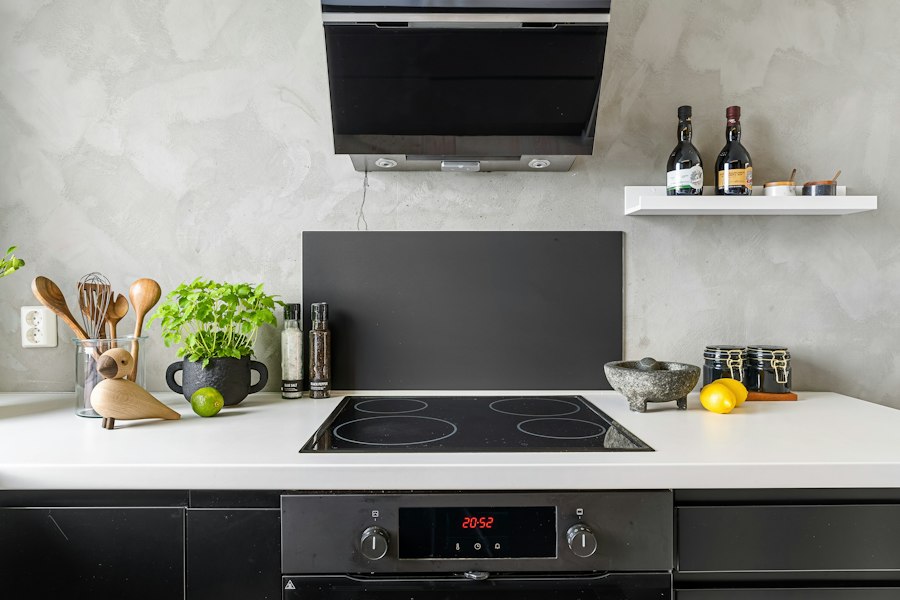
Now that you understand the underlying technology, it becomes clearer why induction cooktops offer such a distinct cooking experience. The secrets beneath the surface translate into tangible advantages in your kitchen.
Unparalleled Speed
One of the most striking benefits of induction is its incredible speed. Because the heat is generated directly within the pan, there’s no wasted energy heating up the cooktop surface itself. This means your water can boil in a fraction of the time compared to traditional electric or even gas cooktops. Imagine going from raw ingredients to a perfectly cooked meal in record time, all thanks to that invisible magnetic force.
Remarkable Energy Efficiency
This direct energy transfer also makes induction cooktops exceptionally energy-efficient. Since very little heat is lost to the surrounding air or the cooktop surface, a higher percentage of the energy consumed is actually used to cook your food. This can translate to lower electricity bills and a more sustainable cooking practice. You’re not just cooking; you’re cooking smart.
Precision Temperature Control
The electronic control system allows for incredibly precise temperature regulation. You can often select specific power levels or even set precise temperatures, giving you granular control over your cooking. This is a game-changer for delicate tasks like melting chocolate, simmering sauces, or poaching eggs, where even small fluctuations in heat can make a big difference. The responsiveness of induction is unlike any other cooktop type.
Enhanced Safety Features
The fact that the cooktop surface itself doesn’t get as hot as traditional electric burners significantly improves safety. While the pan will be hot, the surrounding glass remains relatively cool, reducing the risk of accidental burns. Many induction cooktops also feature automatic shut-off if no pan is detected, or if a pan boils dry, adding another layer of protection.
The Science Behind the Simmer: How Induction Achieves Precise Heat

It’s not just about brute force heating; induction cooking offers a nuanced approach to heat management. The ability to fine-tune the energy delivered is a testament to the sophistication of the underlying technology.
Direct Power Modulation
The electronic control system directly modulates the power delivered to the induction coils. This means that when you select a lower setting, less electrical current is sent, resulting in a weaker magnetic field and thus less heat generated in the pan. Conversely, a higher setting means more power, a stronger field, and faster heating. This is a far more direct and responsive method of heat control than waiting for a resistive element to heat up and cool down.
Rapid Response to Adjustments
This direct power modulation leads to near-instantaneous responses to your adjustments. Turn down the heat, and the pan cools almost immediately. Turn it up, and it heats up just as quickly. This allows for a fluid and intuitive cooking process, where you can react to your food’s needs in real-time. It’s like having a dimmer switch for your stovetop.
Maintaining Consistent Temperatures
The electronic feedback loop within the control system helps maintain consistent temperatures. Even as your food cooks and its thermal properties change, the cooktop can make micro-adjustments to the power output to keep the pan at the desired temperature. This is crucial for recipes that require steady heat over extended periods.
The Role of Pan Material in Temperature Uniformity
While induction itself provides precise control, the material of your cookware also plays a role in how evenly heat is distributed. Pans with thicker bases made of multi-ply materials (like stainless steel with an aluminum or copper core) tend to distribute heat more evenly, preventing hot spots and ensuring consistent cooking across the entire surface of the pan.
When considering the components that lie beneath an induction cooktop, it’s essential to understand how the technology works and what materials are involved. For a deeper insight into this topic, you can explore a related article that discusses the various elements that contribute to the efficiency and safety of induction cooking. This information can be found in the article here, which delves into the intricacies of induction cooktops and their underlying mechanisms.
Maintenance and Care: Keeping Your Induction Cooktop in Top Shape
| Component | Description | Function | Material |
|---|---|---|---|
| Glass-Ceramic Surface | Top cooking surface | Provides a smooth, heat-resistant surface for cookware | Glass-ceramic |
| Induction Coil | Electromagnetic coil beneath the surface | Generates magnetic field to induce heat in cookware | Copper wire |
| Ferrite Core | Core inside the coil assembly | Focuses and directs magnetic field efficiently | Ferrite (magnetic ceramic) |
| Electronic Control Board | Control circuitry | Manages power, temperature, and safety features | Various electronic components |
| Cooling Fan | Fan located under the cooktop | Prevents overheating by cooling internal components | Plastic and metal |
| Temperature Sensors | Sensors embedded near coil or surface | Monitors temperature to regulate heat output | Thermistors or thermocouples |
| Power Supply Unit | Converts household AC power | Supplies stable DC power to induction coil and electronics | Electronic components |
Understanding the technology behind your induction cooktop also helps you appreciate how to properly care for it, ensuring its longevity and optimal performance.
Cleaning the Glass-Ceramic Surface
The smooth glass-ceramic surface is easy to clean, but it requires specific care to avoid scratches and damage. Always use a non-abrasive cleaner specifically designed for glass-ceramic cooktops. A soft cloth or sponge is your best friend here. Avoid steel wool, scouring pads, or harsh chemical cleaners, which can permanently mar the surface. Wipe up spills immediately, especially sugary ones, as they can caramelize and become difficult to remove.
Protecting the Coils and Electronics
While the coils and electronics are protected beneath the glass, it’s still good practice to avoid dropping heavy objects on the cooktop or allowing liquids to seep into the edges. Regular dusting around the vents where the cooling fans are located can also help prevent dust buildup, ensuring the cooling system functions efficiently.
Using the Right Cookware
As we’ve discussed, using induction-compatible cookware is non-negotiable for proper function. Beyond that, avoid dragging heavy pans across the surface. Lift them instead. This will protect the glass from potential scratches and nicks. Choosing well-made cookware with flat, smooth bases will also contribute to optimal heat transfer and prolong the life of your cooktop.
Understanding Error Codes and Troubleshooting
Your induction cooktop’s electronic system is designed to be robust, but like any complex appliance, it might occasionally display error codes. Consult your user manual to understand what these codes mean. Often, they indicate a simple issue, such as an incompatible pan or a blocked sensor. Basic troubleshooting can often resolve minor problems without the need for a service call.
In conclusion, your induction cooktop is a sophisticated blend of scientific principles and clever engineering. The invisible force of electromagnetic induction, coupled with a carefully designed internal structure, allows for rapid heating, incredible efficiency, and precise control. By understanding what lies beneath that sleek glass, you can unlock its full potential and enjoy a superior cooking experience. It’s more than just a kitchen appliance; it’s a testament to innovation, transforming the way you prepare your meals.
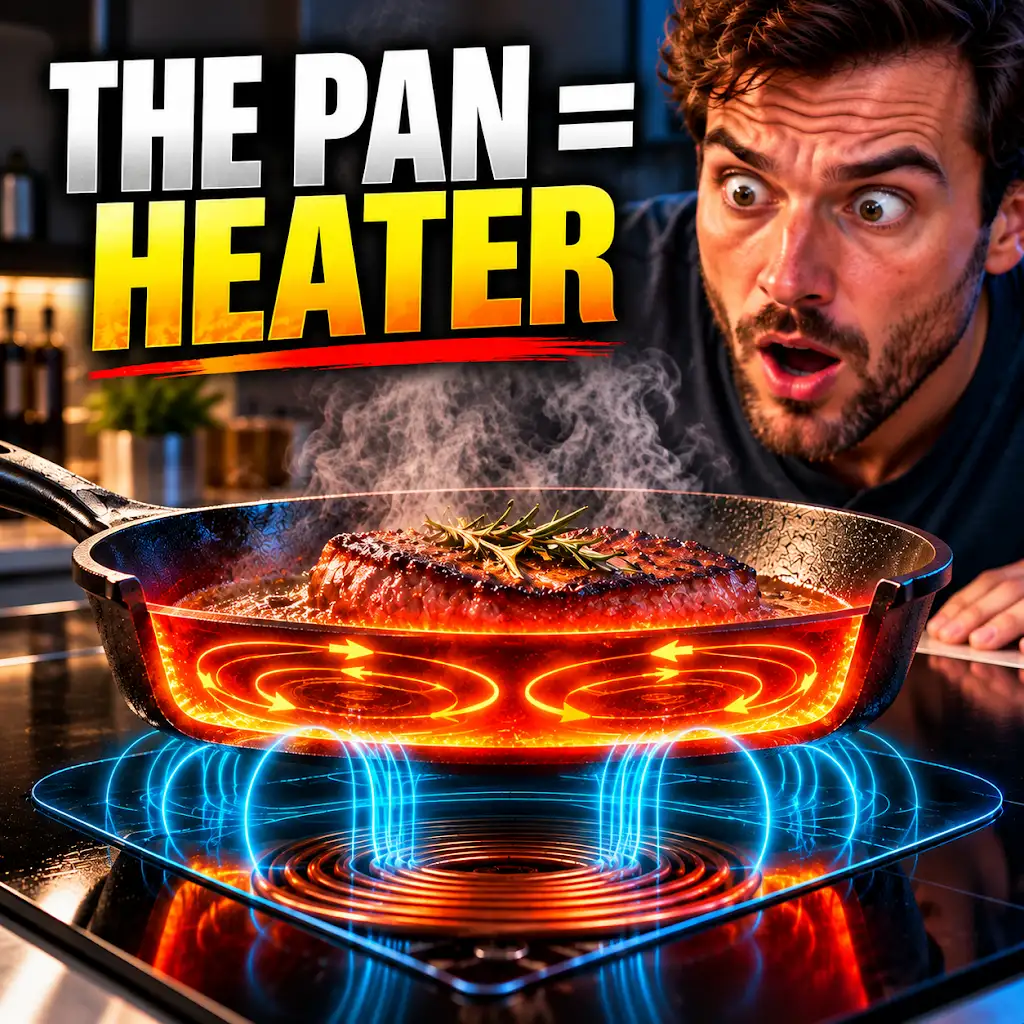
The Pan Is the Heater: How Induction Cooking Really Works
FAQs
What is an induction cooktop?
An induction cooktop is a type of stove that uses electromagnetic energy to heat cookware directly, rather than relying on a traditional heating element like gas or electric stoves.
What is under an induction cooktop?
Underneath the ceramic glass surface of an induction cooktop, there are copper coils that generate an electromagnetic field when electricity passes through them. This field induces a current in the cookware, heating it up quickly and efficiently.
How does an induction cooktop work?
When a pot or pan made of ferrous metal is placed on the cooktop, the electromagnetic field generated by the coils causes the molecules in the cookware to vibrate, creating heat. This process allows for precise and instant control of cooking temperatures.
Is it safe to touch the surface of an induction cooktop while it is in use?
The surface of an induction cooktop remains cool to the touch during cooking because the heat is generated directly in the cookware. However, the area directly under the cookware can become hot, so it is important to use caution and avoid touching that area.
What are the advantages of using an induction cooktop?
Some advantages of using an induction cooktop include faster cooking times, energy efficiency, precise temperature control, and a safer cooking experience due to the cool surface. Additionally, induction cooktops are easier to clean since spills are less likely to burn onto the surface.