
You’re standing in your kitchen, ready to whip up a meal. You turn a dial, and instantly, a powerful heat blooms beneath your pot. No flickering flames, no waiting for a burner to glow red. This is the magic of induction cooking, a testament to your smart choice in harnessing magnetic fields for unparalleled efficiency. It’s not just about speed; it’s about a fundamental shift in how you cook, a more precise, responsive, and energy-conscious way to bring your culinary creations to life.
At its core, your induction cooktop is a master of controlled electromagnetism. Unlike traditional electric or gas cooktops that heat the cooktop surface itself, which then transfers heat to your cookware, induction creates heat directly within the base of your pot or pan. This is where the magic of magnetic fields truly shines, and understanding this fundamental principle unlocks the secrets to maximizing your efficiency.
The Eloquent Dance of Electromagnetism
Imagine a powerful, oscillating magnetic field being generated beneath the ceramic glass surface of your cooktop. This field isn’t a constant, static force; it’s a dynamic, rapidly changing wave. When you place a ferromagnetic pot or pan – one that contains iron or steel – onto the cooktop, this oscillating magnetic field interacts with the metal.
Induced Eddy Currents: The Invisible Heaters
The changing magnetic field causes electrons within the metal of your cookware to move in circular paths. These circulating currents are known as eddy currents. Think of them as tiny, invisible whirlpools of electrical energy within the metal. The faster the magnetic field oscillates, the more vigorously these eddy currents churn.
Resistance Ignites the Heat
Here’s where the cleverness truly lies. Metal, while a good conductor of electricity, still possesses a degree of electrical resistance. As these eddy currents flow through the metal’s resistance, they generate heat. This phenomenon is known as Joule heating. It’s precisely this generated heat, within the base of your pot or pan, that cooks your food. You’re not heating the air around the pot; you’re directly heating the vessel containing your ingredients.
The Crucial Role of Ferromagnetic Cookware
This brings us to a critical point: your cookware is not an interchangeable accessory with your induction cooktop. The entire system is designed to work in concert. The magnetic field generated by the cooktop needs something ferromagnetic to interact with.
Why Some Pots Won’t Work
If you try to use a pot made of aluminum, copper, or glass on your induction cooktop, you’ll notice nothing happens. These materials are not ferromagnetic. The oscillating magnetic field will pass through them without inducing significant eddy currents, and therefore, no heat will be generated. This is why induction cooktops often come with a magnet test: if a magnet sticks firmly to the bottom of your cookware, it’s likely compatible.
The Science Behind “Induction Ready” Labels
When you see “induction ready” or “induction compatible” on cookware, it signifies that the base of that pot or pan is designed with ferromagnetic properties, allowing it to effectively engage with the magnetic field of your cooktop. This is a crucial detail for maximizing efficiency.
Induction cooktops operate using magnetic fields to generate heat directly in the cookware, making them an efficient cooking option. For a deeper understanding of the science behind this technology, you can read a related article that explores the principles of magnetic fields and their applications in everyday appliances. To learn more, visit this article.
Optimizing Heat Transfer for Peak Performance
The directness of induction heating is a major contributor to its efficiency, but you can further optimize this process by understanding how heat transfers within your cookware and to your food. It’s not just about getting heat to the pot; it’s about getting it where it needs to go.
The Power of Direct Contact
The efficiency of induction lies in minimizing energy loss. Unlike conventional methods where heat is lost to the surrounding air or the cooktop surface itself before reaching the food, induction’s direct heating approach drastically reduces these parasitic losses.
Minimizing Heat Escape
With induction, the heat is generated precisely where it’s needed – at the bottom of the cooking vessel. This means less energy is wasted warming up the kitchen or the cooktop surface. You’re essentially creating a more contained and focused heating environment.
The Importance of Flat, Even Surfaces
For the magnetic field to interact optimally with your cookware, a good, consistent connection is essential. Any unevenness or warping in the base of your pot can create gaps where the magnetic field is less effective, leading to inefficient heating.
Warped Pans: A Silent Efficiency Killer
Over time, some cookware can warp, especially with extreme temperature changes. A warped pan on an induction cooktop can result in “hot spots” and “cold spots,” meaning your food won’t cook evenly, and you’ll be using more energy than necessary to achieve a satisfactory result. You might find yourself constantly stirring or moving food around to compensate for these inefficiencies.
The Benefits of a Thick, Solid Base
Cookware with a thick, solid, and flat base is ideal for induction. This ensures maximum contact with the magnetic field, promoting uniform eddy current generation and, consequently, even heat distribution. You’ll notice a difference in cooking performance and a reduction in wasted energy.
Understanding Heat Distribution Within the Cookware
Once the heat is generated in the base of your pot or pan, how it’s distributed throughout the vessel is also a key factor in your overall efficiency.
The Role of Material Conductivity
While the base needs to be ferromagnetic, the sides of your cookware play a role in how quickly and evenly heat spreads. Materials with good thermal conductivity, like copper or aluminum, can help distribute the heat generated at the base more effectively up the sides of the pan. This leads to more uniform cooking temperatures throughout the food.
The Advantage of Multi-Ply Construction
Many high-quality induction-compatible pans feature a multi-ply construction, often sandwiching layers of different metals. This design can combine the ferromagnetic properties needed for induction with excellent thermal conductivity for superior heat distribution. You’re getting the best of both worlds: efficient heat generation and even cooking.
Mastering the Controls: Precision for Efficiency

The intuitive and responsive nature of induction cooktop controls is one of its most celebrated features. However, understanding how to use these controls effectively can significantly boost your energy efficiency. It’s about more than just turning it up or down; it’s about intelligent application.
The Power of Precise Temperature Settings
Unlike the often-gradual adjustments of gas or the delayed response of radiant electric elements, induction cooktops offer immediate and precise control over heat levels. This means you can select the exact temperature you need for a specific cooking task and achieve it quickly.
Avoiding Unnecessary High Heat
One of the biggest culprits of energy waste is using unnecessarily high heat settings. With induction, you can achieve rapid boiling and searing at lower levels than you might think. Experimenting with your cooktop’s settings and understanding what each level truly accomplishes will help you dial in the perfect temperature for every dish.
The “Boost” Function: Use with Purpose
Many induction cooktops feature a “boost” or “power” function, which delivers maximum heat output for a short period. While incredibly useful for rapidly boiling water or searing, remember that this function consumes more energy. Use it strategically and switch back to a lower setting once the task is accomplished to maintain efficiency.
The Instantaneous Response: A Time and Energy Saver
The near-instantaneous response of induction to control adjustments is a game-changer for efficiency. You can go from a simmer to a boil or from a boil to a gentle simmer in mere seconds.
Reacting to Culinary Needs
This responsiveness allows you to quickly adjust the heat based on how your food is cooking. If your sauce is about to boil over, you can instantly reduce the heat. If your vegetables need a quick burst of high heat to char, you can achieve it without delay. This dynamic control prevents overcooking and minimizes the time food spends at unnecessarily high temperatures.
Minimizing Waiting Periods
Think about how much time you spend waiting for a conventional burner to cool down or heat up. With induction, these waiting periods are virtually eliminated. This translates directly into less wasted energy and a more streamlined cooking process.
Utilizing the Timer and Auto Shut-Off Features
Many modern induction cooktops are equipped with timers and auto shut-off functions. These features are not just for convenience; they are powerful tools for maximizing energy efficiency.
Preventing Overcooking and Energy Drain
Setting a timer ensures that your food isn’t left cooking unattended for longer than necessary. This not only prevents overcooking and potential burning but also stops the cooktop from drawing power once the cooking is complete.
Energy-Conscious Cooking Without Constant Monitoring
The auto shut-off feature, often triggered by the timer, automatically powers down the cooking zone. This eliminates the possibility of forgetting to turn off a burner, which is a significant source of energy waste and a potential safety hazard. You can step away from the kitchen with confidence, knowing your cooktop will manage itself.
Maintaining Your Cooktop for Sustained Efficiency
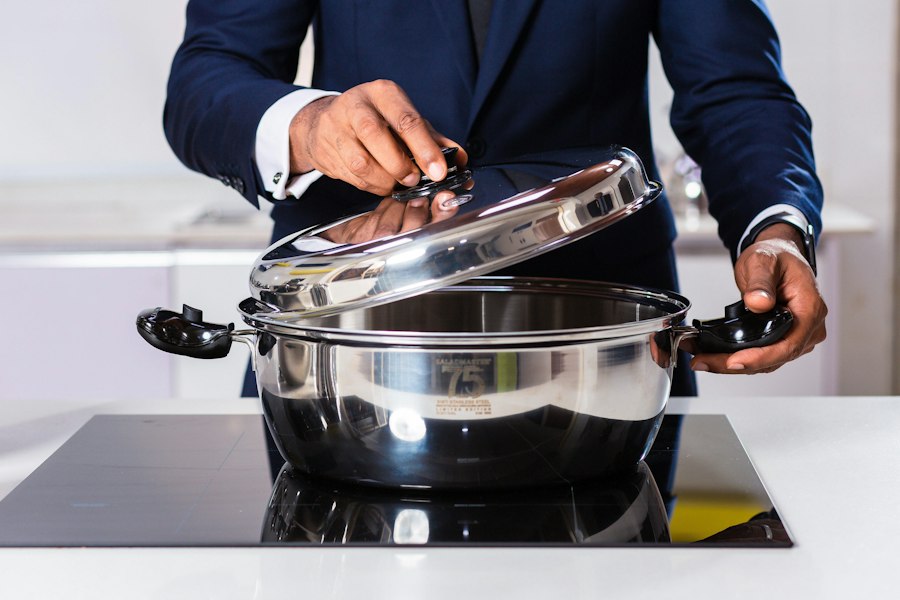
Just like any appliance, your induction cooktop requires a little care and attention to maintain its peak performance and efficiency. A well-maintained cooktop operates more smoothly, heats more consistently, and lasts longer, all contributing to its overall efficiency.
The Importance of a Clean Ceramic Glass Surface
The ceramic glass surface of your induction cooktop is not just for aesthetics; it plays a vital role in heat transfer and overall system integrity.
Preventing Obstructions to the Magnetic Field
Food debris, grease, or residue on the cooktop surface can create an insulating layer between your cookware and the glass. This can impede the efficient transfer of the magnetic field, leading to slightly less effective heating and potentially longer cooking times. Regular cleaning ensures a clear pathway for the magnetic forces.
Preserving the Integrity of the Surface
Spills, especially sugary ones, can etch into the ceramic glass if left to burn on. This damage can not only affect the appearance of your cooktop but can also create minor imperfections that, over time, might subtly affect heat transfer. Using appropriate cleaning products and techniques will preserve the smooth, unblemished surface.
Proper Cleaning Techniques
It’s crucial to use the right tools and methods when cleaning your induction cooktop to avoid scratching or damaging the surface.
Gentle is Key
Avoid abrasive scrubbers, steel wool, or harsh chemical cleaners. These can scratch the glass and damage its protective coating. Instead, opt for a soft cloth or sponge with a mild dish soap or a specialized ceramic cooktop cleaner.
Dealing with Stubborn Stains
For stubborn burnt-on food, a ceramic cooktop scraper can be used with extreme care. Hold it at a low angle to the glass and gently lift the debris. Always follow up with a gentle cleaning to remove any residue.
Inspecting and Maintaining Cookware
As we’ve discussed, your cookware is an integral part of the induction system. Ensuring it’s in good condition is paramount for efficiency.
Checking for Warping and Damage
Periodically inspect the base of your induction-compatible cookware for any signs of warping, dents, or damage. If a pan is significantly warped, it might be time to replace it to ensure optimal heat distribution and efficiency.
Cleaning Residue from Cookware Bases
Over time, residue can build up on the bases of your pots and pans, even if they appear clean. This residue can act as an insulator. Regularly cleaning the bottom of your cookware, especially with a soft cloth and mild detergent, will ensure a clean surface for optimal contact with the cooktop.
Induction cooktops are known for their efficiency and speed, but many people are curious about the magnetic field they generate during operation. Understanding how this magnetic field works can help users appreciate the technology behind these appliances. For a deeper dive into the science of induction cooking and its implications, you can read a related article on the topic at Freaky Science, which explores the principles of electromagnetism and its applications in everyday cooking.
Advanced Techniques for Maximum Culinary Efficiency
| Parameter | Value | Unit | Description |
|---|---|---|---|
| Magnetic Field Strength (B) | 10 – 30 | mT (millitesla) | Typical magnetic flux density inside the cooktop coil area |
| Frequency | 20 – 100 | kHz | Operating frequency of the induction coil |
| Coil Current | 20 – 50 | A (amperes) | Current flowing through the induction coil |
| Magnetic Field Distribution | Non-uniform | – | Field strength varies across the cooking surface |
| Penetration Depth | 1 – 3 | mm | Depth of magnetic field penetration into the cookware |
| Power Output | 1000 – 3000 | W (watts) | Typical power range of induction cooktops |
Beyond the fundamental principles, there are advanced techniques you can employ to push your induction cooking to its absolute limits of efficiency and culinary perfection. These are the subtle nuances that separate good cooking from exceptional cooking.
Mastering the “Sauté” and “Simmer” Cycles
Induction’s responsiveness makes it ideal for precise sautéing and simmering. Understanding how to maintain these delicate cycles ensures optimal flavor development and energy conservation.
The Art of the Quick Sauté
For a perfect sauté, you want high heat for a very short period to quickly sear the ingredients, locking in moisture and flavor. Induction allows you to achieve this intense burst of heat almost instantaneously, preventing your ingredients from stewing in their own juices. You can dial up the heat, add your ingredients, and then quickly reduce the heat to maintain the perfect texture.
Sustaining a Gentle Simmer
Achieving a gentle, consistent simmer is crucial for developing rich sauces and tenderizing meats. Induction’s ability to hold a very low, stable heat level means you can maintain this delicate balance without the risk of boiling over or scorching. You can set it and forget it, knowing your simmer will remain constant, unlike gas cooktops where slight fluctuations can occur.
The Power of Multi-Zone and Bridge Burners
Many modern induction cooktops feature multi-zone capabilities or bridge burners, offering even greater flexibility and efficiency for specific cooking tasks.
Utilizing Bridge Burners for Larger Pans
Bridge burners allow you to connect two separate cooking zones into a single, larger heating area. This is incredibly useful for accommodating larger cookware, such as griddles or oval roasting pans, which might not fit on a single burner. By distributing the heat across a larger surface, you ensure more even cooking for these larger items.
Leveraging Multi-Zone Flexibility
Some cooktops have multiple smaller zones that can be controlled independently or linked. This allows you to have multiple pots and pans on the go simultaneously, each at its ideal temperature. This can be more energy-efficient than using multiple individual burners if you have multiple small tasks to accomplish. For instance, you could simmer a sauce on one zone while sautéing vegetables on another, all with precise control.
The Role of Induction-Specific Cookware Innovations
The cookware industry is constantly innovating to enhance the performance of induction cooktops. Exploring these innovations can lead to further efficiency gains.
Advanced Magnetic Core Materials
Manufacturers are developing new ferromagnetic materials and designs for cookware bases that offer even more efficient interaction with induction fields. These might include specialized alloys or layered constructions that optimize magnetic flux density and reduce eddy current losses.
Heat-Diffusing Technologies
Some high-end cookware incorporates integrated heat-diffusing technologies within the pan itself, working in tandem with the induction heat generation. These technologies aim to further improve heat distribution from the base to the cooking surface, ensuring exceptionally even cooking and minimizing hot spots, thus reducing the need for constant stirring or adjustments.
By understanding and actively implementing these principles, you transform your induction cooktop from a mere appliance into a sophisticated culinary tool. You’re not just cooking; you’re orchestrating a precise and efficient dance of magnetic energy, resulting in delicious meals, reduced energy consumption, and a more enjoyable kitchen experience. You’ve unlocked the true potential of harnessing magnetic fields.
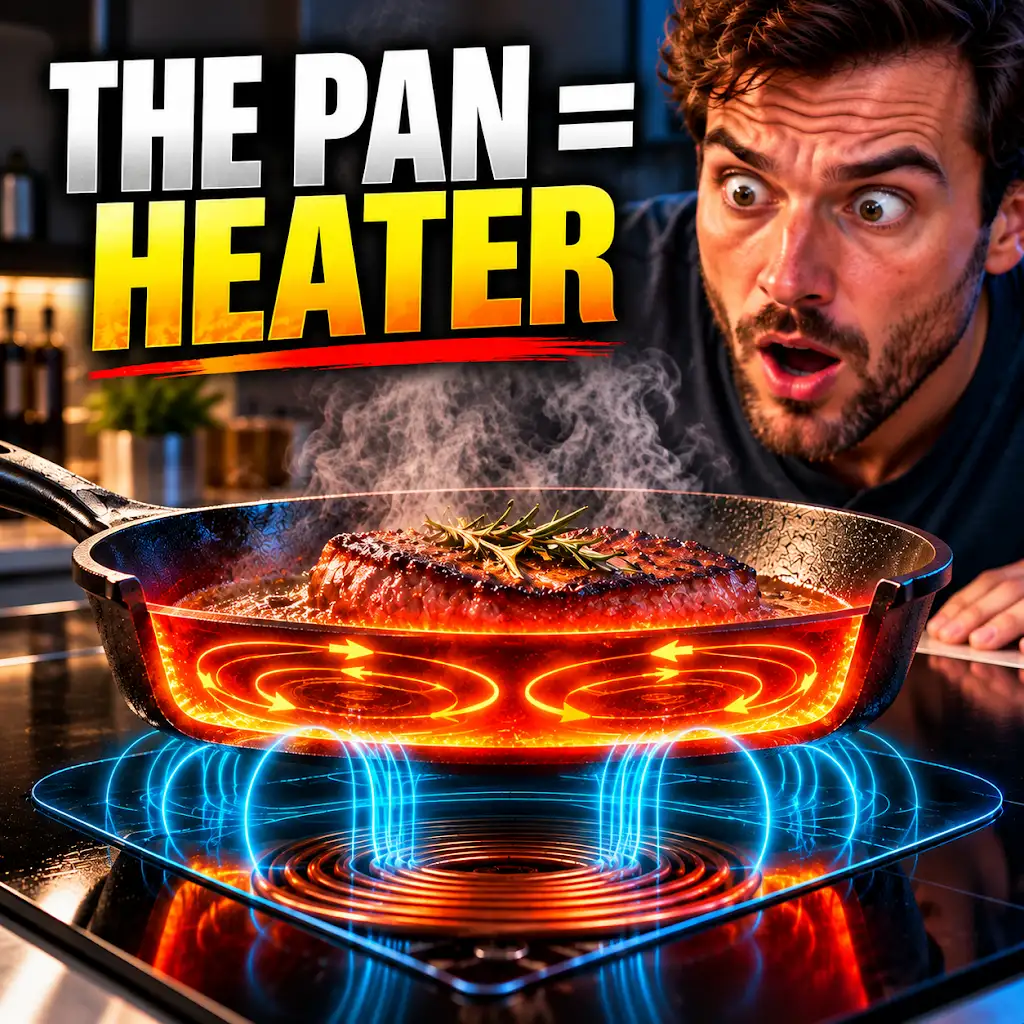
The Pan Is the Heater: How Induction Cooking Really Works
FAQs
What is an induction cooktop?
An induction cooktop is a type of stove that uses electromagnetic fields to heat pots and pans directly, rather than using a traditional heating element like gas or electric stoves.
How does an induction cooktop work?
An induction cooktop generates an electromagnetic field when an electric current passes through a coil beneath the cooktop surface. This field induces a current in the metal cookware, which in turn generates heat to cook food.
Is there a magnetic field inside an induction cooktop?
Yes, there is a magnetic field inside an induction cooktop. The magnetic field is generated by the flow of electric current through the coil beneath the cooktop surface.
Is the magnetic field inside an induction cooktop harmful to health?
The magnetic field inside an induction cooktop is generally considered safe for everyday use. However, individuals with certain medical devices like pacemakers should consult with their healthcare provider before using an induction cooktop.
Can the magnetic field inside an induction cooktop interfere with other electronic devices?
The magnetic field inside an induction cooktop can potentially interfere with nearby electronic devices that are sensitive to electromagnetic fields, such as pacemakers, credit cards, or certain types of medical equipment. It is recommended to keep such devices at a safe distance from the cooktop while in use.