
You stand in your kitchen, a space that has, for millennia, been the hearth of your home, a place of transformation where raw ingredients become sustenance and comfort. For centuries, the methods have remained remarkably consistent: applying heat directly, whether through the radiating embers of a fire, the controlled flame of a gas burner, or the resistive coils of an electric stove. But what if you could revolutionize this age-old process, making it faster, more efficient, safer, and even more precise, all without a visible element of heat? This is the promise of Faraday’s Law of Induction, a fundamental principle of electromagnetism that is quietly transforming how you cook.
You might be familiar with Faraday’s Law from your physics textbooks, a concept that describes how a changing magnetic field can induce an electric current in a conductor. It’s the invisible hand that powers much of our modern world, from electric generators to transformers. Now, this same powerful, unseen force is making its way into your culinary domain, offering a paradigm shift in how you prepare your meals. At its core, induction cooking is about harnessing the interaction between magnetic fields and conductive cookware to generate heat directly within the pot or pan itself. Forget the wasted energy that escapes from a conventional stovetop, warming your kitchen more than your food. Induction is about targeted, efficient energy transfer.
The Magnetic Dance: How Induction Works
Imagine your induction cooktop as a sophisticated generator. Beneath its smooth, ceramic surface lie coils of wire. When you turn on the cooktop and place a compatible pot or pan upon it, an alternating electric current is sent through these coils. This alternating current, by its very nature, creates a rapidly changing magnetic field. This fluctuating magnetic field then extends upwards, penetrating the base of your cookware.
The Eddy Currents: The Engine of Heat
Now, here’s where the magic of Faraday’s Law truly comes into play. Most cookware designed for induction is made of ferromagnetic materials – materials like cast iron or certain types of stainless steel that are strongly attracted to magnets. When the changing magnetic field from the cooktop encounters the conductive base of your pan, it induces tiny electrical currents within the metal itself. These are known as eddy currents. These eddy currents, swirling within the metal of your pan, face resistance as they flow. And, as you likely know from Ohm’s Law, when an electric current flows through a resistance, heat is generated. It’s this self-generated heat within the cookware that cooks your food.
The Efficiency Advantage: No More Wasted Energy
The brilliance of induction lies in its directness. Unlike traditional methods where heat is generated externally and then transferred through the cooktop to the cookware, with induction, the heat is created inside the pot. This means virtually all the energy from the cooktop is directed into heating your food. This is a dramatic increase in efficiency. Think about a gas stove: a significant amount of heat escapes around the sides of your pot, warming the air in your kitchen. An electric coil stove also loses heat to the surrounding environment. Induction, however, is like a perfectly targeted laser beam of heat, minimizing energy loss and maximizing your cooking speed and your energy savings. You’ll notice your kitchen stays cooler, and your electricity bills might reflect the change.
Faraday’s law of electromagnetic induction plays a crucial role in the technology behind induction cooking, which utilizes magnetic fields to heat cookware directly. For those interested in exploring the science behind this innovative cooking method, a related article can be found at Freaky Science. This resource delves into the principles of electromagnetic induction and how they are applied in modern kitchen appliances, providing a deeper understanding of the efficiency and effectiveness of induction cooking.
Beyond the Flame: The Tangible Benefits for Your Cooking Experience
The theoretical elegance of Faraday’s Law translates into very real, tangible benefits for you, the home cook. The advantages of induction extend far beyond mere efficiency, impacting everything from speed and safety to precision and ease of cleaning. This technology isn’t just a futuristic novelty; it’s a practical upgrade that will change the way you interact with your kitchen.
Speed Demon: Boiling Water in a Flash
One of the most immediate and striking benefits you’ll experience is speed. Induction cooktops can boil water significantly faster than conventional gas or electric stoves. This means less waiting for that pasta water to reach a rolling boil, or for your morning coffee to be ready. The rapid transfer of energy directly into the cookware allows for near-instantaneous heating. Imagine being able to whip up a quick meal or have that essential hot beverage ready in a fraction of the time. This speed is a game-changer for busy households and anyone who values efficiency in their daily routine.
Safety First: A Cooler, Safer Kitchen
Safety is paramount in any kitchen, and induction cooking offers a significant leap forward. Because the cooktop surface itself doesn’t get as hot as traditional stovetops, the risk of accidental burns is greatly reduced. The heat is generated within the cookware, not by the surface. While the cookware will get hot, the cooktop remains relatively cool, only heating up from residual heat transfer after you’ve finished cooking. This makes it an excellent choice for families with young children or pets, as well as for anyone who has ever experienced the unpleasant surprise of touching a still-hot electric coil. Furthermore, since there’s no open flame, the risk of gas leaks or accidental fires is eliminated. This peace of mind is invaluable.
Precision Control: The Art of Subtle Heat Adjustment
For those who appreciate the nuance of cooking, induction offers unparalleled precision. The control over heat is incredibly fine-tuned. You can go from a vigorous boil to a gentle simmer in an instant, with minimal lag time. Many induction cooktops feature digital controls with precise temperature settings, allowing you to achieve perfect results for delicate sauces, perfectly seared meats, or anything that requires exacting heat management. You’re no longer guessing at flame levels or coil settings; you’re dictating exact temperatures, giving you greater control over the culinary process and leading to more consistent and delicious outcomes.
Effortless Cleanup: A Gleaming Surface
Cleaning is often the least enjoyable part of cooking. With induction, it becomes remarkably easy. The smooth, flat ceramic surface of the cooktop is a breeze to wipe clean. Since spills and splatters don’t bake onto a super-hot surface, they can usually be wiped away with a damp cloth immediately. No more scrubbing burnt-on food from grates or coils. This simplicity makes maintaining a pristine kitchen an effortless task, allowing you to spend more time enjoying your meals and less time on chores.
Navigating the Induction Landscape: Choosing the Right Cookware
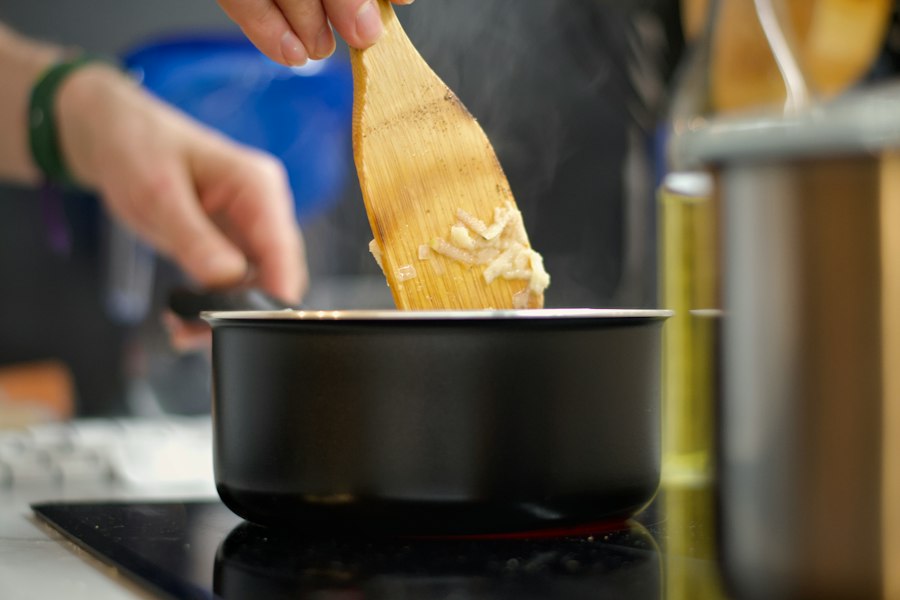
While the technology itself is revolutionary, its effectiveness hinges on one crucial element: your cookware. Not all pots and pans are created equal when it comes to induction. You’ll need to ensure that your current collection, or your new purchases, are compatible with this magnetic form of cooking. This is where understanding the material science behind your cookware becomes important, and thankfully, it’s not as complicated as it sounds.
The Magnetic Test: Your First Line of Defense
The simplest way to determine if a piece of cookware is induction-compatible is the “magnet test.” Grab a common refrigerator magnet and see if it sticks firmly to the base of your pot or pan. If it does, chances are it’s made from a ferromagnetic material and will work perfectly on an induction cooktop. This test is effective for cast iron, enameled cast iron, and many stainless steel pans.
Understanding Ferromagnetism: The Key Material
As mentioned earlier, ferromagnetic materials are essential for induction cooking. These are materials that are strongly attracted to magnets. Iron and steel are prime examples. The reason they work is that the changing magnetic field from the induction cooktop can easily induce eddy currents within these materials. Non-ferromagnetic materials like aluminum, copper, or glass will not generate sufficient eddy currents and therefore will not heat up on an induction surface, even if they are placed directly on it.
Beyond Magnetism: Other Induction-Friendly Materials
While the magnet test is a good starting point, some cookware might contain multiple layers of different metals. For instance, some high-end stainless steel pans have an aluminum or copper core for better heat distribution. As long as the outermost layer that comes into contact with the cooktop is ferromagnetic, the pan will be induction-compatible. Look for cookware specifically labeled “induction ready” or “induction compatible.” These labels are your assurance that the manufacturer has designed the product with this technology in mind.
The Versatility of Induction Cookware
Fortunately, the range of induction-compatible cookware available today is vast and includes a variety of materials and price points. You’ll find everything from traditional cast iron skillets, beloved for their even heating and durability, to modern stainless steel pots and pans with excellent heat conductivity and responsiveness. Many manufacturers are now producing cookware lines specifically designed to work seamlessly with induction, offering a wide array of options to suit your cooking style and aesthetic preferences. You don’t have to sacrifice your favorite cooking tools; you just need to ensure they’re induction-ready.
Integrating Induction into Your Culinary Workflow: Practical Tips for Success

Adopting induction cooking is a shift in your culinary habits, but it’s a remarkably intuitive one. With a few practical tips and a bit of practice, you’ll be harnessing its power like a seasoned pro in no time. It’s about understanding the nuances of its responsiveness and adjusting your techniques accordingly.
Mastering the Heat: From Searing to Simmering
The responsiveness of induction is its superpower. When you turn the dial up, the heat comes on almost instantaneously. When you turn it down, the heat dissipates just as quickly. This means you need to be slightly more attentive than you might be with a slower-reacting stove. For searing, preheat your pan properly and have your ingredients ready. For simmering, you can drop the heat dramatically and achieve a gentle, consistent bubble. Don’t be afraid to experiment and get a feel for how quickly your cookware heats up and cools down.
Understanding Cookware Thickness: A Subtle Factor
While material is key, the thickness of your cookware’s base can also play a subtle role in how it performs on an induction cooktop. Thicker bases tend to distribute heat more evenly and can prevent “hot spots.” However, even thinner, well-made induction-compatible pans can perform admirably. The most important factor remains the ferromagnetic property of the base.
Venting and Airflow: Ensuring Optimal Performance
While induction cooktops themselves don’t produce open flames, they do generate heat within the cookware. Proper ventilation in your kitchen is still important to remove steam and cooking odors. Ensure your range hood is functioning correctly. For built-in induction cooktops, ensure there’s adequate airflow around the unit as per the manufacturer’s instructions to prevent overheating of the internal components.
The Learning Curve: Embracing the New
Every new cooking technology has a slight learning curve. Be patient with yourself as you adjust. You might find yourself needing to turn down the heat more quickly than you’re accustomed to, or you might be surprised by how fast something cooks. Embrace this as an opportunity to refine your skills and deepen your understanding of heat control. The rewards in terms of speed, efficiency, and precision are well worth the initial adjustment period.
Faraday’s law plays a crucial role in the technology behind induction cooking, which utilizes electromagnetic fields to heat cookware directly. For those interested in exploring the science behind this innovative cooking method, a related article can provide further insights into the principles of electromagnetism and its applications in everyday appliances. You can read more about it in this fascinating article that delves into the mechanics of induction heating and its advantages over traditional cooking methods.
The Future of Your Kitchen: A Smarter, Safer, and More Delicious Experience
| Parameter | Value | Unit | Description |
|---|---|---|---|
| Frequency | 20-100 | kHz | Operating frequency range of induction cooktops |
| Induced Current | 10-50 | Amperes | Typical current induced in the cookware |
| Magnetic Field Strength | 1-10 | mT (millitesla) | Magnetic flux density near the cookware surface |
| Power Output | 1000-3500 | Watts | Typical power range of induction cooktops |
| Efficiency | 80-90 | % | Energy transfer efficiency from coil to cookware |
| Cookware Material | Ferromagnetic | N/A | Required material type for induction cooking |
| Coil Turns | 20-40 | Turns | Number of turns in the induction coil |
| Induced Voltage | 5-20 | Volts | Voltage induced in the cookware base |
Faraday’s Law of Induction is not just a scientific principle; it’s a catalyst for a culinary revolution in your own home. It offers a path to a kitchen that is not only more efficient and safer but also more capable of delivering consistently delicious results. The transition to induction is more than just a technological upgrade; it’s an investment in a more enjoyable and empowering cooking experience.
Energy Independence and Sustainability: Cooking with Conscience
As the world increasingly focuses on sustainable practices, induction cooking stands out as an environmentally conscious choice. Its superior energy efficiency means you’re using less electricity to achieve the same cooking results. This not only benefits your wallet but also contributes to a smaller carbon footprint. By choosing induction, you are making a conscious decision to cook more sustainably.
The Rise of Smart Kitchens: Induction and Connectivity
The integration of induction cooktops into the burgeoning “smart kitchen” ecosystem is inevitable. Imagine controlling your cooktop remotely, setting precise cooking temperatures via a smartphone app, or receiving notifications when your food is ready. The precise nature of induction makes it ideally suited for integration with sophisticated cooking algorithms and automated culinary systems. Your kitchen is becoming not just a place to cook, but an intelligent partner in your culinary endeavors.
Empowering Your Culinary Creativity: Unleash Your Inner Chef
Ultimately, the most significant impact of induction cooking is on your ability to create. The enhanced control, speed, and precision empower you to experiment with new recipes, tackle more challenging techniques, and achieve results you might have previously found elusive. Whether you’re a beginner looking for an easier entry into home cooking or an experienced chef seeking greater mastery, induction will elevate your culinary journey. You’ll find yourself more confident in your abilities, more willing to push boundaries, and more capable of bringing your most ambitious culinary visions to life.
You are no longer bound by the limitations of centuries-old heating methods. You are now equipped with a tool that leverages the invisible forces of electromagnetism to transform your kitchen into a hub of innovation, efficiency, and unparalleled deliciousness. Welcome to the future of cooking, powered by the elegant simplicity of Faraday’s Law.
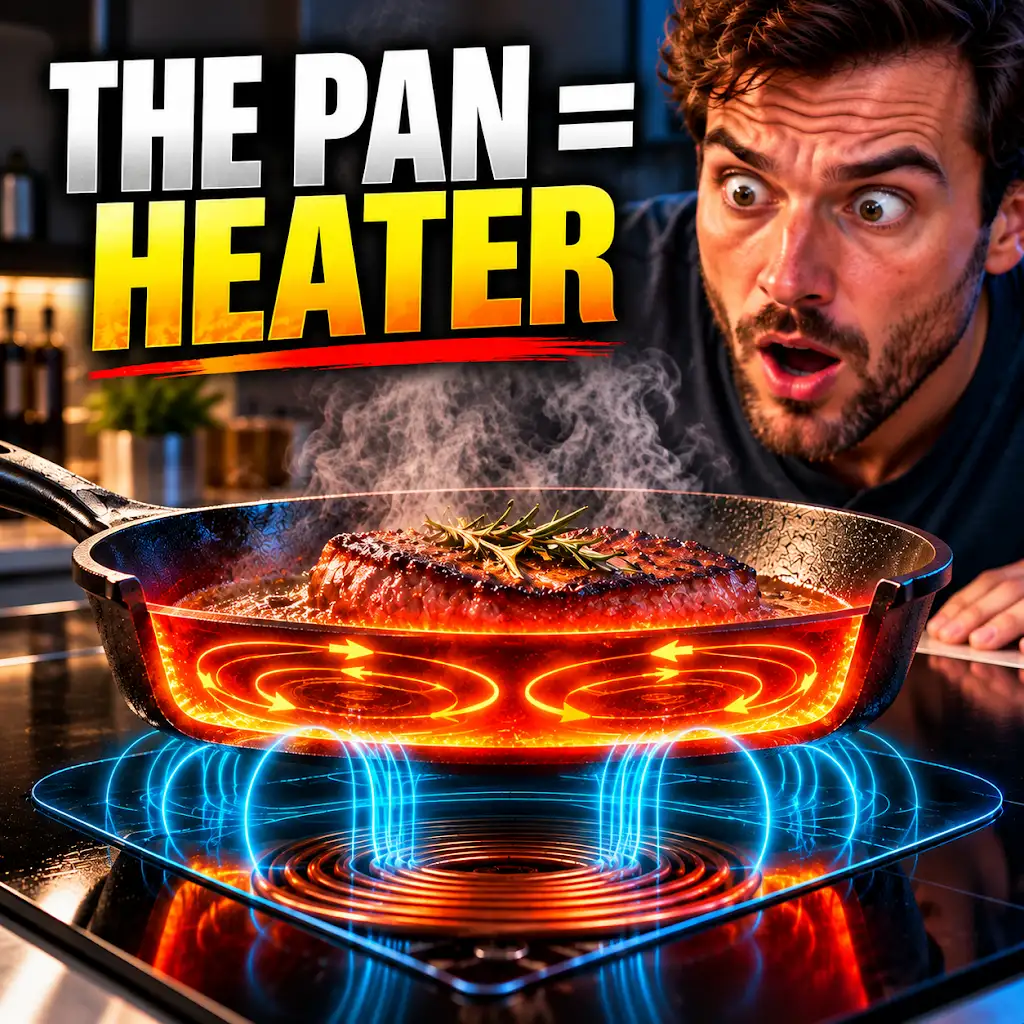
The Pan Is the Heater: How Induction Cooking Really Works
FAQs
What is Faraday’s law of induction?
Faraday’s law of induction states that a change in magnetic field through a conductor will induce an electromotive force (EMF) or voltage in the conductor.
How does induction cooking work based on Faraday’s law?
Induction cooking uses Faraday’s law of induction to generate heat directly in the cooking vessel by creating an alternating magnetic field, which induces electrical currents in the metal of the pot or pan, heating it up.
What are the advantages of induction cooking?
Some advantages of induction cooking include faster heating times, precise temperature control, energy efficiency, and safety as the cooktop remains cool to the touch.
Are there any limitations to induction cooking?
One limitation of induction cooking is that it requires cookware that is magnetic, such as cast iron or stainless steel, in order to work effectively. Additionally, induction cooktops can be more expensive than traditional gas or electric stoves.
Is induction cooking environmentally friendly?
Induction cooking is considered environmentally friendly because it is energy efficient, using electromagnetic energy to directly heat the cookware, resulting in less wasted heat compared to gas or electric stoves.