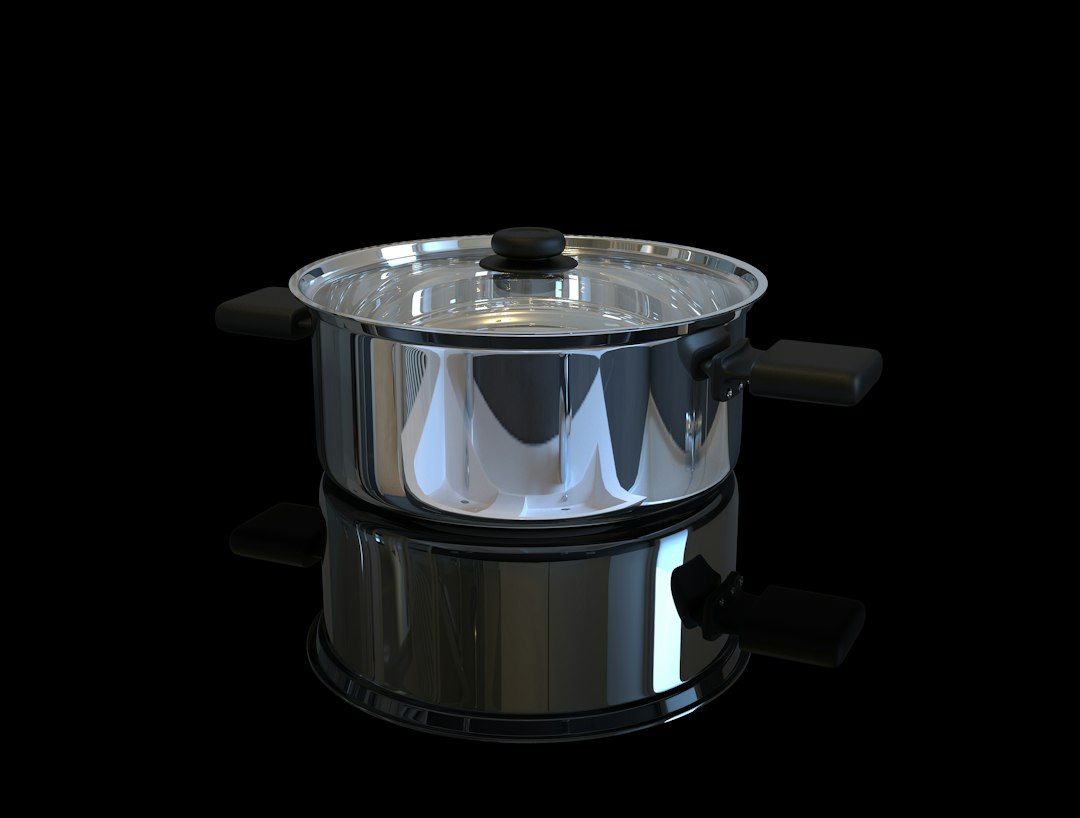
You’re standing in your kitchen, the hum of the refrigerator a familiar backdrop to your culinary ambitions. You’ve heard the buzz, seen the sleek designs, and perhaps even toyed with the idea: the induction stove. And at the heart of this modern marvel lies its indispensable partner: the induction stove pan, the ultimate heater. It’s not just cookware; it’s the conduit for rapid, precise, and remarkably efficient cooking. This isn’t just about boiling water faster; it’s about unlocking a new level of control and enjoyment in your kitchen, and your induction pan is the key.
You might be wondering what makes your induction stove pan so special. It’s not some mystical force, but rather elegant physics, and understanding it will deepen your appreciation for this culinary workhorse. The secret lies in electromagnetism, a principle that fundamentally changes how heat is generated in your kitchen.
Electromagnetism: The Invisible Force at Work
Your induction cooktop isn’t a traditional heating element. Instead, it contains a powerful electromagnet beneath its smooth ceramic surface. When you place a compatible induction pan on the cooktop, the cooktop generates a rapidly alternating electric current in the pan’s base. This current, in turn, creates a magnetic field.
The Eddy Currents: Where the Heat Truly Begins
This magnetic field is where the magic truly happens. As the magnetic field oscillates, it induces electrical currents within the conductive base of your induction pan. These circulating currents are known as eddy currents. They flow in circular paths within the metal of the pan.
Resistance is Futile (For Heat Generation): The Role of Electrical Resistance
Here’s where the “ultimate heater” aspect comes into play. The metal of your pan, while a good conductor of electricity, also possesses a certain amount of electrical resistance. As these eddy currents flow through this resistance, they encounter friction. This friction, like rubbing your hands together, generates heat. Crucially, this heat is generated directly within the pan itself, not in the cooktop. This is the fundamental difference that makes induction so efficient.
No Wasted Heat: The Direct Approach to Cooking
Unlike gas stoves where flames lick the sides of your pans, or electric coil stoves where a red-hot element radiates heat outwards, induction cooking is incredibly targeted. The heat is generated precisely where the food is, minimizing heat loss to the surrounding air or the cooktop surface. This means less energy is wasted, and your kitchen stays cooler.
Magnetic Properties: The Key to Compatibility
Not all cookware is created equal when it comes to induction. For your pan to be an “ultimate heater” on an induction cooktop, it needs a magnetic base. This is why stainless steel, cast iron, and certain enameled cast iron pans are ideal.
Ferromagnetic Fundamentals: Why Magnets Stick
The primary requirement for an induction-compatible pan is that its base material must be ferromagnetic. This simply means the material is attracted to a magnet. You can easily test this yourself: hold a refrigerator magnet to the bottom of your pan. If it sticks firmly, it’s likely induction-compatible.
Aluminum and Copper: The Exceptions (With a Catch)
You might have some beautiful aluminum or copper cookware. While these are excellent heat conductors, they are not ferromagnetic. Therefore, they won’t work directly on an induction cooktop. However, there’s a workaround: induction-ready pans often feature a layer of ferromagnetic material sandwiched between layers of aluminum or copper. This allows them to benefit from the superior heat conductivity of aluminum and copper while still being compatible with the magnetic field.
The Multi-Ply Advantage: Engineering for Induction
Many high-quality induction pans are constructed with multiple layers (multi-ply) of different metals. This layering is often designed to optimize heat distribution and transfer. A core of aluminum or copper, sandwiched between stainless steel layers, can provide excellent heat conductivity and even heating across the entire pan surface, making your induction pan a truly superior heating vessel.
Induction stoves have gained popularity for their efficiency and speed, but the choice of cookware is crucial for optimal performance. An informative article that delves into the relationship between induction stoves and the types of pans that work best can be found at Freaky Science. This resource explains how induction heating relies on magnetic fields and why specific materials, such as ferrous metals, are essential for effective cooking. Understanding these principles can help users select the right induction stove pans to enhance their cooking experience.
The Unmatched Speed and Responsiveness: Cooking on a New Level
Forget waiting for water to boil or sauces to thicken slowly. Your induction stove pan, powered by the induction cooktop, offers a speed and responsiveness that transforms your cooking experience. This isn’t just about saving time; it’s about giving you a level of control that allows for more precise and creative culinary endeavors.
Boiling Water in a Flash: The Everyday Miracle
You’ve probably experienced this: you need to boil water for pasta, tea, or a quick blanch. With your induction pan, that wait is dramatically reduced. The direct heat generation means that the energy is transferred almost instantly into the water.
From Cold to Boiling in Minutes: A Time-Saving Revolution
Compared to traditional methods, your induction pan can bring water to a rolling boil in a fraction of the time. This might seem like a minor convenience, but it adds up, especially during busy meal preparation. Imagine making a quick weeknight dinner where every minute counts.
The Efficiency Factor: Less Energy, More Speed
This speed isn’t just a party trick; it’s a testament to the efficiency of induction. Because there’s no wasted heat escaping, more of the energy generated by the cooktop is channeled directly into heating the contents of your pan.
Temperature Precision: The Chef’s Secret Weapon
One of the most significant advantages of cooking with an induction pan is the remarkable control you have over temperature. The induction cooktop, working in tandem with your pan, allows for incredibly fine adjustments.
Instantaneous Adjustments: Dialing in the Heat
When you turn the dial on your induction cooktop, the heat output changes almost immediately. This means if you’re simmering a delicate sauce and it starts to reduce too quickly, you can instantly lower the heat. Conversely, if you need a searing hot surface for a perfect steak, you can crank it up without delay.
No Lag Time: The Difference Between Simulation and Reality
Other cooking methods often have a lag time. You adjust the dial, but it takes a few moments for the heat to catch up. With induction, what you see is what you get, in real-time. This eliminates the guesswork and allows you to master techniques like tempering chocolate or making custards with unprecedented ease.
Perfect Searing and Delicate Simmers: Mastering the Extremes
This precision allows you to achieve perfect results across the spectrum of cooking. You can achieve a deep, flavorful sear on a piece of meat, locking in juices and creating a delicious crust, followed by the ability to gently simmer delicate sauces or poach fish without fear of overcooking. Your induction pan is the tool that makes these extremes achievable.
Durability and Design: Built to Last, Designed to Impress
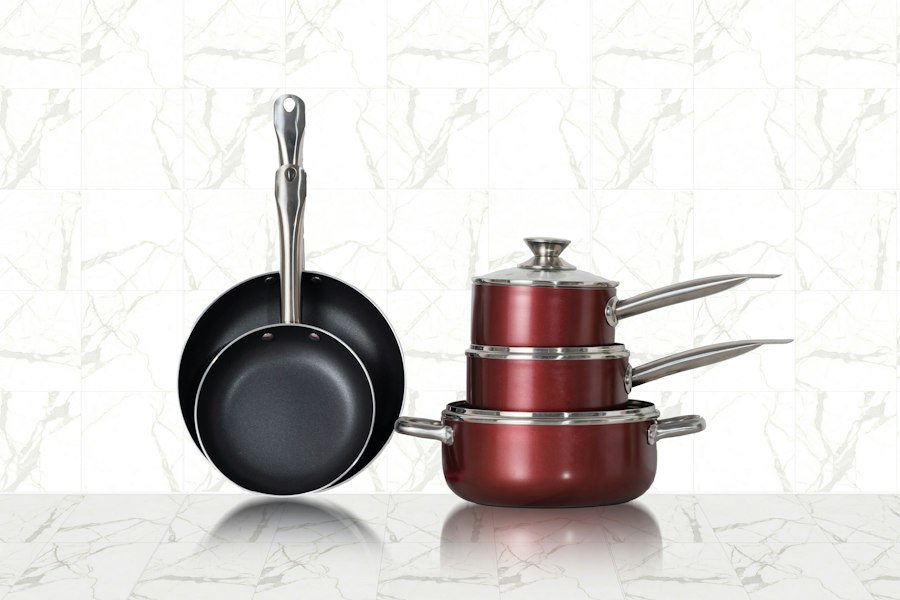
Your induction stove pan isn’t just about performance; it’s also an investment in quality and aesthetics. The materials used and the construction methods employed ensure that your pan will be a reliable and beautiful companion in your kitchen for years to come.
Material Matters: Choosing the Right Foundation
The choice of materials for your induction pan significantly impacts its performance, durability, and ease of use. Understanding these materials will help you make informed decisions and appreciate the craftsmanship.
Stainless Steel: The Versatile Champion
High-quality stainless steel is a popular choice for induction pans due to its durability, non-reactivity (meaning it won’t impart metallic tastes to your food), and magnetic properties. Many induction pans feature a multi-ply construction with a stainless steel exterior and interior, often with an aluminum or copper core for superior heat distribution.
Cast Iron: The Traditional Powerhouse
Plain cast iron and enameled cast iron pans are excellent for induction. Cast iron heats slowly but retains heat exceptionally well, making it ideal for searing and slow cooking. Enameled cast iron offers the same heat retention benefits but with a non-reactive, easier-to-clean surface.
Non-Stick Surfaces: Convenience Meets Induction
If you prefer the convenience of non-stick cooking, you can find induction-compatible non-stick pans. These typically have a ferromagnetic base layer to interact with the cooktop, topped with a durable non-stick coating.
Construction and Craftsmanship: Beyond the Surface
The way your induction pan is constructed is as important as the materials it’s made from. Good construction ensures even heating, durability, and a comfortable cooking experience.
Full Tang and Riveted Handles: For Strength and Stability
Look for pans with a full tang, meaning the metal of the pan extends all the way through the handle. Riveted handles, rather than those that are welded or screwed on, provide exceptional strength and durability, ensuring your handle stays secure even with heavy use.
Even Heat Distribution: The Multi-Ply Marvel
As mentioned earlier, multi-ply construction is key to achieving even heat distribution. By layering materials with different thermal properties, manufacturers can create pans that heat uniformly from the center to the edges, preventing hot spots and ensuring your food cooks consistently.
Ergonomic Design: Comfort in the Kitchen
Beyond the technical aspects, consider the ergonomics of your pan. Comfortable handles that are well-balanced and provide a secure grip make cooking a more enjoyable experience.
Maintenance and Care: Keeping Your Ultimate Heater in Top Form
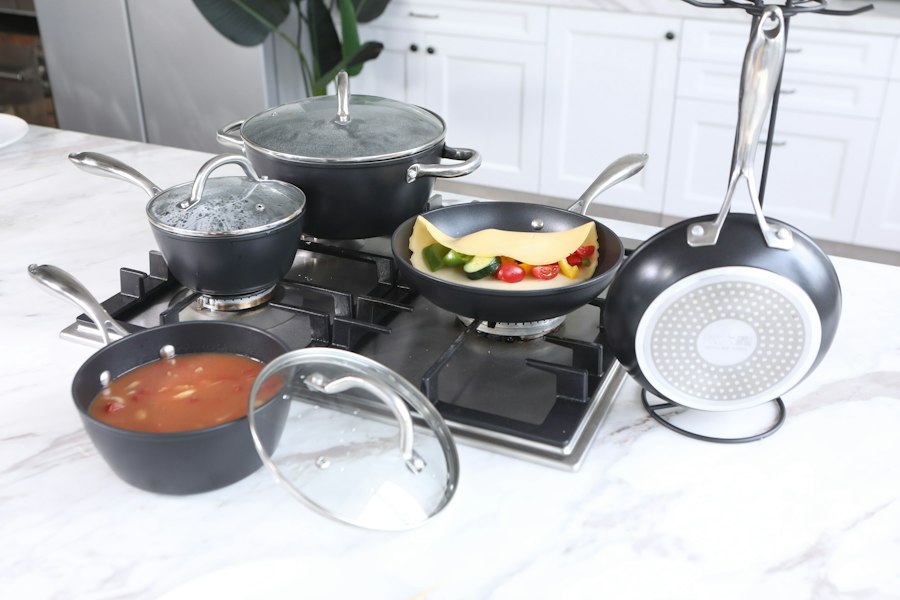
To ensure your induction stove pan continues to perform at its peak and remains a beautiful addition to your kitchen, proper care and maintenance are essential. Treating it well will maximize its lifespan and your cooking enjoyment.
Cleaning Your Induction Pan: Gentle Yet Effective
The best way to clean your induction pan depends on the material it’s made from. Always refer to the manufacturer’s instructions for specific guidance.
Stainless Steel: Scrubbing Away Residue
For stainless steel pans, mild dish soap and warm water are usually sufficient. For stubborn stuck-on food, you can create a paste of baking soda and water and gently scrub. Avoid abrasive scouring pads that can scratch the surface.
Cast Iron: Seasoning and Simplicity
Bare cast iron pans require special care. After each use, wash with hot water (avoiding soap if possible, as it can strip the seasoning). Dry thoroughly and apply a thin layer of cooking oil to the inside surface to maintain the seasoning. Enameled cast iron is much easier to clean and can usually be washed with soap and water.
Non-Stick Surfaces: Preserving the Coating
For non-stick pans, use non-abrasive sponges or cloths and mild dish soap. Avoid metal utensils that can scratch the non-stick coating. Always let the pan cool down before washing it.
Storage Solutions: Protecting Your Investment
Proper storage can prevent damage and keep your induction pans in excellent condition.
Protecting Surfaces: Avoiding Scratches
When stacking pans, use pan protectors or a soft cloth between them to prevent scratching the cooking surfaces. Consider investing in a pot rack or drawer organizers to keep your pans separated and protected.
Keeping Bases Flat: Maintaining Contact
Avoid placing heavy objects on top of your induction pans, as this can warp the bases and affect their contact with the induction cooktop.
Regular Inspection: Catching Issues Early
Periodically inspect your pans for any signs of damage, such as loose handles or significant warping. Addressing these issues early can prevent further damage and ensure safe cooking.
When exploring the benefits of using an induction stove, it’s essential to understand how the induction stove pan acts as the heater, efficiently transferring heat directly to the cookware. This innovative cooking method not only saves energy but also provides precise temperature control, making it a favorite among culinary enthusiasts. For a deeper dive into the science behind induction cooking and its advantages, you can read a related article that offers valuable insights on this topic. To learn more, visit this informative article.
Beyond the Basics: Unleashing the Full Potential of Your Induction Pan
| Metric | Value | Unit | Notes |
|---|---|---|---|
| Heating Method | Induction | – | Uses electromagnetic field to heat pan directly |
| Pan Material | Ferromagnetic (e.g., cast iron, stainless steel) | – | Required for induction heating to work |
| Heating Efficiency | 80-90 | % | Higher than traditional electric or gas stoves |
| Heat Transfer Speed | Rapid | – | Pan heats up quickly due to direct induction |
| Surface Temperature | Relatively low | °C | Cooktop surface remains cooler than pan |
| Power Consumption | 1000-3000 | Watts | Varies by stove model and setting |
| Safety Feature | Auto shut-off | – | Turns off if no pan detected |
You’ve mastered the fundamentals of your induction pan. Now, let’s explore how to truly unlock its potential and elevate your culinary creations. This is where your understanding of its unique properties can lead to exciting new techniques and delicious results.
Mastering the Sear: The Maillard Reaction at its Finest
The precision temperature control of your induction pan is a game-changer for achieving the perfect sear. The Maillard reaction, responsible for the browning and complex flavors in seared foods, thrives on high, consistent heat.
Preheating is Paramount: The Foundation of a Good Sear
Allow your induction pan to preheat thoroughly on a medium-high to high setting. This ensures the surface is hot enough to create an immediate crust when your food makes contact.
The “Sizzle” Test: Knowing When It’s Ready
A common test is to flick a few drops of water onto the pan. If they evaporate almost instantly with a lively sizzle, your pan is ready.
Don’t Crowd the Pan: Allowing for Optimal Browning
Resist the urge to overcrowd your pan. This lowers the pan’s temperature and leads to steaming rather than searing. Cook in batches if necessary to achieve that beautiful brown crust.
Delicate Sauces and Emulsions: The Art of Control
Creating smooth, velvety sauces and stable emulsions often requires precise temperature management, an area where your induction pan truly shines.
Gentle Simmering: Avoiding Scorching and Separation
The ability to maintain a consistent, low simmer is crucial for sauces like hollandaise or béarnaise, which can easily break or scorch. Your induction pan allows you to set and forget, knowing the heat will remain steady.
Emulsification Mastery: The Dance of Oil and Water
For emulsifications like mayonnaise or vinaigrettes, the gradual addition of ingredients while whisking is key. The responsive temperature control of your induction pan prevents overcooking or curdling, ensuring a smooth and stable mixture.
Tempering Chocolate: A Nuanced Task Made Easier
Tempering chocolate, a seemingly daunting task, becomes much more manageable with induction. The ability to melt chocolate gently over low heat and then quickly cool it down with precise temperature adjustments allows you to achieve that perfect snap and glossy finish.
One-Pan Wonders: Efficiency and Flavor Combined
The speed and even heating of your induction pan make it the perfect tool for one-pan meals, minimizing cleanup and maximizing flavor.
Sautéing and Stir-Frying: Quick and Delicious Results
From vibrant vegetable stir-fries to quick sautéed chicken and vegetables, your induction pan heats up rapidly, allowing for fast cooking without sacrificing flavor.
Roasting and Braising: Versatility Beyond the Stovetop
Certain oven-safe induction pans can transition seamlessly from stovetop searing to oven braising or roasting, offering incredible versatility and simplifying your cooking process.
Baked Dishes: Finishing Touches of Perfection
For dishes that require a final crisping or browning in the oven, an oven-safe induction pan ensures consistent heat transfer throughout the cooking process.
Your induction stove pan is more than just a vessel; it’s a sophisticated tool that empowers you in the kitchen. By understanding its underlying principles, embracing its speed and precision, and caring for it properly, you’ll discover a new world of culinary possibilities. So go ahead, experiment, create, and let your induction pan be the ultimate heater that brings your culinary visions to life.
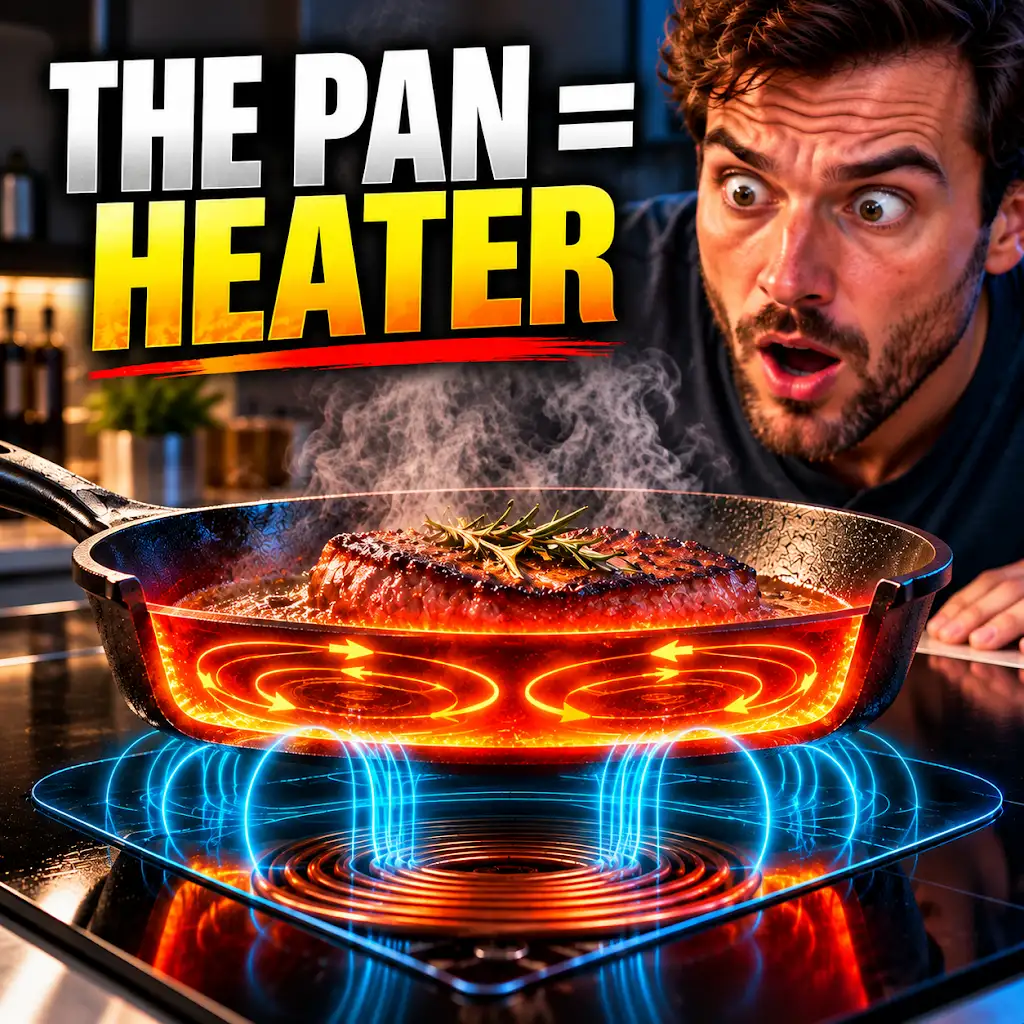
The Pan Is the Heater: How Induction Cooking Really Works
FAQs
What is an induction stove pan?
An induction stove pan is a type of cookware specifically designed to be used on induction cooktops. It is made with a magnetic base that allows it to heat up quickly and efficiently when placed on an induction stove.
How does an induction stove pan work?
An induction stove pan works by creating a magnetic field between the pan and the induction cooktop. When the pan is placed on the cooktop, the magnetic field induces electrical currents in the pan, which generates heat and cooks the food inside the pan.
What are the benefits of using an induction stove pan?
Some benefits of using an induction stove pan include faster heating times, more precise temperature control, energy efficiency, and safety features such as automatic shut-off when the pan is removed from the cooktop.
Can any pan be used on an induction stove?
Not all pans can be used on an induction stove. Only cookware with a magnetic base, such as cast iron, stainless steel, or certain types of aluminum pans, can be used on an induction cooktop. Non-magnetic pans, such as copper or glass, will not work on an induction stove.
Are induction stove pans safe to use?
Yes, induction stove pans are generally safe to use. They heat up quickly and evenly, reducing the risk of hot spots and burns. Additionally, induction cooktops have safety features such as automatic shut-off and child lock functions to prevent accidents.