
You might think of cooking as a dance between ingredients and heat, a delicate balance of flavors and textures. But beneath the surface of every perfectly seared steak, every simmering sauce, every fluffy baked good, lies a silent, unsung hero: the pan. You use them every day, perhaps without much thought, reaching for the familiar weight of a skillet, the satisfying clink of a saucepan. Yet, these seemingly simple vessels are the very engine of your culinary endeavors, the essential heating element that transforms raw food into delicious sustenance.
The Foundation of Your Culinary Creations
Think about it. Without a pan, how would you brown your onions to aromatic perfection? How would you coax a creamy béchamel sauce into existence? How would you achieve that coveted crispy skin on your roasted chicken? The pan is not merely a container; it is an active participant in the cooking process, conducting heat, distributing it evenly, and interacting directly with your food to create the desired chemical and physical transformations. Your journey in the kitchen, from the simplest scrambled eggs to the most ambitious multi-course meal, begins and ends with the pan.
You’ve likely encountered various terms thrown around when discussing cookware: conduction, convection, radiation. While these might sound like abstract physics concepts, they are fundamental to understanding how your pan works its magic. At its core, a pan is designed to efficiently transfer heat from your stovetop or oven to your food. This transfer is crucial for cooking, and different materials and designs excel at different types of heat transfer.
Understanding Heat Transfer in Your Pan
- Conduction: The Direct Connection
Conduction is the most direct form of heat transfer in cooking, and it’s precisely what your pan is designed to facilitate. When you place your pan on a hot burner, the heat directly transfers from the burner’s surface to the base of the pan. This heat then travels upwards through the walls of the pan and into the food you’ve placed inside. The effectiveness of conduction depends heavily on the material of your pan. Metals, being excellent conductors, transfer heat quickly and efficiently. This is why you’ll find that your favorite stainless steel or cast iron pan heats up relatively fast. The thicker the base of your pan, the more stable the heat distribution through conduction, preventing hot spots and ensuring more even cooking.
- Convection: The Flowing Heat
While conduction is about direct contact, convection involves the movement of heat through fluids – in this case, liquids or gases within your pan. When you’re simmering a stew or boiling pasta, the liquid in the pan heats up, becomes less dense, and rises, while cooler, denser liquid sinks. This circulating motion, known as convection currents, helps to distribute heat throughout the liquid and cook your food evenly. The shape of your pan can influence convection. A pot with straight sides, for instance, will encourage a more pronounced convection flow compared to a shallow sauté pan. Similarly, the steam generated from liquids within the pan also plays a role in convective heating, enveloping your food in a hot, humid environment.
- Radiation: The Invisible Embrace
Radiation is the transfer of heat through electromagnetic waves. While less directly controlled by the pan itself, it’s still a factor. Your stovetop burner, whether gas or electric, radiates heat, and your pan absorbs this radiant energy. The surface of your pan also radiates heat outwards, contributing to the overall cooking environment. Darker, matte surfaces tend to absorb and radiate heat more effectively than shiny, polished surfaces. This is one reason why well-seasoned cast iron, with its dark, matte finish, can achieve such impressive searing capabilities. The radiant heat from a hot oven also plays a significant role when you’re baking or roasting in oven-safe pans.
In exploring the dynamics of cooking, the heating element of a pan plays a crucial role in the overall efficiency and effectiveness of food preparation. For a deeper understanding of how different materials and designs influence heat distribution and retention in cookware, you can refer to this insightful article on the science of cooking at Freaky Science. This resource delves into the principles of thermal conductivity and how they affect the cooking process, providing valuable information for both amateur cooks and culinary professionals alike.
Material Matters: The Diverse World of Pan Construction
You’ve probably noticed that not all pans are created equal. They come in a dazzling array of materials, each with its own unique properties that influence how they heat, cook, and perform. Choosing the right material for your needs is like selecting the right tool for a specific job – it can make all the difference in your culinary success.
Stainless Steel: The Versatile Workhorse
You’ll find stainless steel pans in most kitchens, and for good reason. They are durable, non-reactive, and relatively easy to care for.
- The Core of the Matter: Many high-quality stainless steel pans feature a core of aluminum or copper sandwiched between layers of stainless steel. This layered construction is crucial. Stainless steel itself is a poor conductor of heat. The aluminum or copper core, however, is an excellent conductor, allowing for much more even heat distribution. Without this core, you’d likely experience significant hot spots, leading to unevenly cooked food.
- Pros and Cons: Stainless steel is resistant to staining, warping, and corrosion. It’s also oven-safe to high temperatures and can go from stovetop to broiler. However, food can sometimes stick to stainless steel if not properly preheated and oiled, especially if you’re cooking delicate items like eggs or fish. While non-reactive, some individuals with nickel allergies might find certain stainless steel cookware problematic.
Cast Iron: The Enduring Classic
Cast iron is a material that evokes a sense of tradition and reliability. These heavy-duty pans are built to last for generations, and when properly cared for, they offer unparalleled heat retention and searing capabilities.
- The Magic of Seasoning: Cast iron isn’t typically coated with non-stick finishes. Instead, its non-stick properties are developed through a process called “seasoning.” This involves baking layers of oil onto the surface of the pan, creating a polymerized layer that repels food. The more you use and season your cast iron, the more naturally non-stick it becomes.
- Heat Retention and Searing Prowess: Cast iron heats up slowly but retains heat exceptionally well. This means once it’s hot, it stays hot, making it ideal for searing meats, creating beautiful crusts, and maintaining consistent cooking temperatures for dishes like cornbread or Dutch baby pancakes. The trade-off for this heat retention is that cast iron can be prone to thermal shock; sudden temperature changes can cause it to crack. It also requires more meticulous care, including hand washing and immediate drying to prevent rust.
Non-Stick Pans: The Beginner’s Best Friend
For those who prioritize ease of use and a frustration-free cooking experience, non-stick pans are a popular choice. They are particularly well-suited for delicate foods and those prone to sticking.
- The Coating Factor: Non-stick pans typically feature a surface coating, most commonly PTFE (polytetrafluoroethylene), often known by the brand name Teflon, or ceramic-based coatings. These coatings create a smooth, low-friction surface that prevents food from adhering.
- Convenience and Limitations: The convenience of non-stick is undeniable. Food slides right off, and cleanup is usually a breeze. However, non-stick coatings can be less durable than other pan materials and can be scratched or damaged by metal utensils or abrasive cleaning. High heat can also degrade some non-stick coatings, and there have been past concerns about the health implications of overheating certain types of these coatings. Always follow the manufacturer’s instructions regarding heat limits and utensil use.
Copper: The Conductor’s Crown Jewel
Copper is renowned for its exceptional conductivity, making it a favorite among professional chefs. It offers precise temperature control, allowing for incredibly delicate cooking.
- The Thermal Responsiveness: Copper heats up and cools down incredibly quickly, responding almost instantly to changes in heat on your stovetop. This makes it perfect for sauces, custards, and anything that requires meticulous temperature management.
- Aesthetic Appeal and Cost: Copper pans are also strikingly beautiful, with their warm, lustrous sheen. However, this beauty and superior performance come at a price. Copper cookware is typically the most expensive option, and like stainless steel, it often features a lining (usually stainless steel or tin) to prevent the reactive copper from affecting the taste of your food. It also requires regular polishing to maintain its gleam.
Enameled Cast Iron: The Best of Both Worlds
Enameled cast iron attempts to combine the superior heat retention of cast iron with the ease of use and non-reactivity of enamel.
- The Protective Layer: These pans are essentially cast iron pots and pans coated with a porcelain enamel glaze. This glaze provides a smooth, non-porous, and colorful finish that is resistant to staining and rust.
- Durability and Versatility: Enameled cast iron is a fantastic option for braising, stewing, and slow cooking. The enamel is generally durable, though chips can occur if the pan is dropped or subjected to extreme temperature changes. It’s also oven-safe and can be used on most stovetops (check manufacturer guidelines for induction compatibility).
The Diverse Forms of the Pan: Shapes for Every Task
Beyond material, the shape and design of your pan play a critical role in its functionality. Each form is optimized for a specific cooking technique, allowing you to achieve different results with precision and ease. Understanding these shapes will empower you to select the perfect pan for any culinary endeavor.
The Sauté Pan: The Master of Versatility
The sauté pan is a true kitchen workhorse, deserving of its place in every cook’s arsenal. Its design makes it incredibly versatile.
- Characteristics: Typically features straight, high sides and a flat bottom. The high sides are designed to contain ingredients and liquids, minimizing splattering and allowing for efficient simmering and braising. The flat bottom ensures good contact with the heat source.
- Ideal Uses: Perfect for sautéing vegetables, searing meats, pan-frying, and making pan sauces. You can also use it for shallow frying and even some baking applications. Its ability to transition from stovetop to oven makes it exceptionally useful.
The Saucepan: The Simmering Specialist
When you need to gently cook liquids, create velvety sauces, or reheat leftovers, the saucepan is your go-to.
- Design Elements: Characterized by straight, tall sides and a long handle. The tall sides are crucial for preventing evaporation and splattering, ensuring that your liquids stay contained while they heat and reduce. The long handle provides leverage and keeps your hand away from the heat.
- Key Applications: Essential for making sauces, gravies, custards, and soups. Also perfect for boiling water for pasta or vegetables, and for reheating leftovers without drying them out. You’ll often find them with lids, which further helps in retaining heat and moisture.
The Stockpot: The Large-Scale Simmerer
For hearty soups, robust stocks, and boiling large quantities of pasta or shellfish, the stockpot is indispensable.
- Generous Proportions: These are large, deep pots with straight sides and a wide opening. Their size allows for ample liquid and ingredients, and the depth helps to minimize boil-overs.
- Essential for Bulk Cooking: The stockpot is your best friend for making bone broth, preparing large batches of chili or stew, boiling ears of corn, or cooking a whole chicken for stock. Most come with lids to help maintain consistent heat and prevent impurities from falling in.
The Skillet/Frying Pan: The Searing Star
The skillet, often referred to as a frying pan, is where you achieve that perfect sear, those crispy edges, and the foundation for many delicious dishes.
- Sloped Sides for Movement: Skillets typically have sloped sides that facilitate tossing and flipping food. This design allows for easy maneuvering of ingredients during frying, sautéing, and stirring.
- The Searing Powerhouse: Ideal for frying eggs, bacon, and hash browns, as well as searing steaks, chicken breasts, and pork chops. The wide, flat bottom ensures good contact for achieving a beautiful crust. Different materials, like cast iron, excel at this due to their superior heat retention.
The Wok: The High-Heat Stir-Fry Specialist
The wok is a traditional Asian cooking vessel that has gained global popularity for its efficiency in high-heat cooking.
- Unique Curved Shape: Characterized by its deep, rounded bottom and high, flared sides. This shape allows for rapid heating and efficient stir-frying, where ingredients are constantly moved and tossed.
- Beyond Stir-Frying: While perfect for stir-fries, woks can also be used for deep-frying, steaming, smoking, and even pan-roading. The curved surface allows oil to collect at the bottom, creating a hot zone for searing, while the cooler sides are perfect for gently cooking ingredients.
The Grill Pan: The Indoor Barbecue Experience
For those who crave the charred marks and smoky flavor of grilled food but lack outdoor space, the grill pan is a revelation.
- Ridged Surface: Grill pans feature raised ridges that mimic the bars of an outdoor grill. These ridges sear the food, creating those characteristic grill marks and allowing fat to drain away from the food.
- Simulating the Grill: Excellent for cooking steaks, burgers, chicken, fish, and even vegetables indoors. The channels between the ridges allow heat to circulate and create the desired char.
The Essential Features: What Makes a Pan Great
Beyond material and shape, several other features contribute to a pan’s overall quality and usability. These are the details that can elevate your cooking experience from good to exceptional.
Handles: Comfort, Control, and Durability
The handle of your pan is your primary point of contact and control. A well-designed handle should feel comfortable in your hand, provide a secure grip, and remain cool during cooking.
- Material Matters: Handles can be made from various materials, including metal (often stainless steel), silicone, or wood. Metal handles are typically oven-safe but can get hot. Silicone provides insulation and a comfortable grip but may have lower oven-safe temperature limits. Wooden handles offer a natural feel and insulation but are not oven-safe and can degrade over time.
- Attachment Method: Look for handles that are securely riveted or welded to the pan. This ensures durability and prevents the handle from becoming wobbly over time. For cookware intended for oven use, ensure the handle is also oven-safe.
Lids: Sealing in Flavor and Moisture
A well-fitting lid is an essential accessory for many types of pans, particularly saucepans, stockpots, and sauté pans.
- Heat and Moisture Retention: Lids trap heat and moisture, allowing for more efficient cooking, especially when simmering, braising, or steaming. This helps to tenderize food and prevent it from drying out.
- Material and Fit: Lids can be made from glass, metal, or silicone. Glass lids allow you to monitor your food without lifting the lid, while metal lids are generally more durable. Ensure the lid fits snugly onto the pan to create a good seal. Some lids have steam vents to prevent pressure buildup.
Base Thickness: The Key to Even Heating
The thickness of the pan’s base is a critical factor in its ability to conduct and distribute heat evenly.
- Preventing Hot Spots: A thicker base, especially when combined with a conductive core material, helps to absorb and spread heat more uniformly across the cooking surface. This minimizes hot spots, which can lead to unevenly cooked food and burning.
- Durability and Stability: Thicker bases also contribute to the overall durability and stability of the pan, making it less prone to warping.
In exploring the science behind cooking, it’s fascinating to consider how the pan serves as the primary heating element in many culinary processes. The material and design of the pan can significantly influence heat distribution and cooking efficiency. For a deeper understanding of this topic, you might find the article on the science of cooking particularly enlightening. It discusses various aspects of heat transfer and material properties that affect how effectively a pan can cook food. You can read more about it in this related article.
The Pan in Action: Practical Applications and Care
| Metric | Explanation | Relevance to Pan as Heating Element |
|---|---|---|
| Thermal Conductivity | Measure of a material’s ability to conduct heat (W/m·K) | Pans made of metals like aluminum or copper have high thermal conductivity, allowing efficient heat transfer from the stove to the food. |
| Heat Capacity | Amount of heat required to raise the temperature of the pan (J/kg·K) | Determines how quickly the pan heats up and retains heat, affecting cooking performance. |
| Surface Area in Contact | Area of the pan base in contact with the heat source (cm²) | Larger contact area improves heat transfer efficiency from the heating element to the pan. |
| Material Thickness | Thickness of the pan base (mm) | Thicker pans distribute heat more evenly but take longer to heat up. |
| Heat Source Type | Type of heating element (electric coil, induction, gas flame) | Induction requires pans with magnetic properties; gas and electric coil heat pans directly. |
| Temperature Range | Typical operating temperature of the pan surface (°C) | Determines suitability for different cooking methods and heat tolerance of pan materials. |
Now that you understand the different types of pans and their features, let’s delve into how you actually use them and how to best care for them to ensure longevity and optimal performance.
Preheating: The Secret to Success
You’ve heard it before, and it bears repeating: preheating is crucial for most cooking techniques, especially when using stainless steel or cast iron.
- Achieving the Sear: Proper preheating allows your pan to reach the optimal temperature for searing. When you add your food to a hot pan, it immediately begins to brown and develop a crust. If the pan isn’t hot enough, the food will steam and stick.
- Preventing Sticking: For non-stick pans, preheating is still important, but at a slightly lower temperature to avoid degrading the coating. For stainless steel, preheating followed by adding oil and then your food creates a barrier that helps prevent sticking.
Temperature Control: The Art of the Flame
Mastering your stovetop’s heat settings is paramount to successful cooking. Your pan acts as the intermediary, so understanding how it responds to heat is key.
- Low and Slow vs. High and Fast: Some dishes, like delicate sauces or slow-cooked stews, require low, gentle heat. Others, like searing steaks or stir-frying, demand high, intense heat. Your choice of pan material will influence how quickly it responds to these temperature changes.
- Observing and Adjusting: Learn to observe how your pan heats and cooks. Don’t be afraid to adjust the heat as needed. A good pan will respond predictably to your adjustments, allowing you to fine-tune the cooking process.
Cleaning and Maintenance: Preserving Your Investment
The way you clean and maintain your pans will directly impact their lifespan and performance.
- Material-Specific Care: Different materials require different cleaning methods. Stainless steel can usually be washed with soap and water, though some stubborn stains might require a bit of elbow grease or specialized cleaners. Cast iron requires hand washing, immediate drying, and occasional re-seasoning. Non-stick pans should be washed gently with a soft sponge and mild soap to avoid damaging the coating.
- Avoiding Abrasives: Generally, avoid abrasive scrubbers, steel wool, and harsh detergents, as these can scratch surfaces and damage protective coatings.
- Storage Matters: Store your pans properly to prevent scratching and damage. Consider using pan protectors or dividers, especially for non-stick and enameled cookware. Avoid nesting pans too tightly if they have raised edges that could scratch.
You see, the pan is far more than just a piece of cookware. It is the silent partner in your culinary journey, the essential heating element that makes your delicious creations possible. By understanding its materials, shapes, features, and how to use and care for it, you unlock a new level of control and creativity in your kitchen. So, the next time you reach for your favorite pan, take a moment to appreciate the intricate science and thoughtful design that makes it such an indispensable tool. You are not just holding a pan; you are holding the key to countless delicious possibilities.
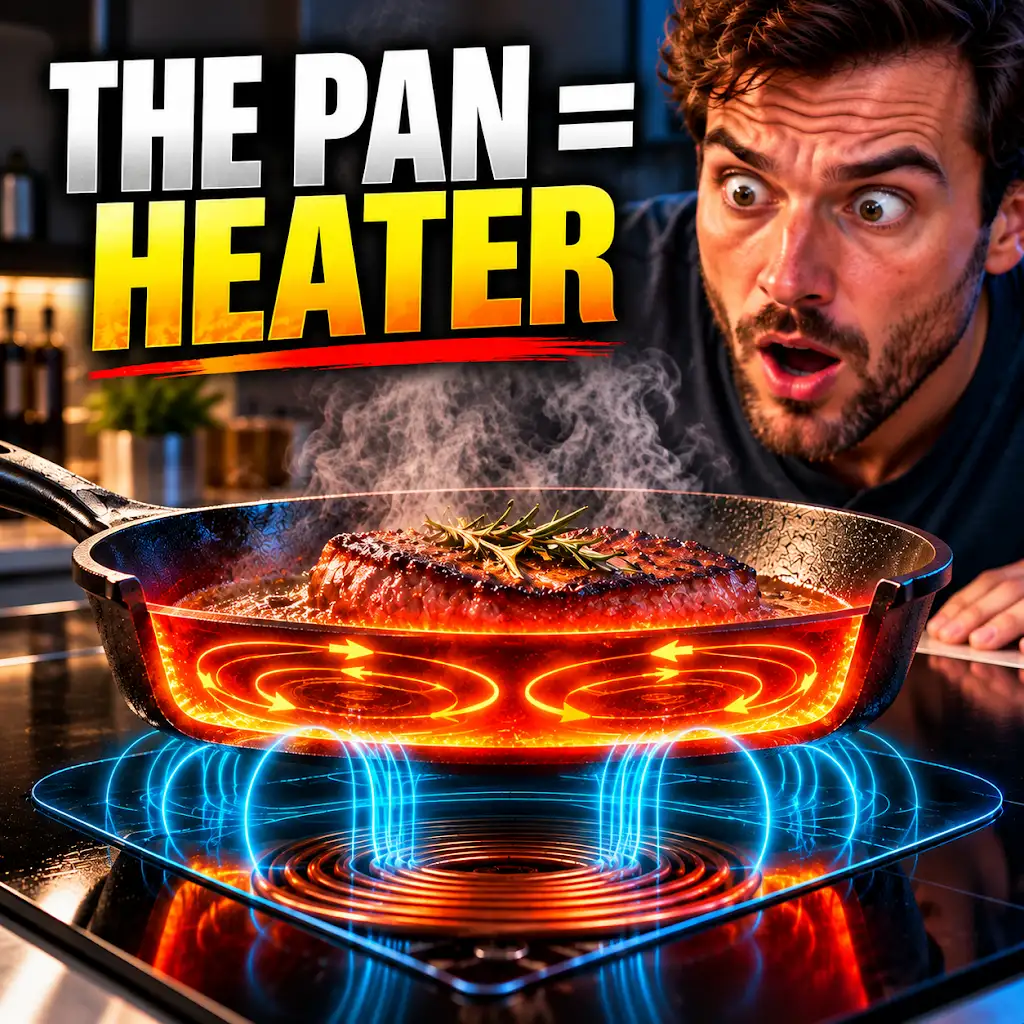
The Pan Is the Heater: How Induction Cooking Really Works
FAQs
What is the heating element in a pan?
The pan itself acts as the heating element in this context, as it directly transfers heat to the food being cooked.
How does the pan heat up the food?
When the pan is placed on a heat source, such as a stove or induction cooktop, the pan absorbs the heat and transfers it to the food through conduction.
Why is the pan considered the heating element?
The pan is considered the heating element because it is the direct source of heat that cooks the food, unlike traditional heating elements found in ovens or stovetops.
What are the advantages of using the pan as the heating element?
Using the pan as the heating element allows for more precise control over the cooking temperature, faster heating times, and even heat distribution across the surface of the food.
Can any type of pan be used as a heating element?
Most types of pans can be used as a heating element, but pans with good heat conductivity, such as cast iron or copper, are more efficient at transferring heat to the food.