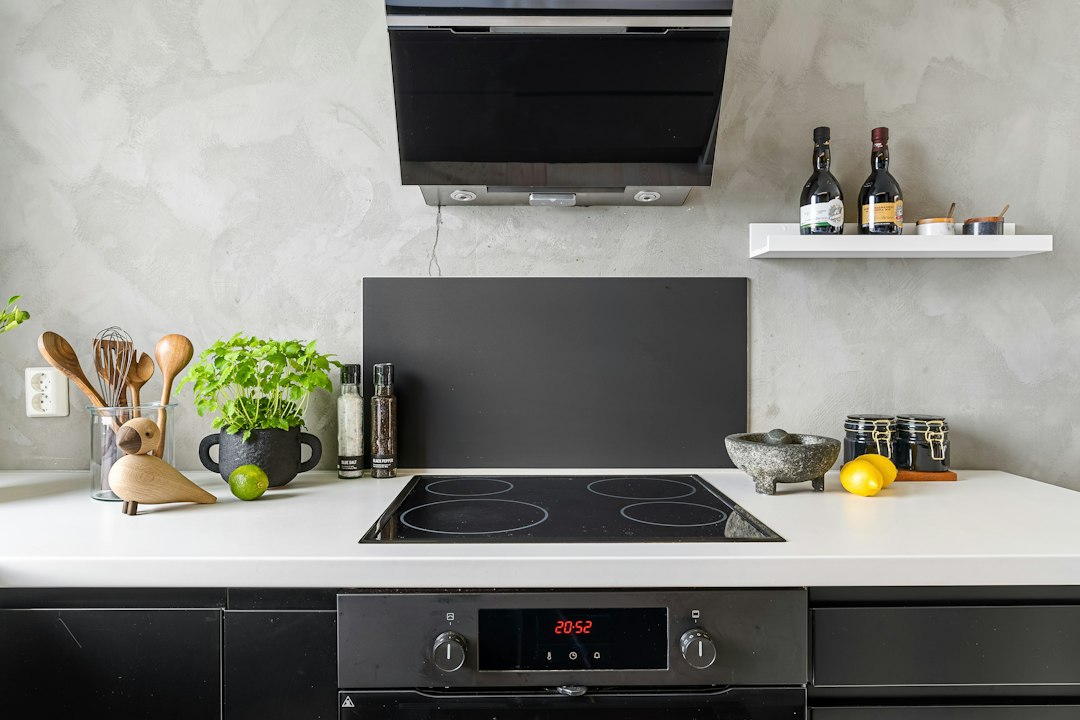
You’ve probably stood in front of your sleek, modern induction cooktop, marveling at its efficiency. You place a pot on its smooth glass surface, select a temperature, and within moments, steam begins to rise, water boils, and your culinary creations start to come to life. It’s an almost magical experience, so much so that it can be a little baffling when you reach out to touch the glass, expecting it to be cool, and instead find it… hot. You might even wonder, “Why does my induction stove glass get hot? Isn’t induction supposed to heat the pan directly?” You’re not alone in this curiosity. The science behind induction cooking, while incredibly efficient, also explains this seemingly counterintuitive phenomenon.
At the heart of your induction stove lies the principle of electromagnetic induction. This is the process by which a changing magnetic field can produce an electric current in a nearby conductor. Your induction cooktop doesn’t generate heat in the traditional sense by heating a resistive element. Instead, it leverages this fundamental physics principle to create heat directly within your cookware.
How the Magnetic Field is Generated
Beneath the glass surface of your induction cooktop, you’ll find a coil of copper wire. When you turn on the stove and select a heat setting, an alternating electrical current is passed through this coil. This alternating current creates a rapidly fluctuating magnetic field above the coil. Think of it like an invisible, pulsating wave of magnetic energy emanating upwards. This magnetic field is the key ingredient that will eventually lead to the heat you feel on the glass.
The Role of Ferromagnetic Cookware
Crucially, for induction cooking to work, your cookware needs to be made of a ferromagnetic material. This means it must be attracted to magnets. Common materials include cast iron and many types of stainless steel. When you place a ferromagnetic pot or pan on the induction surface, this rapidly changing magnetic field from the coil interacts with the metal of your cookware.
Eddy Currents: The Hidden Heat Generators
As the fluctuating magnetic field passes through the ferromagnetic base of your pot or pan, it induces electrical currents within the metal itself. These are known as “eddy currents.” Because the metal in your cookware has electrical resistance, these eddy currents flowing through it generate heat. This is the primary source of heat for your cooking. The more vigorous the magnetic field fluctuations and the higher the electrical resistance of the cookware, the more heat is generated. It’s an incredibly efficient energy transfer, with most of the energy going directly into heating your food.
Induction stoves are known for their efficiency and speed in cooking, but many users often wonder why the glass surface of these stoves gets hot during operation. This phenomenon occurs due to the heat transfer from the cookware to the glass surface, which can be explained in detail in a related article. For more insights into the science behind induction cooking and the heating of stove surfaces, you can read more at Freaky Science.
The Direct Transfer vs. Indirect Heating Paradox
You might be thinking, “If the heat is generated in the pan, why does the glass get hot?” This is where the perceived paradox lies. While the primary heat generation happens within the cookware, the induction process isn’t perfectly isolated. There are several reasons why the glass surface does indeed warm up.
Heat Conduction: The Bridge of Warmth
Even though the glass itself is not the primary heat generator, it’s in direct physical contact with the hot cookware. Heat transfer occurs through conduction, the process by which thermal energy moves from one object to another through direct contact. As your pan heats up, it transfers some of that heat to the glass surface it’s resting on. Think of it like placing a hot stone on a piece of wood – the wood will eventually warm up. The extent of this heat transfer depends on factors like the temperature of the pan, the duration of cooking, and the thermal conductivity of both the pan and the glass.
Residual Heat and Thermal Mass
The glass surface of your induction cooktop has a certain thermal mass. This means it can absorb and retain heat. Even after you remove a hot pan, the glass will remain warm for a period as it gradually dissipates the absorbed heat into the surrounding air. This residual heat can contribute to the sensation of the glass being hot.
Imperfect Insulation
While induction cooktops are designed to be energy-efficient and minimize wasted heat, the insulation between the heating coil and the glass surface isn’t perfect. Some of the heat generated by the eddy currents in the cookware will inevitably radiate or conduct upwards, contributing to the warming of the glass. The design of the cooktop, including the thickness and material of the glass, plays a role in how much heat is transferred.
Materials Science: The Role of the Glass
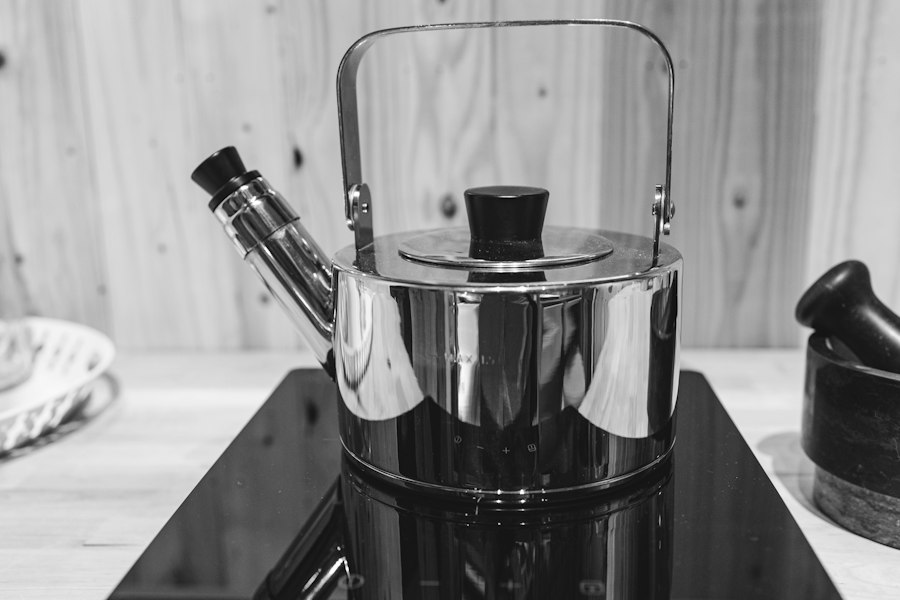
The type of glass used in your induction cooktop is not just for aesthetics; its properties are crucial for both safety and performance. While it might seem like any glass would do, specialized ceramic glass is employed for very good reasons, and its thermal properties are part of why it gets hot.
Toughened Ceramic Glass: Durability and Heat Resistance
Induction cooktops typically use a type of toughened ceramic glass, often referred to as tempered glass or Schott Ceran glass (a well-known brand). This glass is specifically engineered to withstand high temperatures, rapid temperature changes (thermal shock), and physical impact. It’s designed to be robust enough to handle the rigors of everyday cooking.
Thermal Expansion and Contraction
Like most materials, the ceramic glass of your cooktop will expand slightly when heated and contract when cooled. While the glass is designed to handle these changes without cracking, this expansion means the molecules within the glass are moving more vigorously, a direct indicator of increased thermal energy. This thermal expansion is a natural consequence of heating.
Thermal Conductivity of Glass
Ceramic glass, while chosen for its durability, is not a perfect insulator. It has a moderate level of thermal conductivity. This means that heat can travel through it. So, as mentioned before, heat from the hot pan is conducted through the glass. The specific thermal conductivity of the ceramic glass is a design consideration that balances efficient heat transfer from the pan to the cooking surface with a desire to minimize heat loss downwards and into the surrounding environment.
Beyond the Induction: Other Sources of Heat
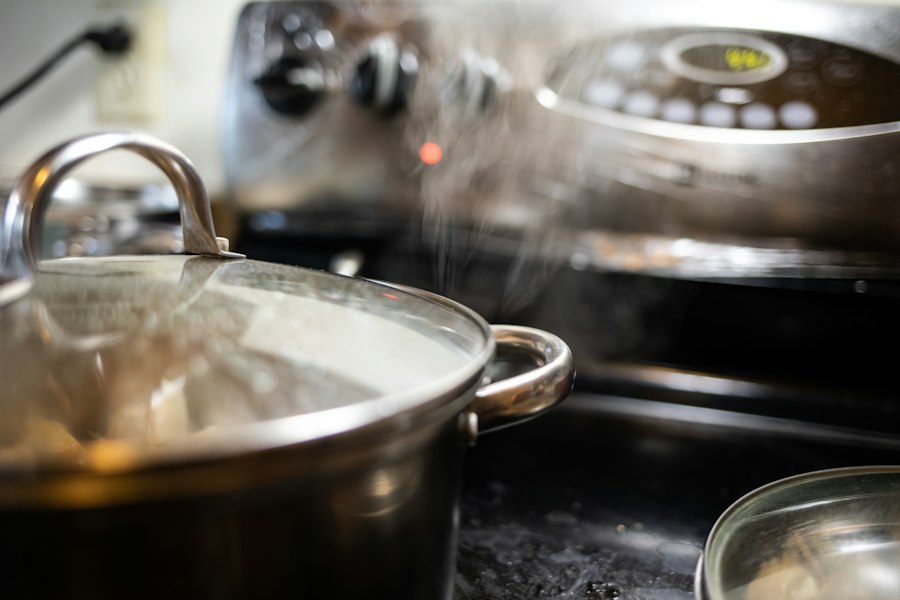
While induction is the primary heating mechanism, there are other factors that can contribute to the glass surface feeling hot, especially after prolonged use.
Convection and Radiation from the Pan
Even though induction is primarily about generating heat within the pan, the pan itself is a source of heat. As it gets hotter, it will radiate thermal energy outwards, including upwards towards the glass. Additionally, the air heated by the pan will rise, creating a convection current that can also warm the glass surface.
Residual Heat from Previous Cooking Cycles
If you’ve been cooking for a while, especially at high temperatures, the glass surface will have accumulated residual heat. This heat doesn’t dissipate instantly. Even after you’ve turned off the heat and removed your cookware, the glass will remain warm for some time as it gradually cools down to room temperature. This is a natural consequence of any heating element and its surrounding surfaces.
Cleaning Residue and Hot Spots
Sometimes, spills or residue left on the cooktop can contribute to localized hot spots. If food particles or grease are left on the glass, they can burn and create concentrated areas of heat. This can lead to the glass in those specific areas feeling hotter than the surrounding surface. Regular cleaning is essential to prevent this.
Induction stoves are known for their efficiency, but many users often wonder why the glass surface gets hot during cooking. This phenomenon occurs due to the heat generated by the cookware itself, which transfers to the glass as it comes into contact with the magnetic field created by the stove. For a deeper understanding of this topic, you can explore a related article that delves into the science behind induction cooking and its effects on various materials. To learn more, visit this informative article.
Safety and Practical Considerations: Managing the Heat
| Factor | Description | Impact on Glass Temperature | Typical Temperature Range (°C) |
|---|---|---|---|
| Electromagnetic Induction | Induction stove generates magnetic fields that induce currents in the cookware. | Indirect heating of glass through cookware and residual heat. | 30 – 50 (glass surface near cookware) |
| Cookware Material | Ferromagnetic cookware heats efficiently; non-ferromagnetic cookware heats less. | More heat transferred to glass with ferromagnetic cookware. | 40 – 70 (depending on cookware type) |
| Heat Transfer Mechanism | Heat from cookware transfers to glass via conduction and radiation. | Glass temperature rises as cookware heats up. | 50 – 100 (near hot cookware) |
| Residual Heat | Glass retains heat after cooking due to thermal mass. | Glass remains hot for several minutes post-use. | 40 – 80 (post cooking) |
| Glass Material | Tempered glass used for durability and heat resistance. | Glass can withstand high temperatures but still gets hot. | Up to 150 (maximum tolerance) |
| Cooking Duration | Longer cooking times increase heat buildup in glass. | Prolonged exposure raises glass temperature. | 60 – 120 (after extended cooking) |
Understanding why your induction stove glass gets hot is crucial for safe and efficient use. It’s not just an academic exercise; it has practical implications for how you interact with your appliance.
The Importance of Cooling Down
Always allow your induction cooktop to cool down after use before cleaning or touching the surface extensively. Even if the heating element is off, the residual heat in the glass can still be significant enough to cause a burn. You’ll often see indicator lights on the cooktop that signal when the surface is still hot. Pay attention to these.
Using Appropriate Cookware
The efficiency of induction cooking and the amount of heat transferred to the glass are also influenced by the quality and type of cookware you use. Pans with very thin bases might heat up more intensely, potentially transferring more heat to the glass. Conversely, well-constructed pans with thick, flat bases tend to distribute heat more evenly and may result in slightly less direct heat transfer to the glass. Always ensure your cookware is induction-compatible and in good condition.
Cleaning and Maintenance
Proper cleaning is not just about aesthetics; it’s also about preventing the glass from becoming hotter than it needs to be. Spills and burnt-on food can create hot spots and affect the overall thermal performance of the cooktop. Use a recommended ceramic cooktop cleaner and a soft cloth to gently clean the surface. Avoid abrasive materials that can scratch the glass.
In conclusion, while induction cooktops are renowned for their ability to heat cookware directly and efficiently, the glass surface inevitably gets hot. This is a consequence of fundamental physics principles, including electromagnetic induction, heat conduction, and the thermal properties of the materials used. The heat generated within your ferromagnetic cookware is transferred to the glass through direct contact, radiation, and convection. The specialized ceramic glass, while durable and heat-resistant, also has thermal conductivity that allows this heat to spread. By understanding the science behind this phenomenon, you can use your induction stove safely and effectively, appreciating the sophisticated technology that makes your cooking experience so remarkable.
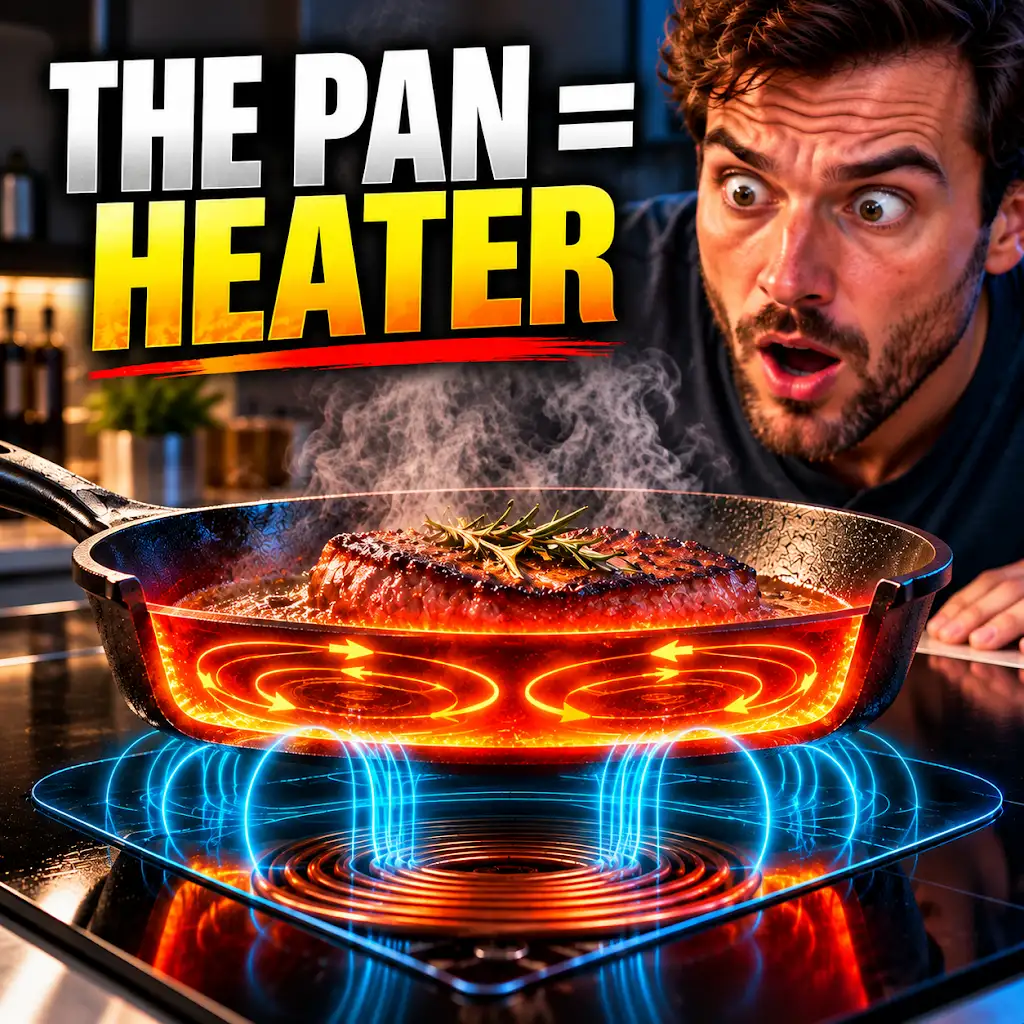
The Pan Is the Heater: How Induction Cooking Really Works
FAQs
1. Why does induction stove glass get hot?
Glass cooktops on induction stoves get hot because the electromagnetic field generated by the stove heats up the cookware directly, which in turn transfers heat to the glass surface.
2. Is it normal for the glass on an induction stove to get hot during cooking?
Yes, it is normal for the glass surface of an induction stove to get hot during cooking. The heat is a byproduct of the energy transfer from the cookware to the glass surface.
3. Can the glass on an induction stove crack or shatter from the heat?
While it is rare, the glass on an induction stove can crack or shatter from sudden temperature changes or extreme heat. It is important to follow the manufacturer’s guidelines for proper use and care to prevent damage.
4. How can I prevent the glass on my induction stove from getting too hot?
To prevent the glass on your induction stove from getting too hot, make sure to use cookware with flat bottoms that are compatible with induction cooking. Avoid using oversized cookware that extends beyond the cooking zone, as this can cause excessive heat buildup on the glass surface.
5. Are there any safety concerns associated with the glass getting hot on an induction stove?
While the glass on an induction stove getting hot is a normal part of the cooking process, it is important to exercise caution and avoid touching the hot surface directly. Always use oven mitts or pot holders to handle hot cookware and be mindful of the heat radiating from the glass surface to prevent burns.