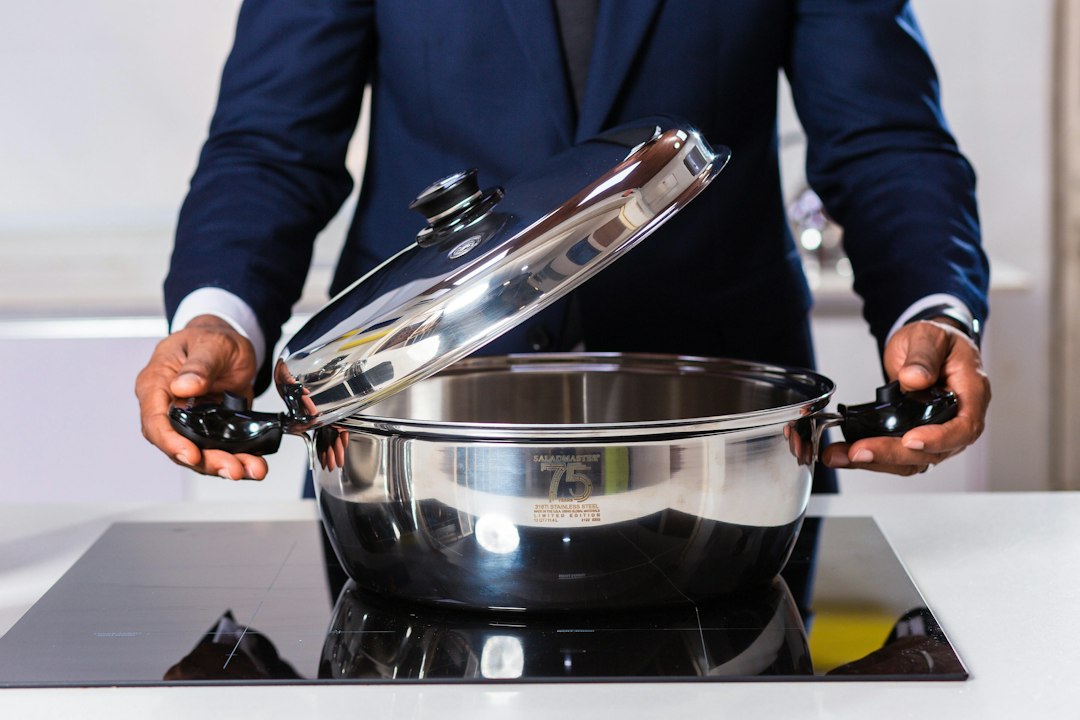
You’re standing in your kitchen, perhaps about to whip up a quick weeknight meal or embark on a gourmet adventure. You glance at your induction cooktop, its sleek, glass-ceramic surface looking cool and inviting. Unlike the familiar red glow of your old electric coil or the wavering blue of a gas flame, this surface remains remarkably, almost uncannily, cool to the touch, even when you’re actively cooking. It’s a feature that often sparks curiosity, even a touch of disbelief. How can a stovetop that cooks your food so efficiently stay so cool? The answer lies in a fascinating interplay of electromagnetism and materials science.
At the heart of your induction cooktop’s “cool surface” phenomenon is a fundamental scientific principle: electromagnetic induction. Forget direct heating elements that radiate heat outwards; induction is a more sophisticated, almost magical process that directly energizes your cookware.
The Coil Beneath the Surface
Beneath that elegant glass-ceramic surface, invisible to you, lies a precisely engineered copper coil. This coil is the engine of induction. When you turn on your cooktop and select a burner, an alternating electric current is passed through this coil. This alternating current is crucial because it creates a rapidly changing magnetic field that emanates upwards, through the glass.
Generating the Magnetic Field
Think of a magnet. It has a magnetic field that can attract or repel other magnetic materials. Similarly, the copper coil, when energized with an alternating current, generates a fluctuating magnetic field. The speed at which this current alternates (its frequency) is key to the efficiency of the induction process. This pulsating magnetic field is the invisible force that will eventually heat your pan.
The Role of Ferromagnetic Cookware
Now, this is where the “cool surface” really starts to make sense. Induction doesn’t work with just any pot or pan. It requires cookware made of ferromagnetic materials. This means materials like cast iron or magnetic stainless steel. Why ferromagnetic? Because these materials are excellent conductors of magnetic fields.
Eddy Currents: The Inner Workings of Heat
When the strong, fluctuating magnetic field generated by the coil interacts with the ferromagnetic base of your pan, it induces a flow of electrons within the metal itself. These circulating electrons are known as eddy currents. Imagine them as tiny electrical currents swirling around inside the bottom of your pan.
Resistance is Futile (and Generates Heat)
Every material has electrical resistance. The metal in your pan, even though it’s a good conductor, isn’t perfect. As these eddy currents flow through the resistance of the pan’s metal, friction is created. This friction, a direct consequence of the electrical energy being converted, generates heat. And crucially, this heat is generated directly within the base of your cookware, not on the surface of the cooktop itself.
Induction cooktops are known for their efficiency and safety, primarily because they stay relatively cool during cooking. This phenomenon occurs due to the way induction technology works, using electromagnetic fields to directly heat the cookware rather than the cooktop surface itself. For a deeper understanding of the science behind this innovative cooking method, you can read a related article on the topic at Freaky Science, which explores the principles of induction heating and its advantages over traditional cooking methods.
The Protective Shield: Understanding the Glass-Ceramic Surface
The smooth, often black, surface of your induction cooktop is typically made of a special type of glass-ceramic. This material is not just chosen for its aesthetics; it plays a vital role in the safe and efficient operation of the cooktop, contributing significantly to its “cool surface” characteristic.
A Poor Conductor of Heat
One of the most important properties of glass-ceramic is its low thermal conductivity. This means it’s very good at resisting the flow of heat. While the bottom of your pan can get incredibly hot, the glass-ceramic surface it sits on doesn’t readily absorb and transfer that heat upwards. This is a stark contrast to a traditional electric coil or even a gas burner, where heat is directly transferred to the stovetop itself.
Thermal Expansion and Contraction Management
Glass-ceramic materials are also engineered to have a very low coefficient of thermal expansion. This means they expand and contract very little when exposed to changes in temperature. This is crucial because the cooktop experiences significant temperature differentials. The area directly under the pan gets hot, while the surrounding areas remain cool. A material that expands and contracts drastically could crack or warp under these stresses. The stable nature of glass-ceramic ensures the cooktop’s structural integrity.
Durability and Scratch Resistance
Beyond its thermal properties, glass-ceramic is also chosen for its durability. It’s highly resistant to scratches and impacts, making it a practical choice for a kitchen appliance that sees daily use. This resilience contributes to the long-term appeal and functionality of induction cooktops.
The Interface Between Magnetic Field and Cookware
The glass-ceramic is thin enough to allow the magnetic field to pass through it with minimal interference. This ensures that the eddy currents are effectively generated in the cookware, maximizing the efficiency of the heating process.
Direct Heating, Indirect Cooling: The Core Principle
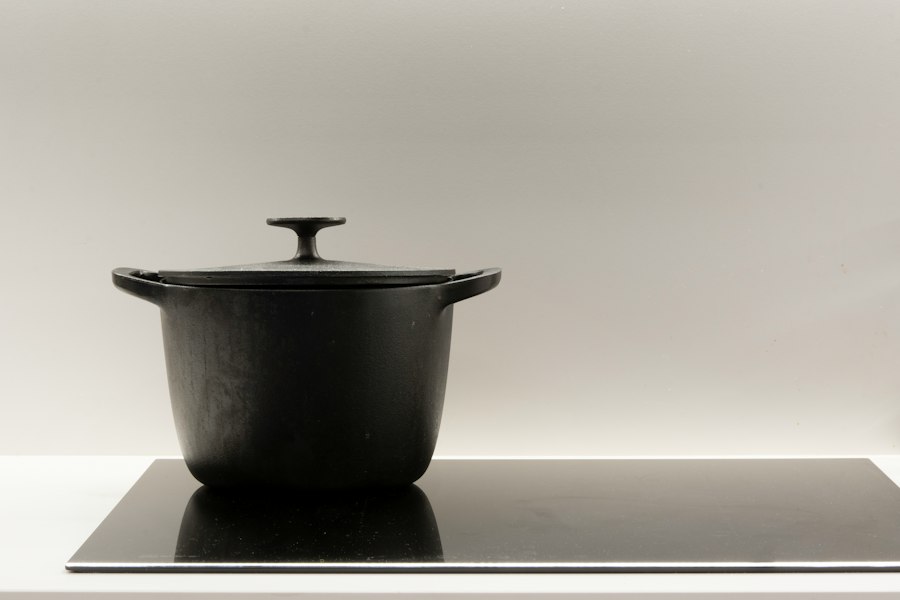
The explanation of how induction works and the properties of the glass-ceramic surface converge to reveal the core reason for the cooktop’s cool surface: the heat is generated within the cookware, not on the cooktop.
Heat Where You Need It
With traditional heating methods, heat is generated by an element (electric coil or gas flame) and then transferred to the cookware. This transfer is never perfectly efficient, and a significant amount of heat is lost to the surrounding air and the cooktop itself. Induction bypasses this intermediary step. The energy from the magnetic field is directly converted into heat inside the base of your pan.
Minimal Heat Transfer to the Surface
Because the heat is generated at the bottom of the cookware, only a small amount of residual heat is transferred to the glass-ceramic surface through conduction from the pan. This residual heat is then quickly dissipated by the surrounding cooler air. The low thermal conductivity of the glass-ceramic further limits this transfer.
The “Cool” Illusion is Reality
So, while the cooktop might feel warm to the touch in the immediate vicinity of a hot pan due to minor radiant heat and conducted heat, it remains remarkably cooler than other stovetop types. You can often place a paper towel or a clean cloth on the surface right next to a simmering pot without it igniting or even scorching. This is a tangible demonstration of the indirect heating principle.
Safety Features and User Experience: A Cool Benefit
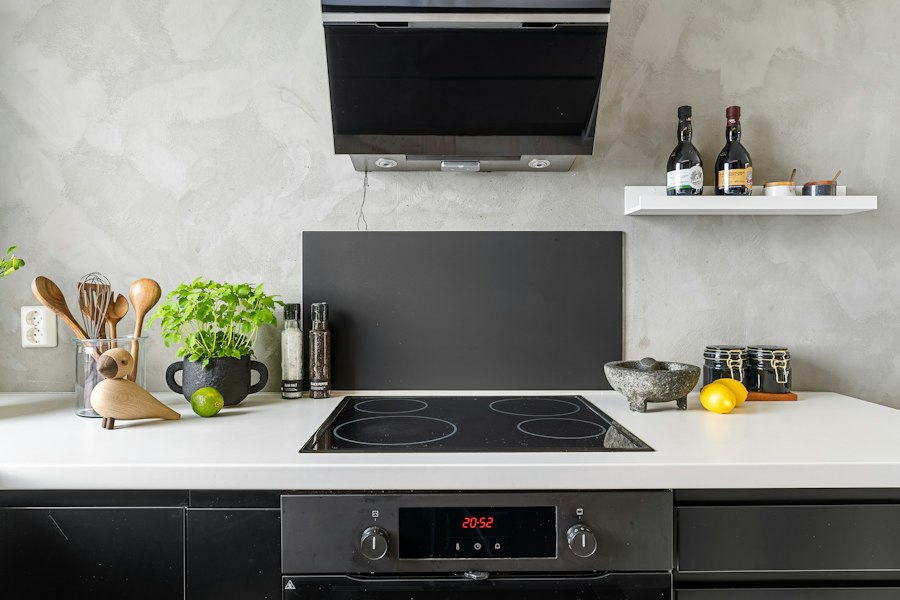
The “cool surface” of an induction cooktop isn’t just a scientific curiosity; it translates into significant safety advantages and an enhanced user experience.
Reduced Risk of Burns
This is perhaps the most obvious benefit. With a significantly cooler surface, the risk of accidental burns from touching the cooktop is drastically reduced. This is particularly important for households with children or elderly individuals. You can often remove a hot pan and place it on the cool surface without immediate concern for the pan itself overheating the cooktop.
Spill Management Made Easy
When spills occur – a common occurrence in any kitchen – they don’t immediately burn onto a scorching hot surface. Instead, they tend to sit on the relatively cooler glass. This makes cleanup much easier and less of a fire hazard. You can often wipe away spills even while the cooktop is in use, though caution is always advised.
Preventing Accidental Pan Ignition
Unlike gas or traditional electric cooktops, where flammable materials left on the surface can ignite, the cooler surface of an induction cooktop significantly mitigates this risk. This adds an extra layer of safety in busy kitchens.
Faster Cool Down Times
When you turn off an induction burner, the magnetic field collapses, and the direct heating of the cookware ceases almost immediately. This means the cooktop cools down much faster than a radiant electric cooktop, which retains heat in its element for a considerable time.
Induction cooktops are known for their efficiency and safety, as they stay relatively cool during cooking. This is primarily due to the way they generate heat directly in the cookware through electromagnetic induction, rather than heating the surface itself. For a deeper understanding of the science behind this technology and its benefits, you can read more in this informative article on Freaky Science. By exploring the principles of induction cooking, you can appreciate how these cooktops not only enhance culinary experiences but also contribute to a safer kitchen environment.
Beyond the Cool Surface: Other Induction Advantages
| Metric | Description | Value / Explanation |
|---|---|---|
| Operating Principle | How heat is generated | Electromagnetic induction heats the cookware directly, not the cooktop surface |
| Surface Temperature | Typical temperature of the cooktop surface during use | Usually remains below 60°C (140°F), much cooler than traditional cooktops |
| Heat Transfer Efficiency | Percentage of energy transferred directly to cookware | Approximately 80-90%, minimizing heat loss to the cooktop surface |
| Residual Heat | Heat retained by the cooktop after cooking | Minimal, as only the cookware heats the surface indirectly |
| Cookware Material Requirement | Type of cookware needed for induction to work | Ferromagnetic materials like cast iron or stainless steel |
| Safety Feature | Reason for cooler surface enhancing safety | Surface stays cool reducing burn risk and accidental fires |
While the cool surface is a compelling feature, it’s just one of many reasons why induction technology has gained so much popularity.
Unparalleled Speed and Responsiveness
Induction cooktops are incredibly fast. They can boil water significantly quicker than most other cooking methods because the heat is generated directly in the pot. Moreover, they are highly responsive. When you adjust the heat setting, the change is almost instantaneous, similar to gas. This precision allows for much finer control over your cooking.
Energy Efficiency
Because so little heat is lost to the surrounding environment, induction cooktops are remarkably energy-efficient. The energy is directed precisely where it’s needed – into your cookware. This can translate to lower energy bills and a more sustainable kitchen.
Precise Temperature Control
The responsive nature of induction allows for very precise temperature control. This is invaluable for delicate tasks like simmering sauces, melting chocolate, or tempering eggs, where minor fluctuations in heat can ruin a dish.
Ease of Cleaning
The smooth, seamless glass-ceramic surface, combined with the fact that spills don’t bake on as readily, makes cleaning an induction cooktop a breeze. A simple wipe with a damp cloth is often all that’s needed to keep it looking pristine.
Modern Aesthetics
Induction cooktops are often lauded for their sleek, modern design. Their minimalist appearance can elevate the aesthetic of any kitchen, providing a clean and sophisticated look.
In conclusion, the seemingly magical “cool surface” of your induction cooktop is a testament to the elegant application of fundamental scientific principles. It’s a feature born from the intelligent design of electromagnetic fields, the careful selection of materials like glass-ceramic, and the understanding that true efficiency often means generating heat precisely where it’s needed. This leads not only to a safer and more user-friendly cooking experience but also unlocks a world of culinary precision and speed that you might never have thought possible. So, the next time you’re enjoying the benefits of your induction cooktop, take a moment to appreciate the science that makes it all happen, and that keeps its surface delightfully, and practically, cool.
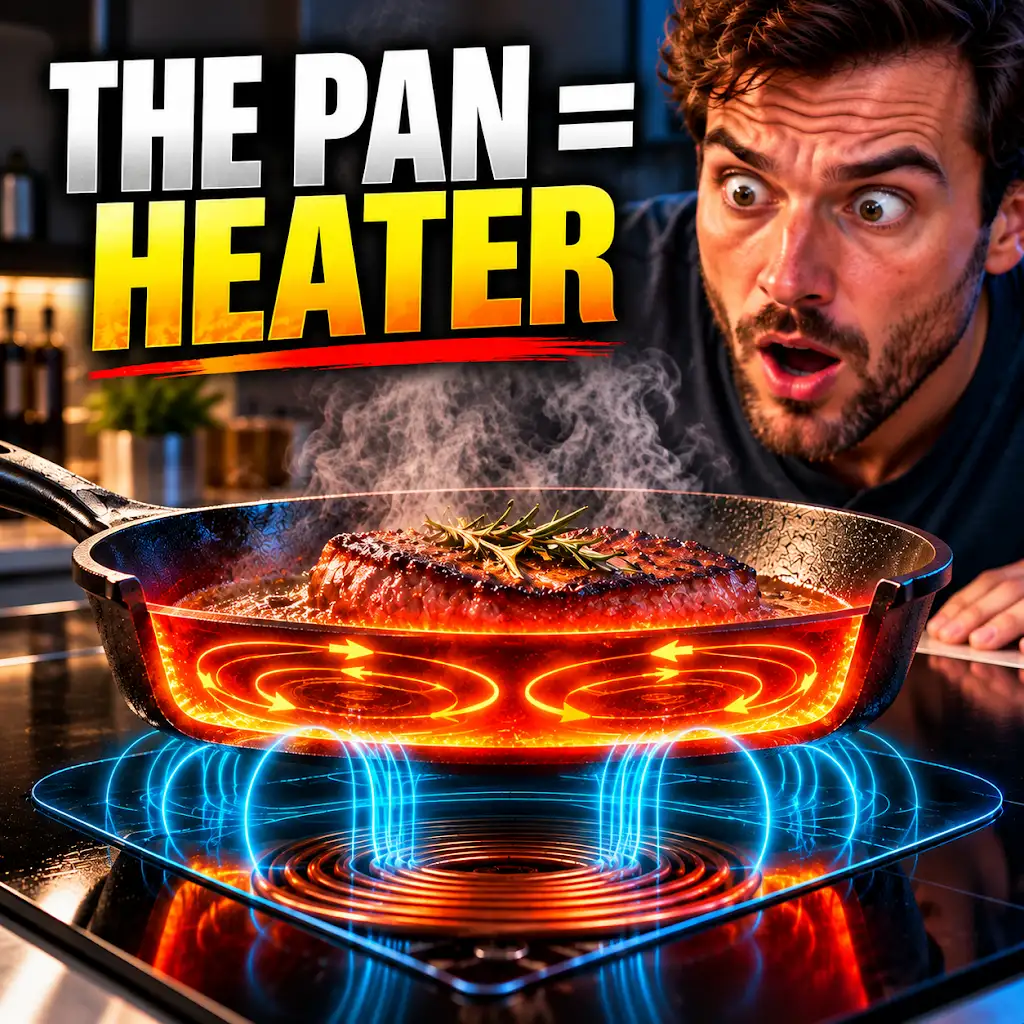
The Pan Is the Heater: How Induction Cooking Really Works
FAQs
What is an induction cooktop?
An induction cooktop uses electromagnetic energy to heat pots and pans directly, rather than using a flame or a heated surface like traditional cooktops.
Why do induction cooktops stay relatively cool?
Induction cooktops stay relatively cool because they heat the cookware directly using electromagnetic energy, which generates heat only in the cookware itself, not the cooktop surface.
Are induction cooktops safer than traditional cooktops?
Induction cooktops are considered safer than traditional cooktops because they do not have open flames or hot surfaces that can cause burns. Additionally, they cool down quickly once the cookware is removed.
Do induction cooktops save energy compared to other cooktops?
Induction cooktops are more energy-efficient than traditional cooktops because they heat the cookware directly, resulting in less heat loss and faster cooking times.
Can induction cooktops be used with all types of cookware?
Induction cooktops require cookware that is magnetic, such as cast iron or stainless steel. Cookware made of materials like aluminum or copper will not work on an induction cooktop unless they have a magnetic base.