You’re probably standing in your kitchen right now, or maybe you’re just thinking about a kitchen upgrade. Either way, you’ve likely heard whispers about electromagnetic induction cooktops. They’re the sleek, modern answer to stovetop cooking, promising faster meals and a cooler kitchen. But what exactly is this magic? How does it work, and is it really as revolutionary as they say? You’re about to find out. This guide is designed to demystify the world of induction cooking, equipping you with the knowledge to understand its principles, weigh its pros and cons, and ultimately, decide if it’s the right fit for your culinary adventures.
At its core, electromagnetic induction cooktops operate on a principle that might sound like something out of a science fiction novel, but it’s rooted in fundamental physics. It’s not about direct heat transfer like your old gas or electric coil stovetop; instead, it’s about creating a magnetic field that interacts directly with your cookware. This might sound abstract, so let’s break it down into more digestible parts.
Faraday’s Law: The Spark of Induction
The entire concept hinges on Faraday’s Law of Electromagnetic Induction, named after the brilliant Michael Faraday. In simple terms, this law states that a changing magnetic field will induce an electric current in a conductor. On your induction cooktop, this conductor is the base of your special cookware.
The Magnetic Field Generator
Beneath the smooth, ceramic glass surface of your induction cooktop lies a coil of copper wire. When you turn on a burner and place compatible cookware on it, an alternating electric current is passed through this copper coil. This alternating current generates a rapidly changing magnetic field. Imagine it like an invisible, oscillating wave emanating from the cooktop.
The Eddy Currents: Energy Transfer Without Contact
This fluctuating magnetic field penetrates the base of your cookware. However, it only affects cookware made of ferromagnetic materials – materials that can be magnetized, like cast iron and most stainless steel. When the magnetic field interacts with the conductive base of your pan, it induces small, circulating electrical currents within the metal itself. These are known as “eddy currents.”
Resistance is Not Futile: Generating Heat
Here’s where the magic happens. The metal in your cookware has electrical resistance. As these eddy currents flow through the metal, they encounter resistance, and this resistance causes the metal to heat up. This heat is generated directly within the base of the pot or pan, not by a heating element that then transfers heat to the cookware. It’s a direct conversion of electrical energy into thermal energy, happening right where you need it.
The Absence of Direct Heating Elements
This is a crucial distinction from traditional electric cooktops. Electric cooktops use resistive heating elements (like coils or a radiant surface) that get very hot themselves and then transfer that heat to your cookware. Induction bypasses this intermediary step. The cooktop surface itself doesn’t get hot from its own heating mechanism; it only gets warm from residual heat transferred back from the pan. This is a game-changer for safety and efficiency.
The Importance of Ferromagnetic Cookware
As mentioned, not all pots and pans will work on an induction cooktop. The cookware must be made of a ferromagnetic material. This means it needs to be able to be attracted to a magnet.
The Magnet Test
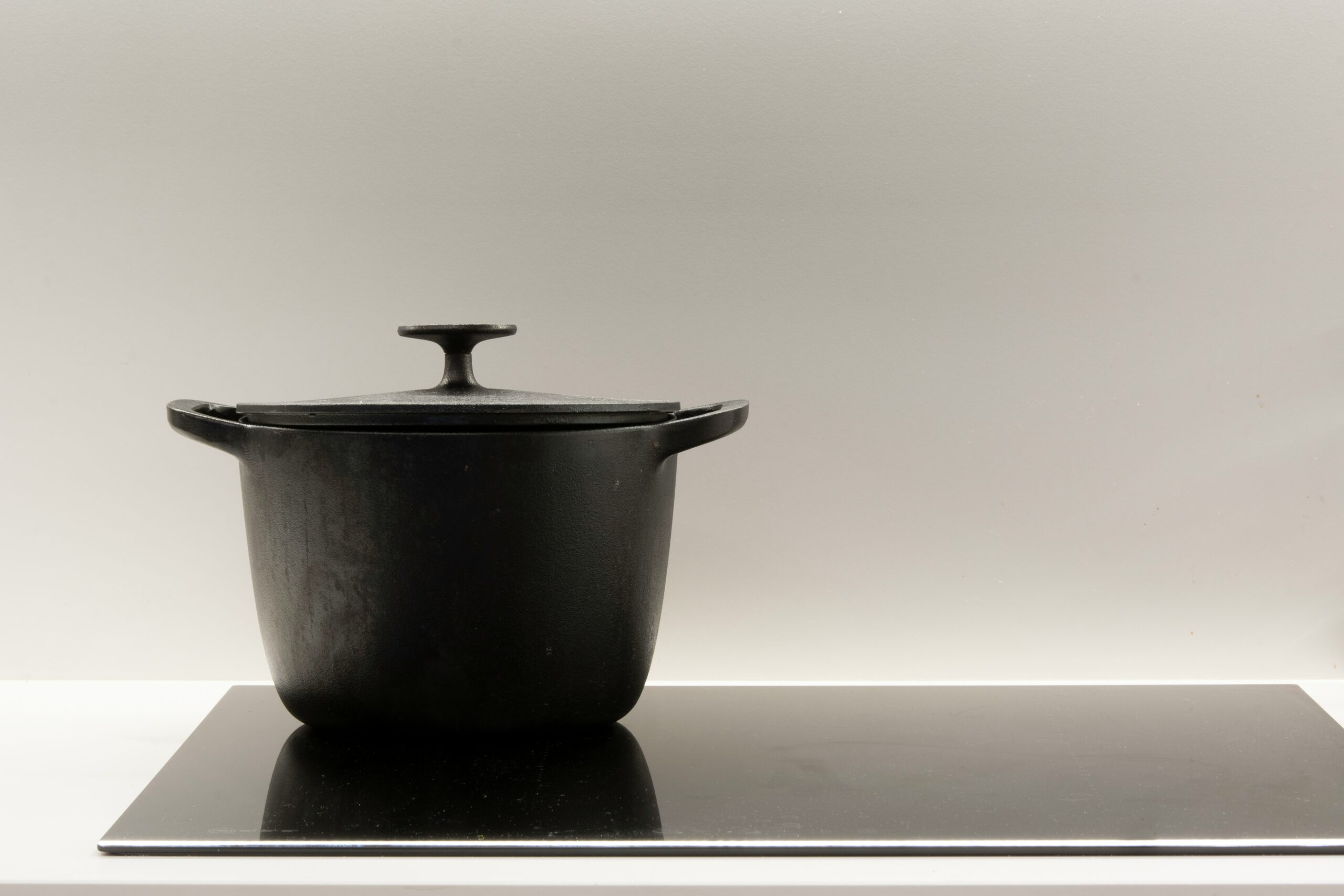
The easiest way to check if your existing cookware is induction-compatible is with a simple magnet. If a magnet sticks firmly to the bottom of your pot or pan, it’s likely induction-ready. If the magnet slides off easily or doesn’t stick at all, you’ll need to invest in new cookware.
Common Induction-Friendly Materials
- Cast Iron: A classic choice, cast iron is excellent for induction. Its heavy base heats evenly.
- Enameled Cast Iron: Offers the benefits of cast iron with a protective, easy-to-clean enamel coating.
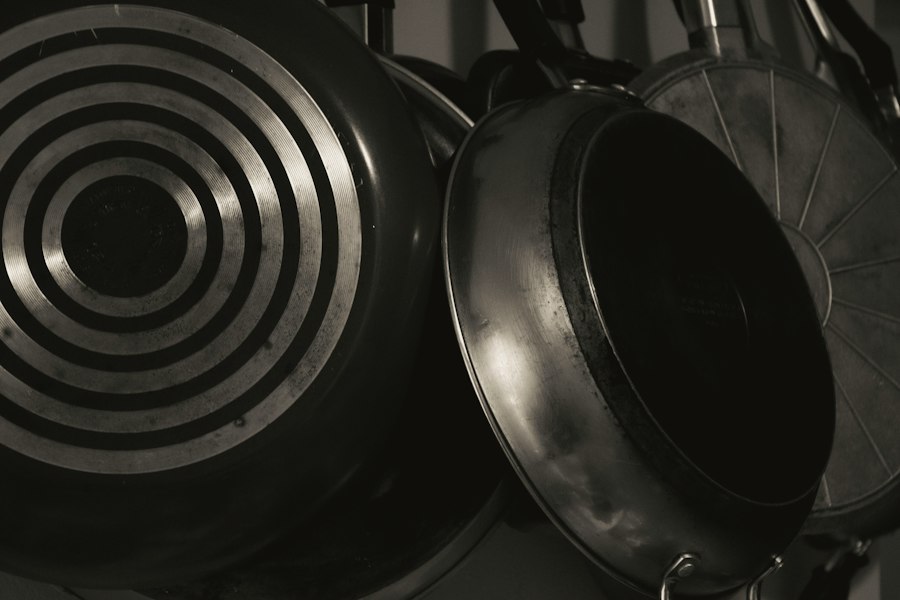
- Stainless Steel: Many stainless steel pots and pans are induction-compatible, especially those with a magnetic layer in the base. Look for cookware specifically labeled as induction-friendly. Avoid very thin, cheap stainless steel as it may not be magnetic enough.
- Carbon Steel: Similar to cast iron in its magnetic properties and excellent heat conductivity.
Materials That Won’t Work
- Copper: Unless it has a magnetic stainless steel base, pure copper cookware won’t work.
- Aluminum: Pure aluminum cookware is not magnetic and won’t work. However, many aluminum pans have a magnetic stainless steel disc bonded to the base specifically for induction compatibility.
- Glass: Glass cookware, like Pyrex, is not magnetic.
- Ceramic: Similar to glass, ceramic cookware is not magnetic.
For a deeper understanding of how electromagnetic induction cooktops work, you can explore the article on Freaky Science that delves into the principles of electromagnetic fields and their applications in modern cooking technology. This resource provides valuable insights into the efficiency and safety of induction cooking. To read more, visit Freaky Science.
The Science of Control: Precision at Your Fingertips
One of the most lauded features of induction cooktops is their incredible precision and responsiveness. Gone are the days of waiting for a coil to heat up or cool down. Induction technology allows for a level of control that mimics gas, but with the added benefits of electric.
Instantaneous Temperature Response
Because the heat is generated directly within the cookware, the temperature changes almost instantaneously when you adjust the power setting. Turn the dial down, and the eddy currents decrease, leading to immediate cooling. Turn it up, and the heat production ramps up in seconds.
From Simmer to Sear in a Blink
This rapid response is perfect for delicate cooking tasks. You can go from a gentle simmer to a rapid boil in mere moments. Searing meats becomes more efficient as you can quickly bring the pan to high heat, then instantly reduce it to prevent burning.
Granular Power Settings
Induction cooktops typically offer a wide range of power settings, often numbered from 1 to 10 or even higher. This allows for very fine adjustments to the heat output, giving you precise control over your cooking.
The “Melt” Setting: Gentle Warmth for Delicate Foods
Many induction cooktops feature extremely low power settings, often referred to as a “melt” or “simmer” setting. This is ideal for tasks like melting chocolate, tempering eggs, or keeping sauces warm without fear of scorching. It’s a level of control that traditional electric cooktops struggle to achieve.
Energy Efficiency: Less Waste, More Heat Where You Need It
The direct heating method of induction is incredibly energy-efficient. This is a significant advantage over conventional electric cooktops.
Minimizing Heat Loss
With coil or radiant electric cooktops, a significant amount of heat is lost to the surrounding air as the heating element heats up and then transfers that heat to the pan. Induction, on the other hand, directs the heat precisely to the base of the cookware. This means less wasted energy and more of the electricity you’re using actually going into cooking your food.
Faster Cooking Times
Because induction heats cookware so quickly and efficiently, cooking times are often reduced compared to other methods. This further contributes to energy savings, as the cooktop is in use for less time.
Safety First: A Cooler Approach to Cooking
Safety is a paramount concern in any kitchen, and induction cooktops offer some distinct advantages in this regard. The way they generate heat contributes to a safer cooking environment.
The Cool-to-Touch Surface
As mentioned earlier, the induction cooktop surface itself does not generate heat through a heating element. It only gets warm from residual heat transferred back from the hot cookware. This means that while the pan you’re cooking in will be hot, the cooktop surface around it remains significantly cooler than traditional electric or gas stovetops.
Reduced Burn Risk
This cooler surface drastically reduces the risk of accidental burns, especially for children and pets who might touch the stovetop. You can rest your hand or an item near the cooking zone with much less worry.
Automatic Shut-Off Features
Most induction cooktops are equipped with intelligent safety features.
Pot Detection
Induction burners will only activate when a pot or pan made of the correct material is placed on them. If you accidentally turn on a burner without cookware, or if the cookware is removed, the burner will automatically shut off after a short period. This prevents the cooktop from heating up unnecessarily and reduces the risk of fire hazards.
Boil-Dry Protection
Many models also feature boil-dry protection. If the cooktop detects that a pot has boiled dry and the temperature is rising dangerously high, it will automatically shut off the burner.
Timers and Auto-Off
Beyond basic safety, many induction cooktops come with built-in timers that can automatically turn off a burner after a set period. This is useful for preventing overcooking and adds another layer of safety and convenience.
Beyond the Basics: Understanding the Features and User Experience
Induction cooktops aren’t just about the underlying technology; they also offer a distinct user experience and a range of features that enhance their appeal.
The Sleek Aesthetic
The flat, smooth, and often frameless glass-ceramic surface of induction cooktops provides a modern and minimalist aesthetic that complements contemporary kitchen designs. They’re easy to clean and create a seamless look.
Effortless Cleaning
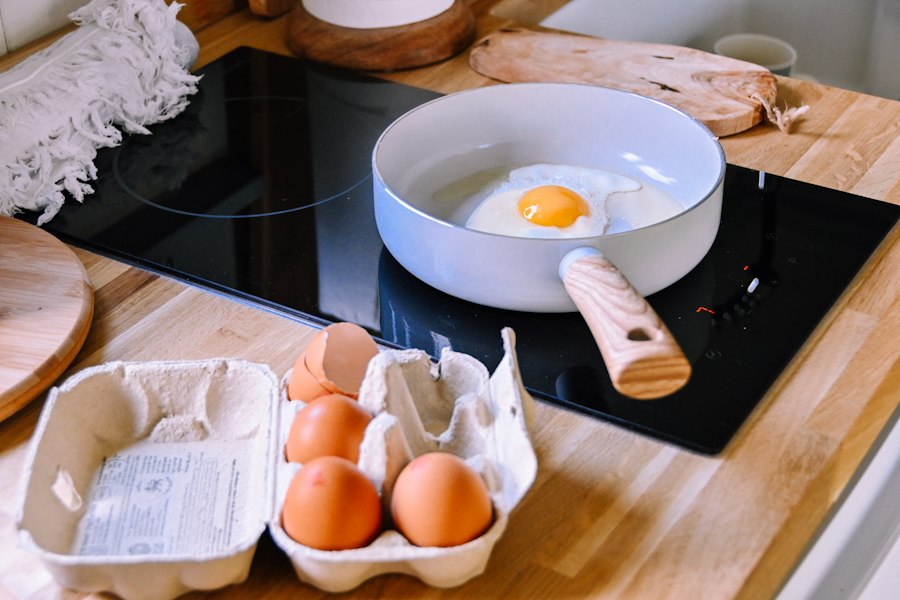
Spills and splatters on an induction cooktop are typically easy to wipe away. Because the surface doesn’t get as intensely hot as traditional electric elements, food is less likely to bake on and become difficult to remove. A simple wipe with a damp cloth and some mild cleaner is usually all that’s needed.
Noise and Vibrations
It’s important to note that induction cooking isn’t entirely silent. You might hear a low hum or buzzing sound when the cooktop is in use, particularly at higher power settings. This is the sound of the electromagnetic field at work.
Fan Noise and Cooling
Induction cooktops contain internal electronics and fans that need to stay cool. You may hear the fan operating, especially after you’ve finished cooking, as it continues to cool down the internal components.
Cookware Resonance
Sometimes, cookware can resonate with the magnetic field, causing a slight buzzing or humming sound from the pan itself. This is usually more noticeable with thinner-bottomed pans and is not indicative of a problem. Heavier, well-constructed cookware tends to be quieter.
Installation Considerations
While installation is generally straightforward for most homeowners, there are a few things to keep in mind.
Electrical Requirements
Induction cooktops require a dedicated electrical circuit, often with a higher amperage rating than a standard electric cooktop. It’s crucial to ensure your home’s electrical system can support the demand of the appliance. Consulting with an electrician is highly recommended during installation.
Ventilation
Good ventilation is always important in a kitchen, but it’s particularly beneficial with induction cooktops to manage any heat or steam generated by the cooking process.
Electromagnetic induction cooktops have gained popularity for their efficiency and speed in cooking, making them a fascinating topic for culinary enthusiasts. For those interested in understanding the science behind this technology, a related article can provide deeper insights into how these cooktops work and their benefits. You can explore more about this innovative cooking method by visiting this article, which delves into the principles of electromagnetic induction and its applications in modern kitchens.
Weighing the Pros and Cons: Is Induction Right for You?
| Metric | Description | Typical Value / Range | Unit |
|---|---|---|---|
| Operating Frequency | Frequency of the alternating current used to generate the magnetic field | 20 – 50 | kHz |
| Power Output | Maximum power delivered to the cookware | 1000 – 3700 | Watts |
| Efficiency | Percentage of electrical energy converted to heat in the cookware | 80 – 90 | % |
| Cookware Material | Type of material compatible with induction cooktops | Ferromagnetic metals (e.g., cast iron, stainless steel) | N/A |
| Heating Method | How heat is generated in the cookware | Induced eddy currents causing resistive heating | N/A |
| Surface Temperature | Temperature of the cooktop surface during operation | Typically below 60 | °C |
| Response Time | Time taken to change heat output after adjustment | Less than 1 | Second |
| Safety Features | Common safety mechanisms in induction cooktops | Auto shut-off, pan detection, child lock | N/A |
Like any kitchen appliance, induction cooktops have their advantages and disadvantages. Understanding these will help you make an informed decision.
The Advantages: Why Induction Shines
- Speed: Heats food and boils water significantly faster than other cooktops.
- Energy Efficiency: Less wasted energy means lower electricity bills and a smaller environmental footprint.
- Precision Control: Unparalleled control over temperature, from gentle simmering to high-heat searing.
- Safety: Cooler surface reduces burn risks, and automatic shut-off features enhance safety.
- Easy Cleaning: Smooth, flat surface makes cleanup a breeze.
- Modern Aesthetics: Sleek and stylish, enhancing the look of your kitchen.
- Improved Air Quality: Since no combustion occurs, it doesn’t release fumes into your kitchen, contributing to better indoor air quality.
The Disadvantages: What to Consider
- Cookware Compatibility: Requires special ferromagnetic cookware, which can be an added expense if you need to replace your existing set.
- Initial Cost: Induction cooktops generally have a higher upfront purchase price compared to traditional electric or gas models.
- Noise: Some users find the operational humming or buzzing sounds noticeable.
- Learning Curve: While intuitive, there can be a slight adjustment period to the rapid responsiveness and precise control.
- Dependence on Electricity: Unlike gas, it won’t work during a power outage.
Making Your Choice: A Culinary Investment
Ultimately, the decision to embrace induction cooking is a personal one. If you prioritize speed, efficiency, safety, and precise control in your kitchen, and if you’re prepared to invest in compatible cookware, then an induction cooktop could be a fantastic upgrade. The benefits it offers in terms of cooking performance and kitchen safety are undeniable, making it a compelling choice for the modern home chef. You’re not just buying a cooktop; you’re investing in a more responsive, efficient, and safer way to create your culinary masterpieces.

The Pan Is the Heater: How Induction Cooking Really Works
FAQs
What is an electromagnetic induction cooktop?
An electromagnetic induction cooktop is a type of stove that uses electromagnetic induction to heat cookware directly, instead of using traditional heating elements like gas or electric coils.
How does an electromagnetic induction cooktop work?
An electromagnetic induction cooktop generates an electromagnetic field when a current passes through a coil beneath the ceramic surface. This field induces a current in the metal cookware placed on top, which in turn generates heat to cook food.
What are the advantages of using an electromagnetic induction cooktop?
Some advantages of using an electromagnetic induction cooktop include faster heating times, precise temperature control, energy efficiency, and safety features like automatic shut-off when cookware is removed.
Is special cookware required for an electromagnetic induction cooktop?
Yes, special cookware made of ferrous metal (such as cast iron or magnetic stainless steel) is required for an electromagnetic induction cooktop to work effectively. Non-ferrous cookware like aluminum or copper will not heat up on an induction cooktop.
Are electromagnetic induction cooktops safe to use?
Electromagnetic induction cooktops are generally considered safe to use as they do not produce an open flame or direct heat. Additionally, many models come with safety features like automatic shut-off and child lock functions.