You’re probably here because you’ve heard the buzz about induction cooking. Maybe you’ve seen those sleek, modern cooktops in magazines or a friend’s kitchen, or perhaps you’re simply curious about how this seemingly magical way of heating food actually works. You’re in the right place. Forget the flickering flames of gas or the slow, even heat of traditional electric elements. Induction is a game-changer, and understanding its core principles will not only demystify it but also empower you to make a more informed decision about your kitchen’s future.
The Magic Isn’t Magic: It’s Science
At its heart, induction cooking is a fascinating application of electromagnetism. You might recall from your science classes that electricity and magnetism are intrinsically linked. When an electric current flows through a wire, it generates a magnetic field around it. Induction cooking cleverly harnesses this principle to generate heat directly within your cookware, rather than heating a surface that then heats your pan. This might sound abstract, so let’s break it down into manageable chunks.
The Core Components: What Makes It Tick?
To truly grasp induction, you need to understand the key players involved. It’s not just about the cooktop itself; it’s the interplay between the cooktop and your cookware that creates this unique heating experience.
The Induction Coil: The Heartbeat of the Cooktop
Beneath the smooth, ceramic glass surface of your induction cooktop lies the crucial component: the induction coil. This coil is typically made of copper wire, meticulously wound in a specific pattern. When you turn on your induction burner and place compatible cookware on it, an alternating electric current is passed through this coil. This is where the real work begins. The alternating current flowing through the copper coil generates a rapidly changing magnetic field. Think of it as an invisible, oscillating force emanating from the cooktop.
The Electromagnetic Field: An Invisible Force
This changing magnetic field is the engine of induction. It’s not a static field; it’s dynamic, constantly flipping its polarity back and forth at a high frequency. This rapid oscillation is what makes the induction process possible. The strength and frequency of this magnetic field are precisely controlled by the cooktop’s electronics, allowing for nuanced temperature adjustments.
The Cookware: The Essential Partner
This is where many people get tripped up. Not all cookware will work on an induction cooktop. The magic only happens if your cookware is made of a ferromagnetic material. What does that mean? Simply put, it means the material is strongly attracted to magnets. Common examples include cast iron and most stainless steel cookware. Aluminum, copper, and glass cookware, while excellent on other stovetops, will not work with induction unless they have a special ferromagnetic base. The magnetic field generated by the induction coil needs to be able to “grab hold” of the cookware’s base and induce an electric current within it.
Electromagnetic induction cooking is an innovative technology that utilizes magnetic fields to heat cookware directly, offering a more efficient and precise cooking method compared to traditional gas or electric stoves. For a deeper understanding of the principles behind this cooking technique, you can explore a related article that delves into the science of electromagnetic induction and its applications in modern kitchens. Check it out here: Freaky Science.
How the Heat is Generated: A Two-Step Process
So, you have a magnetic field from the coil and a magnet-friendly pot. What happens next? This is where the heat is born, and it’s a two-pronged approach, with one part being far more significant than the other.
Step 1: Eddy Currents – The Initial Stirring
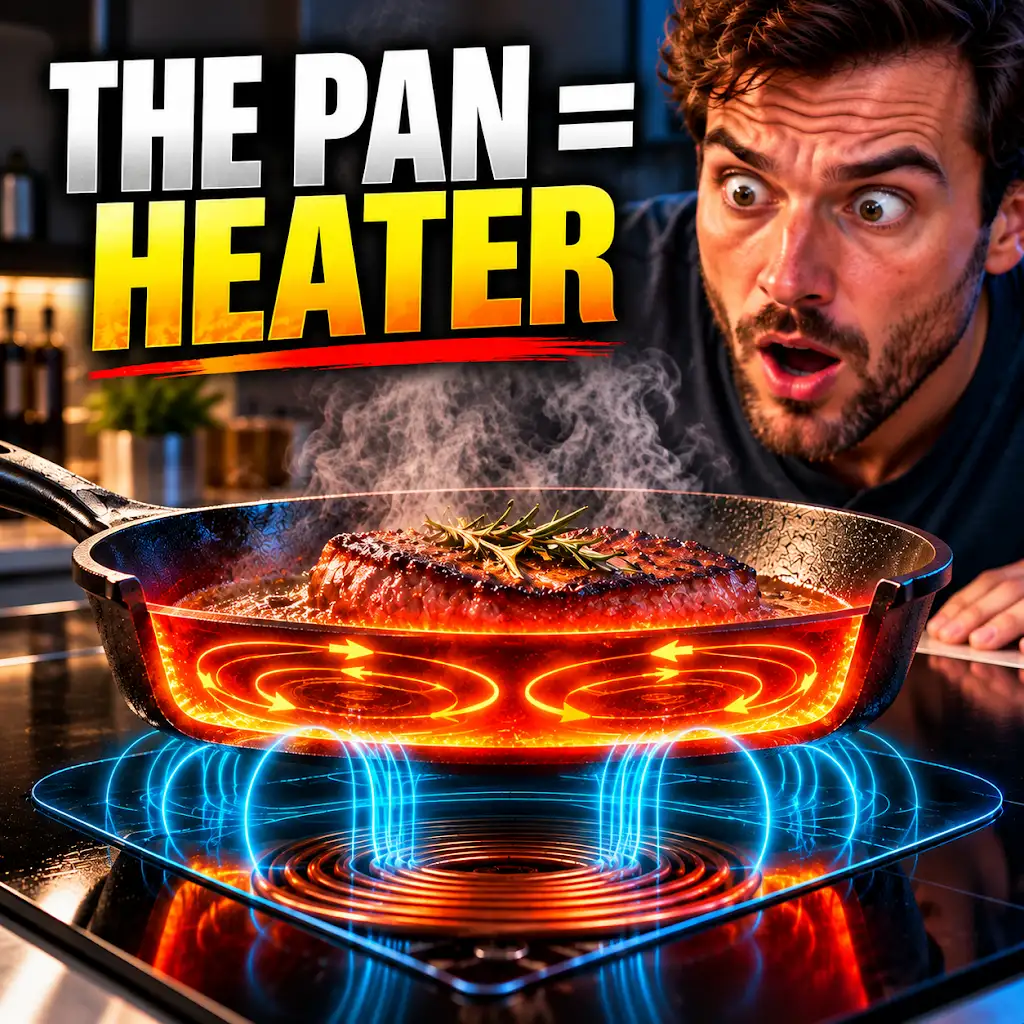
When the oscillating magnetic field from the induction coil encounters the ferromagnetic base of your cookware, it induces electrical currents within the metal itself. These currents are called “eddy currents” because they flow in small, swirling patterns within the metal. Imagine dropping a pebble into still water; the ripples that spread out are analogous to these eddy currents. These eddy currents, in their relentless movement, encounter resistance from the metal atoms of the cookware. This resistance, just like friction, generates heat. However, the heat generated by eddy currents alone is a relatively small contributor to the overall heating power of induction.
Step 2: Hysteresis Loss – The Dominant Heat Generator
The real powerhouse behind induction heating is a phenomenon called “hysteresis loss.” This is where the ferromagnetic properties of your cookware truly shine. As the magnetic field from the induction coil rapidly alternates, it forces the magnetic domains within the cookware’s metal to realign themselves back and forth. Think of these magnetic domains as tiny bar magnets within the metal. When the external magnetic field pulls them one way, they align. When the field flips, they have to fight to realign in the opposite direction. This constant back-and-forth struggle and realignment of magnetic domains generate friction at a molecular level. This internal friction, much like rubbing your hands together quickly, produces a significant amount of heat. The faster the magnetic field alternates, the more this realignment happens, and the more heat is generated. This is why induction is so fast and efficient – it’s literally making the pot heat itself from within.
The Advantages of Induction: Why You Should Care
Now that you understand the “how,” let’s delve into the “why.” Induction cooking isn’t just a novel technology; it offers a host of benefits that can transform your cooking experience.
Unmatched Speed and Responsiveness: Say Goodbye to Waiting
One of the most immediate and noticeable advantages of induction is its incredible speed. Because the heat is generated directly within the cookware, there’s no wasted energy heating up a burner element or the air around it. This means your water will boil in a fraction of the time compared to traditional stovetops. More importantly, the responsiveness is phenomenal.
Instant Temperature Changes: Control at Your Fingertips
Imagine turning the dial on a gas stove, and the flame immediately shrinks or grows. Induction offers a similar level of precise control, but without the flame. When you adjust the power setting on an induction cooktop, the heat output changes almost instantaneously. This allows you to go from a rapid boil to a gentle simmer in a heartbeat, or to quickly sear a steak without overcooking it. This level of control is invaluable for delicate sauces, precise temperature-sensitive dishes, and even for tasks like melting chocolate without scorching it.
Efficient Boiling and Simmering: The Power of Precision
This rapid response makes tasks like boiling water for pasta or reducing a sauce incredibly efficient. You can bring water to a rolling boil in moments and then immediately drop the temperature to a gentle simmer to prevent splattering or over-reduction. This not only saves time but also leads to more consistent and predictable cooking results.
Superior Energy Efficiency: Good for Your Wallet and the Planet
Induction cooking is remarkably energy-efficient. Because so little heat is lost to the surrounding environment, more of the energy consumed is directly transferred to your cookware.
Direct Heat Transfer: No Wasted Energy
Traditional electric cooktops lose a significant amount of heat through radiation and convection from the hot surface. Gas cooktops lose even more heat around the sides of the pots and pans. Induction, however, minimizes these losses by heating the pot directly. This means you’re using less energy to achieve the same cooking temperature, which translates into lower electricity bills.
Reduced Ambient Heat: A Cooler Kitchen
The lack of wasted heat also means that your kitchen stays cooler when you’re cooking with induction. This is a welcome benefit, especially during warmer months, as it makes your cooking environment more comfortable and reduces the burden on your air conditioning system. This improved comfort is a subtle but significant advantage that many users rave about.
Enhanced Safety Features: Peace of Mind for Your Household
Safety is a paramount concern in any kitchen, and induction cooking excels in this area. The very nature of how it generates heat makes it inherently safer than other cooking methods.
Cool-to-Touch Surface: Minimizing Burn Risks
Since the cooktop surface itself doesn’t get as hot as traditional electric or gas burners, the risk of accidental burns is significantly reduced. While the cookware will get hot, the surrounding ceramic glass remains relatively cool, making it safer for households with children or pets, and for anyone prone to bumping into hot surfaces.
Automatic Shut-Off: Preventing Accidents
Most induction cooktops have built-in safety features, such as automatic shut-off if no cookware is detected or if cookware is removed from the burner. This prevents accidental activation of the burner and reduces the risk of fires or other hazards. You can have peace of mind knowing that the cooktop is intelligently designed to protect you.
No Open Flames: Eliminating Fire Hazards
Unlike gas stoves, induction cooking eliminates the risk of open flames, which can be a significant fire hazard. This is especially important in homes with flammable materials nearby or for individuals who may be less attentive to open flames.
Easy Cleaning: A Breeze to Maintain
The smooth, flat surface of an induction cooktop is a dream to clean. Since the surface itself doesn’t get excessively hot, spills and splatters are less likely to bake on and become difficult to remove.
Seamless Surface: No Nooks and Crannies
The absence of grates, burners, and heating elements means there are no difficult-to-reach areas where food and grease can accumulate. A simple wipe-down with a damp cloth and a mild detergent is usually all that’s needed to keep your cooktop looking pristine. This makes post-meal cleanup a much less daunting task.
Understanding the Limitations and Considerations: What You Need to Know
While induction cooking offers a wealth of benefits, it’s important to be aware of its limitations and what you need to consider before making the switch.
Cookware Compatibility: The Crucial Requirement
As mentioned earlier, the most significant consideration is cookware compatibility. You absolutely need ferromagnetic cookware for induction to work.
The Magnet Test: Your First Step
The easiest way to check if your existing cookware is induction-compatible is to use a magnet. If a magnet strongly adheres to the bottom of your pot or pan, it’s likely induction-friendly. If the magnet barely sticks or doesn’t stick at all, you’ll need to invest in new cookware or cookware with an induction-compatible base.
Specialized Cookware Bases: A Bridge to Compatibility
Some cookware manufacturers have developed cookware with a special layer or disk incorporated into the base that makes it compatible with induction. These are often made of stainless steel or a composite material and are designed to create the necessary magnetic interaction. When purchasing new cookware, always look for explicit labeling indicating induction compatibility.
Initial Cost: An Investment in the Future
Induction cooktops can have a higher upfront cost compared to traditional electric or gas stoves. However, it’s important to view this as an investment in a more efficient, safer, and enjoyable cooking experience. The long-term savings in energy consumption and the benefits in terms of performance and safety often outweigh the initial expenditure. Consider the lifespan of the appliance and the benefits you’ll receive over those years.
Power Requirements: Ensuring Your Electrical System is Ready
Induction cooktops, especially those with multiple powerful burners, can draw a significant amount of electricity. You’ll need to ensure that your home’s electrical system can handle the load. This might involve upgrading your circuit breaker or even your home’s electrical panel. It’s advisable to consult with an electrician to determine if your current setup is adequate or if upgrades are necessary.
Electromagnetic induction cooking is an innovative method that utilizes magnetic fields to generate heat directly in cookware, making it a highly efficient cooking technique. For a deeper understanding of the principles behind this technology, you can explore a related article that delves into the science of induction cooking and its advantages over traditional methods. This insightful piece can be found at Freaky Science, where you will discover how electromagnetic fields interact with metal pots and pans to create a rapid and precise cooking experience.
Choosing the Right Induction Cooktop: What to Look For
If you’ve decided that induction cooking is the right choice for your kitchen, the next step is to choose the right cooktop. There are several factors to consider to ensure you get a model that meets your needs.
Number of Burners and Power Levels: Tailoring to Your Needs
Induction cooktops come with varying numbers of burners, typically ranging from two to five or more. Consider how many burners you typically use at once and the size of your cookware. Also, pay attention to the power levels offered. More power levels generally provide greater control and flexibility in cooking. Some high-end models even offer bridge elements that can be combined to accommodate larger cookware like griddles.
Burner Size and Configuration: Matching Your Pots and Pans
The size and placement of the burners are also important. If you frequently use large stockpots, ensure you have a burner that can accommodate them. Some cooktops have larger dedicated burners, while others have flexible zones that can adapt to different cookware sizes.
Boost Functions: For Those Extra Speedy Moments
Many induction cooktops feature a “boost” or “power boost” function, which temporarily delivers maximum power to a specific burner for incredibly fast heating. This is perfect for quickly boiling water or searing food. Understand how many burners have this feature and for how long it can be activated.
Control Interface: Intuitive and User-Friendly
The control interface is how you’ll interact with your cooktop daily, so it’s essential to choose one that is intuitive and easy to use. Most induction cooktops feature touch controls, which offer a sleek and modern look.
Touch Controls vs. Knobs: A Matter of Preference
Touch controls are generally easy to clean and offer precise adjustments. However, some users prefer the tactile feedback of physical knobs. Consider which type of control you find more comfortable and user-friendly. Many modern induction cooktops offer a good balance of both.
Digital Displays and Indicators: Clarity at a Glance
Look for cooktops with clear digital displays that indicate the power level, timer settings, and any active features. Indicator lights for hot surfaces are also a crucial safety feature to be aware of.
Additional Features: Enhancing Your Cooking Experience
Beyond the core functionality, many induction cooktops offer a range of additional features that can enhance your cooking experience.
Timers and Auto Shut-Off: Convenience and Safety
Integrated timers allow you to set specific cooking durations for each burner, automatically shutting off when the time is up. This is incredibly convenient for multitasking in the kitchen and prevents overcooking.
Child Lock Function: Added Safety for Families
A child lock feature prevents accidental activation of the cooktop by young children, providing an extra layer of safety for families.
Keep Warm Functions: Maintaining Perfect Temperatures
Some models include a “keep warm” function that maintains a low, consistent temperature, perfect for keeping dishes warm while you prepare other elements of your meal.
The Future of Cooking: Embracing Induction
Induction cooking represents a significant leap forward in kitchen technology. Its efficiency, speed, safety, and precise control offer a superior cooking experience for home chefs of all levels. By understanding how it works, the benefits it provides, and what to consider when choosing a cooktop, you can confidently embrace this innovative approach to preparing your favorite meals. It’s not just about a new appliance; it’s about a more enjoyable, safer, and more efficient way to bring your culinary creations to life. So, as you envision your next kitchen upgrade or simply seek to understand the latest in culinary innovation, remember the principles of electromagnetism, the magic of eddy currents and hysteresis, and the undeniable advantages that induction cooking brings to your table.
The Pan Is the Heater: How Induction Cooking Really Works
FAQs
What is electromagnetic induction cooking?
Electromagnetic induction cooking is a method of cooking that uses electromagnetic fields to heat pots and pans directly, without the need for a traditional heating element like a gas flame or electric coil.
How does electromagnetic induction cooking work?
Electromagnetic induction cooking works by using an electromagnetic field to create resistance in the metal of the cookware, which generates heat. This heat is then transferred to the food inside the cookware, allowing for efficient and precise cooking.
What are the advantages of electromagnetic induction cooking?
Some advantages of electromagnetic induction cooking include faster heating times, precise temperature control, energy efficiency, and safety features such as automatic shut-off when cookware is removed.
What types of cookware can be used with electromagnetic induction cooking?
Cookware that is made of ferrous materials such as cast iron or magnetic stainless steel is compatible with electromagnetic induction cooking. Non-ferrous materials like aluminum or copper will not work unless they have a magnetic bottom layer.
Are there any limitations to electromagnetic induction cooking?
One limitation of electromagnetic induction cooking is that it requires specific types of cookware to function properly. Additionally, induction cooktops may be more expensive upfront compared to traditional gas or electric stoves.