
You’re standing in your kitchen, ready to whip up a meal. The sleek, glass surface of your induction cooktop gleams under the lights. You place a pot on it, press a button, and instantly, the water starts to boil. No preheating, no waiting for a burner to glow red. It’s almost magical, isn’t it? But you’re not just witnessing magic; you’re experiencing the marvel of science – the science of induction cooking.
Induction cooking is a testament to the elegant interplay of electricity and magnetism. It’s not about heating the surface itself, but about directly heating the cookware. This fundamental difference is what sets it apart from traditional electric or gas stoves and unlocks its incredible efficiency and responsiveness.
The Heart of the Matter: The Induction Coil
Beneath that smooth glass surface lies a precisely engineered component: the induction coil. This coil, typically made of copper, is an electromagnet. When you turn on your induction cooktop, an alternating electric current flows through this coil. This alternating current is crucial. It means the direction of the electrical flow, and therefore the magnetic field it generates, is constantly changing – flipping back and forth thousands of times per second.
Generating a Magnetic Dance
As the alternating current flows through the induction coil, it creates a rapidly oscillating magnetic field that extends upwards, through the glass. Think of it like invisible waves emanating from the coil. This magnetic field is the invisible hand that will stir the cooking pot. The frequency of this oscillation is typically in the radio frequency range, between 20 and 50 kilohertz, although some units might operate at slightly different frequencies. This high frequency is key to efficiently inducing currents in the cookware.
The Role of Ferromagnetism
Now, this is where your cookware becomes a vital partner in this scientific ballet. For induction to work, your pot or pan needs to be made of a material that can be magnetized. This is where ferromagnetic materials come into play. Think of your cast iron skillets, your stainless steel pots with magnetic bases, or pans specifically designed for induction. These materials have a unique property: they can be easily magnetized and demagnetized by an external magnetic field.
When the oscillating magnetic field from the induction coil encounters a ferromagnetic pot, it causes the magnetic domains within the material to align and then rapidly re-align with the changing field. This constant shuffling and aligning of magnetic domains is not without consequence. It creates friction at the atomic level, and as you know, friction generates heat.
Eddy Currents: The Invisible Heat Generators
But the primary mechanism for heating your cookware is through eddy currents. As the oscillating magnetic field passes through the conductive base of your ferromagnetic cookware, it induces electrical currents within the metal itself. These currents, which flow in circular paths, are called eddy currents. The resistance of the cookware material to the flow of these eddy currents is what generates heat. The more resistance, the more heat is produced. This is the principle of Joule heating, or resistive heating, applied directly to your pan.
The alternating nature of the magnetic field is what drives these eddy currents. If the field were static, no current would be induced. It’s the change in the magnetic field that forces electrons in the cookware to move, creating the eddy currents that ultimately heat your food. The intensity of the magnetic field and the conductivity and resistance of the cookware material all contribute to the amount of heat generated.
The Power of Direct Heating
The beauty of induction is that it bypasses the traditional heating element altogether. Unlike a radiant electric cooktop where the element heats up and then transfers heat to the pot, or a gas stove where a flame heats the pot, induction heats the pot directly. This direct energy transfer is what makes induction so incredibly efficient, with very little heat lost to the surrounding air or the cooktop surface itself.
Induction cooking is a fascinating topic that combines the principles of electromagnetism with culinary arts, offering a more efficient and precise way to cook. For those interested in exploring the science behind this innovative cooking method, a related article can be found at Freaky Science, which delves into the technology and mechanisms that make induction cooktops a popular choice among chefs and home cooks alike.
The Efficiency Advantage: A Greener Way to Cook
One of the most compelling aspects of induction cooking is its remarkable efficiency. When you compare it to traditional cooking methods, induction stands out as a clear winner in minimizing energy waste.
Minimizing Heat Loss: A Direct Connection
Think about the journey of heat in other cooking methods. With a gas stove, a significant portion of the heat from the flame escapes around the sides of your pot, warming your kitchen instead of your food. Electric radiant cooktops also lose a considerable amount of heat to the air as the burner heats up and then radiates energy. Even halogen cooktops, while faster than traditional radiant, still involve a process of heating a filament and then transferring that heat.
Induction, on the other hand, creates heat within the cookware itself. The energy from the electricity is channeled directly into the pot or pan. This means that almost all the energy consumed is converted into useful heat for cooking. This direct transfer translates into significantly less wasted energy.
Energy Transfer Efficiency: A Striking Comparison
Studies have consistently shown that induction cooktops can be up to 90% efficient in transferring energy to the food. Compare this to gas cooktops, which typically achieve around 40% efficiency, and traditional electric cooktops, which are around 70-75% efficient. The difference is substantial. For every unit of energy you put into an induction cooktop, a much larger proportion ends up actually cooking your food, rather than dissipating into the atmosphere.
The Impact on Your Energy Bill and the Environment
This superior efficiency has direct implications for your household. You’ll likely notice a reduction in your energy bills because your cooktop is using less electricity to achieve the same cooking results. Beyond your wallet, this increased efficiency also has a positive environmental impact. By using less energy, you’re reducing your carbon footprint. If your electricity is generated from renewable sources, the environmental benefits are even more pronounced. Induction cooking is a step towards a more sustainable kitchen.
Precision and Responsiveness: The Chef’s Dream
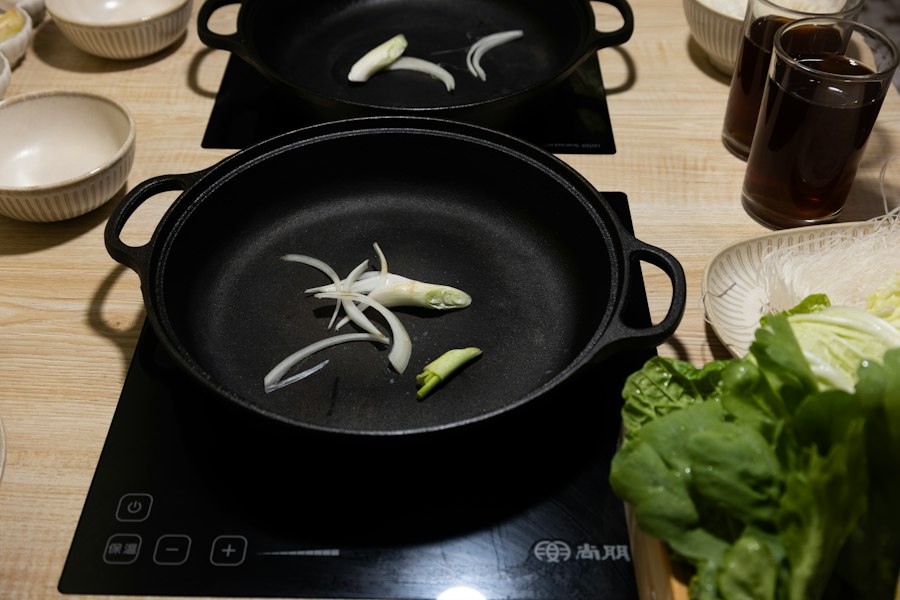
Beyond its efficiency, induction cooking offers a level of control and responsiveness that is often associated with professional kitchens. This precision allows for a more enjoyable and successful cooking experience.
Instantaneous Temperature Control: No More Guesswork
The moment you adjust the power setting on your induction cooktop, the heat output changes. There’s no lag time for a heating element to cool down or heat up. This means that if you’re searing a steak and want to reduce the heat immediately to prevent burning, you can do so instantly. Similarly, if you need to bring a sauce to a rapid simmer, you can crank up the power and see the results almost immediately.
Fine-Tuned Simmers and Gentle Heats
This precise control extends to the lower end of the power spectrum as well. You can achieve incredibly low, consistent simmers for delicate sauces or custards, preventing them from scorching or breaking. This level of fine-tuned heat management is a game-changer for recipes that require careful attention to temperature.
The “Boil-Stop” Phenomenon: Preventing Boil-Overs
Many induction cooktops feature a “boil-stop” or similar function. This is a testament to the responsiveness. When a liquid reaches a rolling boil, the cooktop can sense the vigorous bubbling and automatically reduce the power to maintain a gentle simmer. This prevents boil-overs and messy countertops, saving you cleaning time and frustration.
Precise Searing and Perfect Browning
The ability to quickly reach and maintain high temperatures is ideal for searing meats, achieving that perfect golden-brown crust. Conversely, the ability to drop the heat instantly prevents overcooking and allows you to control the Maillard reaction with exceptional accuracy.
Enhanced Cooking Experience: Less Stress, More Flavor
This combination of instant responsiveness and precise control reduces the stress often associated with cooking. You can focus more on the ingredients and the process, rather than constantly monitoring and adjusting the heat. This leads to more consistent results and, ultimately, more delicious meals.
The Technology Behind the Smooth Surface
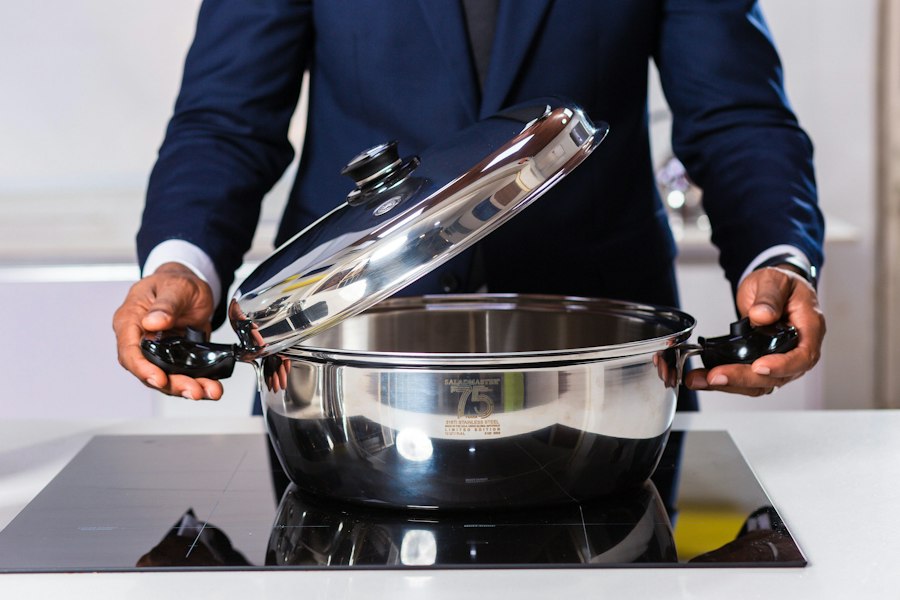
The sleek, glass-ceramic surface of an induction cooktop is not just for aesthetics. It’s an engineered component that plays a crucial role in the functioning of the appliance.
The Glass-Ceramic Wonder: Durability and Heat Resistance
The cooktop surface is typically made from a material called glass-ceramic. This isn’t your average windowpane. Glass-ceramic is a composite material that possesses a unique combination of properties. It’s extremely durable, resistant to scratches and chipping, and crucially, it can withstand significant thermal shock – rapid temperature changes without cracking.
Non-Conductive Barrier: Safety and Functionality
The glass-ceramic is also an electrical insulator. This is vital for safety. It prevents the electricity flowing through the induction coil from reaching you or the surrounding countertop. It acts as a safe barrier between the electromagnet and the outside world.
Heat Transfer Through Conduction (Limited): A Minor Role
While induction primarily heats the cookware directly, there is a small amount of heat transfer from the hot cookware to the glass-ceramic surface through conduction. However, because the glass-ceramic itself isn’t being heated by an element, it remains significantly cooler than the surface of a traditional electric or gas cooktop. This means spills and splatters are less likely to burn on, making cleanup a breeze.
Integrated Electronics: The Brains of the Operation
Beneath the glass-ceramic surface and surrounding the induction coils, you’ll find the sophisticated electronic circuitry that controls the entire operation. This includes the power electronics that generate the alternating current for the coils, the control panel interface, and safety sensors. These components work in harmony to ensure precise temperature regulation and safe operation.
Design and Ergonomics: A Modern Kitchen Staple
The smooth, flat surface of induction cooktops also contributes to a modern and minimalist kitchen aesthetic. They are easy to clean, integrate seamlessly into countertops, and their intuitive controls make them user-friendly for cooks of all skill levels.
Induction cooking has gained popularity for its efficiency and precision, making it a fascinating topic for those interested in modern culinary techniques. The science behind this innovative cooking method involves electromagnetic fields that directly heat pots and pans, resulting in faster cooking times and improved energy efficiency. For a deeper understanding of how induction cooking works, you can explore a related article that delves into the principles and benefits of this technology. Check it out here to learn more about the fascinating mechanics behind induction cooking.
Safety Features: A Smarter and Safer Kitchen
| Metric | Description | Typical Value / Range | Unit |
|---|---|---|---|
| Operating Frequency | Frequency of the alternating current used to generate the magnetic field | 20,000 – 50,000 | Hz (Hertz) |
| Magnetic Field Strength | Intensity of the magnetic field produced by the induction coil | 10 – 100 | mT (millitesla) |
| Power Output | Electrical power supplied to the induction coil | 1000 – 3500 | W (Watts) |
| Energy Transfer Efficiency | Percentage of electrical energy converted to heat in the cookware | 80 – 90 | % |
| Cookware Material | Material required for induction compatibility (ferromagnetic) | Cast iron, stainless steel | — |
| Skin Depth | Depth at which the induced current density falls to 1/e of its surface value | 10 – 100 | μm (micrometers) |
| Heating Time | Time taken to heat a standard volume of water | 2 – 4 | minutes (for 1 liter) |
| Induced Current Density | Current density induced in the cookware by the magnetic field | 10^4 – 10^6 | A/m² (amperes per square meter) |
Induction cooking is not only efficient and responsive but also inherently safer than many traditional cooking methods. The science behind it incorporates several built-in safety features that provide peace of mind.
Surface Coolness: Reduced Burn Risk
As mentioned, the induction cooktop surface itself does not get hot through direct heating. It only warms up slightly from residual heat transferred from the cookware. This significantly reduces the risk of accidental burns if you accidentally touch the cooktop surface, a common concern with gas or electric cooktops.
Auto Shut-Off Functionality: Preventing Forgotten Fires
Most induction cooktops are equipped with an auto shut-off feature. If you remove a pot or pan from the cooking zone, or if the cookware has been left on the surface for an extended period without any activity, the unit will automatically turn off. This prevents accidental fires and conserves energy.
Pan Detection: No Power Without a Pot
Induction cooktops are designed to only activate when a ferromagnetic pan is placed on a cooking zone. If there’s no pan, or if the pan is not induction-compatible, the cooktop will not heat up. This prevents wasted energy and reduces the risk of the empty pan overheating or the cooktop itself getting too hot unnecessarily.
Overheat Protection: Safeguarding Your Appliance
Integrated sensors monitor the temperature of the cooktop and the cookware. If the temperature exceeds a safe limit, the cooktop will automatically reduce power or shut off completely to prevent damage to the appliance and potential hazards.
Child Lock Feature: Keeping Little Hands Safe
Many induction cooktops come with a child lock feature. This disables the control panel, preventing children from accidentally turning on the cooktop or changing settings, adding another layer of safety for families with young children.
Efficient Cooling Fan: Maintaining Optimal Performance
The sophisticated electronics within the induction cooktop generate heat during operation. To manage this, an internal cooling fan is typically present. This fan activates as needed to dissipate heat from the electronic components, ensuring the longevity and optimal performance of the appliance.
In conclusion, the science of induction cooking is a fascinating blend of electromagnetism, material science, and clever engineering. It’s a technology that not only makes cooking faster and more efficient but also safer and more enjoyable. So, the next time you experience that instant heat and precise control, remember that you’re not just cooking; you’re harnessing the power of science for a better culinary experience.

The Pan Is the Heater: How Induction Cooking Really Works
FAQs
What is induction cooking?
Induction cooking is a method of cooking that uses electromagnetic fields to directly heat pots and pans, without heating the cooktop surface.
How does induction cooking work?
Induction cooktops use magnetic coils beneath the ceramic surface to create a magnetic field. When a compatible pot or pan is placed on the cooktop, the magnetic field induces electrical currents in the cookware, generating heat for cooking.
What are the advantages of induction cooking?
Induction cooking is faster and more energy-efficient than traditional gas or electric cooking methods. It also provides precise temperature control, immediate heat adjustment, and a cooler cooking surface.
Are there any limitations to induction cooking?
Induction cooking requires the use of cookware with magnetic properties, such as cast iron or stainless steel. Non-magnetic cookware, like aluminum or copper, will not work on induction cooktops.
Is induction cooking safe?
Induction cooking is considered safe because the cooktop surface remains cool to the touch, reducing the risk of burns. Additionally, the heat is generated directly in the cookware, minimizing the potential for accidental fires.