
You’re standing in your kitchen, ready to whip up a culinary masterpiece. The aroma of sautéing onions is already starting to fill the air, and you reach for the controls of your stovetop. But then, a thought dawns on you: what’s actually happening beneath that sleek surface? How is your food getting so hot, and what’s the difference between the method humming away under your pan and the one your neighbor might be using? You’re about to embark on a journey into the fascinating physics of induction cooking versus traditional electric heating. It’s a tale of magnetic fields and resistance, of direct heat and indirect transfer, and understanding it will not only demystify your cooking but might even lead you to rethink your next appliance upgrade.
At the heart of any cooking appliance lies the fundamental question of how it generates heat. For both induction and traditional electric stovetops, the answer involves electricity, but the way electricity is converted into thermal energy is dramatically different. This is the primary differentiator that impacts everything from speed and efficiency to safety and the types of cookware you can use.
The Principle of Resistance Heating in Electric Stovetops
Traditional electric heating elements, whether they’re coiled wires visible on an older ceramic hob or hidden beneath a smooth glass surface, operate on a very straightforward principle: Joule heating, also known as resistive heating. When electricity flows through a material with electrical resistance, a portion of the electrical energy is converted into heat.
Understanding Electrical Resistance
Imagine electricity as a river of tiny charged particles, electrons, flowing through a wire. Resistance is like the friction or obstacles in that riverbed. Some materials are naturally more resistant to the flow of electrons than others. Nichrome wire, a common alloy of nickel and chromium, is specifically chosen for electric heating elements because it possesses high electrical resistance and can withstand high temperatures without degrading.
When electrons are forced to push their way through this resistant material, they collide with the atoms of the conductor. These collisions transfer kinetic energy from the electrons to the atoms, causing them to vibrate more vigorously. This increased atomic vibration is what we perceive as heat. The more resistance there is, and the higher the current flowing through it, the more heat is generated. This is described by Joule’s Law: $P = I^2R$, where $P$ is the power (heat generated), $I$ is the current, and $R$ is the resistance.
The Direct vs. Indirect Heat Transfer
In an electric stovetop, the heating element itself becomes incredibly hot. This radiant heat then transfers to the bottom of your cookware through a combination of radiation and conduction. Think of it like holding your hand near a glowing red coil – you feel the heat radiating from it. The pan absorbs this heat, and then the heat is transferred to the food within.
This means there’s an intermediary step. The electricity heats the element, the element heats the pan, and the pan heats the food. This indirect path leads to energy loss. Some of the heat generated by the element dissipates into the surrounding air or is absorbed by the stovetop surface itself, rather than being efficiently transferred to the cooking vessel.
The Magic of Electromagnetic Induction
Induction cooking, on the other hand, takes a more direct and sophisticated approach. Instead of generating heat within the stovetop itself and then transferring it to the pan, induction cooking creates heat directly within the cookware. This is achieved through the principles of electromagnetism.
The Role of Alternating Current and Magnetic Fields
At the core of an induction cooktop are copper coils. When you turn on the cooktop, an alternating current (AC) flows through these coils. This alternating current generates a rapidly changing magnetic field that extends upwards from the cooktop surface. This is not a static magnetic field; it’s constantly fluctuating in strength and direction.
Eddy Currents and Hysteresis Losses
When you place a ferromagnetic (iron-containing) pot or pan onto the induction surface, this fluctuating magnetic field penetrates the base of the cookware. According to Faraday’s Law of Induction, a changing magnetic field induces an electromotive force (voltage) within a conductor. In the case of your cookware, this induced voltage drives electrical currents within the metal itself. These are called eddy currents.
These eddy currents, as they flow through the resistance of the metallic cookware, generate heat due to Joule heating, just like in the electric element. The faster the magnetic field changes and the higher the current, the more heat is generated directly in the pan.
Furthermore, ferromagnetic materials exhibit hysteresis losses. When subjected to a changing magnetic field, the magnetic domains within the material are constantly reorienting themselves. This reorientation process consumes energy, which is released as heat. So, in addition to the heat generated by eddy currents, the magnetic properties of the cookware also contribute to its heating.
The Direct Transfer to Food
Because the heat is generated directly within the base of the cookware, the transfer to your food is incredibly efficient. There’s no intermediary heating element to lose energy from. The pan gets hot, and the food in the pan gets hot, almost instantaneously. This directness is the key to induction’s speed and energy efficiency.
Induction cooking and electric heating represent two distinct approaches to cooking, each with its own set of advantages and disadvantages rooted in the principles of physics. For a deeper understanding of the underlying mechanisms and comparisons between these two methods, you can explore a related article that delves into the science behind cooking technologies. Check it out here: Freaky Science.
Energy Efficiency: A Tale of Two Technologies
The differing methods of heat generation between induction and electric stovetops lead to a significant disparity in their energy efficiency. Understanding these differences can have a tangible impact on your energy bills and your environmental footprint.
Losses in Electric Heating: The Heat That Escapes
Traditional electric stovetops are notoriously less efficient than induction cooktops. This inefficiency stems from the inherent nature of resistive heating and the subsequent heat transfer process.
Heat Loss to the Surroundings
As mentioned earlier, when an electric heating element gets hot, a significant portion of that heat is radiated into the surrounding environment. This includes the air around the stovetop, the surface of the cooktop itself, and even into the cabinets below. This wasted heat contributes nothing to cooking your food and represents a direct loss of energy.
Heat Loss to the Stovetop Surface
Even with smooth ceramic or glass surfaces, heat is conducted from the hot element to the stovetop material. While designed to withstand heat, these surfaces are not perfect insulators. Some of this heat is then radiated from the stovetop surface, again contributing to ambient heat rather than cooking your meal.
The Lag in Heat Transfer
There’s also a slight delay in the heat transfer process. The element needs time to heat up, and then the heat needs time to transfer to the pan. During this ramp-up period, energy is being consumed to heat the element, but the pan isn’t yet at its optimal cooking temperature, leading to further inefficiency.
The Induction Advantage: Targeted Heating
Induction cooking, by its very nature, minimizes energy wastage. This is its most celebrated advantage when it comes to energy efficiency.
Direct Heating of the Cookware
The core of induction’s efficiency lies in its ability to heat the cookware directly. The magnetic field is precisely controlled to induce currents only in the ferromagnetic base of the pot or pan. This means that the stovetop surface itself remains relatively cool, with only residual heat transferred from the pan. This drastically reduces heat loss to the surroundings.
Minimal Heat Loss to the Environment
Because the heating element (the copper coil beneath the surface) is not itself becoming intensely hot, and the stovetop surface only gets warm from contact with the hot pan, the amount of heat escaping into the kitchen air is significantly lower. This focused energy delivery means more of the electricity consumed is used for cooking.
Near-Instantaneous Heat Response
The magnetic field generation and subsequent eddy current induction are almost instantaneous. Once you adjust the power setting, the heat output in the pan changes very rapidly. This means less time is spent with the appliance at a higher power setting than necessary, further contributing to overall energy savings. Studies consistently show induction cooktops to be 10-20% more energy-efficient than traditional electric resistance cooktops.
Speed and Responsiveness: The Culinary Pace Setter
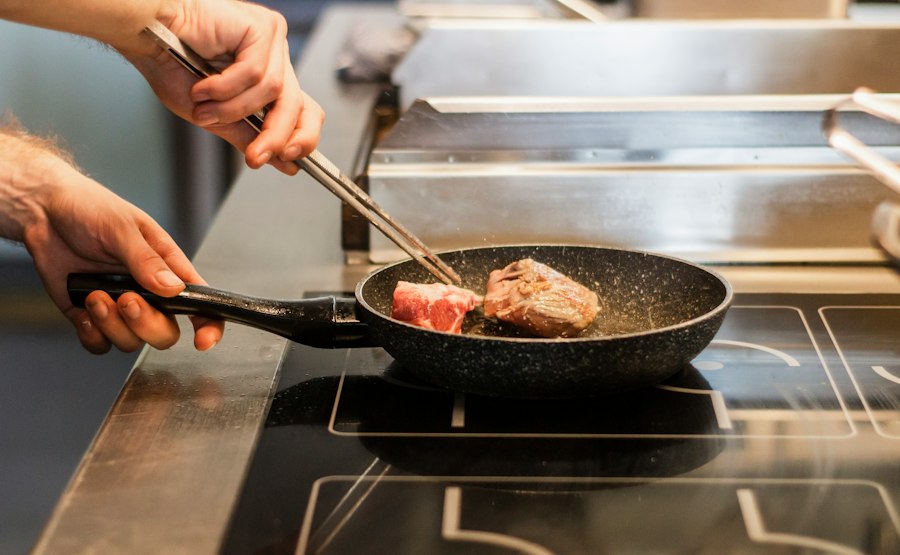
The speed at which a cooking appliance can heat up and respond to changes in temperature is crucial for effective cooking. This is where the physics of induction truly shines, offering a dramatic improvement over traditional electric heating.
The Slow Ramp-Up of Electric Heating Elements
Electric heating elements, particularly those using resistive coils, are not known for their speed. The process of getting them to a high cooking temperature involves heating a solid mass of metal.
Thermal Mass and Inertia
The heating element has a certain thermal mass, meaning it takes a considerable amount of energy to raise its temperature. This is often exacerbated by the thermal inertia of the system. The element needs to reach a high temperature before it can effectively transfer enough heat to the pan to begin cooking. This ramp-up period can take several minutes, especially for older coil-top stoves.
Lag in Temperature Adjustments
Adjusting the temperature on an electric stovetop is also a slower process. When you turn down the heat, the element doesn’t instantly cool. It retains a significant amount of stored heat. This means that even after you’ve reduced the setting, the pan can continue to cook at a higher temperature for a while, potentially leading to overcooking. Similarly, increasing the heat requires the element to heat up again.
The Lightning-Fast Response of Induction
Induction cooking fundamentally changes the game when it comes to speed and responsiveness, mimicking the behavior of gas cooktops in many ways.
Direct Energy Transfer to the Pan
As discussed, induction directly heats the cookware. This means the energy is delivered precisely where it’s needed, with minimal delay. The moment the magnetic field is active and the pan is in place, heat generation begins within the pan itself.
Near-Instantaneous Temperature Changes
When you adjust the power setting on an induction cooktop, the intensity of the magnetic field changes almost immediately. This directly translates to a rapid increase or decrease in the eddy currents within the cookware, and therefore, a swift change in the pan’s temperature. This allows for precise control over the cooking process.
Simulating Gas Cooktop Performance
This rapid response is why induction cooktops are often praised for their ability to “sear like gas.” You can quickly bring a pan to a high heat for searing, then instantly lower it to prevent burning. This level of control and speed is unparalleled by traditional electric heating. For example, boiling water on an induction hob can be significantly faster than on a standard electric hob, sometimes even rivalling gas.
Safety Features: A Matter of Physics
The underlying physics of how each appliance generates heat also dictates its inherent safety characteristics. This is a crucial consideration for any home kitchen.
The Hazards of Residual Heat in Electric Stovetops
The reliance on a hot surface to transfer heat to cookware means that electric stovetops inherently pose a greater burn risk.
Hot Surfaces and Radiant Heat
The heating elements themselves, and the ceramic or glass surface above them, become extremely hot during operation. Even after the appliance is turned off, these surfaces retain a significant amount of residual heat for an extended period. This presents a constant burn hazard, especially for children and pets.
The Risk of Accidental Contact
If someone accidentally touches a hot electric stovetop surface, they can sustain serious burns. This is a significant drawback, particularly in busy households.
Fire Hazards
While less common with modern safety features, the high temperatures involved can, in certain circumstances, pose a fire risk. For instance, flammable materials left on a hot burner could ignite.
The Cooler Surface Advantage of Induction
Induction cooking’s primary safety advantage lies in the fact that the cooking surface itself does not get hot through direct heating.
The Surface Stays Cool
The magnetic field is generated by coils beneath the non-ferrous ceramic glass surface. This surface is only heated by the residual heat transferred from the hot cookware. This means the stovetop surface remains significantly cooler than that of a traditional electric hob, greatly reducing the risk of accidental burns.
Auto Shut-Off and Pan Detection
Most induction cooktops are equipped with advanced safety features directly related to their physics. Pan detection ensures that the cooktop will only activate the magnetic field and generate heat when a suitable ferromagnetic pan is in place. If the pan is removed, the magnetic field immediately deactivates, stopping heat generation. Many also feature auto shut-off mechanisms, turning off the unit after a period of inactivity or if boiling dry is detected.
Reduced Fire Risk
Because the surface remains cooler, the risk of igniting flammable materials accidentally placed on the hob is significantly reduced. This makes induction a safer option, especially in environments where safety is a top priority. The absence of open flames (like gas) and the cooler surface contribute to a generally safer cooking experience.
Induction cooking has gained popularity for its efficiency and precision, especially when compared to traditional electric heating methods. For those interested in exploring the underlying physics of these two cooking techniques, a related article can provide valuable insights into how they operate and their respective advantages. You can read more about this fascinating topic in the article found here. Understanding the differences in energy transfer and heat generation can help consumers make informed choices in their kitchen appliances.
Cookware Compatibility: The Physics Dictates the Pan
| Aspect | Induction Cooking | Electric Heating (Resistive) |
|---|---|---|
| Heating Mechanism | Electromagnetic induction generates eddy currents in ferromagnetic cookware, producing heat directly in the pot. | Electric current passes through a resistive heating element, converting electrical energy into heat which then transfers to cookware. |
| Energy Efficiency | Approximately 80-90% efficient; less heat loss to surroundings. | Approximately 70-75% efficient; more heat lost to air and cooktop surface. |
| Heat Transfer Speed | Rapid heating due to direct induction in cookware. | Slower heating as heat must conduct from element to cookware. |
| Temperature Control | Precise and fast response to power adjustments. | Slower response due to thermal inertia of heating element. |
| Cookware Requirements | Requires ferromagnetic (magnetic) cookware such as cast iron or stainless steel. | Compatible with all types of cookware. |
| Surface Temperature | Cooktop surface remains relatively cool, only heated by contact with cookware. | Heating element and cooktop surface become very hot. |
| Safety | Lower risk of burns; automatic shut-off if no cookware detected. | Higher risk of burns due to hot surface. |
| Physics Principle | Faraday’s law of induction and Joule heating in conductive materials. | Joule heating in resistive materials. |
The fundamental physics of how induction and electric heating work dictates the types of cookware that can be used with each appliance. This is often the most practical consideration for consumers when choosing or upgrading their kitchen appliances.
The Universal Appeal of Electric Heating
Electric heating elements, whether coil or radiant, are designed to heat a broad range of materials through direct contact.
Resistance to Heat is Key
For traditional electric stovetops, the primary requirement for cookware is that it can withstand high temperatures and effectively conduct heat. Most common cookware materials, including stainless steel, aluminum, copper, cast iron, and glass, will work. The heat from the element transfers to the bottom of the pan, and as long as the pan can handle that heat and transfer it to food, it will function.
No Special Requirements for Electromagnetic Interaction
There is no need for the cookware to interact with magnetic fields. The heating process is purely thermal. Therefore, materials like glass, ceramic, and pure aluminum, which are non-ferromagnetic, can be used effectively on electric stovetops.
The Strict Requirements of Induction
Induction cooking’s reliance on magnetic fields imposes specific requirements on the cookware used.
Ferromagnetic Properties are Essential
For induction to work, the cookware must contain ferromagnetic materials. This means the base of the pot or pan must be made of or contain iron or steel that is attracted to a magnet. When placed on an induction cooktop, this ferromagnetic material allows the magnetic field to induce eddy currents and generate heat.
The Magnet Test
A simple way to check if a piece of cookware is induction-compatible is to see if a magnet will stick to its base. If it does, it’s likely to work on an induction hob.
What Works and What Doesn’t
- Works: Cast iron, enameled cast iron, and many types of stainless steel with a magnetic base.
- Doesn’t Work: Pure aluminum, copper, glass, and ceramic cookware. These materials are non-ferromagnetic and will not be heated by an induction cooktop.
Multi-Ply Cookware
Many modern cookware sets are designed with multiple layers. For induction compatibility, at least the bottom layer needs to be ferromagnetic. This is why you’ll often see stainless steel clad cookware with an aluminum or copper core – the outer layers are designed for heat distribution, but the inner layer that contacts the induction surface needs to be magnetic.
Energy Transfer and Cookware Design
The efficiency of heat transfer in induction cooking is also influenced by the design of the cookware. A flat, thick base will generally provide more even heating and better energy transfer than a thin, warped, or curved base. The thickness of the ferromagnetic layer also plays a role in how much heat is generated.
In conclusion, you’ve navigated the intricate physics of how your stovetop brings your meals to life. You’ve seen how traditional electric heating relies on the simple, yet often inefficient, principle of resistance, where electricity battles its way through a wire, generating heat that then has to travel. Induction, in contrast, is a master of electromagnetism, creating heat directly within your cookware, a targeted and efficient transfer that promises speed, savings, and enhanced safety. From the hum of the heating element to the subtle dance of magnetic fields, the physics at play are not just academic; they are the silent architects of your culinary creations, shaping everything from how quickly your water boils to how safely you can cook. Now, when you stand before your stovetop, you can appreciate the scientific marvel that brings deliciousness to your plate.
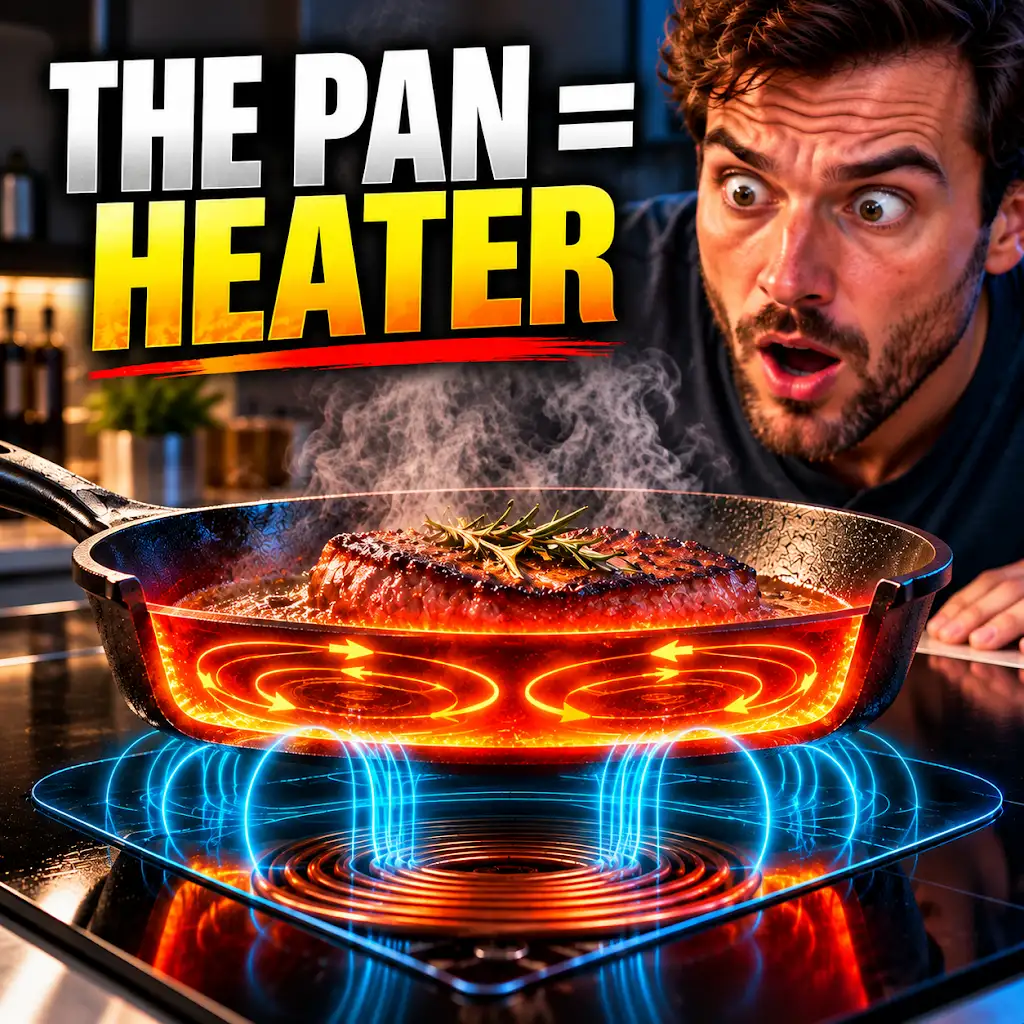
The Pan Is the Heater: How Induction Cooking Really Works
FAQs
What is the difference between induction cooking and electric heating?
Induction cooking uses electromagnetic induction to heat the cookware directly, while electric heating uses a heating element to transfer heat to the cookware.
How does induction cooking work?
Induction cooking works by creating a magnetic field that induces a current in the cookware, generating heat. The cookware itself becomes the heating element.
What are the advantages of induction cooking over electric heating?
Induction cooking is more energy-efficient, heats up faster, and provides more precise temperature control compared to electric heating. It also cools down quicker once the cookware is removed.
Are there any disadvantages to induction cooking?
One disadvantage of induction cooking is that it requires cookware that is magnetic, such as cast iron or stainless steel. Induction cooktops can also be more expensive upfront compared to traditional electric stoves.
Which method is safer, induction cooking or electric heating?
Induction cooking is generally considered safer than electric heating because the cooktop itself does not get hot, reducing the risk of burns. Additionally, induction cooktops have features like automatic shut-off and pan detection for added safety.