You’re standing in your kitchen, perhaps a little overwhelmed by the sheer variety of cooking appliances available. You’ve heard whispers of induction, seen sleek, modern stovetops, and maybe even caught a glimpse of a chef’s incredible speed and precision. But what exactly is induction cooking, and is it truly a game-changer for your culinary adventures? Prepare to unlock its power, because we’re about to dive deep into the world of this remarkable technology.
Forget what you know about traditional stovetops. Induction isn’t about heating a coil or a gas flame. It’s a sophisticated dance of electromagnetism that directly heats your cookware, leaving the stovetop itself cool to the touch. It’s a concept that might sound like science fiction, but it’s remarkably elegant and efficient.
The Electromagnetic Principle: More Than Just Heat
At its core, induction cooking relies on Faraday’s Law of Induction. This fundamental principle states that a changing magnetic field can induce an electric current in a conductor. Your induction cooktop generates a high-frequency alternating magnetic field from a coil positioned beneath the smooth glass-ceramic surface.
The Role of the Magnetic Field
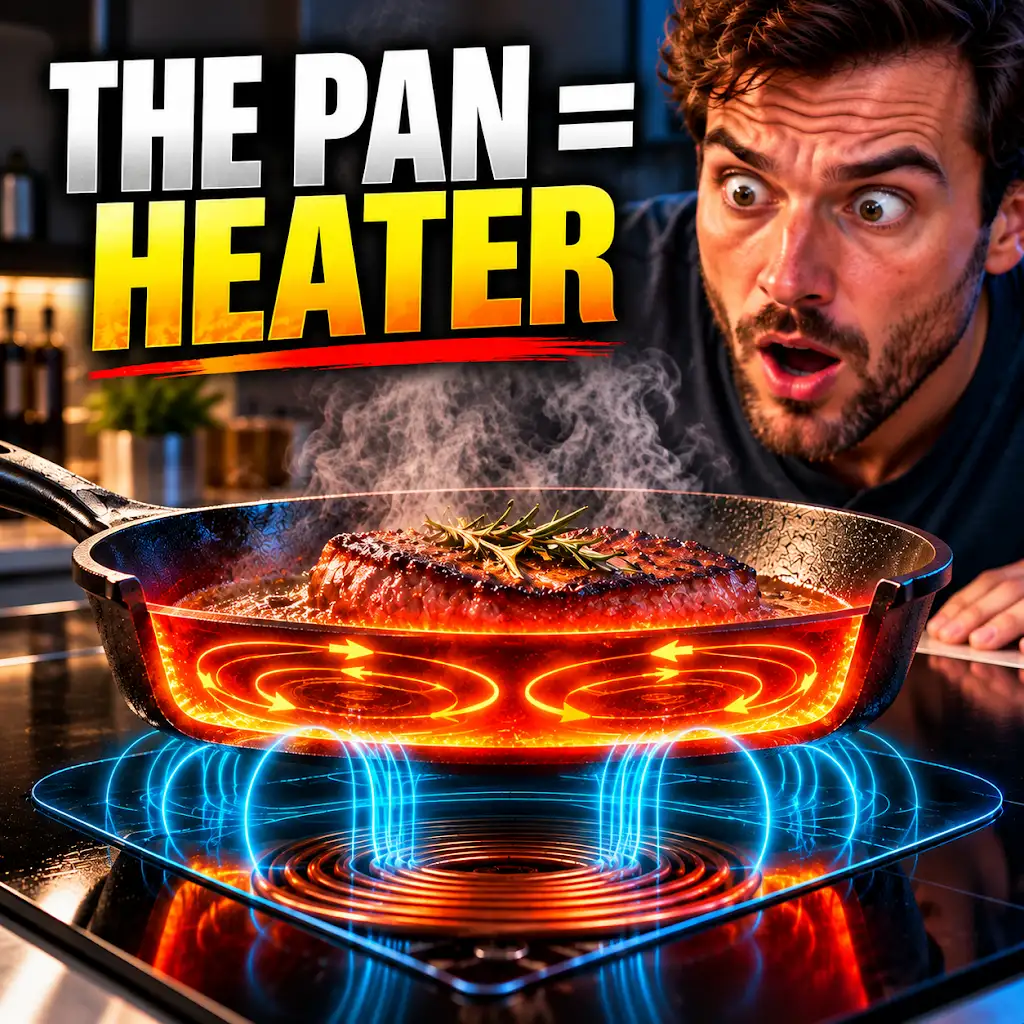
When you place a ferromagnetic pot or pan (meaning it contains iron or steel) on the cooktop, the alternating magnetic field penetrates the base of the cookware. This magnetic field causes electrons within the metal to oscillate rapidly. These oscillations, in turn, create electrical currents within the cookware itself, known as eddy currents.
Eddy Currents and Resistance: Generating Heat
These eddy currents, while confined to the cookware, encounter resistance as they flow through the metal. It’s this resistance that generates heat, and it’s this heat that cooks your food. Think of it like friction – the more the electrons are jostled and resisted, the hotter the metal becomes.
Joule Heating: The Direct Connection
This process is often referred to as Joule heating, named after James Prescott Joule. The intensity of the heat produced is directly proportional to the electrical resistance of the cookware and the square of the induced current. This direct transfer of energy from the cooktop to the cookware is what makes induction so incredibly efficient.
Why Only Magnetic Cookware? The Crucial Distinction
This is a critical point that often causes confusion. Not all cookware is created equal when it comes to induction. The magnetic field needs something to interact with to generate those all-important eddy currents.
Ferrous Metals are Key
Cookware made from materials like cast iron, carbon steel, and most stainless steel (specifically those with a magnetic base) will work beautifully. The iron or steel content is what allows the magnetic field to “grab hold” and induce the necessary currents.
Non-Magnetic Materials are Left Out
Aluminum, copper, and glass cookware, while excellent for other cooking methods, are not magnetic. Therefore, the magnetic field from the cooktop will simply pass through them without generating any heat. You’ll find your food remaining stubbornly cold, no matter how high you turn the dial.
Induction cooking is a fascinating topic within kitchen science, as it combines technology and culinary techniques to enhance cooking efficiency and safety. For those interested in exploring this subject further, you can read a related article that delves into the principles of induction cooking and its benefits. Check it out here: Kitchen Science: Induction Cooking Explained.
The Speed and Precision: Mastering Your Culinary Craft
One of the most lauded benefits of induction cooking is its unparalleled speed and precision. Gone are the days of waiting for water to boil or struggling to maintain a delicate simmer. Induction puts you in complete control.
Lightning-Fast Heating: Boiling in a Flash
When you first turn on an induction burner and set it to high, you’ll be astounded by how quickly it heats up. A pot of water that might take several minutes on a gas or electric stovetop can come to a rolling boil in a fraction of that time.
The Efficiency Advantage
This speed isn’t just about convenience; it’s a testament to induction’s efficiency. Because the heat is generated directly within the cookware, there’s virtually no wasted energy escaping into the surrounding air. This means more energy goes directly into heating your food.
What This Means for Your Cooking
Imagine boiling pasta water in under two minutes, or quickly searing a steak the moment it hits the pan. This rapid heating capability can drastically reduce your cooking times and allow for more spontaneous meal preparation.
Unmatched Temperature Control: From Gentle Simmer to Blazing Sear
Beyond sheer speed, induction excels at providing incredibly precise temperature control. This is where the true artistry of cooking shines.
Fine-Tuning Your Heat
Unlike traditional stovetops where temperature settings are often broad approximations, induction burners offer nuanced control. You can adjust the heat in very small increments, allowing you to maintain delicate simmers for sauces, gently poach fish, or achieve the perfect caramelization without burning.
The “Melt and Hold” Phenomenon
Many induction cooktops have specific low-heat settings designed for tasks like melting chocolate or butter, or keeping food warm without cooking it further. This “melt and hold” capability is a godsend for bakers and anyone who needs to maintain a consistent temperature for extended periods.
Perfect for Delicate Dishes
For dishes that require absolute precision, like hollandaise sauce or crème brûlée, induction is a revelation. You can gently warm ingredients and whisk them to perfection without the risk of scorching or curdling, problems that can plague even experienced cooks on other appliances.
Safety First: A Cooler, Safer Kitchen Environment

Safety is a paramount concern in any kitchen, and induction cooking offers significant advantages in this regard, making it a more family-friendly and worry-free option.
The Cool Touch: A Game Changer for Safety
Perhaps the most striking safety feature of induction is that the cooktop surface itself remains relatively cool during operation. This is a stark contrast to the red-hot surfaces of electric coil or radiant ceramic stovetops.
Reduced Burn Risk
Because the heat is generated directly within the cookware, the glass-ceramic surface around it doesn’t get intensely hot. This significantly reduces the risk of accidental burns, especially for households with children or pets who might touch the stovetop.
Spills Won’t Burn On
Another welcome consequence of the cooler surface is that spills and splatters are less likely to burn onto the cooktop. This makes cleaning up much easier and more pleasant, as you won’t be scraping hardened food from a scorching hot surface.
Automatic Pan Detection: Eliminating Accidental Activation
Induction cooktops are also incredibly smart. They feature automatic pan detection, meaning they will only activate the heating element when a suitable ferromagnetic pan is placed on it.
No More “On” Without a Pan
If you accidentally turn on a burner without a pot or pan, nothing will happen. The cooktop simply won’t generate any heat. This prevents accidental activation and potential hazards.
Peace of Mind for Busy Households
This feature provides a significant layer of peace of mind, especially in busy households where distractions are common. You can be confident that the cooktop won’t pose a safety risk if a pan is inadvertently removed or not placed correctly.
Energy Efficiency: Good for Your Wallet and the Planet
Induction cooking isn’t just about performance and safety; it’s also a more energy-efficient choice. This translates into lower electricity bills and a reduced environmental footprint.
Minimizing Heat Loss
As mentioned earlier, the direct transfer of energy to the cookware means very little heat is lost to the surrounding air. Traditional stovetops, on the other hand, lose a considerable amount of energy as ambient heat.
Faster Cooking Times, Less Energy Used
The speed at which induction cooks also contributes to its energy efficiency. Since your food cooks faster, the burner is on for less time, ultimately consuming less electricity overall.
Cookware Compatibility: The Essential Guide
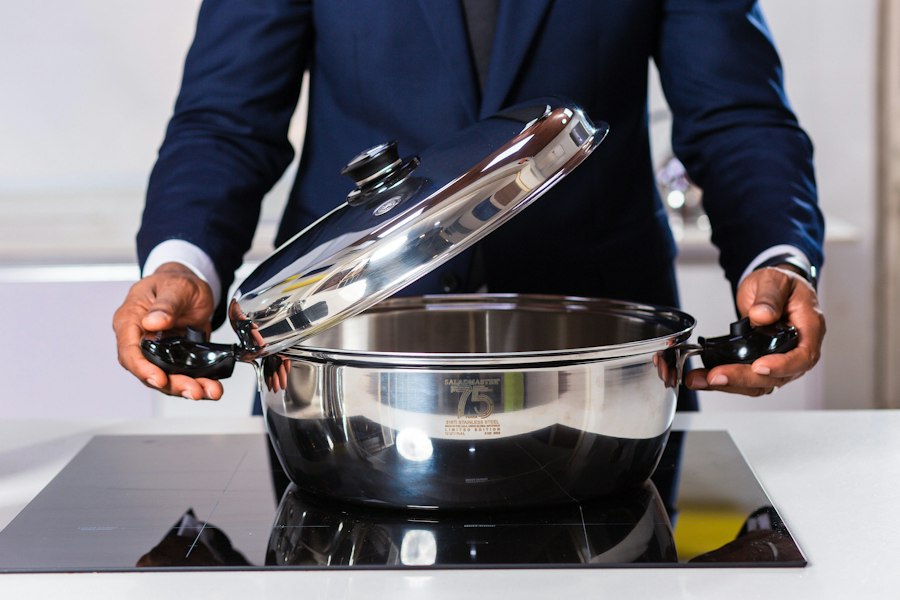
Choosing the right cookware is paramount to unlocking the full potential of your induction cooktop. It’s not a complex decision, but it’s one that requires a little understanding.
The Magnet Test: Your Simple Solution
The easiest way to determine if your existing cookware is induction-compatible is with a simple magnet. If a magnet sticks firmly to the base of your pot or pan, it’s likely induction-ready.
What to Look For: The Ferromagnetic Clue
Look for cookware explicitly labeled as “induction compatible” or those made from materials known to be ferromagnetic, such as cast iron, carbon steel, or certain types of stainless steel.
What to Avoid: The Non-Magnetic Dilemma
Avoid cookware made solely from aluminum, copper, or glass. While these materials are excellent for heat conductivity in other applications, they simply won’t interact with the magnetic field of an induction cooktop.
Investing in New Cookware: Smart Choices for Optimal Performance
If you’re looking to purchase new cookware for your induction hob, here are some excellent options:
Cast Iron: Timeless Durability and Heat Retention
Cast iron cookware is a classic for a reason. It’s incredibly durable, retains heat exceptionally well, and is inherently magnetic. It’s perfect for searing, braising, and baking. Ensure your cast iron pieces have a flat, smooth bottom for optimal contact with the cooktop.
Carbon Steel: A Lighter, Faster-Heating Alternative
Carbon steel offers many of the benefits of cast iron but is lighter and heats up more quickly. It requires seasoning, similar to cast iron, to develop a natural non-stick surface. It’s a favorite among professional chefs for its responsiveness.
Stainless Steel with a Magnetic Core: The Versatile Workhorse
Many modern stainless steel pots and pans are designed with a magnetic core, often a layer of aluminum sandwiched between stainless steel layers. This provides the best of both worlds: the durability and corrosion resistance of stainless steel with the induction compatibility you need. Look for cookware that specifies a magnetic base.
Induction-Ready Multi-Clad Cookware: The Ultimate Performance
For the discerning cook, multi-clad cookware designed specifically for induction offers exceptional performance. These pieces typically feature layers of different metals (like aluminum or copper for heat distribution) bonded to a magnetic stainless steel exterior, ensuring efficient and even heating.
Induction cooking has gained popularity for its efficiency and precision, making it a fascinating topic in kitchen science. If you’re interested in exploring more about the science behind this innovative cooking method, you might find this article on Freaky Science particularly enlightening. It delves into the principles of electromagnetic induction and how it revolutionizes the way we cook, providing insights that can enhance your culinary experience.
The Future of Your Kitchen: Embracing Induction’s Advantages
| Metric | Description | Typical Value | Unit |
|---|---|---|---|
| Power Consumption | Amount of electrical power used during cooking | 1200 – 1800 | Watts |
| Heating Efficiency | Percentage of energy transferred to the cookware | 80 – 90 | % |
| Cooking Time | Time taken to boil 1 liter of water | 4 – 6 | Minutes |
| Temperature Range | Operating temperature range of induction cooktops | 60 – 240 | °C |
| Cookware Compatibility | Type of cookware suitable for induction cooking | Ferromagnetic materials (e.g., cast iron, stainless steel) | — |
| Safety Features | Common safety mechanisms in induction cooktops | Auto shut-off, child lock, overheat protection | — |
| Power Adjustment Levels | Number of power settings available | 5 – 10 | Levels |
Induction cooking is more than just a trend; it’s a fundamental shift in how we approach home cooking. By understanding its principles and embracing its advantages, you’re not just upgrading your stovetop; you’re unlocking a more efficient, precise, and safer way to create delicious meals.
Enhanced Culinary Creativity: Unleash Your Inner Chef
The speed and precision of induction cooking can empower you to experiment with a wider range of recipes and techniques. The ability to control heat with such accuracy opens up new possibilities for delicate sauces, perfectly cooked proteins, and nuanced flavor development.
From Weekday Meals to Gourmet Delights
Whether you’re whipping up a quick weeknight dinner or preparing a multi-course feast, induction’s responsiveness will streamline your cooking process and elevate the final results.
Reduced Energy Consumption: A Sustainable Choice
Choosing induction is a step towards a more sustainable kitchen. By minimizing energy waste, you’re not only saving money on your utility bills but also contributing to a healthier planet.
A Greener Way to Cook
The efficiency of induction aligns with a growing awareness of environmental responsibility, making it a compelling choice for conscious consumers.
A Modern Kitchen Aesthetic: Sleek and Functional Design
Induction cooktops are renowned for their sleek, minimalist designs. The smooth glass-ceramic surface is not only easy to clean but also adds a touch of modern elegance to any kitchen.
A Seamless Integration into Your Home
The clean lines and integrated controls of induction stovetops offer a sophisticated and uncluttered look, complementing a wide range of kitchen styles.
So, are you ready to step into the future of cooking? By understanding the power of induction, you’re well on your way to transforming your kitchen into a hub of efficiency, precision, and culinary delight. Your taste buds, your wallet, and your family will thank you for it.
The Pan Is the Heater: How Induction Cooking Really Works
FAQs
What is induction cooking?
Induction cooking is a method of cooking that uses electromagnetic energy to heat cookware directly, without the need for a traditional heating element like a gas flame or electric coil.
How does induction cooking work?
Induction cooking works by creating a magnetic field between the cooktop and the cookware. This magnetic field generates heat directly in the cookware, allowing for precise and efficient cooking.
What are the advantages of induction cooking?
Some advantages of induction cooking include faster heating times, precise temperature control, energy efficiency, and a cooler cooking surface compared to traditional gas or electric stoves.
Is induction cooking safe?
Induction cooking is generally considered safe as long as proper precautions are taken. The cooktop itself remains cool to the touch, reducing the risk of burns, and the heat is generated only in the cookware, making it a safer option for households with children.
What types of cookware can be used with induction cooking?
In order for cookware to work with induction cooking, it must be made of a magnetic material such as cast iron or magnetic stainless steel. Non-magnetic materials like aluminum or copper will not work on an induction cooktop.