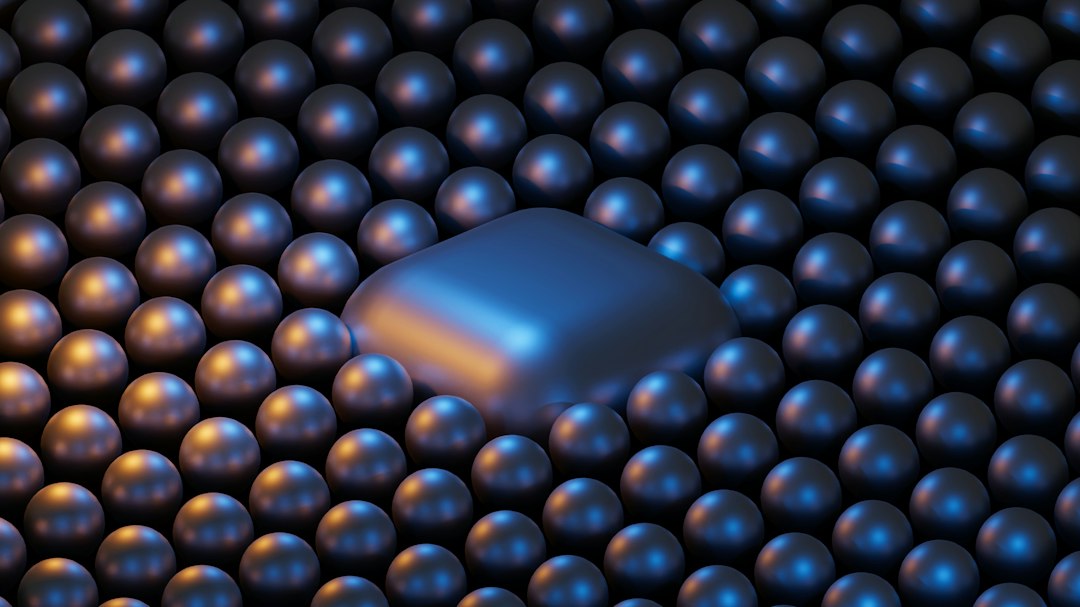
The flickering documentary screen cast an ethereal glow across the hushed audience. The title card faded, replaced by a stark, almost alien landscape rendered in CGI. A narrator’s deep, resonant voice filled the space, intoning, “Beyond the familiar, where matter bends to the will of design, lies a realm of extraordinary possibility: the world of mechanical metamaterials.” This was the opening of “Unveiling the Physics of Mechanical Metamaterials: A Documentary,” a cinematic exploration that promised to demystify these revolutionary engineered structures and their profound implications. The film, meticulously crafted and visually stunning, embarked on a journey from the fundamental principles of physics to the cutting-edge applications that are poised to redefine our technological landscape.
The documentary wasted no time in establishing the core concept: mechanical metamaterials are not defined by their constituent atoms but by their precisely engineered structure. This distinction, the narrator emphasized, is paramount. Unlike conventional materials whose properties are dictated by their intrinsic chemical composition, metamaterials derive their astonishing capabilities from the geometric arrangement of their subunits, often on scales invisible to the naked eye.
Beyond Bulk Properties: The Power of Structure
The film’s initial segment delved into the historical context, tracing the evolution of our understanding of material behavior. It showcased the limitations of traditional materials – their inherent brittleness, conductivity limitations, or inability to withstand extreme stresses. Through captivating animations, the documentary illustrated how the macroscopic properties of a material, such as its stiffness, density, and response to stress, are fundamentally linked to the microscopic interactions of its atoms and molecules. This established a baseline, a familiar understanding that the film was about to shatter.
The turning point, the documentary explained, came with the realization that the architecture of a material could be as influential as its composition. This led to the introduction of the concept of “unit cells” – repeating structural elements that, when assembled in a specific configuration, imbue the bulk material with unprecedented characteristics. The narrative skillfully used analogies, comparing unit cells to the bricks in a building, but with the crucial difference that the arrangement of these bricks, their shape, and their connectivity, could bestow properties as varied as negative mass or acoustic invisibility.
Negative Poisson’s Ratio: The Auxetic Marvel
One of the most compelling early examples presented was the phenomenon of auxetic behavior. The documentary’s visuals shifted to demonstrate the counterintuitive nature of these materials. When stretched, they get thicker, and when compressed, they become thinner – the opposite of conventional materials which exhibit a positive Poisson’s ratio. This was illustrated with vibrant animations of auxetic lattices expanding outwards in all directions when pulled, creating a paradoxical bulging effect.
The physics behind this behavior was explained in clear, accessible terms. The narrator described how the re-entrant geometry of the unit cells – internal angles that point inwards – creates a unique deformation mechanism. As the material is pulled, these re-entrant structures expand, causing an increase in width. Conversely, compression forces them to collapse inwards, leading to a decrease in width. The film highlighted the potential applications of auxetic materials, from impact-absorbing helmets and body armor that conform to the shape of an impact, to medical implants that can better integrate with surrounding tissues.
Chirality and Rotational Behavior: A Twisted Approach
Another fascinating aspect explored was the role of chirality in mechanical metamaterials. The documentary introduced the concept of “mechanical chirality,” where structural units possess a handedness, leading to a preferential response to rotational forces. Through intricate 3D models, viewers saw how twisted unit cells could induce specific torsional deformations in the bulk material, or even transmit rotational motion in unexpected ways.
The physics here was linked to the asymmetric nature of the chiral structures. When subjected to stress, these structures could exhibit a preferred direction of rotation, much like how a screw tightens or loosens depending on the direction of its turn. This led to discussions on potential applications such as novel actuators, self-righting structures, and even devices capable of generating directional vibrations for sensing or manipulation.
In the fascinating realm of mechanical metamaterials, a recent article titled “The Future of Mechanical Metamaterials: Innovations and Applications” provides an in-depth exploration of the latest advancements in this cutting-edge field. The article discusses how these engineered materials can manipulate mechanical waves in unprecedented ways, leading to potential applications in various industries, from aerospace to biomedical engineering. For more insights into the world of mechanical metamaterials, you can read the full article at Freaky Science.
The Architect’s Toolkit: Design and Fabrication
Having established the fundamental principles, “Unveiling the Physics of Mechanical Metamaterials” transitioned to the practicalities of bringing these abstract concepts into reality. This segment focused on the sophisticated design tools and advanced fabrication techniques that are essential for creating metamaterials with tailored properties.
Computational Design: From Theory to Digital Model
The film showcased the power of computational modeling and simulation in the design process. Leading researchers and engineers were interviewed, explaining how they use advanced software to predict the mechanical behavior of proposed metamaterial structures before they are even fabricated. These simulations allowed for rapid iteration and optimization, enabling designers to fine-tune the unit cell geometry, arrangement, and material composition to achieve specific performance targets.
The documentary emphasized the complexity of these simulations, involving finite element analysis and other advanced numerical methods. However, it presented these concepts through clear visualizations of stress distribution, deformation patterns, and vibrational modes within virtual metamaterial structures. The narrative highlighted how this computational approach drastically reduces the time and cost associated with experimental prototyping, accelerating the pace of innovation.
Advanced Manufacturing: Printing the Impossible
The fabrication section was a visual feast, showcasing the cutting-edge manufacturing technologies that make metamaterial creation possible. 3D printing, or additive manufacturing, emerged as a dominant theme. The documentary featured demonstrations of various 3D printing techniques, including stereolithography (SLA), selective laser sintering (SLS), and even multi-material printing.
Viewers witnessed the layer-by-layer construction of intricate metamaterial structures with feature sizes measured in micrometers. The film underscored the freedom that additive manufacturing provides, allowing for the creation of complex geometries that would be impossible to achieve with traditional subtractive manufacturing methods. This freedom, the narrator explained, is what unlocks the potential for truly novel metamaterial designs.
The documentary also touched upon other advanced fabrication methods, such as micro-molding and self-assembly, demonstrating the diverse toolkit available to material scientists and engineers. The emphasis was on the precision and control required at these small scales, where even minor deviations in structure can have significant macroscopic consequences.
Beyond Conventional Limits: Unlocking New Functionalities
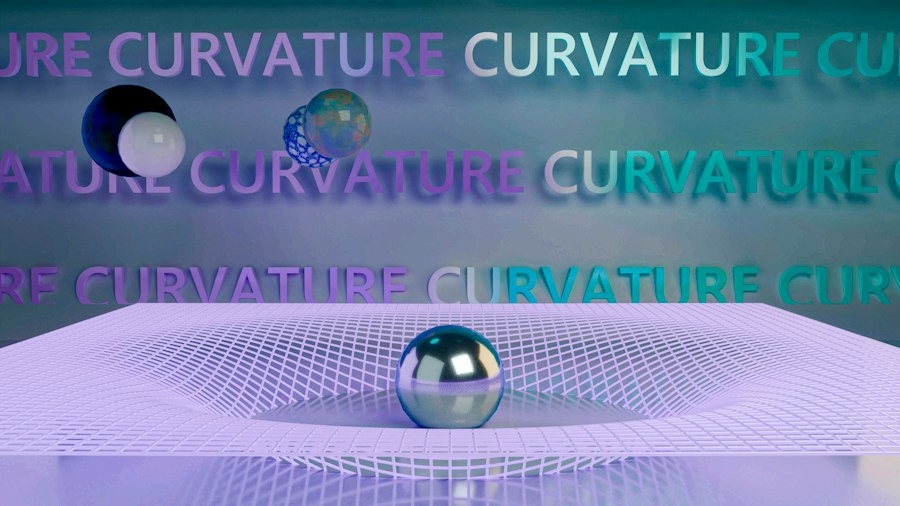
The documentary then ventured into the realm of metamaterials that defy conventional understanding, showcasing their ability to manipulate waves, dampen vibrations, and even interact with gravity in unprecedented ways. This was where the “extraordinary possibility” promised in the introduction truly came to life.
Acoustic Metamaterials: The Silence and the Sound
A significant portion of this segment was dedicated to acoustic metamaterials. The narrator explained how engineered structures can be designed to absorb, reflect, or even redirect sound waves. The film featured striking visuals of sound waves interacting with metamaterial arrays, illustrating how specific frequencies could be entirely silenced or selectively amplified.
The physics of acoustic metamaterials was linked to their ability to create specific acoustic impedances. By tuning the size, shape, and arrangement of their resonant elements, metamaterials could be designed to exhibit negative bulk modulus or negative mass density, properties that are not found in nature but are crucial for controlling sound propagation. Potential applications, from noise cancellation in vehicles and buildings to advanced sonar systems, were vividly depicted.
Vibration Damping and Energy Harvesting
The documentary also explored the application of metamaterials in vibration control. It showcased how metamaterials could be designed to create “band gaps” – frequency ranges where vibrations are effectively blocked. This was illustrated with animations of mechanical waves being dissipated within a metamaterial structure, preventing them from reaching sensitive equipment or components.
Furthermore, the film introduced the concept of harvesting vibrational energy using metamaterials. By designing structures that efficiently convert mechanical vibrations into electrical energy, metamaterials could power small sensors or devices without the need for external power sources. This opened up exciting possibilities for self-powered IoT devices and remote monitoring systems.
Gravitational Interaction: A Theoretical Frontier
Perhaps the most speculative, yet captivating, aspect of this section was the exploration of metamaterials and their potential interaction with gravity. While still largely theoretical, the documentary presented the ongoing research into materials that could exhibit negative gravitational mass or be designed to counteract gravitational forces.
The physics discussed here delved into advanced theoretical concepts, hinting at potential connections to general relativity and exotic phenomena. While acknowledging the speculative nature of this research, the film presented it as a testament to the boundless potential of metamaterials to push the boundaries of scientific understanding and technological achievement. The visuals in this segment were abstract and thought-provoking, hinting at the profound implications of such discoveries.
From Lab to Life: Real-World Applications

The documentary seamlessly transitioned from the theoretical and experimental to the tangible, showcasing how mechanical metamaterials are already beginning to make their mark on the real world, revolutionizing industries and improving lives.
Aerospace and Automotive: Lighter, Stronger, Smarter
The aerospace and automotive industries were presented as prime beneficiaries of metamaterial technology. The film showcased examples of lightweight yet incredibly strong metamaterial components that can reduce fuel consumption and increase payload capacity in aircraft. The documentary featured interviews with engineers discussing the use of metamaterials in aircraft wings for improved aerodynamic performance and in car chassis for enhanced safety and reduced weight.
The ability of metamaterials to absorb impact and dissipate energy was highlighted as a key advantage for safety applications. The film envisioned future vehicles with integrated metamaterial structures that offer superior crash protection. Furthermore, the documentary touched upon the potential for metamaterial-based components to adapt their properties in real-time, such as morphing wings that can change shape for optimal performance in varying flight conditions.
Biomedical Innovations: Tailored Implants and Prosthetics
The biomedical field was presented as another area where metamaterials are poised to make a significant impact. The documentary showcased how metamaterials can be designed to mimic the mechanical properties of biological tissues, leading to the development of more compatible and effective implants and prosthetics.
The narrative described how metamaterial scaffolds could encourage tissue regeneration and integration, reducing the risk of rejection and improving patient outcomes. The film also explored the potential for metamaterial-based sensors to monitor physiological conditions and deliver targeted drug therapies. The precision and tunability of metamaterial properties were emphasized as crucial for these delicate medical applications.
Consumer Products and Beyond: Everyday Revolution
The documentary concluded by looking at the broader societal impact of metamaterials, extending beyond high-tech industries to everyday consumer products. The film hinted at the future of clothing that can adapt to temperature, furniture that can reconfigure itself, and consumer electronics with enhanced durability and novel functionalities.
The narrator emphasized that the principles explored in the film are not confined to the laboratory; they represent a fundamental shift in how we engineer and interact with the physical world. The documentary left the audience with a sense of awe and anticipation, a glimpse into a future where materials are not merely passive components but active, responsive, and intelligently designed entities.
In the fascinating realm of mechanical metamaterials, a recent article explores the innovative ways these materials can manipulate mechanical waves, showcasing their potential applications in various fields. For those interested in diving deeper into this subject, the documentary offers a comprehensive overview of the physics behind these extraordinary materials. You can find more information in this insightful piece on Freaky Science, which highlights the latest advancements and research in mechanical metamaterials.
The Future Frontier: Uncharted Territories
| Metric | Value | Description |
|---|---|---|
| Elastic Modulus Range | 0.1 – 10 GPa | Range of stiffness values observed in mechanical metamaterials |
| Poisson’s Ratio | -0.8 to 0.5 | Negative to positive values indicating auxetic behavior |
| Density | 50 – 500 kg/m³ | Effective density of mechanical metamaterials compared to conventional materials |
| Energy Absorption | Up to 90% | Percentage of impact energy absorbed by metamaterial structures |
| Frequency Range | 1 kHz – 100 kHz | Operational frequency range for wave manipulation in mechanical metamaterials |
| Typical Unit Cell Size | 0.1 – 10 mm | Characteristic size of repeating structures in metamaterials |
| Manufacturing Methods | 3D Printing, Lithography, Laser Cutting | Common fabrication techniques for mechanical metamaterials |
“Unveiling the Physics of Mechanical Metamaterials: A Documentary” concluded with a forward-looking perspective, emphasizing that the field of metamaterials is still in its nascent stages, with vast uncharted territories yet to be explored. The researchers and experts featured in the film expressed their optimism and excitement for the future.
Multiphysics Metamaterials: Integrated Functionality
The next frontier, the documentary suggested, lies in the development of multiphysics metamaterials – structures that can simultaneously exhibit tailored responses to mechanical, electrical, thermal, and optical stimuli. The film explored the concept of integrating different types of metamaterial functionality within a single structure, leading to devices with unprecedented levels of complexity and performance.
The physics behind multiphysics metamaterials involves understanding and controlling the interplay between different physical phenomena at the structural level. This could lead to self-healing materials that respond to both mechanical damage and thermal changes, or smart materials that can adapt their optical properties in response to mechanical stress.
Programmable Matter: Dynamic Adaptation
The ultimate goal, the documentary posited, is the creation of programmable matter – materials whose properties can be dynamically altered in response to external signals. This would involve developing metamaterials whose unit cells can be switched between different configurations, or whose internal structure can be reconfigured on demand.
The physics of programmable matter would draw upon principles from mechanics, electronics, and even biology, aiming to create materials that can learn, adapt, and respond to their environment in intelligent ways. The film envisioned a future where objects could change their shape, stiffness, or other properties as needed, opening up possibilities for truly transformative technologies.
Ethical Considerations and Societal Impact
While celebrating the immense potential of metamaterials, the documentary also briefly touched upon the ethical considerations and societal implications of such powerful technologies. The rapid advancement in this field necessitates careful consideration of potential misuse and the equitable distribution of benefits. The film encouraged a dialogue about responsible innovation and the long-term impact of these revolutionary materials.
In closing, “Unveiling the Physics of Mechanical Metamaterials: A Documentary” offered a compelling and insightful journey into a field that is rapidly reshaping our understanding of the material world. It demystified complex physics, showcased groundbreaking applications, and left the audience with a profound appreciation for the power of intelligent design. The film served as a powerful testament to human ingenuity, demonstrating how by understanding and manipulating the very fabric of matter, we are unlocking a future brimming with extraordinary possibilities.
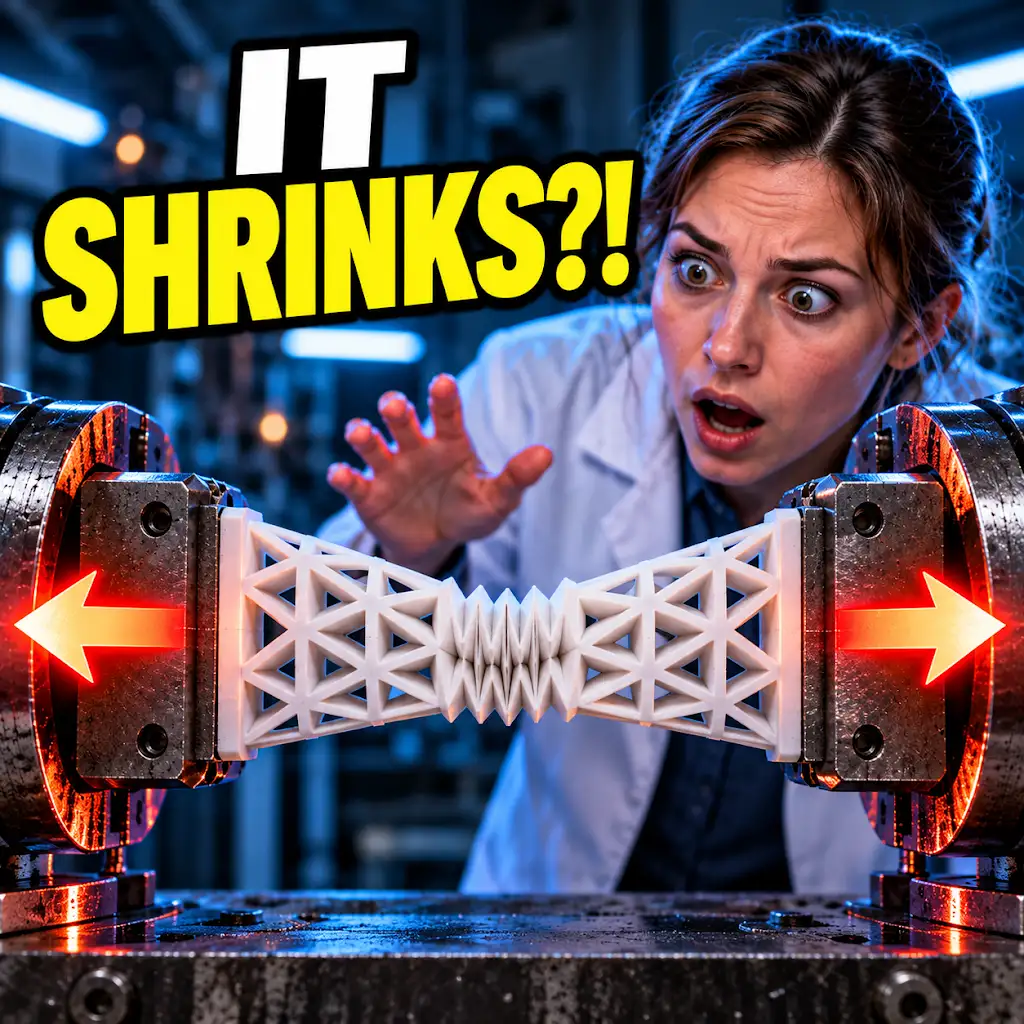
Pull Harder… and This Material Suddenly Gets Shorter
FAQs
What are mechanical metamaterials?
Mechanical metamaterials are artificial materials engineered to have properties not found in nature, such as negative Poisson’s ratio or negative thermal expansion.
How are mechanical metamaterials designed?
Mechanical metamaterials are designed using advanced computational tools and 3D printing techniques to create intricate structures that exhibit unique mechanical properties.
What are some applications of mechanical metamaterials?
Mechanical metamaterials have potential applications in areas such as aerospace, robotics, and biomedical devices due to their lightweight, strong, and customizable properties.
What is the physics behind mechanical metamaterials?
The physics behind mechanical metamaterials involves manipulating the structure and arrangement of materials at a small scale to control their mechanical behavior, such as stiffness, flexibility, or damping.
Is there a documentary about mechanical metamaterials?
Yes, there are documentaries available that explore the science and engineering behind mechanical metamaterials, showcasing their potential impact on various industries and technologies.