
The realm of engineering, once confined to predictable structures and incremental improvements, is now witnessing a revolution driven by audacious imagination and groundbreaking scientific discovery. We stand on the cusp of a new era, where the fantastical is rapidly becoming tangible. From cloaking devices that defy sight to materials that mend themselves, these are not mere figments of science fiction, but the tangible manifestations of relentless innovation. This article delves into some of the most unbelievable engineering breakthroughs, exploring the science, the implications, and the sheer wonder they inspire.
The concept of invisibility, a staple of myth and legend, has long captured the human psyche. For centuries, it remained a dream, a power reserved for mythical beings. Yet, through sophisticated understanding of light and its interaction with matter, engineers and physicists are now bringing this ancient aspiration into the realm of reality. The pursuit of invisibility is not a single, monolithic endeavor, but a multifaceted field with diverse approaches, each pushing the boundaries of what we believe is possible.
Metamaterials: Bending Light to Our Will
At the forefront of invisibility research lies the development of metamaterials. These are not naturally occurring substances, but are engineered structures with properties that go beyond those found in conventional materials. Their magic lies in their carefully designed microscopic architecture, which can manipulate electromagnetic waves, including visible light, in unprecedented ways.
How Metamaterials Work
The key to metamaterials lies in their ability to create what are known as negative refractive indices. In normal materials, light bends in a predictable direction when it passes from one medium to another. Metamaterials, however, can be designed to bend light in the opposite direction. This unusual behavior allows them to guide light waves around an object, rendering it invisible to an observer. Imagine water flowing around a smooth stone in a river; the water doesn’t simply stop, it diverts and continues its flow. Metamaterials aim to achieve a similar effect with light.
The Structure of Invisibility
The creation of these unique optical properties relies on the arrangement of tiny, precisely fabricated elements within the metamaterial. These elements are often smaller than the wavelength of light they are designed to manipulate. Common structures include metallic rods, split-ring resonators, and various geometric patterns. The specific shape, size, and arrangement of these components dictate how the metamaterial interacts with light. By carefully tuning these parameters, researchers can create materials that absorb, reflect, or refract light in specific ways.
Limitations and Future Prospects
While significant strides have been made, current invisibility cloaks are far from perfect. They often operate within specific frequency ranges, meaning they might render an object invisible to certain colors of light but not others. The cloaks themselves can also be bulky and rigid, making them impractical for widespread use. However, ongoing research is focused on creating broadband cloaks that work across the entire visible spectrum and on developing flexible, lightweight materials. The ultimate goal is to achieve a truly seamless and undetectable shroud.
Active Camouflage: Mimicking the Environment
Another exciting avenue in the pursuit of invisibility is active camouflage. Unlike passive cloaking devices that rely on the inherent properties of a material, active camouflage systems dynamically adapt to their surroundings. This approach aims to blend an object into its background by replicating the visual information of the environment in real-time.
The Role of Sensors and Displays
Active camouflage systems typically involve a network of sensors, such as cameras, that capture the visual data of the surrounding environment. This information is then processed and fed to a flexible display system that covers the surface of the object. This display, often composed of an array of small LEDs or other light-emitting elements, can then project the captured background image, effectively making the object disappear.
Challenges in Real-Time Adaptation
The primary challenge in active camouflage lies in achieving seamless and instantaneous adaptation. The system must be able to detect changes in lighting, color, and texture of the environment and update the display with incredible speed and accuracy. Lag or distortion in the projected image can easily betray the presence of the camouflaged object. Furthermore, capturing and processing high-resolution visual information from all angles while maintaining power efficiency is a complex engineering feat.
Potential Applications
The applications for active camouflage are vast and varied. Beyond military uses, such as enhancing the stealth capabilities of vehicles and personnel, active camouflage could revolutionize the design of buildings, allowing them to blend harmoniously with their natural surroundings. It could also be used in consumer electronics, creating devices that disappear when not in use or adapt their appearance to match a user’s aesthetic preferences.
Recent advancements in engineering have led to discoveries that once seemed impossible, pushing the boundaries of innovation and technology. For instance, researchers have developed materials that can self-repair, significantly enhancing the durability and lifespan of various structures. This groundbreaking work is detailed in an intriguing article that explores the implications of such engineering feats. To learn more about these remarkable discoveries, you can read the full article here: Engineering Discoveries That Seem Impossible.
The Material Revolution: Self-Healing Wonders
Imagine a world where cracked screens, torn fabrics, or damaged infrastructure could spontaneously repair themselves. This is no longer a utopian fantasy but a burgeoning reality thanks to the development of self-healing materials. These remarkable substances possess the intrinsic ability to mend damage, extending their lifespan and significantly reducing the need for constant repair and replacement.
The Inspiration from Nature
The concept of self-healing is deeply rooted in nature. Organisms, from the simplest bacteria to complex animals, possess remarkable regenerative capabilities. A cut on human skin heals, a plant regrows a damaged leaf, and a lizard can regrow its tail. Engineers are drawing inspiration from these biological processes to create synthetic materials that mimic these restorative powers.
Microcapsule-Based Healing
One prominent approach to self-healing materials involves embedding microcapsules filled with a healing agent within the material’s matrix. When damage occurs, such as a crack, these microcapsules rupture, releasing their contents. This healing agent then flows into the damaged area and initiates a chemical reaction that seals the crack.
The Healing Process Explained
The healing agent is typically a liquid monomer or a resin that can solidify. Often, a catalyst is also incorporated into the material matrix, or it is present in a separate set of microcapsules. When the healing agent and catalyst come into contact, a polymerization reaction begins, effectively binding the fractured surfaces together. The efficiency of this healing process depends on factors such as the size and distribution of the microcapsules, the type of healing agent and catalyst, and the nature of the damage.
Limitations of Microcapsule Systems
While effective, microcapsule-based self-healing systems have their limitations. The number of healing cycles is finite, as the microcapsules are consumed with each repair. Furthermore, the repair may not always restore the material to its original strength and integrity. The presence of microcapsules can also sometimes affect the bulk properties of the material.
Vascular Networks for Continuous Healing
To overcome the limitations of finite healing cycles, researchers are exploring vascular networks within materials. Inspired by the circulatory system in living organisms, these networks consist of interconnected channels that can deliver healing agents to damaged areas repeatedly.
Mimicking Biological Systems
In this approach, small channels are intentionally created within the material. These channels are then filled with a healing agent. When a crack forms, it intersects with these vascular channels, allowing the healing agent to flow into the damaged zone. This system allows for continuous replenishment of the healing agent, enabling multiple repair cycles.
Engineering the Networks
The engineering of these vascular networks is a complex task. Researchers are using techniques like 3D printing or sacrificial templating to create intricate channel structures. The design of these networks must ensure efficient delivery of the healing agent to even microscopic cracks while minimizing any negative impact on the material’s overall strength and performance.
Intrinsic Self-Healing Materials
A more advanced and sought-after approach is the development of intrinsic self-healing materials. These materials possess inherent chemical bonds or molecular structures that can reform after being broken, without the need for external agents or encapsulated healing substances.
Reversible Covalent Bonds
One promising avenue involves materials with reversible covalent bonds. These are chemical bonds that can break and reform under specific conditions, such as changes in temperature or exposure to UV light. When the material is damaged, these bonds break, but upon exposure to the appropriate stimulus, they can reconnect, effectively healing the material.
Supramolecular Chemistry
Another area of research focuses on supramolecular chemistry, where materials are held together by weaker, non-covalent interactions, such as hydrogen bonds or ionic interactions. These interactions are dynamic and can be reorganized to repair damage. By carefully designing the molecular architecture of these materials, engineers can create a reversible network that can heal itself.
Applications of Self-Healing Materials
The implications of self-healing materials are profound and far-reaching. In the automotive industry, self-healing paints could eliminate minor scratches, keeping vehicles looking new for longer. In aerospace, self-healing composites could enhance the safety and longevity of aircraft structures. The construction industry could benefit from self-healing concrete that automatically repairs cracks, preventing structural degradation. Even in consumer electronics, self-healing screens could become a reality, significantly reducing the frustration and cost associated with cracked displays.
The Dawn of Biological Machines: Bio-Integrated Engineering

The boundaries between biology and engineering are blurring, giving rise to a new field: bio-integrated engineering. This discipline focuses on creating systems that seamlessly integrate biological components with engineered structures, leading to unprecedented functionalities and applications.
Living Materials: Engineering with Biology
One of the most exciting aspects of bio-integrated engineering is the development of living materials. These are materials that are partially or wholly composed of living organisms or their biological components, capable of performing complex tasks and adapting to their environment.
Bacteria as Building Blocks
Bacteria, with their rapid reproduction and programmable nature, are emerging as powerful tools in bio-integrated engineering. Researchers are engineering bacteria to produce specific materials, such as bioplastics or proteins, or to act as sensors that detect and respond to environmental changes.
Programming Bacterial Behavior
Through genetic engineering techniques, scientists can program bacteria to perform specific functions. For instance, bacteria can be engineered to secrete enzymes that break down pollutants, or to produce fluorescent proteins that act as biosensors. This programmable nature allows for the creation of materials that can adapt and respond dynamically to their surroundings.
Challenges in Control and Containment
However, working with living organisms presents unique challenges. Ensuring the safety, containment, and predictable behavior of these bio-engineered systems is paramount. Strict protocols and advanced containment strategies are necessary to prevent unintended environmental consequences.
Fungal Mycelium as a Sustainable Material
Another promising area is the use of fungal mycelium as a building material. Mycelium, the root-like structure of fungi, can be grown into various shapes and densities, offering a sustainable and biodegradable alternative to traditional materials like plastics and foams.
Growing Materials
Mycelium-based materials are grown by inoculating agricultural waste with fungal spores. The mycelium then colonizes the waste material, binding it together into a solid structure. This process is energy-efficient and produces minimal waste.
Properties and Potential
Mycelium composites can be lightweight, strong, and offer excellent insulation properties. They have the potential to be used in packaging, furniture, and even building insulation. Research is ongoing to improve their fire resistance and water repellency.
Bio-Robotics: Machines with Biological Components
The integration of biological components into robotic systems, leading to bio-robotics, is another transformative area. These hybrid machines aim to leverage the unique advantages of both biological and artificial systems.
Muscle-Powered Robots
Researchers are exploring the use of biological muscle tissue as actuators for robots. By culturing muscle cells on a scaffold, engineers can create artificial muscles that contract and relax, providing movement for robotic limbs or other mechanisms.
The Power of Biological Actuation
Muscle tissue offers advantages such as high energy efficiency, silent operation, and the potential for self-repair. This could lead to the development of robots that are more lifelike, agile, and capable of operating in sensitive environments where traditional motors would be too noisy or disruptive.
Challenges in Control and Longevity
The primary challenges in this field include precisely controlling the contraction and relaxation of biological muscles and ensuring their long-term viability and functionality. The integration of these biological components with electronic control systems also requires significant engineering innovation.
Hybrid Sensing Systems
Bio-integrated engineering is also enabling the development of hybrid sensing systems that combine biological sensors with electronic readouts. For example, engineered bacteria that produce a detectable signal in response to a specific chemical can be integrated into a microfluidic device for highly sensitive environmental monitoring.
The Intelligence of Materials: Smart and Responsive Designs
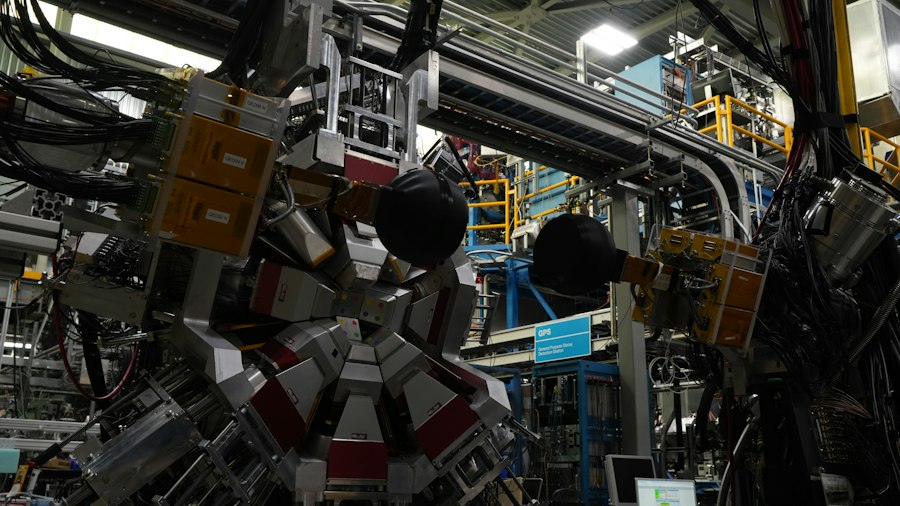
Materials are no longer passive entities. They are becoming increasingly smart and responsive, capable of sensing their environment, processing information, and altering their behavior accordingly. This revolution in material science is driven by the integration of embedded intelligence and sophisticated feedback mechanisms.
Shape Memory Alloys and Polymers
Shape memory materials, such as alloys and polymers, are a prime example of responsive materials. These materials possess the ability to “remember” their original shape and return to it when subjected to a specific stimulus, such as heat or a change in electric current.
The Mechanism of Memory
In shape memory alloys, like Nitinol, the atomic structure of the material undergoes a reversible transformation between two phases. When deformed at a lower temperature, it can be held in its new shape. Upon heating above a critical temperature, the material reverts to its original, memorized shape.
Applications in Medicine and Engineering
This property has led to groundbreaking applications in medicine, such as self-expanding stents that can be inserted into blood vessels in a compressed state and then unfurl to their original shape. In engineering, they are used in actuators, fasteners, and even in deployable structures.
Shape Memory Polymers
Shape memory polymers offer similar functionalities but with the advantages of being lighter, more flexible, and easier to process. They can be programmed to change shape in response to various stimuli, including heat, light, and pH changes.
Versatility and Programmability
The versatility of shape memory polymers allows for a wide range of applications, from soft robotics and adaptive textiles to smart packaging and actuators in microelectromechanical systems (MEMS). Their programmability enables precise control over their deformation and recovery.
Electrically Responsive Materials
Materials that change their properties in response to an electric field, known as electrically responsive materials, are opening up new frontiers in actuator technology and display design.
Electroactive Polymers (EAPs)
Electroactive polymers (EAPs) are a class of polymers that deform, contract, or expand when an electric voltage is applied. They are often referred to as “artificial muscles” due to their ability to mimic the behavior of biological muscles.
Soft Robotics and Actuation
EAPs are highly flexible and can generate significant forces, making them ideal for use in soft robotics, where compliant and adaptable actuators are required. They are also being explored for applications in artificial hearts, haptic feedback devices, and even in the development of micro-robots for medical procedures.
Challenges in Performance and Durability
Despite their promise, EAPs face challenges related to their durability, response speed, and the high voltages often required to activate them. Ongoing research is focused on improving their performance characteristics and developing more robust and efficient EAP materials.
Electrophoretic Displays (EPDs)
Electrophoretic displays (EPDs), commonly found in e-readers, are another example of electrically responsive materials. These displays utilize charged pigment particles suspended in a fluid that move in response to an applied electric field, creating images.
Low Power Consumption and High Readability
EPDs are known for their excellent readability in bright light conditions and their extremely low power consumption, as they only require power to change the image. This makes them ideal for applications where long battery life is essential.
Future of EPDs
Future advancements in EPD technology are expected to lead to faster refresh rates, full-color capabilities, and increased flexibility, potentially enabling their use in a wider range of electronic devices and even in dynamic architectural displays.
Recent advancements in engineering have led to discoveries that once seemed impossible, pushing the boundaries of what we thought was achievable. For instance, the development of self-healing materials is revolutionizing industries by creating products that can repair themselves after damage. This remarkable innovation is just one example of how engineers are redefining the future. To explore more about such groundbreaking engineering feats, you can read this insightful article on Freaky Science, which delves into the incredible possibilities that lie ahead.
The Frontiers of Nanotechnology: Engineering at the Atomic Scale
| Discovery | Year | Field | Description | Impact |
|---|---|---|---|---|
| Graphene | 2004 | Materials Science | Single layer of carbon atoms arranged in a hexagonal lattice, exhibiting extraordinary strength and conductivity. | Revolutionized electronics, materials engineering, and nanotechnology. |
| Quantum Teleportation | 1997 | Quantum Physics / Engineering | Transfer of quantum states between particles over distance without physical movement of particles. | Foundation for quantum computing and secure communication. |
| Self-Healing Materials | 2010 | Materials Engineering | Materials that can automatically repair damage without human intervention. | Extended lifespan of structures and reduced maintenance costs. |
| Metamaterials with Negative Refractive Index | 2000 | Optical Engineering | Engineered materials that bend light in unconventional ways, enabling invisibility cloaks. | Advanced optics, stealth technology, and novel lenses. |
| 3D Printed Organs | 2019 | Biomedical Engineering | Creation of functional human tissues and organs using 3D printing technology. | Potential to revolutionize organ transplants and personalized medicine. |
The ability to manipulate matter at the atomic and molecular scale – the realm of nanotechnology – is unlocking unprecedented engineering possibilities. By precisely controlling the arrangement of atoms and molecules, engineers are creating materials and devices with entirely new properties and functionalities.
Nanomaterials: Revolutionizing Properties
The creation of nanomaterials, materials with at least one dimension in the nanoscale (typically 1 to 100 nanometers), has revolutionized material science. Their unique properties stem from quantum mechanical effects and a significantly increased surface area to volume ratio.
Carbon Nanotubes and Graphene
Carbon nanotubes and graphene, allotropes of carbon, are among the most remarkable nanomaterials. Carbon nanotubes are cylindrical structures with exceptional tensile strength and electrical conductivity. Graphene, a single layer of carbon atoms arranged in a hexagonal lattice, is the strongest material ever tested and an excellent conductor of electricity and heat.
Enhancing Strength and Conductivity
These materials are being incorporated into composites to dramatically enhance their strength, making them lighter and more durable. Their electrical conductivity opens doors for advancements in electronics, energy storage, and sensor technology.
Challenges in Scalability and Cost
The primary challenges in widespread adoption of these nanomaterials lie in their cost-effective large-scale production and in developing efficient methods for their integration into existing manufacturing processes.
Nanoparticles for Targeted Delivery
Nanoparticles are being engineered for a multitude of applications, particularly in medicine. Their small size allows them to cross biological barriers and deliver therapeutic agents directly to targeted cells or tissues, minimizing side effects.
Revolutionizing Drug Delivery and Imaging
In drug delivery, nanoparticles can encapsulate drugs, protecting them from degradation in the body and releasing them gradually at the site of action. They can also be functionalized with imaging agents, enabling precise diagnosis and monitoring of diseases.
Safety and Biocompatibility Concerns
While promising, the long-term safety and biocompatibility of nanoparticles are still areas of active research. Understanding how nanoparticles interact with biological systems and ensuring their safe clearance from the body are critical considerations.
Nanobots: Microscopic Machines for Microscopic Tasks
The ultimate frontier in nanotechnology is the development of nanobots, microscopic robots capable of performing tasks at the cellular and molecular level. These incredibly small machines hold the potential to revolutionize medicine, manufacturing, and environmental remediation.
Medical Applications of Nanobots
In medicine, nanobots could be designed to patrol the bloodstream, identify and destroy cancer cells, repair damaged tissues, or deliver drugs with unparalleled precision. They could also be used for minimally invasive surgery, navigating through the body’s intricate pathways.
Challenges in Design and Control
The engineering challenges in creating functional nanobots are immense. They require miniaturized power sources, sophisticated navigation systems, and precise manipulation capabilities. Developing methods for their safe deployment and retrieval is also a significant hurdle.
Environmental Remediation with Nanotechnology
Nanotechnology offers innovative solutions for environmental challenges. Nanoparticles can be used to remove pollutants from water and soil, break down hazardous waste, or even capture atmospheric carbon dioxide.
Targeted Cleaning and Efficiency
The ability to engineer nanoparticles with specific chemical properties allows for highly targeted environmental cleanup. This precision can lead to more efficient and less disruptive remediation processes compared to traditional methods.
The journey from conceptualization to realization in these unbelievable engineering breakthroughs is a testament to human ingenuity and perseverance. From making the invisible visible to endowing materials with the ability to heal themselves, and from integrating life with machines to mastering the very building blocks of matter, the landscape of engineering is undergoing a radical transformation. As research continues to push the boundaries of what is conceivable, we can only anticipate even more astonishing innovations that will shape our future in ways we are only beginning to imagine. The era of unbelievable engineering has truly arrived.

Pull Harder… and This Material Suddenly Gets Shorter
FAQs
What are some examples of engineering discoveries that seem impossible?
Some examples of engineering discoveries that seem impossible include self-healing materials, invisibility cloaks, and bionic exoskeletons.
How do engineers work to achieve seemingly impossible feats?
Engineers work to achieve seemingly impossible feats by pushing the boundaries of technology, conducting extensive research, collaborating with experts in various fields, and utilizing cutting-edge tools and techniques.
What impact do these engineering discoveries have on society?
Engineering discoveries that seem impossible have a significant impact on society by revolutionizing industries, improving quality of life, advancing scientific knowledge, and inspiring future innovations.
Are there any risks associated with pursuing seemingly impossible engineering feats?
Yes, there are risks associated with pursuing seemingly impossible engineering feats, such as financial investments, ethical considerations, unforeseen consequences, and potential failure.
How can individuals support and encourage the development of groundbreaking engineering discoveries?
Individuals can support and encourage the development of groundbreaking engineering discoveries by staying informed about technological advancements, advocating for funding and resources for research and development, and fostering a culture of innovation and creativity.