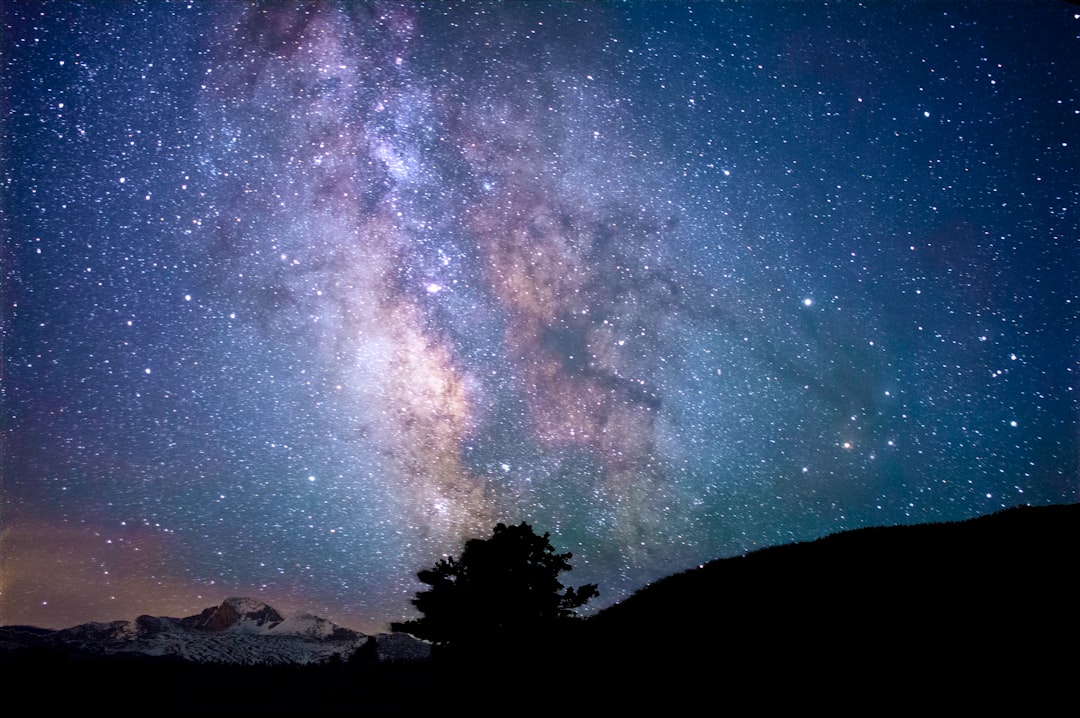
The cosmos, a canvas of unimaginable scale and breathtaking beauty, has long beckoned humanity to explore its depths. For centuries, our understanding of the universe was limited by the naked eye and the crude instruments of early astronomy. Today, with the advent of sophisticated telescopes and advanced digital imaging techniques, we can capture celestial wonders with an astonishing level of detail and clarity. Among these techniques, astrophotography stands out, offering a unique way to connect with the universe. Two primary approaches dominate this field: true color astrophotography and false color astrophotography, each with its own distinct methodology, purpose, and impact on how we perceive the universe’s grandeur.
The fundamental distinction between true color and false color astrophotography lies in their respective goals and the way they represent the light captured from celestial objects.
What is True Color Astrophotography?
True color astrophotography aims to reproduce the appearance of celestial objects as they would hypothetically be seen by the human eye, given sufficient light and time. This means recreating the colors that are actually present in the light emitted or reflected by stars, nebulae, and galaxies. The challenge here is that most deep-sky objects are incredibly faint, and their colors are subtle and often beyond the range of our unaided vision.
The Science Behind True Color Representation
To achieve true color, astrophotographers meticulously capture images through different filters, typically red, green, and blue (RGB). These filters isolate specific wavelengths of light, corresponding to the primary colors. By combining these individual filtered images in specific ratios, a composite image is created that aims to mimic the spectral response of the human eye. The process involves careful calibration and processing to ensure that the resulting colors are as accurate as possible, reflecting the physical properties of the observed celestial bodies. For instance, emission nebulae, rich in hydrogen alpha, often appear reddish, while reflection nebulae might show cooler blues. Stars themselves exhibit a spectrum of colors from deep blue for hot, young stars to red for cooler, older ones.
What is False Color Astrophotography?
False color astrophotography, on the other hand, deliberately employs colors that are not physically present in the light emitted by the celestial object. The purpose here is not to replicate visual perception but to reveal scientific information that would otherwise be invisible. This technique often involves mapping specific wavelengths of light, particularly those in the infrared or ultraviolet spectrum, or those emitted by specific chemical elements, to visible colors.
The Art and Science of Color Mapping
In false color astrophotography, the selection of colors is arbitrary but highly intentional. It is a form of data visualization, where specific spectral bands are assigned to represent different chemical compositions, temperatures, or densities within an object. For example, in images from the Hubble Space Telescope, common false color palettes assign colors to emissions of ionized hydrogen (H-alpha), sulfur (SII), and oxygen (OIII) within nebulae. This allows astronomers to highlight the intricate structures and chemical gradients within these celestial clouds in a way that is scientifically informative. A color that appears “unnatural” to the eye might, in fact, represent a specific abundance of a particular element or a region of intense star formation.
In the fascinating world of astrophotography, understanding the distinction between true color and false color imaging is essential for both amateur and professional astronomers. For those interested in delving deeper into this topic, a related article can be found at Freaky Science, which explores the techniques and applications of various imaging methods used to capture the beauty of the cosmos. This resource provides valuable insights into how different color representations can enhance our understanding of celestial objects.
The Technical Process of Capturing Celestial Light
Both true color and false color astrophotography share common technical foundations, but diverge significantly in their processing and interpretation.
Equipment for Astrophotography
The journey into astrophotography begins with specialized equipment. A high-quality telescope is paramount, gathering light from distant objects. This light is then focused onto a sensitive digital camera, often a dedicated astronomy camera designed for low-light performance and extended exposure capabilities. Mounts are crucial; sophisticated equatorial mounts track the apparent motion of celestial objects across the night sky, allowing for long exposures without star trails. Filters, as mentioned, are indispensable for both true color and false color imaging, isolating specific wavelengths of light.
Capturing the Data: Exposure and Stacking
The essence of astrophotography lies in capturing faint light over extended periods. Unlike a casual snapshot, astrophotography involves taking numerous “sub-exposures,” each lasting from several seconds to several minutes. These sub-exposures are then “stacked” or combined using specialized software. Stacking significantly reduces noise, a common issue in low-light photography, and increases the signal-to-noise ratio, bringing out faint details that would be lost in a single shot. The longer the total integrated exposure time, the more detail and fainter objects can be revealed.
Image Processing: The Bridge to Revelation
Once the raw data is captured, the intricate process of image processing begins. This is where the magic truly happens, transforming raw sensor data into stunning celestial vistas.
Processing for True Color
In true color processing, the focus is on accurately combining the RGB (or LRGB, which includes a separate luminance layer for detail) data. Calibration frames, such as darks, flats, and bias frames, are used to remove noise, correct for dust motes on the sensor, and account for the camera’s inherent electronic noise. Color balancing is a critical step to ensure that neutral objects like stars appear white and that the overall color cast is natural. White balance adjustments are made, and the red, green, and blue channels are aligned and blended to create a visually appealing and scientifically representative image. The goal is to make the image look as close as possible to what a human eye would see if it could gather enough light and discern the subtle hues.
Processing for False Color
False color processing is more about scientific interpretation and data visualization. Here, the astrophotographer selects specific emission lines or spectral bands and assigns them to arbitrary colors. This often involves using narrow-band filters, such as those that isolate the light from ionized hydrogen (H-alpha), doubly ionized oxygen (OIII), and singly ionized sulfur (SII). These narrow-band images are then mapped to different color channels (e.g., H-alpha to red, SII to green, OIII to blue), creating the iconic Hubble palettes. The choice of colors is not arbitrary; it is guided by scientific understanding of the object’s composition and physical processes. This allows astronomers to highlight specific features, such as shockwaves, star-forming regions, or the distribution of different gasses, in a visually striking and informative way. The goal is to reveal underlying scientific information, not to mimic human vision.
The Purpose and Impact of Each Approach
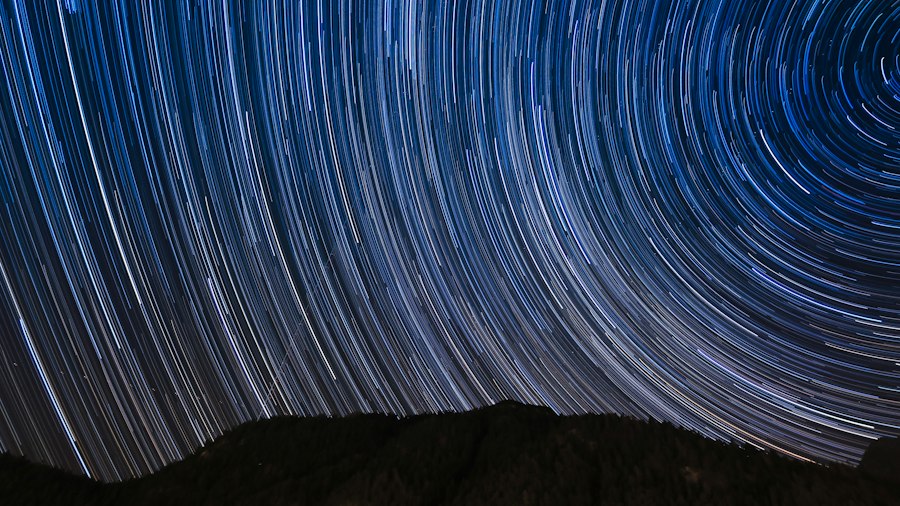
The choice between true color and false color astrophotography is driven by the astrophotographer’s objectives and the scientific questions being explored.
True Color: Aesthetic Appeal and Familiarity
The primary appeal of true color astrophotography lies in its aesthetic beauty and its ability to evoke a sense of wonder and familiarity. These images often resemble the nebulae and galaxies we see depicted in books and documentaries, albeit with vastly improved detail. They connect us to the universe in a visually intuitive way, showcasing the subtle, natural hues of celestial objects. This approach is often favored by amateur astrophotographers aiming to capture visually stunning images for display and personal enjoyment. It allows viewers to experience a more direct, albeit enhanced, visual representation of the cosmos.
False Color: Scientific Discovery and Unveiling the Invisible
False color astrophotography is a powerful tool for scientific research and discovery. By mapping invisible wavelengths or specific emission lines to visible colors, scientists can visualize and analyze phenomena that would otherwise be hidden. This technique allows for the differentiation of chemical compositions, the study of gas dynamics, the identification of active star-forming regions, and the mapping of shockwaves and magnetic fields. It pushes the boundaries of our understanding by making the invisible visible and revealing the complex, dynamic processes at play within the universe. The “unnatural” colors are, in fact, a testament to the universe’s complexity and the ingenuity of scientific observation.
Bridging the Gap: When Science Meets Art
While distinct, the lines between true color and false color astrophotography can sometimes blur. Some images might incorporate elements of both, using true color for the overall aesthetic while employing false color techniques to highlight specific scientific details within the image. Furthermore, even in true color images, the processing and enhancement techniques can subtly alter or emphasize certain colors to reveal details. The beauty of astrophotography lies in its versatility, allowing for both visually stunning representations and profound scientific insights.
Examples in Practice: From Nebulae to Galaxies
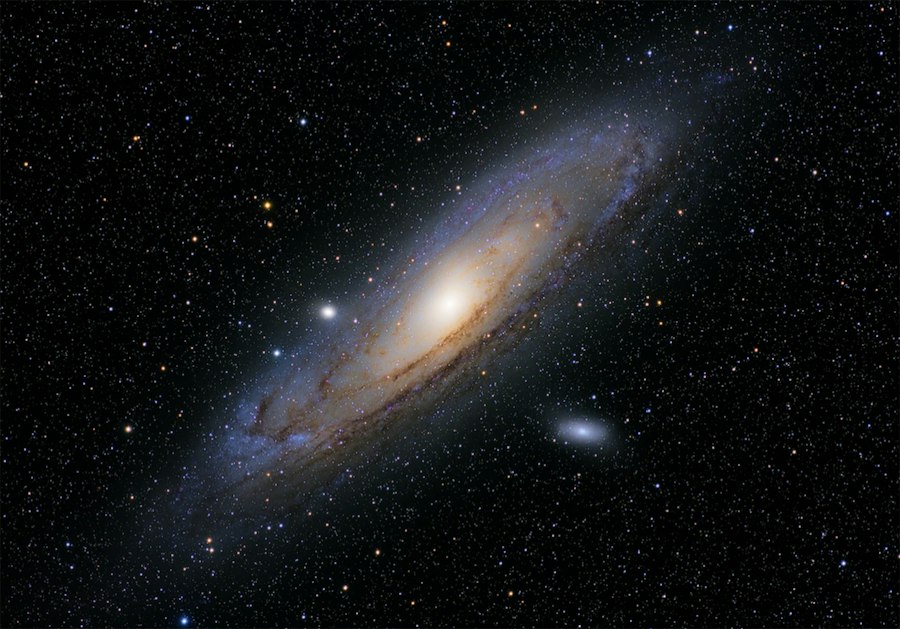
To truly appreciate the differences, considering concrete examples is invaluable.
True Color Examples: The Familiar Beauty of Nebulae
Many iconic deep-sky objects are captured in beautiful true color. The Orion Nebula (M42), for instance, is famous for its vibrant reds and blues, a testament to the hydrogen and oxygen gas clouds within it. The Andromeda Galaxy (M31) showcases the warm yellow hues of its older stellar populations in its core, contrasted with the bluer, younger stars in its spiral arms. These images, when processed for accuracy, give us a sense of what these distant marvels might look like if we could visit them.
False Color Examples: Unveiling the Secrets of Star Birth
False color astrophotography truly shines when revealing the intricate processes of star birth and death. The Pillars of Creation, within the Eagle Nebula, are often depicted in false color to highlight the distinct emission lines of different gasses, revealing the active star-forming regions hidden within the dense dust clouds. The Crab Nebula, a supernova remnant, can be imaged in false color to show the distribution of high-energy particles and the complex magnetic fields that shape its expanding shell. These images are not about visual realism but about scientific understanding, allowing us to peer into the energetic and dynamic processes that shape the cosmos.
The Significance of Wavelengths
The choice of wavelengths to map in false color is critical. Different elements emit light at specific, characteristic wavelengths. By isolating these wavelengths with narrow-band filters, astronomers can determine the abundance and distribution of these elements. For example, hydrogen-alpha emissions are a strong indicator of star formation. Oxygen emissions can reveal regions of energetic processes. Sulfur emissions can point to shockwaves. By assigning these distinct spectral signatures to different colors, complex chemical compositions and physical conditions become visually apparent.
In the fascinating world of astrophotography, understanding the differences between true color and false color imaging can greatly enhance your appreciation of celestial phenomena. For those looking to delve deeper into this topic, a related article offers insights into the techniques and applications of these methods. You can explore more about this intriguing subject by visiting this article, which discusses how these imaging techniques can reveal details that are often invisible to the naked eye.
The Evolution and Future of Astrophotography
| Aspect | True Color Astrophotography | False Color Astrophotography |
|---|---|---|
| Color Representation | Represents celestial objects with natural colors as seen by the human eye | Represents celestial objects with colors assigned to different wavelengths, enhancing details and structures |
| Equipment | Requires color filters and accurate color reproduction cameras | Uses narrowband filters and specialized cameras to capture specific wavelengths |
| Visibility of Details | May not reveal faint details and structures in deep space objects | Enhances visibility of specific details and structures in deep space objects |
| Aesthetic Appeal | Provides a more natural and familiar appearance | Creates visually striking and dramatic images |
As technology advances, so too does the field of astrophotography, pushing the boundaries of what is possible.
Technological Advancements
The development of more sensitive cameras, faster telescopes, and advanced processing algorithms continues to refine both true color and false color astrophotography. New technologies are emerging that allow for even higher resolution imaging and the capture of fainter objects. The increasing accessibility of powerful telescopes and processing software is also making astrophotography a more popular hobby, leading to a wealth of stunning imagery.
The Role of Space Telescopes
Space telescopes like Hubble, James Webb, and Chandra have revolutionized our understanding of the universe and have produced some of the most breathtaking true and false color images we have. These instruments, operating beyond the distortions of Earth’s atmosphere, can capture light across the entire electromagnetic spectrum, from radio waves to gamma rays. Their data is invaluable for both scientific research and for generating the awe-inspiring images that fuel public interest in astronomy.
The Future of Color Representation
The future of astrophotography will likely see even more sophisticated integration of scientific data with visual representation. We might see dynamic visualizations that change color in real-time to represent evolving phenomena, or augmented reality applications that overlay scientific information onto true color images. The ongoing quest to understand the universe will undoubtedly drive innovation in how we capture, process, and interpret the light that travels across the vastness of space. The beauty of the cosmos, whether rendered in familiar hues or in the vibrant language of scientific data, continues to inspire and captivate us.
In conclusion, both true color and false color astrophotography serve vital roles in our exploration and appreciation of the universe. True color offers us a visually intuitive and aesthetically pleasing window into the cosmos, allowing us to connect with its beauty on a more immediate level. False color, on the other hand, is an indispensable scientific tool, enabling us to unveil the invisible, understand complex physical processes, and push the frontiers of astronomical discovery. Together, these approaches provide a comprehensive and awe-inspiring perspective on the universe’s boundless grandeur, reminding us of our place within its magnificent tapestry.
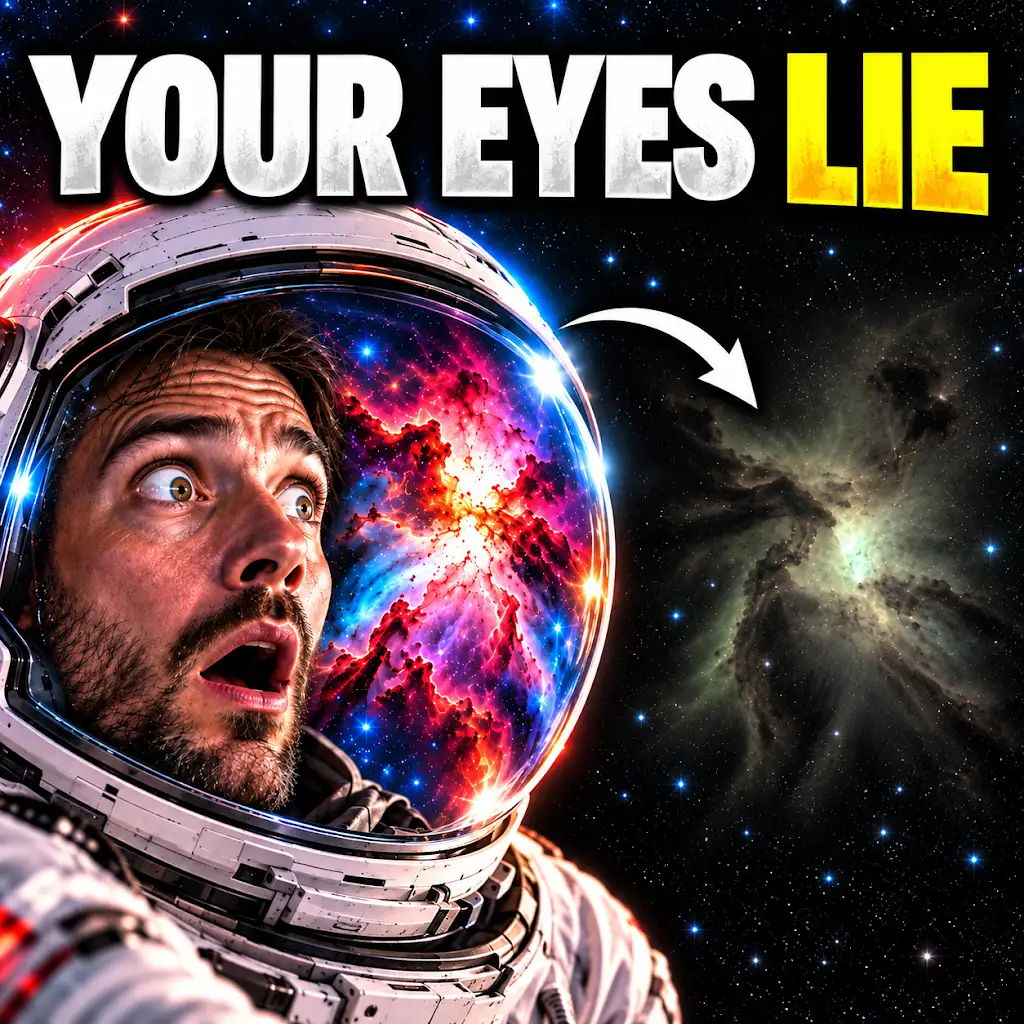
The Space Photos Are Real—But Your Eyes Would See This
FAQs
What is true color astrophotography?
True color astrophotography is a type of photography that aims to capture celestial objects with their natural colors as they would appear to the human eye. This involves using filters and post-processing techniques to accurately represent the colors of the objects being photographed.
What is false color astrophotography?
False color astrophotography is a type of photography that involves using filters and post-processing techniques to represent celestial objects with colors that are not their natural colors as seen by the human eye. This can be done to highlight specific features or wavelengths of light that are not visible to the naked eye.
What are the advantages of true color astrophotography?
True color astrophotography provides a more accurate representation of celestial objects as they would appear to the human eye. This can help viewers better understand and appreciate the natural beauty of the universe.
What are the advantages of false color astrophotography?
False color astrophotography allows photographers to highlight specific features or wavelengths of light that are not visible to the naked eye. This can provide valuable scientific information and reveal details that may not be apparent in true color images.
How can I get started with true or false color astrophotography?
To get started with true or false color astrophotography, you will need a digital camera, telescope or telephoto lens, and a sturdy tripod. Additionally, you may need filters and software for post-processing. It’s also helpful to familiarize yourself with the basics of astrophotography and to practice capturing images of celestial objects.