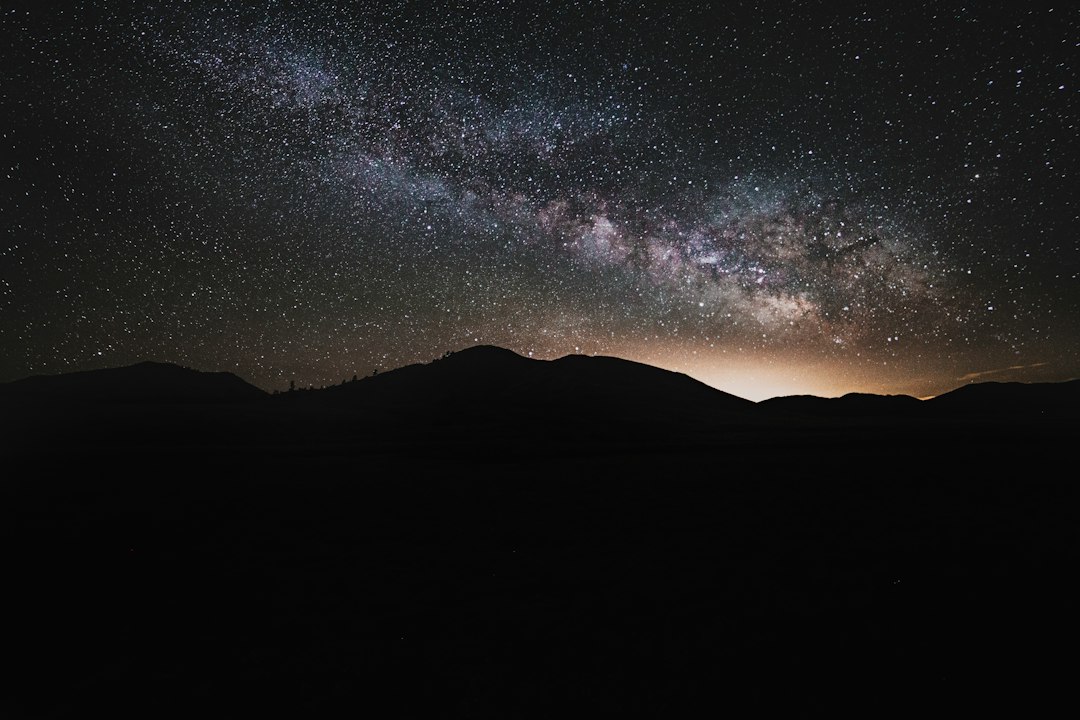
The universe, a canvas of unfathomable scale and breathtaking artistry, has long beckoned humanity to explore its depths. For millennia, our understanding was limited to the naked eye, a mere whisper of the grandeur that lay beyond our atmosphere. Then came the telescope, a revolutionary tool that pierced the veil of darkness, revealing the moon’s pockmarked face, the rings of Saturn, and the swirling nebulae of distant galaxies. Yet, even with these early marvels, the true, intricate tapestry of the cosmos remained elusive, its most delicate brushstrokes lost to the limitations of optical resolution. The advent of high-resolution imaging has changed all of that, ushering in a new era of astronomical discovery and allowing us to truly capture the cosmic beauty that has inspired wonder for generations. This technology, a marriage of cutting-edge engineering and sophisticated scientific principles, empowers us to see the universe not just as a collection of bright points of light, but as a vibrant, dynamic, and astonishingly detailed realm.
The journey to high-resolution imaging is a testament to human ingenuity and our insatiable desire to understand our place in the universe. From the earliest refractor telescopes to the giant modern observatories, each advancement has pushed the boundaries of what we can perceive.
Early Telescopes: A Glimpse into the Infinite
The pioneering work of Galileo Galilei in the early 17th century marked a turning point. His rudimentary telescopes, while far from what we consider high-resolution today, were groundbreaking. They allowed him to observe the phases of Venus, the craters on the Moon, and the four largest moons of Jupiter, providing empirical evidence to support the heliocentric model of the solar system. These observations, though limited in detail, were the first steps in bringing celestial objects into sharper focus.
The Reflector Revolution
Sir Isaac Newton’s invention of the reflecting telescope in the late 17th century offered a significant improvement in image quality by using mirrors instead of lenses. This design minimized chromatic aberration, a distortion of color that plagued early refractors. Larger and more powerful reflecting telescopes were subsequently built, allowing astronomers to observe fainter objects and resolve finer details in nebulae and star clusters.
The Rise of Ground-Based Giants
The 20th century saw the construction of increasingly massive ground-based telescopes, such as the Hooker Telescope at Mount Wilson Observatory and the Hale Telescope at Palomar Observatory. These behemoths, with their primary mirrors spanning several meters, were capable of collecting vast amounts of light, enabling the observation of distant galaxies and quasars. However, the Earth’s atmosphere, with its constant turbulence, remained a significant hurdle to achieving truly pristine, high-resolution images.
The Dawn of Space-Based Observatories
The ultimate solution to atmospheric distortion came with the development of space-based observatories. Launched above the obscuring layers of air, these telescopes, like the Hubble Space Telescope, could capture images with unprecedented clarity and detail. Hubble’s iconic photographs have become synonymous with cosmic beauty, revealing the intricate structures of nebulae and the dazzling diversity of galaxies.
Astronomical photos have become increasingly detailed due to advancements in technology and imaging techniques, allowing astronomers to capture stunning visuals of celestial bodies. For a deeper understanding of this phenomenon, you can read an insightful article that explores the various factors contributing to the enhanced clarity and detail in astronomical photography. This article discusses the role of high-resolution telescopes, advanced sensors, and image processing software in producing these breathtaking images. To learn more, visit this link.
The Science Behind High-Resolution Imaging
Achieving high-resolution in astronomical imaging is not simply a matter of building a bigger mirror; it involves a complex interplay of optical design, sophisticated detectors, and advanced processing techniques. The goal is to capture as much light as possible and then extract the finest details from that light.
The Importance of Aperture and Focal Length
The aperture, or the diameter of the primary mirror or lens, is a crucial factor in determining a telescope’s light-gathering power and its theoretical resolution limit. A larger aperture collects more photons, allowing for the observation of fainter objects and the resolution of finer structures. The focal length, on the other hand, influences the magnification and the field of view. A longer focal length generally leads to higher magnification, which is essential for resolving small details.
Advanced Optics and Adaptive Optics
Modern telescopes employ sophisticated optical designs to minimize aberrations and maximize image quality. This includes using precisely shaped mirrors and lenses, as well as employing advanced techniques like adaptive optics. Adaptive optics systems use deformable mirrors that can rapidly adjust their shape to counteract the distortions caused by atmospheric turbulence in real-time, effectively creating a sharp image as if the telescope were in space. This technology has revolutionized ground-based astronomy, allowing observatories to achieve resolutions comparable to or even exceeding those of space telescopes.
Detector Technology: The Digital Eye
The development of highly sensitive and efficient digital detectors, such as Charge-Coupled Devices (CCDs) and Complementary Metal-Oxide-Semiconductor (CMOS) sensors, has been paramount. These detectors convert incoming photons into electrical signals with remarkable fidelity, allowing for the capture of faint details that would have been lost with older photographic techniques. The pixel size and the quantum efficiency of these detectors directly impact the final resolution of the image.
Image Processing and Reconstruction
Once the raw data is collected, sophisticated image processing techniques are employed to enhance the final result. This involves calibrating the data, removing noise, and combining multiple exposures to improve signal-to-noise ratio. Algorithms for deconvolution and sharpening are used to remove residual blurring and to reveal the finest details within the image. Techniques like interferometry, which combines light from multiple telescopes, can achieve resolutions far beyond what a single telescope could achieve, essentially creating a virtual telescope with an aperture equivalent to the distance between the individual telescopes.
Revealing the Universe’s Intricate Details
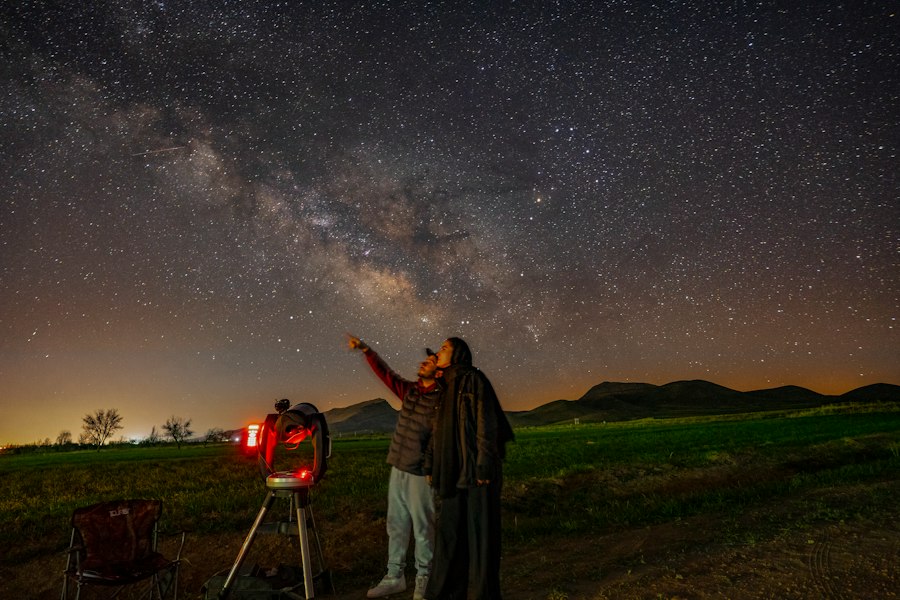
High-resolution imaging has transformed our understanding of cosmic phenomena, revealing structures and processes that were previously invisible or only hinted at. It allows us to peer into the birthplaces of stars, witness the violent deaths of stellar giants, and decipher the intricate dance of galaxies.
Stellar Nurseries: The Birthplaces of Stars
Nebulae, vast clouds of gas and dust, are the cosmic cradles where stars are born. High-resolution images of nebulae like the Orion Nebula or the Carina Nebula reveal intricate filaments, dark tendrils of gas, and bright knots where protostars are actively forming. We can see the shockwaves from newly formed stars clearing out their surroundings and the delicate structures sculpted by stellar winds. This level of detail allows astronomers to study the physical processes involved in star formation, from the initial collapse of gas clouds to the ignition of nuclear fusion.
Stellar Catastrophes: The End of Stars
The dramatic events marking the end of a star’s life, such as supernovae and the formation of planetary nebulae, are also subjects of intense study. High-resolution imaging allows us to see the expanding shells of gas and dust ejected by supernovae, revealing intricate patterns and asymmetries. In planetary nebulae, the remnants of dying stars, we can observe complex, often beautiful, geometries formed by the interaction of stellar winds and magnetic fields. These images provide crucial data for understanding stellar evolution and the creation of heavy elements that eventually form planets and life.
Galactic Architectures: The Dance of Galaxies
Galaxies, the fundamental building blocks of the universe, are not static entities but dynamic systems engaged in a cosmic ballet. High-resolution images of galaxies reveal their majestic spiral arms, their central supermassive black holes, and the intricate interactions between them. We can study the distribution of stars and gas within galaxies, identify regions of intense star formation, and observe the tidal forces that shape and distort galaxies as they collide or merge. The detailed structure of galactic bulges, the energetic outflows from active galactic nuclei, and the faint halos of dark matter surrounding galaxies are all brought into sharper focus.
Scientific Breakthroughs Enabled by High-Resolution Imaging

The ability to see the universe with unprecedented clarity has led to a cascade of scientific breakthroughs, challenging existing theories and opening new avenues of research. From the earliest moments of the universe to the subtle details of exoplanetary atmospheres, high-resolution imaging is an indispensable tool.
Probing the Early Universe
The James Webb Space Telescope (JWST), with its unparalleled infrared capabilities and sharp resolution, is revolutionizing our understanding of the early universe. Its ability to peer through the cosmic dust and gas that obscure visible light allows us to observe some of the first galaxies that formed after the Big Bang. The detailed images provided by JWST are helping astronomers determine the ages, compositions, and structures of these primordial galaxies, offering clues about the universe’s initial conditions and the processes that led to the formation of the structures we see today.
Unveiling Exoplanetary Atmospheres
The search for exoplanets, planets orbiting stars other than our Sun, has been greatly accelerated by high-resolution imaging and spectroscopy. While direct imaging of exoplanets is challenging, advancements in techniques like coronagraphy allow telescopes to block out the light from their host stars, revealing the faint light reflected or emitted by orbiting planets. Furthermore, high-resolution spectroscopy can analyze the light passing through an exoplanet’s atmosphere, revealing its chemical composition. This allows scientists to search for biosignatures, gases that could indicate the presence of life, and to characterize the climates of these distant worlds.
Mapping the Cosmic Web
The universe is not uniformly distributed but is structured into a vast cosmic web of galaxies, clusters, and filaments, separated by immense voids. High-resolution surveys that map the positions and properties of millions of galaxies are crucial for understanding the formation and evolution of this large-scale structure. The detailed distribution of galaxies and the subtle gravitational lensing effects observed in high-resolution images provide vital data for testing cosmological models and understanding the role of dark matter and dark energy in shaping the universe.
Astronomical photos have become increasingly detailed due to advancements in technology and imaging techniques. These improvements allow astronomers to capture more light and resolve finer structures in distant celestial objects. For a deeper understanding of the science behind these enhancements, you can explore a related article that discusses the impact of modern telescopes and imaging software on our ability to observe the universe. Check out this insightful piece on Freaky Science to learn more about how these innovations are revolutionizing our view of the cosmos.
The Aesthetic and Inspirational Power of Cosmic Imagery
| Reason | Explanation |
|---|---|
| Advanced Telescopes | New telescopes have larger mirrors and better optics, allowing them to capture more light and detail. |
| Improved Imaging Technology | Modern cameras and sensors can capture and process images with higher resolution and sensitivity. |
| Image Processing Techniques | Advanced software and algorithms can enhance and sharpen astronomical images to reveal more detail. |
| Longer Exposure Times | Astronomers can now take longer exposures to accumulate more light and capture faint details. |
Beyond its profound scientific implications, high-resolution imaging possesses an unparalleled aesthetic and inspirational power. The images captured are not merely data; they are works of art, windows into a realm of unimaginable beauty that ignites curiosity and fosters a sense of awe.
Artistry in the Void
The colors of nebulae, the swirling patterns of galaxies, and the delicate interplay of light and shadow in cosmic landscapes are a testament to the universe’s inherent artistry. High-resolution images reveal textures and details that evoke emotions and challenge our perception of what is possible. They transform abstract scientific concepts into tangible, breathtaking visuals that resonate with people of all ages and backgrounds.
Inspiring Future Generations
These images serve as powerful catalysts for inspiring the next generation of scientists, engineers, and thinkers. They spark curiosity about the unknown, encouraging young minds to ask questions and to pursue careers in STEM fields. The sheer wonder and beauty captured by these technologies remind us of the vastness of the universe and our own potential to explore and understand it.
Bridging the Gap Between Science and Society
High-resolution cosmic imagery plays a vital role in public outreach and science communication. By making the universe accessible and beautiful, these images help to demystify complex scientific concepts and foster a greater appreciation for scientific endeavors. They bridge the gap between the laboratory and the living room, bringing the marvels of the cosmos into our everyday lives and reminding us of our shared journey of discovery.
In conclusion, high-resolution imaging is not just a technological advancement; it is a fundamental shift in our ability to perceive and comprehend the universe. It has moved us beyond mere observation to true revelation, allowing us to capture the intricate details, the dynamic processes, and the breathtaking beauty of the cosmos. As our imaging capabilities continue to evolve, so too will our understanding of the universe and our place within its magnificent, ever-unfolding panorama. The power of high-resolution imaging lies not only in what it reveals but in what it inspires, forever expanding our horizons and our capacity for wonder.

The Space Photos Are Real—But Your Eyes Would See This
FAQs
1. Why do astronomical photos show more detail?
Astronomical photos show more detail due to advancements in technology, such as improved telescopes, cameras, and image processing techniques. These advancements allow for higher resolution and sensitivity, resulting in clearer and more detailed images of celestial objects.
2. What role do telescopes play in capturing detailed astronomical photos?
Telescopes play a crucial role in capturing detailed astronomical photos by gathering light from distant objects and magnifying them. Modern telescopes are equipped with advanced optics and detectors that can capture fine details and produce high-resolution images.
3. How do cameras contribute to the detailed images of celestial objects?
Cameras used in astronomical photography are designed to be highly sensitive to light and capable of capturing faint details. They are often equipped with specialized filters and cooling systems to reduce noise and enhance image quality, allowing for the capture of intricate details in astronomical photos.
4. What are some image processing techniques used to enhance the detail in astronomical photos?
Image processing techniques, such as stacking multiple exposures, sharpening, and noise reduction, are commonly used to enhance the detail in astronomical photos. These techniques help to bring out fine details and improve the overall clarity of the images.
5. How do advancements in technology continue to improve the level of detail in astronomical photos?
Advancements in technology, such as adaptive optics, interferometry, and space-based telescopes, continue to push the boundaries of astronomical imaging. These advancements enable astronomers to capture even finer details and explore the universe with unprecedented clarity.