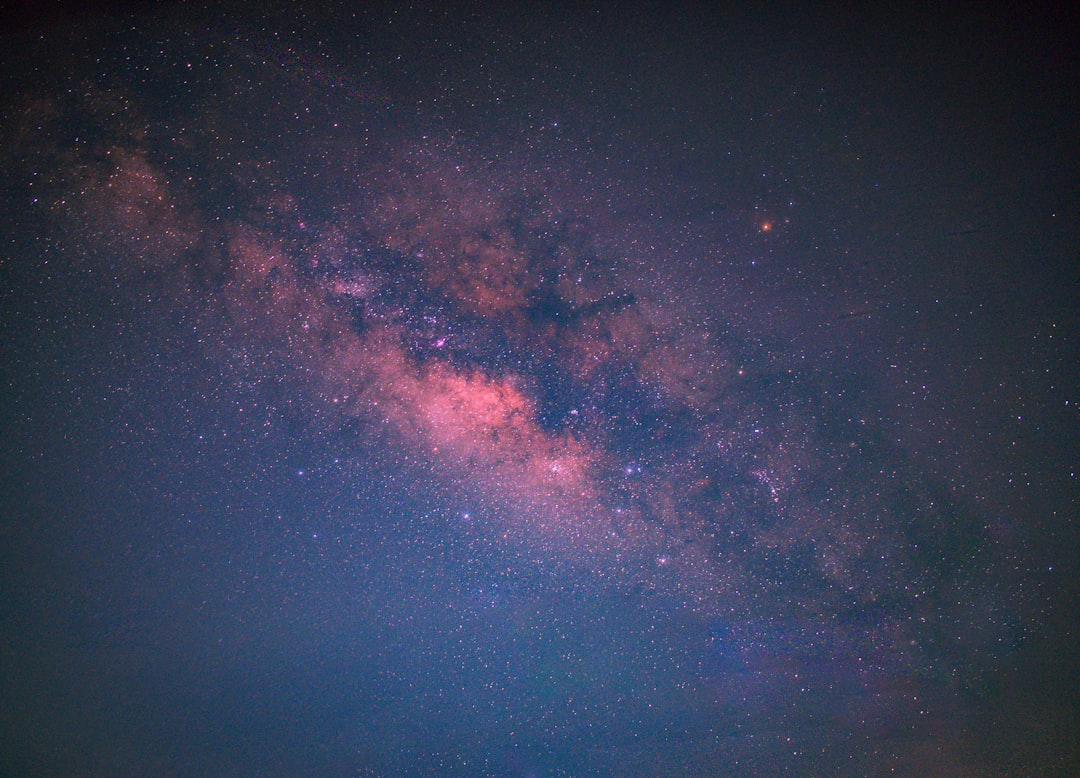
Capturing the Milky Way is a pursuit that ignites wonder in both seasoned astronomers and casual stargazers. The celestial spectacle of our galaxy arching across the night sky is a sight of profound beauty and humbling scale. Yet, the experience of witnessing this grandeur can be vastly different when observed through the lens of a camera compared to the naked eye. This article delves into the fascinating dichotomy between these two methods of experiencing the Milky Way, exploring their unique strengths, limitations, and the artistic and scientific revelations they offer.
The human eye, a marvel of biological engineering, offers an immediate and unfiltered connection to the cosmos. When conditions are right – away from light pollution, with clear skies – the Milky Way transforms from a faint smear into a breathtaking river of stars. This raw, unmediated view possesses a certain magic, a direct communion with the universe that cannot be replicated.
The Power of Immediate Sensory Input
The naked eye experience is characterized by its immediacy. There is no technological intermediary, no processing delays. The light that reaches our retinas has traveled for millennia, and our brains process it in real-time, creating a visceral and emotional response. This directness allows for an intuitive understanding of the vastness and depth of space. The subtle variations in brightness, the faint nebulosity, and the sheer number of stars coalesce into a holistic impression that is profoundly moving. It’s the feeling of standing beneath an infinite canopy, a sense of our place within something far grander than ourselves.
Limitations of Human Vision
Despite its inherent beauty, the naked eye has its limitations. Our pupils, while adept at adjusting to varying light levels, have a finite aperture. This means they can only gather so much light. Consequently, faint details within the Milky Way, such as dust lanes and subtle nebulae, often remain invisible to the unaided eye. The dynamic range of human vision, while impressive, also struggles to capture the full spectrum of light and shadow present in the night sky. This can lead to a somewhat washed-out appearance of brighter areas and a lack of discernible structure in dimmer regions. Furthermore, the resolution of our eyes, while sufficient for recognizing constellations, is not fine enough to appreciate the intricate stellar populations and diffuse gas clouds that make up the Milky Way’s intricate tapestry.
The Emotional and Philosophical Resonance
The experience of viewing the Milky Way with the naked eye is deeply emotional and often sparks philosophical contemplation. The sheer scale and ancient light evoke a sense of awe, wonder, and sometimes even existential reflection. It’s a reminder of our transient existence against the backdrop of cosmic eternity. The silence of the night, punctuated only by the subtle rustling of nature, amplifies this feeling of connection to something timeless and universal. This unadulterated encounter can foster a profound appreciation for the natural world and our place within it, prompting questions about origins, destiny, and the sheer improbability of our existence.
If you’re fascinated by the stunning visuals of our galaxy, you might want to check out an insightful article that contrasts the breathtaking photographs of the Milky Way with what we can observe with the naked eye. This comparison highlights the limitations of human vision in capturing the beauty of the cosmos. To learn more about this intriguing topic, visit the article at Freaky Science.
The Illuminated Canvas: Photography and its Revelations
Photography, through the use of specialized equipment and techniques, unlocks a hidden dimension of the Milky Way. Cameras, with their controlled apertures and long exposure capabilities, can gather significantly more light than the human eye, revealing details that would otherwise remain unseen. This ability to “see” beyond the limitations of our biology transforms the night sky into a canvas for artistic expression and scientific discovery.
Light Gathering Prowess: The Magic of Long Exposures
The fundamental advantage of astrophotography lies in its light-gathering capability. By employing long exposure times, often ranging from several seconds to minutes, camera sensors can accumulate photons that would simply pass unnoticed by the naked eye. This is akin to leaving a bucket out in the rain for an extended period; the longer it’s there, the more water it collects. Similarly, a camera sensor, over a long exposure, gathers a cumulative amount of light from faint celestial objects. This allows for the emergence of intricate structures, subtle color gradients, and previously invisible nebulae and star clusters. The Milky Way, which might appear as a relatively uniform band to the naked eye, can be revealed as a complex and textured structure, teeming with diverse celestial phenomena.
Unveiling Hidden Details: Dust Lanes and Nebulae
Long exposures are particularly effective at revealing the intricate dust lanes that snake through the Milky Way. These dark clouds of interstellar dust obscure light from more distant stars, creating dramatic dark patches and shaping the visible structure of our galaxy. While some of these prominent lanes might be faintly discernible to a keen observer under exceptionally dark skies, photography can bring them into sharp relief, showcasing their delicate filaments and dramatic contours. Similarly, faint emission and reflection nebulae, glowing with the light of nearby stars or reflecting their light, are often invisible to the naked eye. Astrophotography can amplify their faint luminescence, revealing their ethereal beauty and vibrant colors. The subtle hues of hydrogen alpha, oxygen III, and other elements become apparent, painting the night sky with celestial watercolors.
Capturing Colors Beyond Perception
Our eyes perceive color based on a relatively limited range of sensitivity. While we can distinguish a spectrum of colors, the faint light from distant celestial objects often falls outside this range or is too dim to register distinct hues. Astrophotography, however, can capture a far broader spectrum of light, including wavelengths that our eyes cannot perceive. Furthermore, processing techniques, such as adjusting white balance and color saturation, can enhance and even reveal colors that are present but too subtle for direct observation. This allows photographers to present the Milky Way in a richer, more vibrant palette, showcasing the subtle reds of ionized hydrogen, the blues of reflected starlight, and the purples and greens of other elemental emissions. This expanded color palette provides a more complete and artistically compelling representation of the galaxy.
The Technical Symphony: Gear and Settings for Astrophotography
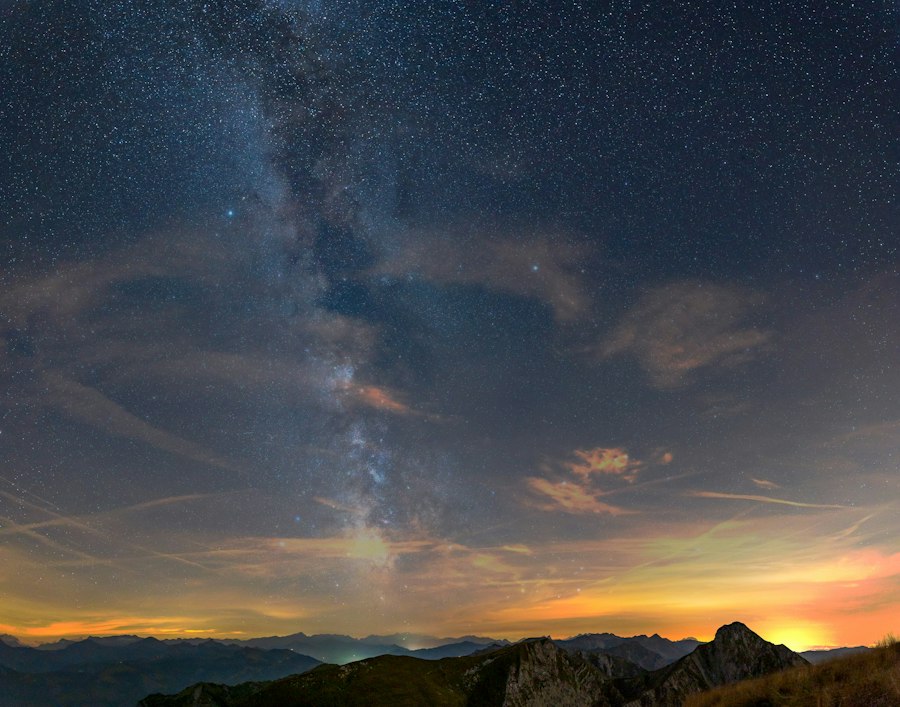
Successfully capturing the Milky Way with a camera requires more than just pointing and shooting. It involves a deliberate selection of equipment and a nuanced understanding of camera settings. This technical symphony orchestrates the gathering of light and the rendering of cosmic beauty.
Essential Equipment: Cameras, Lenses, and Tripods
The foundation of astrophotography lies in the camera. While any camera with manual controls can technically capture the night sky, dedicated DSLRs or mirrorless cameras with larger sensors and good low-light performance are ideal. The lens is equally crucial. Wide-angle lenses with fast apertures (low f-numbers, like f/2.8 or f/1.4) are preferred. A wider field of view allows for a larger portion of the Milky Way to be captured, and a fast aperture maximizes the amount of light entering the camera, reducing the need for excessively long exposures which can lead to star trailing. A sturdy tripod is non-negotiable. It must be capable of holding the camera steady for extended periods, preventing any vibration from blurring the image. A remote shutter release or intervalometer is also highly recommended to avoid touching the camera during the exposure, further minimizing shake.
Mastering the Exposure Triangle: ISO, Aperture, and Shutter Speed
The “exposure triangle” – ISO, aperture, and shutter speed – is the cornerstone of photographic control. In astrophotography, each element is manipulated to maximize light capture while minimizing noise and star trailing.
ISO: The Sensitivity Lever
ISO controls the sensor’s sensitivity to light. Higher ISO settings allow the camera to capture more light in a given time, which is beneficial for dimly lit night skies. However, increasing ISO also amplifies digital noise, the grainy speckles that degrade image quality. Astrophotographers strive to find the highest ISO setting that their camera can handle without introducing unacceptable levels of noise, often between 1600 and 6400, depending on the camera’s capabilities.
Aperture: The Gateway for Light
As mentioned earlier, a wide aperture (low f-number) is paramount. This physically opens up the lens, allowing more light to reach the sensor. The goal is to use the widest aperture the lens allows while maintaining acceptable sharpness across the frame.
Shutter Speed: The Time for Gathering
Shutter speed determines how long the sensor is exposed to light. For Milky Way photography, longer shutter speeds are necessary. However, the Earth’s rotation causes stars to appear to move, resulting in star trails if the exposure is too long. The “500 Rule” (or variations like the 400 or 300 Rule, depending on sensor crop factor) provides a guideline: divide 500 by the focal length of your lens to get the maximum shutter speed in seconds before significant trailing occurs. For example, with a 20mm lens on a full-frame camera, 500/20 = 25 seconds. This is a starting point, and adjustments are often made based on personal preference and the desired effect.
Focus: The Sharpness Imperative
Achieving sharp focus in the dark is one of the biggest challenges. Autofocus systems struggle in low light. Manual focus is essential. The most reliable method is to use “live view” on the camera, zoom in on the brightest star or distant light source available, and carefully adjust the focus ring until the star appears as a sharp point of light. Alternatively, one can focus on a distant terrestrial object during daylight and then carefully tape the focus ring in place, assuming the lens has a consistent focal length.
Beyond the Click: Post-Processing and Enhancement
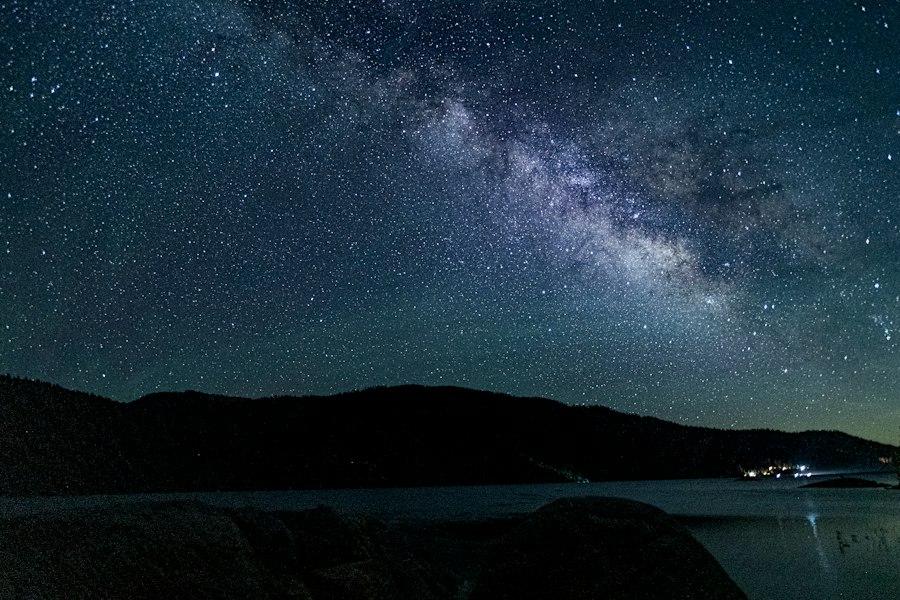
The image captured by the camera is often just the beginning. Post-processing is a crucial stage where the raw data is transformed into a stunning visual representation of the Milky Way, revealing details that were only hinted at in the original shot.
From Raw Data to Digital Art
Astrophotography typically involves capturing images in RAW format, not JPEG. RAW files contain the unprocessed sensor data, offering much greater flexibility in post-processing than compressed JPEGs. This allows photographers to adjust exposure, white balance, contrast, and color without significant loss of quality. Software like Adobe Lightroom, Photoshop, or dedicated astrophotography programs are used to refine these images.
Noise Reduction: Taming the Grain
As discussed, high ISO settings are often necessary, which introduces noise. Post-processing software offers sophisticated tools for noise reduction. The goal is to reduce the graininess without sacrificing detail or making the image appear overly smooth and artificial. This is a delicate balancing act.
Contrast and Clarity: Bringing Out the Details
Adjusting contrast and clarity sliders in post-processing can dramatically enhance the visibility of the Milky Way’s structures. Increasing contrast makes the brighter stars and nebulae stand out more against the darker background. Clarity controls the local contrast, helping to define the edges of features and bring out subtle textures, like the filaments within dust lanes.
Color Enhancement: Painting with Celestial Hues
Post-processing also allows for the fine-tuning of colors. White balance can be adjusted to achieve a natural or aesthetically pleasing representation. Color saturation and vibrance sliders can be used to subtly enhance the subtle colors present in nebulae and star fields, making the image more visually appealing. Astrophotographers sometimes employ techniques like “color stretching” to bring out faint color information that would otherwise be lost.
When comparing stunning photographs of the Milky Way to what we can see with the naked eye, many people are often surprised by the vast difference in detail and color. A related article that delves deeper into this topic can be found at Freaky Science, where it explores the science behind our perception of the night sky and the techniques used in astrophotography. Understanding these differences can enhance our appreciation for the beauty of the cosmos, making stargazing an even more rewarding experience.
The Synergy of Experience: Photography Enhancing Naked Eye Appreciation
| Metrics | Milky Way photo | Naked eye |
|---|---|---|
| Brightness | Highly detailed and bright | Less detailed and faint |
| Color | Shows various colors and hues | Appears mostly white or gray |
| Clarity | Clear and sharp details | Less defined and blurry |
| Visibility | Visible in dark sky areas | Difficult to see in light-polluted areas |
While photography offers a vastly different perspective, it doesn’t diminish the value of the naked eye experience. In fact, the two can be complementary, with photography enhancing our appreciation for what we can see with our own eyes.
A Deeper Understanding Through Visuals
Seeing a photograph of the Milky Way, with its intricate details and vibrant colors, can provide a deeper understanding of what we are witnessing when we look up at the night sky. It helps us to identify and appreciate the subtle features that we might have missed with our unaided vision. The photographic representations can serve as a visual guide, allowing us to mentally map out the structures and formations we are observing, enriching our direct experience.
Inspiring Further Exploration
Photographs of the Milky Way often serve as powerful inspirations for people to seek out darker skies and experience this celestial wonder for themselves. Seeing stunning astrophotographs can spark a curiosity that leads individuals to pack their bags and travel to remote locations, away from the light pollution that often obscures our view. This personal journey can then lead to a more profound connection with the night sky, a connection that is both visual and emotional.
Bridging the Gap Between Science and Art
Astrophotography beautifully bridges the gap between scientific observation and artistic expression. It allows us to capture scientifically significant data about celestial objects while simultaneously creating images that evoke wonder and awe. This dual nature of astrophotography makes it an accessible entry point for people interested in both astronomy and art, fostering a broader appreciation for the cosmos. The technical precision required for capturing these images speaks to the scientific endeavor, while the final aesthetic result speaks to the artistic impulse, creating a compelling synthesis.
The Everlasting Allure of the Celestial River
The Milky Way, whether glimpsed with the naked eye or captured through the lens of a camera, remains one of nature’s most profound spectacles. The naked eye offers an immediate, emotional, and philosophical connection, reminding us of our place in the universe. Photography, on the other hand, unlocks hidden layers of detail, color, and texture, revealing the intricate beauty and scientific marvels of our galactic home. Both experiences are valuable, each offering a unique perspective on the same celestial river that flows through the darkness. The pursuit of capturing the Milky Way is a testament to humanity’s enduring curiosity and our innate desire to understand and appreciate the vastness of the cosmos. It is a journey that continues to inspire, educate, and connect us to something far greater than ourselves, a constant reminder of the breathtaking wonders that lie just beyond our doorstep, waiting to be discovered.
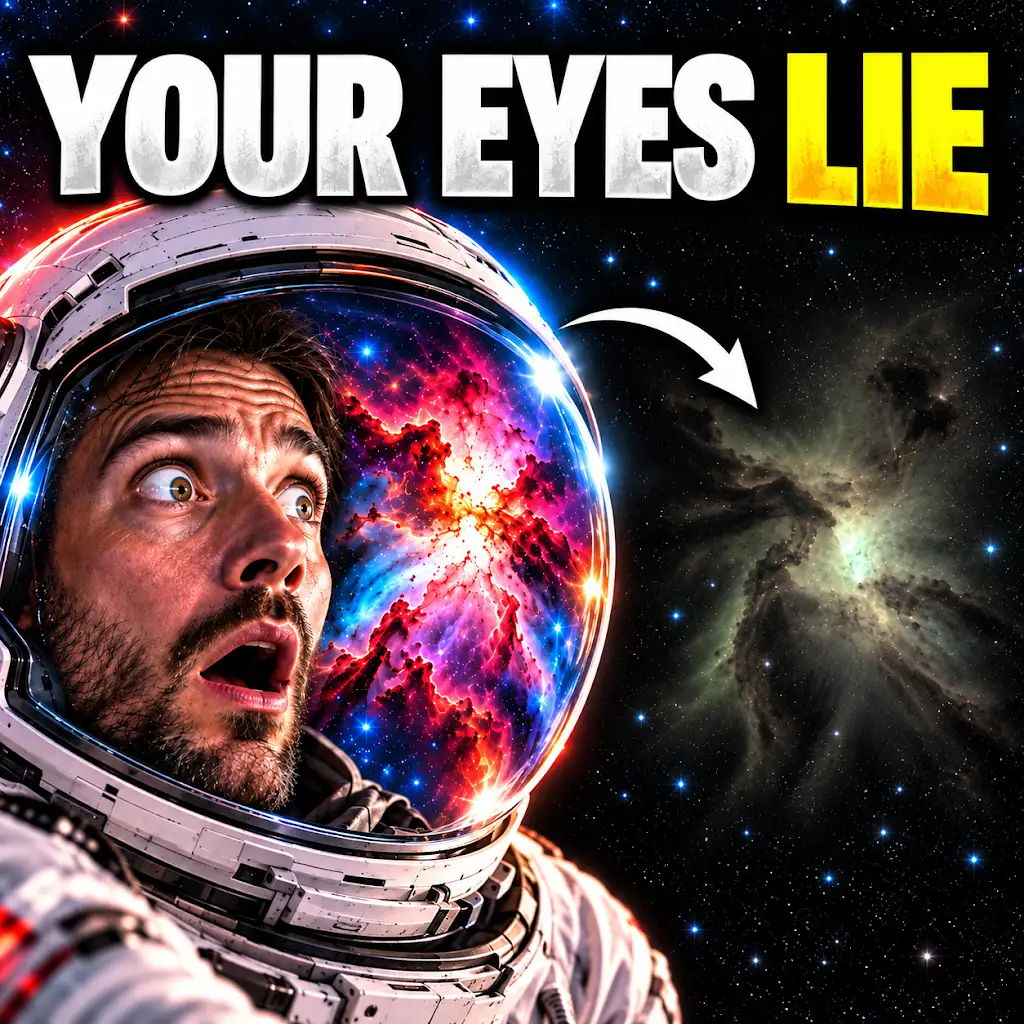
The Space Photos Are Real—But Your Eyes Would See This
FAQs
What is the difference between a Milky Way photo and the naked eye view?
The Milky Way photo captures the full extent of the Milky Way galaxy, including its spiral arms, dust lanes, and star clusters, which are not visible to the naked eye. The photo also shows the colors and details of the stars and nebulae that are not discernible with the naked eye.
Why does the Milky Way appear differently in photos compared to the naked eye?
Milky Way photos are often taken with long exposure times and specialized equipment, allowing them to capture more light and detail than the naked eye can perceive. Additionally, photo editing techniques can enhance the colors and contrast of the Milky Way, making it appear more vibrant and detailed than it does to the naked eye.
Can the Milky Way be seen with the naked eye?
Yes, the Milky Way can be seen with the naked eye, especially in areas with minimal light pollution. However, the naked eye view of the Milky Way is limited compared to what can be captured in a photograph, as the human eye is not as sensitive to faint light and color as a camera.
What factors affect the visibility of the Milky Way with the naked eye?
The visibility of the Milky Way with the naked eye is affected by light pollution, atmospheric conditions, and the phase of the moon. Dark sky locations with little light pollution, clear and moonless nights, and high altitudes can all improve the visibility of the Milky Way.
Are there specific locations where the Milky Way is more visible to the naked eye?
Yes, the visibility of the Milky Way is enhanced in locations with minimal light pollution, such as remote rural areas, national parks, and designated dark sky reserves. These locations offer optimal conditions for observing the Milky Way with the naked eye.