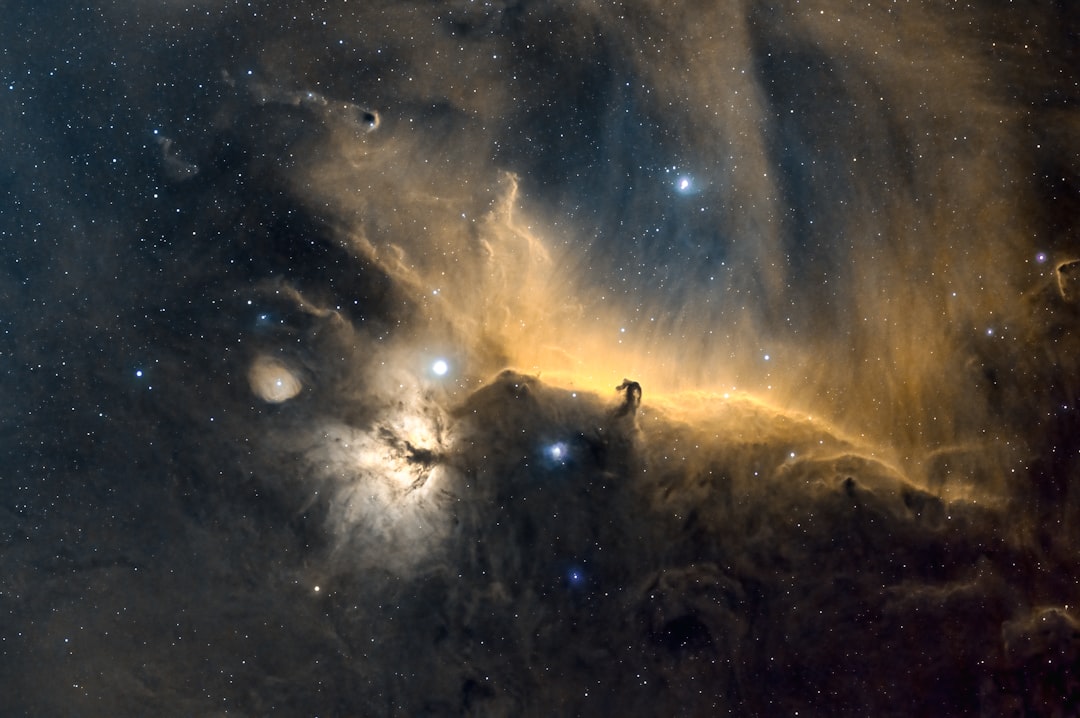
Nebulae, those ethereal clouds of gas and dust scattered across the cosmos, are often depicted in breathtaking hues of vibrant red, emerald green, and sapphire blue. These stunning visual interpretations, however, paint a picture far removed from the reality of what the human eye perceives when gazing upon them through a telescope. To the naked eye, and even through many amateur telescopes, nebulae appear as faint, ghostly apparitions, predominantly in shades of gray. This stark contrast between artistic renditions and optical reality prompts a fundamental question: why do nebulae appear gray to human eyes?
The answer to this perplexing phenomenon lies deeply rooted in the biological and neurological mechanisms of human vision. While our eyes are remarkable instruments, capable of discerning an astonishing range of light intensities and subtle variations, they are not perfectly adapted for observing faint, diffuse astronomical objects. This section will delve into the specific limitations of human vision that contribute to the gray appearance of nebulae.
The Role of Rods and Cones
Human vision relies on two primary types of photoreceptor cells in the retina: rods and cones. These cells, each with distinct functions, work in concert to process visual information. Understanding their individual contributions is crucial to comprehending why nebulae appear as they do.
Cones: The Color Detectors
Cones are responsible for color vision and function best in bright light conditions. There are three types of cones, each sensitive to different wavelengths of light: red (long-wavelength), green (medium-wavelength), and blue (short-wavelength). When light strikes these cones, they send signals to the brain, which interprets these signals as different colors. However, cones are relatively sparse and require a significant amount of light to become stimulated. Consequently, in dim environments, their ability to detect color diminishes.
Rods: The Light-Sensitive Specialists
Rods, on the other hand, are far more numerous than cones and are exceptionally sensitive to light. They are the primary photoreceptors responsible for vision in low-light conditions, such as twilight or dimly lit rooms. Rods do not differentiate between colors; instead, they register light intensity. When light stimulates rods, they send signals to the brain, which interprets these signals as shades of gray, from black to white. This sensitivity makes them ideal for detecting faint objects, but at the cost of color perception.
The Scintillating Dance of Light
The faintness of nebulae is a critical factor. They are vast expanses of gas and dust, but the light they emit or reflect is often spread over an immense area. This diffusion means that the intensity of light reaching our eyes from any single point within a nebula is extremely low.
Insufficient Stimulation of Cones
Because nebulae are so faint, the light they emit or reflect is often insufficient to adequately stimulate the cone cells. While there might be light in the red, green, or blue spectrums present within the nebula, the intensity is simply too low for the cones to register these distinct wavelengths. Imagine trying to discern the color of a single ember from a distant bonfire; the faint glow would likely be perceived as just that – a dim light.
Dominance of Rods in Low Light
In the dim conditions presented by nebulae, the highly sensitive rod cells become the dominant photoreceptors. As rods are achromatic (colorblind), they can detect the presence of the faint light, but they translate this detection solely into an interpretation of brightness, resulting in a perception of grayscale. The subtle spectral emissions that contribute to a nebula’s vibrant colors are too weak to overcome the overwhelming sensitivity of the rods.
Nebulae, the vast clouds of gas and dust in space, often appear gray to the human eye due to the limitations of our vision and the way light interacts with these celestial objects. While many nebulae are vibrant in color when captured through advanced telescopes, our eyes are not sensitive enough to perceive the full spectrum of light emitted by these regions. For a deeper understanding of why nebulae look gray and the science behind their colors, you can read more in this related article on Freaky Science: Freaky Science.
The Nature of Nebular Light Emission and Reflection
To further understand why nebulae appear gray, it’s essential to examine the physical processes by which they produce or scatter light. Not all nebulae are the same, and their diverse origins influence the nature of the light they emit or reflect, and subsequently, how we perceive it.
Emission Nebulae: The Luminous Clouds
Emission nebulae are clouds of ionized gas that emit their own light. This ionization is typically caused by ultraviolet radiation from nearby hot stars. The atoms within the nebula absorb this radiation and then re-emit it at specific wavelengths, creating characteristic spectral lines.
Hydrogen Alpha: The Dominant Red Hue
The most common element in interstellar clouds is hydrogen. When hydrogen atoms are ionized and then recombine, they emit photons, with the most prominent emission in the visible spectrum occurring at a wavelength of 656.3 nanometers. This specific wavelength corresponds to the red part of the visible spectrum, known as the H-alpha line. This is why many emission nebulae, like the Orion Nebula, often appear reddish in long-exposure photographs where the faint red light has had ample time to accumulate.
Other Emitted Wavelengths
While H-alpha is the most dominant, emission nebulae can also emit light at other wavelengths, contributing to different colors. For instance, oxygen can emit in the green and blue regions of the spectrum, leading to those characteristic colors in some nebulae. However, these emissions are often less intense than the H-alpha emissions.
The Intensity Problem
Despite the potential for a spectrum of colors, the overall light output from many emission nebulae is still quite diffuse. Even if the red H-alpha emission is present, its intensity might not be strong enough to stimulate the cones of the human eye to perceive it as distinct red. The faintness again forces the rods to take over, rendering the nebula in shades of gray.
Reflection Nebulae: The Cosmic Mirrors
Reflection nebulae, in contrast to emission nebulae, do not produce their own light. Instead, they reflect the light from nearby stars. These nebulae are typically composed of dust particles that scatter the starlight.
Scattering of Stellar Light
The color of a reflection nebula is determined by the type of star illuminating it and the size of the dust particles within the nebula. Smaller dust particles tend to scatter shorter wavelengths of light (blue) more effectively, leading to bluish hues, as seen in the Pleiades star cluster’s nebulosity. Larger dust particles scatter all wavelengths more equally, resulting in a more neutral, whitish appearance.
The Selective Nature of Scattering
While scattering is not as efficient as emission, it still spreads the starlight over a vast area. The light reaching our eyes from a reflection nebula has undergone scattering, meaning it is not as direct or intense as light from a star. The specific wavelengths that are scattered most effectively might be present, but the overall illumination is often weak.
Dust Extinction and Color Shift
Furthermore, dust within nebulae can absorb and scatter light, a phenomenon known as extinction. This can redden the light from stars that shines through it, but for the light that is reflected towards us, it can also alter the perceived color. However, the primary issue for human perception remains the low overall intensity of the scattered light.
The Impact of Exposure Time and Telescope Aperture
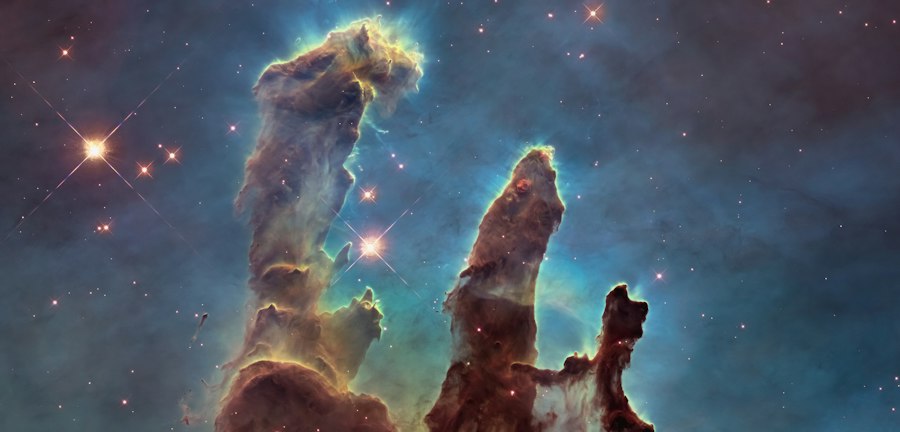
The way we observe nebulae significantly influences what we see. Amateur astronomers and professional observatories utilize different tools and techniques, leading to vastly different visual experiences. The duration of observation and the size of the instrument play crucial roles in revealing the hidden colors of these celestial wonders.
The Advantage of Long Exposures in Astrophotography
Astrophotography, the art of capturing images of celestial objects with cameras, offers a significant advantage over direct visual observation: the ability to accumulate light over extended periods. This is where the vibrant colors of nebulae truly come to life.
Accumulating Faint Light
Digital sensors in cameras, unlike our eyes, can collect photons over minutes, hours, or even days. This prolonged exposure allows the faint light from nebulae, including the less intense spectral lines, to build up on the sensor. Even light that is too weak to stimulate our cones for a brief visual moment can be registered and amplified over a long exposure.
Revealing Subtle Color Differences
As the faint light accumulates, the subtle differences in the emissions and scattering of various wavelengths become apparent. Software processing can then enhance these differences, bringing out the rich reds, greens, and blues that are characteristic of nebulae in photographs. The contrast between different colored emissions is amplified, making them visible to the camera.
The Photographic Representation is Not Direct Vision
It is important to reiterate that these stunning photographic images are not what the human eye sees in real-time. They are a representation of the accumulated light and subsequent processing, offering a scientifically valuable and aesthetically pleasing depiction of the nebula’s true spectral composition.
The Power of Larger Telescopes
Beyond exposure time, the physical size of the telescope, measured by its aperture (the diameter of the primary mirror or lens), also plays a critical role in observing faint objects like nebulae. A larger aperture gathers more light, which is fundamental to overcoming the limitations of human vision.
Gathering More Photons
A larger telescope has a larger light-gathering area. This means it can collect more photons from a distant nebula in a given amount of time compared to a smaller telescope. This increased photon flux is directly beneficial for visual observation.
Increased Resolution and Detail
Larger apertures also generally offer higher resolution, meaning they can distinguish finer details within the nebula. While this doesn’t directly add color, it allows for a more detailed study of the nebula’s structure, which can sometimes hint at variations in gas composition that might relate to color.
Making Faint Features More Apparent
With a larger telescope, faint features within a nebula become more apparent. This increased visibility can make it easier to discern subtle differences in brightness and structure, which, in combination with the increased light-gathering capability, can begin to reveal hints of color, even if fleetingly, to the trained observer.
The Human Brain’s Interpretation of Visual Data
The journey of light from a nebula to our perception of it doesn’t end at the retina. The human brain plays an active role in interpreting the signals sent by the rods and cones, and this interpretation can also contribute to the perceived grayness of nebulae.
The Subjectivity of Color Perception
Color perception is not an objective, absolute phenomenon. It is a subjective experience shaped by a complex interplay of light, our biological equipment, and our brain’s processing.
Context and Expectations
Our brains constantly try to make sense of the visual information they receive. When observing faint objects, especially in the context of astronomical observation, our expectations are often shaped by the stunning images we see in books and online. This can unconsciously influence how we interpret the limited visual cues we receive.
The Neural Processing of Light Signals
The signals from rods and cones are transmitted as electrical impulses to the brain. Different pathways in the brain process these signals, ultimately leading to our conscious perception of light, form, and color. In low-light conditions, where rod input dominates, the neural pathways responsible for color processing are less active.
The Concept of “Apparent Color”
In astronomy, the term “apparent color” is often used. This refers to the color we perceive when observing an object directly, as opposed to the “true color” which might be revealed through spectroscopic analysis or long-exposure photography.
The Influence of Background Sky
The apparent color of a nebula can also be influenced by the color of the background sky. On a dark, clear night, the sky itself can have subtle hues that might blend with or alter the perception of a faint object.
The “Ghostly” Appearance
The combination of faint light, rod-dominated vision, and the brain’s interpretation often leads to a perception of nebulae as “ghostly” or ethereal. This is because the lack of distinct color and detail, coupled with their diffuse nature, creates an impression of something insubstantial and fleeting.
Nebulae, the stunning clouds of gas and dust in space, often appear gray to the human eye due to the limitations of our vision and the way light interacts with these celestial objects. While many nebulae emit vibrant colors when viewed through telescopes equipped with specialized filters, our eyes are not sensitive enough to perceive these hues in low-light conditions. For a deeper understanding of this phenomenon, you can read more in this insightful article about the science behind our perception of nebulae. Check it out here.
Unveiling the Colors: Techniques and Tools
| Reasons why nebulae look gray to human eyes |
|---|
| Nebulae emit light at specific wavelengths that appear gray to human eyes |
| Human eyes are less sensitive to the faint light emitted by nebulae |
| Nebulae often have low surface brightness, making them appear gray |
| Human eyes perceive the combination of different colors in nebulae as gray |
While nebulae predominantly appear gray to the casual observer, the universe is not devoid of their chromatic splendor. Through specialized techniques and advanced tools, astronomers and dedicated amateurs can unveil the true colors hidden within these cosmic canvases.
Spectroscopic Analysis: The Scientific Approach to Color
Spectroscopy is a fundamental tool in astronomy that allows scientists to break down light into its constituent wavelengths. This technique provides an objective and detailed analysis of the light emitted or reflected by celestial objects, revealing their elemental composition and the physical conditions within them.
Identifying Spectral Lines
When light from a nebula is passed through a spectroscope, it is dispersed into a spectrum, much like a rainbow. This spectrum will display distinct lines at specific wavelengths, known as spectral lines. Each element has a unique spectral fingerprint, allowing astronomers to identify the elements present in the nebula.
Quantifying Emission Intensities
Spectroscopy not only identifies the elements but also measures the intensity of their emissions. This allows astronomers to determine which wavelengths are dominant, even if they are too faint for direct visual perception. For example, a spectroscope can confirm the strong H-alpha emission in a nebula, even if it appears gray to the eye.
Understanding Nebular Composition and Evolution
By analyzing the spectral data, astronomers can gain profound insights into the chemical composition of nebulae, their temperature, density, and the processes occurring within them. This scientific understanding is crucial for unraveling the mysteries of star formation and galactic evolution.
Advanced Amateur Observational Techniques
The pursuit of nebular color is not exclusive to professional astronomers. Dedicated amateur astronomers, armed with knowledge and specialized equipment, can also achieve remarkable results.
Using Filters to Enhance Specific Wavelengths
Astronomical filters are designed to transmit light within specific wavelength ranges while blocking others. For nebulae, narrowband filters, such as those targeting the H-alpha, O-III (doubly ionized oxygen), and S-II (singly ionized sulfur) lines, are particularly effective.
The Hydrogen-Alpha (H-alpha) Filter
By using an H-alpha filter, an amateur can isolate the red light emitted by hydrogen. This significantly boosts the visibility of the red components of emission nebulae, often revealing a distinct reddish glow that would otherwise be lost in the diffuse light.
The Oxygen-III (O-III) Filter
Similarly, O-III filters enhance the green and blue emissions from oxygen, which are prevalent in many nebulae. This can bring out ethereal greenish or bluish hues, especially in planetary nebulae and certain star-forming regions.
The Sulfur-II (S-II) Filter
S-II filters target the red emissions from sulfur, often contributing to the deeper reds and oranges seen in some nebulae. When used in conjunction with H-alpha and O-III filters, S-II can help create more complex and nuanced color palettes.
Combining Filtered Images in Post-Processing
For those employing advanced astrophotography techniques, combining images taken through different narrowband filters (e.g., H-alpha, O-III, S-II) is a common practice. This process, often referred to as “false color” imaging, assigns specific colors to each filtered image channel (e.g., red to H-alpha, green to O-III, blue to S-II). The resulting composite image is not a literal representation of how the nebula would appear to the human eye but rather a scientific visualization that highlights the distribution and intensity of different elements. This technique allows for the creation of the breathtaking, multicolored nebulae images that are so familiar to the public, revealing the underlying chemical composition and structure in a visually striking manner.
The Role of Visual Perception Training
For direct visual observation, improving one’s ability to perceive subtle colors in faint objects is possible through practice and a deeper understanding of what to look for.
Adapting to the Dark
Proper dark adaptation of the eyes is crucial. Spending at least 20-30 minutes in complete darkness allows the rods to become fully sensitive to light, increasing the chances of detecting even faint color variations.
Scanning and Blinking Techniques
Experienced observers sometimes employ techniques like “scanning” the object with their eye or “blinking” their eye open and closed. These methods can help the brain distinguish between transient impressions of color and the persistent grayscale of the object. By rapidly switching between looking at the object and looking away, or by gently blinking, an observer can sometimes “trick” their brain into perceiving faint color signals that might otherwise be overlooked.
Knowing What to Look For
Understanding the typical color signatures of different types of nebulae can also guide the observer. Knowing that certain nebulae are known for their red emissions (due to hydrogen) or green emissions (due to oxygen) can help an observer focus their attention and be more receptive to those subtle hues.
Conclusion: The Dichotomy of Perception and Reality
The journey from the faint, gray whispers of nebulae seen through a telescope to the vibrant, technicolor celestial tapestries of astrophotography is a testament to the intricate nature of light, vision, and perception. The apparent grayness of nebulae to the human eye is not an indication of their lack of color but rather a consequence of the fundamental limitations of our visual system in low-light conditions.
Our eyes, exquisitely adapted for navigating the illuminated world, rely on cone cells for color detection and rod cells for sensitivity in dim environments. Nebulae, by their very nature, are diffuse and faint, insufficient to trigger the cones and thus overwhelmingly engaging the achromatic rods. This biological imperative renders the subtle spectral emissions and reflections of nebulae as mere variations in brightness, interpreted by our brains as shades of gray.
However, the universe does not withhold its full chromatic palette. The advent of astrophotography, with its ability to accumulate light over extended periods, and the power of spectroscopy, which scientifically dissects light into its constituent wavelengths, have unveiled the breathtaking spectrum of colors inherent in these cosmic clouds. The vibrant reds of ionized hydrogen, the ethereal greens of oxygen, and the delicate blues of scattered starlight are all present, waiting to be revealed.
For the dedicated amateur, tools like narrowband filters offer a bridge between direct visual observation and the full spectrum of nebular colors. By isolating specific wavelengths, these filters enhance the visibility of faint color emissions, allowing for glimpses of the true chromatic nature of nebulae. Ultimately, the perception of nebulae as gray is a fascinating interplay between the physical properties of light, the biological architecture of our eyes, and the interpretive power of our brains. It is a reminder that what we see is not always the complete story, and that the universe, in its boundless magnificence, often requires specialized tools and perspectives to fully appreciate its true, colorful glory. The nebulae, though often appearing as ghostly specters to our unaided gaze, are in reality vibrant nurseries of stars, painting the cosmos with colors that, while not always visible to us directly, undeniably exist.

The Space Photos Are Real—But Your Eyes Would See This
FAQs
1. Why do nebulae appear gray to human eyes?
Nebulae appear gray to human eyes because the light emitted by these interstellar clouds is often very faint and spread out over a large area. This makes it difficult for the human eye to perceive the vibrant colors that are actually present in the nebulae.
2. Are nebulae actually gray in color?
No, nebulae are not actually gray in color. They often contain a variety of vibrant colors, including red, blue, and green, which are caused by the emission and reflection of light by different elements and compounds within the nebulae.
3. What causes the colors in nebulae to be difficult for human eyes to perceive?
The colors in nebulae are difficult for human eyes to perceive because the light emitted by these interstellar clouds is often very faint and spread out over a large area. Additionally, the human eye is not as sensitive to certain wavelengths of light, making it challenging to discern the true colors of nebulae.
4. Can advanced telescopes and cameras capture the true colors of nebulae?
Yes, advanced telescopes and cameras equipped with filters and sensitive detectors are able to capture the true colors of nebulae. By using long exposure times and specialized equipment, astronomers can reveal the vibrant colors present in these cosmic clouds that are not easily visible to the human eye.
5. Are there any nebulae that are visible in vibrant colors to the naked eye?
Yes, there are a few nebulae that are visible in vibrant colors to the naked eye under dark sky conditions. The most famous example is the Orion Nebula, which appears as a faint, but colorful, patch of light in the constellation of Orion.