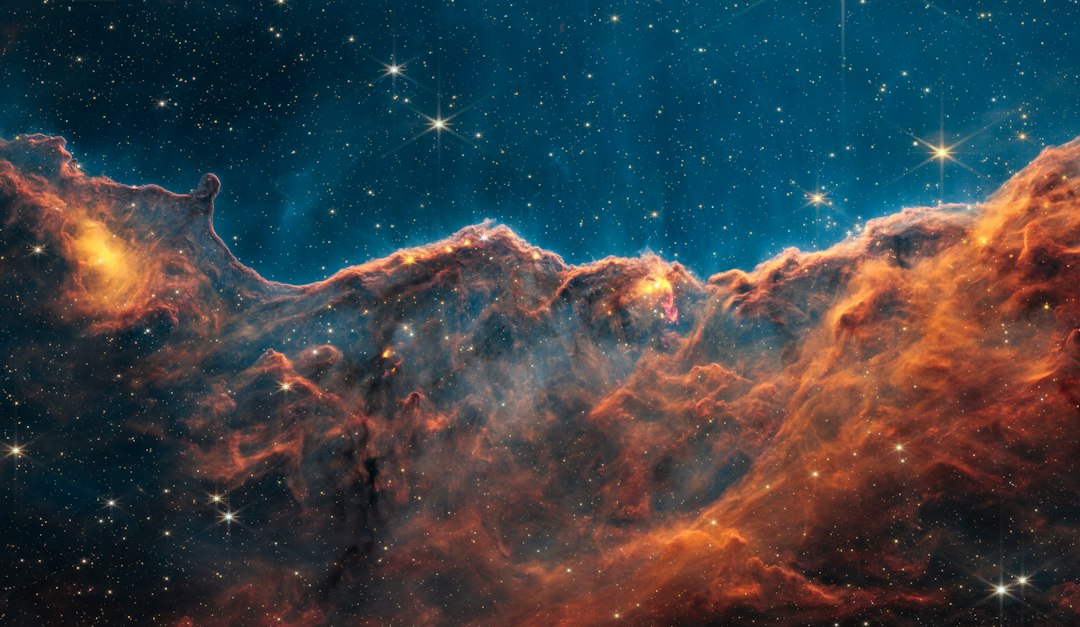
The celestial canvas is a spectacle of unparalleled grandeur, and among its most breathtaking features are nebulae. These vast clouds of interstellar gas and dust, illuminated by the light of distant stars, paint the cosmos with vibrant hues and intricate patterns. To explore nebulae is to embark on a journey through the very birthplace of stars, a testament to the ongoing cosmic ballet of creation and destruction. The mesmerizing beauty of these celestial nurseries, often invisible to the naked eye, is revealed in stunning detail through the lenses of powerful telescopes, unveiling a universe far richer and more colorful than we could ever imagine.
Nebulae, the ethereal clouds that adorn the cosmos, owe their vibrant existence to a fascinating interplay of light and matter. At their core, they are composed primarily of hydrogen and helium, the most abundant elements in the universe. However, it is the presence of other elements, even in trace amounts, that unlocks the spectrum of colors that makes nebulae so visually arresting. These elements, forged in the hearts of stars and scattered across the galaxy through supernovae, act as cosmic pigments, absorbing and re-emitting light in specific wavelengths, thereby painting the nebulae with their characteristic hues.
The Primary Palettes: Hydrogen and Helium’s Glow
Hydrogen, the ubiquitous building block of stars, is the most dominant element within nebulae. When energized by ultraviolet radiation from nearby stars, hydrogen atoms emit a characteristic red light, a phenomenon known as emission. This crimson glow is a signature of many nebulae, particularly those associated with active star formation. Helium, while less prevalent than hydrogen, also contributes to the nebular light. When ionized, helium can emit various colors, though its emission lines are often less pronounced than those of hydrogen. Together, these two elements form the fundamental base upon which the more intricate colorations of nebulae are built.
The Nuance of Dust: Scattering and Absorption
Beyond the glowing gases, nebulae are also permeated by interstellar dust. These microscopic grains, composed of silicates, carbon, and ice, play a crucial role in shaping the appearance of nebulae. Dust particles possess the remarkable ability to scatter and absorb light. When starlight passes through a dust cloud, shorter wavelengths (blues and violets) are scattered more effectively than longer wavelengths (reds and oranges). This phenomenon, known as Rayleigh scattering, is responsible for the blueish tinge observed in some nebulae, particularly reflection nebulae. Conversely, dust can also absorb light, creating dark, obscuring regions within nebulae that hide the stars behind them, adding depth and contrast to these celestial tapestries.
Trace Elements, Vibrant Hues: The Role of Heavier Elements
While hydrogen and helium provide the canvas, it is the presence of heavier elements, often referred to as “metals” by astronomers (elements beyond hydrogen and helium), that truly ignites the nebular spectrum. Oxygen, nitrogen, sulfur, and others, each possess unique electron structures that cause them to emit light at specific wavelengths when excited.
Oxygen’s Emerald and Azure Contributions
Oxygen is a particularly important contributor to nebular color. When singly ionized, oxygen emits a bright green light, a hue that can be prominent in many emission nebulae. Doubly ionized oxygen, on the other hand, can produce a distinctive blueish-green or even azure light, further diversifying the nebular palette. These oxygen emissions are often observed in regions of intense star formation where young, hot stars are prolific in their emission of ultraviolet radiation.
Nitrogen’s Fiery Reds and Sulfur’s Subtle Golds
Nitrogen, another key element, contributes to the deep reds and oranges seen in many nebulae. Its emission lines, particularly those of singly ionized nitrogen, are responsible for some of the most vibrant crimson swathes in the cosmic landscape. Sulfur, in its ionized form, can produce a golden or yellowish light, adding another layer of warmth and complexity to the nebular display. The precise balance and excitation of these trace elements, dictated by the intensity and type of radiation from nearby stars, determine the specific coloration observed in any given nebula.
Nebulae are often depicted in vibrant colors in photographs, a phenomenon that can be attributed to the various gases and dust present within them, as well as the techniques used in astrophotography. For a deeper understanding of the science behind these stunning visuals, you can explore the article on Freaky Science, which delves into the reasons why nebulae appear so colorful and the technology that allows us to capture their beauty. To read more, visit Freaky Science.
Types of Nebulae: A Categorization of Cosmic Wonders
The diversity of nebulae is as vast as the universe itself, with each type possessing unique characteristics that reflect its origin and evolutionary stage. Astronomers have broadly categorized these celestial clouds into several main types, each offering a distinct window into the processes shaping our galaxy and beyond. Understanding these categories allows for a more focused appreciation of the intricate beauty and scientific significance of nebulae.
Emission Nebulae: The Star-Forming Furnaces
Emission nebulae are arguably the most visually striking, renowned for their vibrant, self-luminous glow. These nebulae are regions where gas has been ionized by the intense ultraviolet radiation emitted by young, hot stars embedded within or nearby. The energized gas then re-emits this energy as visible light, creating the brilliant colors that characterize these cosmic nurseries.
H II Regions: Birthplaces of Stars
A prime example of emission nebulae are H II regions, vast stellar nurseries where new stars are actively being born. These regions are rich in hydrogen gas, which, when ionized by the ultraviolet flux of massive, young stars, produces the characteristic reddish-pink hue. The Orion Nebula, a well-known H II region, is a prime example, showcasing a breathtaking display of star formation in progress. The intricate filaments and glowing clouds within these regions are testament to the dynamic processes of stellar birth.
Planetary Nebulae: The Dying Stars’ Legacy
Contrary to their name, planetary nebulae have nothing to do with planets. They are the beautiful, ephemeral shells of gas and dust ejected by dying low- to intermediate-mass stars at the end of their lives. As a star exhausts its nuclear fuel, it sheds its outer layers, which are then illuminated by the hot, exposed core of the star. These nebulae often display intricate, ring-like, or bipolar structures, and their colors are a result of the specific elements present and the varying ionization levels. The Ring Nebula and the Helix Nebula are iconic examples, showcasing the elegant, ghostly remnants of stellar demise.
Reflection Nebulae: The Cosmic Mirrors
Reflection nebulae, in contrast to emission nebulae, do not generate their own light. Instead, they shine by reflecting the light of nearby stars. These nebulae are composed of interstellar dust that scatters starlight. Shorter wavelengths of light, such as blue, are scattered more effectively by the dust particles, giving reflection nebulae their characteristic bluish appearance.
The Blue Hues of Scattered Light
The blue color of reflection nebulae is a direct consequence of the physical properties of the dust grains. Much like the sky on Earth appears blue due to the scattering of sunlight by atmospheric molecules, the dust in reflection nebulae preferentially scatters blue light from nearby stars. This scattering process illuminates the dust cloud, making it visible to us. The Pleiades star cluster, with its surrounding nebulosity, is a classic example of a region dominated by reflection nebulae, showcasing the ethereal blue glow that envelops the young stars.
Dark Nebulae: The Cosmic Shadows
Dark nebulae are the silent, unseen giants of the interstellar medium. These are dense clouds of gas and dust that are so opaque they block out the light from stars behind them. They appear as dark patches against brighter backgrounds, like silhouettes against the cosmic tapestry. While they don’t emit or reflect light in the visible spectrum, their presence is crucial for understanding the structure and evolution of galaxies, as they are the raw material for future star formation. The Horsehead Nebula, a prominent dark nebula, is a striking example, its dark silhouette starkly outlined against the brighter emission nebula behind it.
The Dance of Light and Gas: Mechanisms of Nebular Illumination
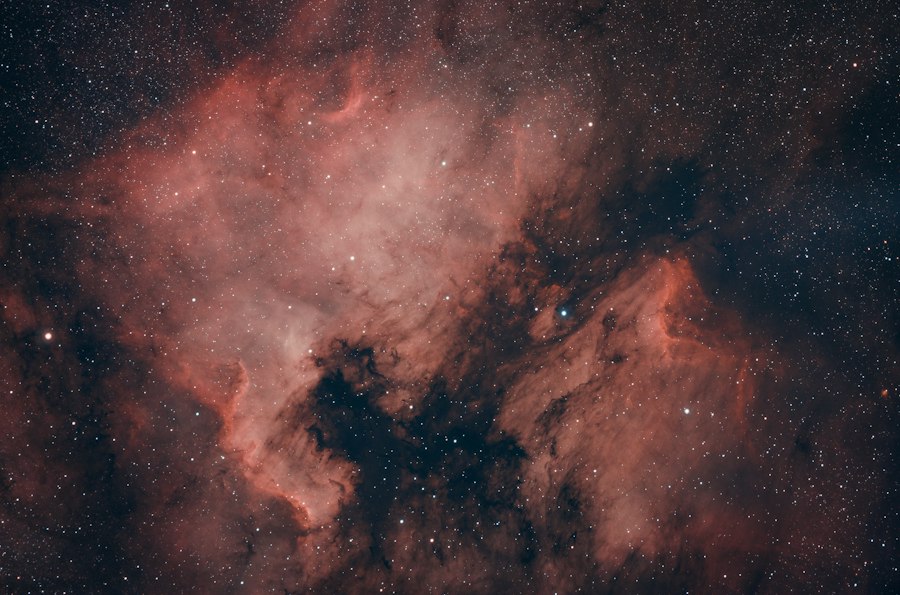
The dazzling displays of nebulae are not static paintings but dynamic interactions between light and matter. The way nebulae are illuminated dictates their appearance, color, and the scientific information they reveal about the processes occurring within them. Understanding these mechanisms is key to deciphering the stories written in starlight and cosmic gas.
Photoionization: The Energetic Kiss of Stars
Photoionization is the primary mechanism responsible for the illumination of emission nebulae. It occurs when energetic ultraviolet photons from hot, massive stars strike atoms within the gas cloud, stripping away electrons. These ionized atoms are in an excited state and, as they return to their ground state, they release energy in the form of photons of specific wavelengths, creating the visible light that we observe. The intensity and spectrum of the ionizing radiation determine the specific elements that become ionized and the resulting colors of the nebula.
Ultraviolet Radiation as the Primary Driver
The key ingredient for photoionization is ultraviolet (UV) radiation. Stars, particularly those with surface temperatures exceeding 10,000 Kelvin, emit copious amounts of UV light. When these stars are embedded within or in close proximity to gas clouds, their UV output can effectively ionize the surrounding hydrogen and other elements. The density of the gas cloud also plays a role; denser regions will absorb more UV radiation, leading to more intense ionization and brighter emissions.
Recombination and Emission Lines
Once an atom has been ionized, it can eventually capture a free electron and return to its neutral state. This process, known as recombination, often happens in stages, with the atom passing through various excited energy levels. As it transitions between these energy levels, it emits photons of specific wavelengths – the emission lines that give nebulae their characteristic colors. Each element has a unique set of emission lines, acting as a spectral fingerprint that allows astronomers to identify the composition of the nebula.
Rayleigh Scattering: The Blueish Veil of Dust
Rayleigh scattering is the phenomenon that illuminates reflection nebulae. It describes the scattering of electromagnetic radiation by particles much smaller than the wavelength of the radiation. In nebulae, the dust grains are significantly smaller than the wavelengths of visible light. When starlight encounters these dust grains, shorter wavelengths (blue and violet) are scattered much more effectively in all directions than longer wavelengths (red and orange).
The Preferential Scattering of Blue Light
The efficiency of scattering in Rayleigh scattering is inversely proportional to the fourth power of the wavelength. This means that blue light (shorter wavelength) is scattered approximately ten times more efficiently than red light (longer wavelength). Consequently, the light we see scattered by the dust in reflection nebulae is predominantly blue, giving them their characteristic ethereal glow. This is the same physical principle that makes Earth’s sky appear blue.
Absorption and Extinction: The Darker Side of Dust
While scattering makes nebulae visible, dust also plays a significant role in absorbing starlight. This absorption, known as extinction, can dim or completely obscure the light from stars behind the dust cloud. Dense dust clouds can be effectively opaque, creating the dark nebulae that are visually striking for their absence of light. The interplay between scattering and absorption by dust is crucial in shaping the overall appearance and structure of nebulae.
Nebulae as Cosmic Laboratories: Unveiling Stellar Evolution and Chemistry
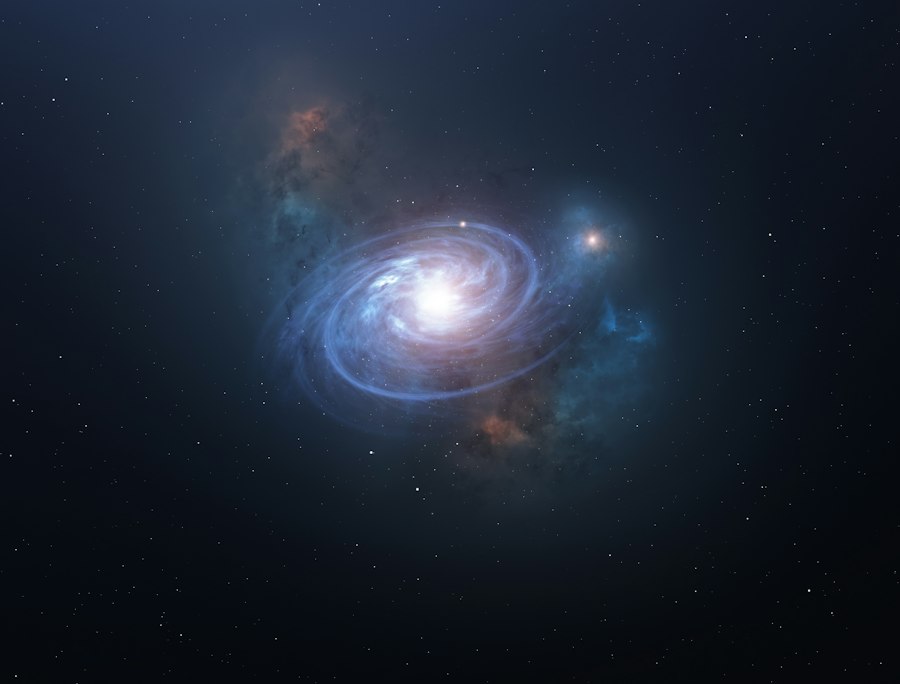
Nebulae are not merely celestial adornments; they are dynamic laboratories that offer profound insights into the fundamental processes of stellar evolution, galactic chemistry, and the very origins of the universe. By studying the light and gas within these cosmic clouds, astronomers can piece together the life cycles of stars and the intricate chemical makeup of the cosmos.
The Stellar Lifecycle: Birth, Life, and Death
Nebulae are intimately connected to the stellar lifecycle at every stage. Emission nebulae, like H II regions, are the stellar nurseries where new stars are born from the collapse of dense gas and dust. As stars evolve, they influence their surrounding nebulae. Massive stars, in their final moments, can create stunning planetary nebulae, while supernova explosions, the dramatic deaths of massive stars, can trigger the formation of new nebulae and seed the interstellar medium with heavier elements.
From Protostars to Main Sequence: The Genesis of Stars
The journey of a star begins within the dense cores of nebulae. Gravity pulls gas and dust together, causing the core to collapse and heat up. This process eventually ignites nuclear fusion in the core, marking the birth of a protostar. As the protostar continues to accrete material, it eventually becomes a main-sequence star, a stable phase where it generates energy by fusing hydrogen into helium. The surrounding nebulosity provides the raw material for this process.
The Fading Radiance: Stellar Death and Remnants
When stars exhaust their nuclear fuel, they undergo dramatic transformations. Low- to intermediate-mass stars shed their outer layers, forming beautiful planetary nebulae, while their cores collapse into white dwarfs. Massive stars, on the other hand, end their lives in cataclysmic supernova explosions, scattering heavy elements forged in their cores into the interstellar medium. These elements, in turn, contribute to the composition of future nebulae and stars.
Interstellar Chemistry: The Building Blocks of Life
The chemical composition of nebulae provides a direct record of the elements present in the interstellar medium. This chemical inventory is crucial for understanding the formation of planets and the origins of life. Spectroscopic analysis of nebular light allows astronomers to identify the presence and abundance of various elements and molecules.
The Elemental Fingerprints: Spectroscopy of Nebulae
Spectroscopy is the cornerstone of nebular chemistry. By dispersing the light from a nebula into its constituent wavelengths, astronomers can identify the characteristic spectral lines emitted or absorbed by different elements and molecules. These spectral “fingerprints” reveal the precise chemical composition of the nebula, including the abundance of elements like hydrogen, helium, oxygen, nitrogen, carbon, and sulfur, as well as more complex molecules.
The Formation of Complex Molecules: Precursors to Planets
Nebulae are not just bags of simple atoms; they also contain a surprising array of complex molecules, including water, carbon monoxide, and even organic compounds. These molecules form in the cold, dense regions of nebulae, often on the surfaces of dust grains. The presence of these molecules is significant because they are the chemical precursors to planets and, potentially, life itself. Studying their formation and distribution in nebulae helps us understand the conditions under which planetary systems form.
The vibrant colors of nebulae captured in photographs are often a result of the various gases and dust present in these cosmic clouds, which emit light at different wavelengths. For a deeper understanding of this phenomenon, you can explore a related article that delves into the science behind these stunning visuals. The article explains how different elements contribute to the overall color palette we see in images of nebulae. To learn more about this fascinating topic, check out the article here.
Observing the Universe’s Masterpieces: Telescopes and Techniques
| Reason | Explanation |
|---|---|
| Composition of Gases | Nebulae are made up of different gases such as hydrogen, helium, and oxygen, which emit light at specific wavelengths, creating colorful hues. |
| Temperature Variations | Different temperatures within the nebulae cause the gases to emit light at varying wavelengths, resulting in a colorful appearance. |
| Interaction with Radiation | Nebulae can interact with nearby stars or other sources of radiation, causing the gases to fluoresce and produce vibrant colors. |
| Dust and Debris | The presence of dust and debris within the nebulae can scatter light, creating colorful visual effects in photographs. |
The breathtaking beauty of nebulae, often too faint and distant to be seen with the naked eye, is brought to us through the marvels of modern astronomical instrumentation. Powerful telescopes, equipped with sophisticated detectors and filters, allow us to peer into these cosmic wonders and unlock their secrets. The techniques employed by astronomers are as diverse as the nebulae themselves, each designed to capture specific aspects of their light and structure.
Ground-Based Telescopes: Capturing Terrestrial Views
Ground-based telescopes, situated in locations with clear skies and minimal light pollution, have been instrumental in our early exploration of nebulae. These powerful instruments, with their large mirrors, collect vast amounts of light, allowing for detailed observations of nebular structures and compositions. Advances in adaptive optics have further improved their capabilities, correcting for atmospheric distortions and delivering sharper images.
The Power of Large Apertures: Collecting More Light
The fundamental principle of any optical telescope is its aperture – the diameter of its primary mirror or lens. A larger aperture allows the telescope to collect more light, which is crucial for observing faint and distant objects like nebulae. Large ground-based telescopes, with mirrors measuring several meters in diameter, can gather enough light to resolve intricate details within these celestial clouds.
Adaptive Optics: Sharpening the Cosmic View
The Earth’s atmosphere, while essential for life, distorts starlight, causing images to appear blurry. Adaptive optics systems use deformable mirrors to counteract these atmospheric distortions in real-time, delivering much sharper and clearer images. This technology has revolutionized ground-based astronomy, allowing for observations that were once only possible with space telescopes.
Space Telescopes: Unhindered Views of the Cosmos
Space telescopes, orbiting above the distorting effects of Earth’s atmosphere, offer an unparalleled vantage point for observing nebulae. These observatories can capture a wider range of the electromagnetic spectrum, including ultraviolet and infrared light, which are crucial for studying nebular composition and temperature. The Hubble Space Telescope, in particular, has delivered some of the most iconic and breathtaking images of nebulae, transforming our understanding and appreciation of these cosmic wonders.
The Hubble Space Telescope: A Window to Wonder
The Hubble Space Telescope, launched in 1990, has been a game-changer in nebular observation. Its ability to capture high-resolution images across a broad spectrum of visible and ultraviolet light has revealed nebulae in unprecedented detail. Hubble’s stunning photographs have not only captivated the public imagination but have also provided invaluable data for scientific research, revealing intricate structures, the birth of stars, and the chemical makeup of these celestial nurseries.
Infrared and Radio Telescopes: Peering Through the Dust
While optical telescopes reveal the visible light from nebulae, infrared and radio telescopes are essential for studying their cooler, dustier components. Infrared light can penetrate the obscuring dust clouds that block visible light, allowing astronomers to see into the hearts of star-forming regions. Radio telescopes can detect the emissions from molecules within nebulae, providing information about their temperature, density, and chemical composition. Together, these different types of telescopes provide a comprehensive picture of the complex and beautiful nature of nebulae.
Spectrographic Analysis: Decoding the Chemical Composition
Spectroscopy is not just a technique for space telescopes; it is a fundamental tool for all nebular research. By analyzing the spectrum of light emitted by a nebula, astronomers can determine its chemical composition, temperature, density, and the velocity of its gas. This information is crucial for understanding the physical processes occurring within these celestial clouds and for tracing the history of the universe.
Unraveling the Elemental Makeup
As previously discussed, the unique emission lines of different elements act as spectral fingerprints. By analyzing these lines, astronomers can precisely identify which elements are present in a nebula and in what quantities. This allows them to understand the chemical evolution of the galaxy, as nebulae are enriched with heavier elements produced by stars.
Measuring Velocity and Dynamics: The Cosmic Flow
Beyond composition, spectral analysis can also reveal the motion of gas within nebulae. The Doppler effect, where the wavelength of light is shifted depending on the relative motion of the source and observer, allows astronomers to measure the velocity of different parts of a nebula. This information is vital for understanding the dynamics of star formation, the expansion of supernova remnants, and the overall evolution of these cosmic structures. The vibrant beauty of nebulae is a constant reminder of the dynamic, ever-changing nature of our universe, a testament to the enduring power of light and the fundamental role of gas in shaping cosmic wonders.
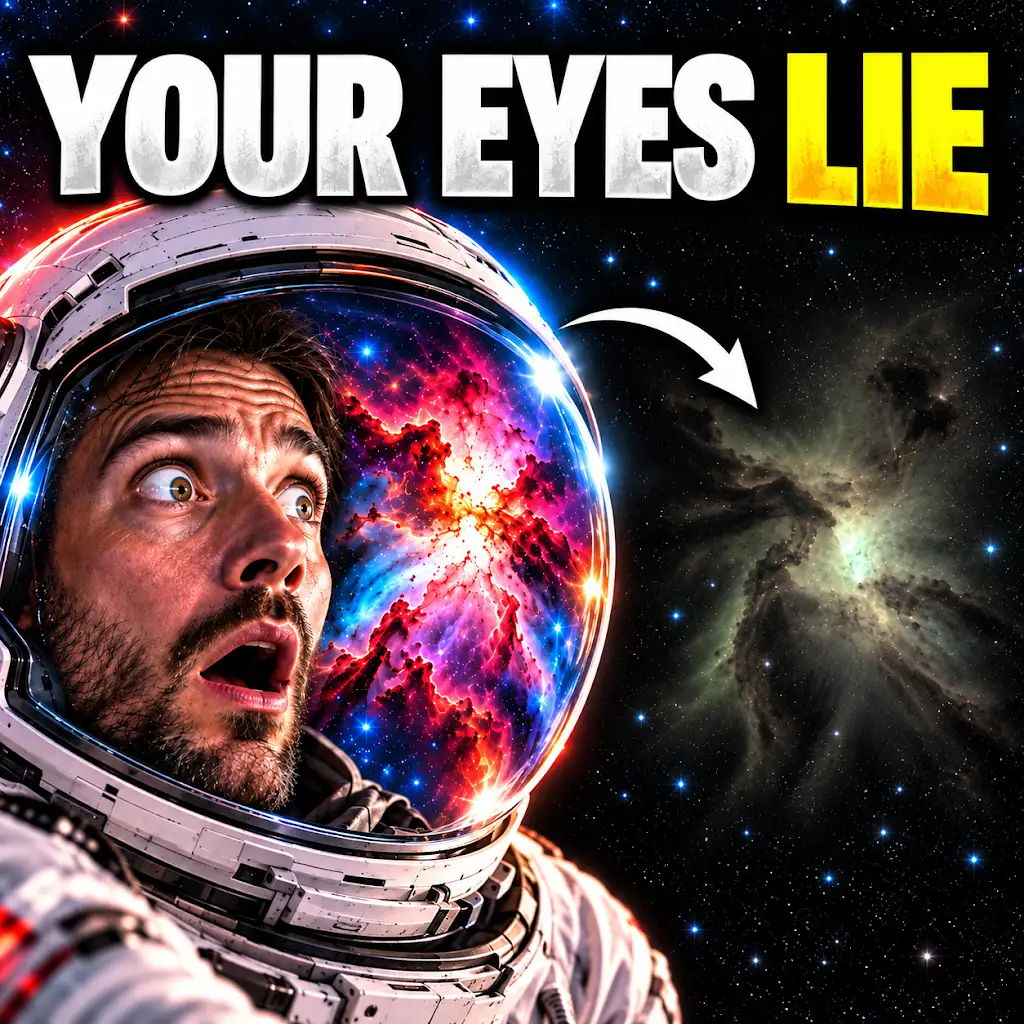
The Space Photos Are Real—But Your Eyes Would See This
FAQs
1. Why do nebulae look colorful in photographs?
Nebulae appear colorful in photographs due to the presence of different gases and elements within them. These gases emit light at specific wavelengths, creating the vibrant colors seen in images.
2. What causes the different colors in nebulae photographs?
The different colors in nebulae photographs are caused by the emission of light from ionized gases such as hydrogen (red), oxygen (green), and sulfur (blue). These gases interact with radiation from nearby stars, producing the colorful hues.
3. Are the colors in nebulae photographs real or enhanced?
The colors in nebulae photographs are real and not artificially enhanced. The colors represent the actual emissions of light from the gases and elements present in the nebulae, captured using specialized filters and imaging techniques.
4. Can the human eye see the same colors in nebulae as seen in photographs?
The human eye is not able to perceive the same vibrant colors in nebulae as seen in photographs. This is because the light emitted by the gases in nebulae is often faint and spread out, making it difficult for the human eye to discern the specific colors.
5. Do all nebulae exhibit colorful appearances in photographs?
Not all nebulae exhibit colorful appearances in photographs. The colors seen in nebulae photographs depend on the types and concentrations of gases present, as well as the intensity of radiation from nearby stars. Some nebulae may appear predominantly red, while others may exhibit a range of colors.