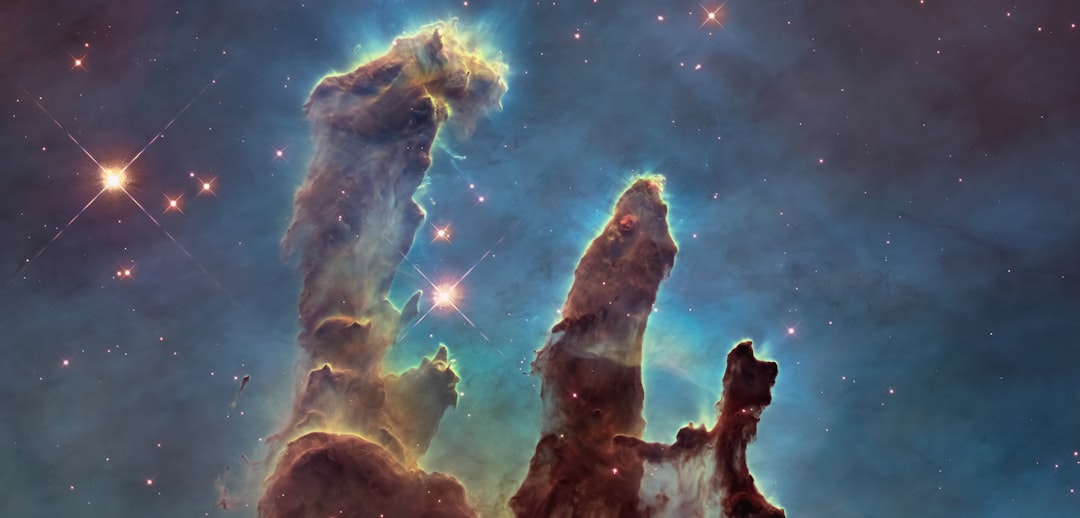
The cosmos, in its infinite expanse, holds wonders that stretch the human imagination beyond its earthly confines. Among these celestial marvels, nebulas stand out as particularly captivating, painted across the void with breathtaking hues and intricate structures. These vast clouds of gas and dust, remnants of stellar life and nurseries for new stars, offer a spectacular display of cosmic colors that have inspired awe and scientific inquiry for centuries. To truly unveil the beauty of nebulas is to embark on a journey through the very essence of star formation and stellar evolution, witnessing the raw materials of the universe in their most vibrant and dynamic forms.
Nebulas are not mere static patches of light in the night sky; they are dynamic and evolving cosmic entities. The word “nebula” itself originates from the Latin word for “cloud,” a fitting description for these diffuse interstellar objects. However, to call them simple clouds would be an understatement. They are colossal, intricate structures composed primarily of ionized hydrogen gas, along with helium and trace amounts of heavier elements like oxygen, nitrogen, and sulfur. Intertwined within this gaseous matrix are vast quantities of cosmic dust – microscopic particles of silicates, carbon, and ice – that play a crucial role in shaping their appearance and influencing stellar processes.
Different Types of Nebulas: A Categorization of Cosmic Wonders
The diversity of nebulas is as remarkable as their beauty. Scientists categorize them based on their composition, formation, and how they interact with light. This classification helps astronomers understand the complex processes occurring within them and their role in the grand cosmic narrative.
Emission Nebulas: The Luminous Laboratories
Emission nebulas are perhaps the most visually striking, glowing with vibrant colors due to the energetic interactions between the gas and nearby stars. These nebulas are typically found in regions where young, hot stars are born.
Ionization and Excitation: The Source of Their Glow
The brilliance of emission nebulas stems from a process known as ionization and excitation. Young, massive stars, often referred to as O-type or B-type stars, emit vast amounts of ultraviolet radiation. When this high-energy radiation encounters the hydrogen gas within a nebula, it strips electrons from the hydrogen atoms, creating positively charged ions and free electrons. These ionized particles are in a highly energetic state. As they recombine or as electrons transition to lower energy levels, they release photons of light. The specific wavelengths of these emitted photons determine the colors we observe.
The Characteristic Colors of Emission Nebulas: A Palette of the Cosmos
The most common and vibrant colors seen in emission nebulas are a testament to the elemental composition of these cosmic clouds and the physics of light emission.
- Red: This dominant hue in many emission nebulas, like the Orion Nebula, is primarily due to the emission of light by ionized hydrogen. When an electron recombines with a proton in a hydrogen atom, it can emit light at a wavelength of 656.3 nanometers, which falls within the red part of the visible spectrum. This specific emission line is known as H-alpha.
- Green: The striking green color often observed in emission nebulas is typically produced by ionized oxygen. When an oxygen atom loses two electrons (becomes O III), it can emit light at wavelengths of 500.7 and 495.9 nanometers. These wavelengths correspond to green light. The presence of oxygen is a direct indicator of the chemical enrichment of interstellar gas, a result of previous generations of stars.
- Blue/Purple: While less common as the primary color, blue and purple hues can arise from various processes, including the emission from doubly ionized oxygen at shorter wavelengths, or sometimes from the scattering of light from very hot, blue stars. In some instances, the combination of red and blue light can create a purplish or violet appearance.
Examples of Iconic Emission Nebulas: Celestial Masterpieces
The universe is dotted with countless emission nebulas, each a unique masterpiece. Some of the most famous include:
- The Orion Nebula (M42): Located in the constellation Orion, this is one of the brightest and most well-known nebulas in the sky, visible even to the naked eye. It serves as a prime example of an active star-forming region, teeming with young stars and intricate gas structures.
- The Lagoon Nebula (M8): Another vast and luminous nebula, the Lagoon Nebula showcases a stunning combination of red and blue hues, with regions of star formation clearly visible.
- The Trifid Nebula (M20): This nebula is a triple threat, featuring a prominent emission nebula section intertwined with a reflection nebula and dark dust lanes, creating a remarkably complex and beautiful image.
Reflection Nebulas: Cosmic Mirrors
Unlike emission nebulas that generate their own light, reflection nebulas are illuminated by the light of nearby stars that they scatter. These nebulas often appear blue because the dust particles within them preferentially scatter shorter, bluer wavelengths of light.
The Physics of Scattering: Why Blue Dominates
The blue color of reflection nebulas is a result of Rayleigh scattering, the same phenomenon that makes Earth’s sky appear blue. Dust grains within the nebula are much smaller than the wavelengths of visible light. When light from a star strikes these dust particles, it is scattered in all directions. Shorter wavelengths, like blue light, are scattered more effectively than longer wavelengths, like red light. Consequently, our eyes perceive the scattered light as predominantly blue.
The Dual Nature of Some Nebulas: Interplay of Emission and Reflection
It is important to note that some nebulas exhibit both emission and reflection characteristics. For instance, the Trifid Nebula, mentioned earlier, has a prominent red emission component alongside its blue reflection nebula. This interplay of light sources and scattering mechanisms adds further complexity and visual richness to these cosmic objects.
Notable Reflection Nebulas: Glimmering Cosmic Dust
While often seen in conjunction with emission nebulas, some regions are predominantly reflection nebulas, offering a different kind of celestial artistry.
- The Pleiades Nebula (M45): The faint, ethereal nebulosity surrounding the Pleiades star cluster is a classic example of a reflection nebula, highlighting the beauty of starlight interacting with interstellar dust.
- The Witch Head Nebula: This striking nebula, resembling the profile of a witch’s head, is a reflection nebula illuminated by Rigel, a bright blue supergiant star in the constellation Orion.
Dark Nebulas: Silhouettes Against the Cosmic Canvas
Dark nebulas, also known as absorption nebulas, are dense clouds of gas and dust that are so opaque they block out the light from background stars and nebulas. They appear as dark patches or silhouettes against the brighter backdrop of the Milky Way or other luminous celestial objects.
The Obscuring Power of Dust: Hiding the Light
The defining characteristic of dark nebulas is their density. The concentration of dust particles is high enough to absorb and scatter visible light, preventing it from reaching us. These clouds are essentially the opaque curtains of the cosmos, obscuring the wonders behind them.
Revealing the Hidden: Studying the Unseen
While dark nebulas may appear empty, they are rich in the raw materials for star formation. By observing the way they absorb light at different wavelengths, particularly in the infrared and radio spectrum, astronomers can infer their composition, temperature, and density. These observations are crucial for understanding the initial stages of star birth.
Famous Dark Nebulas: The Night Sky’s Own Shadows
Some of the most prominent dark nebulas are easily recognizable features in our night sky.
- The Horsehead Nebula (IC 434): This iconic dark nebula, located in the constellation Orion, is a classic example, its horse-like shape silhouetted against a bright red emission nebula behind it.
- The Coalsack Nebula: A prominent dark patch in the Southern Hemisphere’s night sky, the Coalsack Nebula is a striking example of an absorption nebula against the luminous band of the Milky Way.
Planetary Nebulas: The Dying Echoes of Stars
Despite their name, planetary nebulas have nothing to do with planets. They are the beautiful, glowing shells of gas ejected by dying, Sun-like stars towards the end of their lives. These nebulae are often characterized by intricate, symmetrical shapes.
The Life and Death of a Star: The Formation Process
When a star like our Sun exhausts its nuclear fuel, it undergoes a series of dramatic changes. It expands into a red giant, then sheds its outer layers of gas into space. The hot, dense core of the star, now a white dwarf, emits intense ultraviolet radiation that ionizes the expelled gas, causing it to glow.
The Diverse Shapes of Planetary Nebulas: Cosmic Sculptures
The shapes of planetary nebulas are incredibly diverse and often reveal the complex physical processes at play during their formation. They can be spherical, elliptical, bipolar (hourglass-shaped), or even more complex, with jets and intricate filamentary structures.
The Colors of Planetary Nebulas: A Spectrum of Stellar Endings
The colors of planetary nebulas are determined by the elements present in the ejected gas and the intensity of the ultraviolet radiation from the central white dwarf.
- Red: As with emission nebulas, ionized hydrogen (H-alpha) contributes significantly to the red hues.
- Green and Blue: Ionized oxygen and nitrogen are also common, producing green and blue colors. The specific ratios of these elements and their ionization states dictate the final color palette.
Notable Planetary Nebulas: Artistic Last Gasp
These celestial farewells are some of the most aesthetically pleasing objects in the sky.
- The Ring Nebula (M57): A classic and stunning example of a planetary nebula, the Ring Nebula’s nearly perfect circular shape and vibrant colors have made it a favorite among astronomers and stargazers.
- The Helix Nebula (NGC 7293): Often dubbed the “Eye of God” due to its striking resemblance to a human eye, the Helix Nebula is a large and complex planetary nebula with intricate structures and vivid colors.
If you’re curious about what a nebula would look like to the human eye, you might find it fascinating to explore the article on Freaky Science. This article delves into the vibrant colors and intricate shapes of nebulae, explaining how they would appear if we could see them up close without the interference of light pollution or atmospheric conditions. It provides a vivid description of these cosmic wonders, enhancing our understanding of their beauty and complexity in the universe.
The Tapestry of Stellar Life Cycles: Nebulas as Cosmic Nurseries and Graveyards
Nebulas are not just beautiful spectacles; they are fundamental components of the cosmic cycle of matter. They serve as both the birthplace of stars and the remnants of their demise, embodying the continuous process of creation and destruction that shapes the universe.
Star Formation: From Cosmic Clouds to Stellar Incandescence
The birth of stars is one of the most awe-inspiring processes in the universe, and nebulas are the primary crucibles where this magic happens.
Gravitational Collapse: The Initial Spark
Within the vastness of nebulas, denser regions exist due to random fluctuations or external triggers like shockwaves from supernovae. When these denser regions reach a critical mass, gravity begins to pull the gas and dust inward. This gravitational collapse is the initial spark that ignites star formation.
Protostar Formation: The Embryo of a Star
As the cloud collapses, it spins faster due to conservation of angular momentum, forming a flattened disk around a central, increasingly dense core. This core, known as a protostar, is not yet a star in the true sense; it is still accreting material from the surrounding disk and has not yet begun nuclear fusion.
The Ignition of Fusion: A Star is Born
The protostar continues to contract under gravity, its core temperature and pressure rising steadily. When the core reaches a critical temperature of around 10 million Kelvin, nuclear fusion ignites. In this process, hydrogen atoms fuse to form helium, releasing immense amounts of energy in the form of light and heat. This outward pressure from fusion balances the inward pull of gravity, stabilizing the star.
The Influence of Nebulas on Star Formation: Shaping the Outcome
The characteristics of the nebula from which a star forms can significantly influence the resulting star and its planetary system.
- Mass Distribution: The distribution of mass within a nebula dictates the sizes and masses of the stars that form. Regions with more concentrated material will tend to produce more massive stars.
- Chemical Composition: The chemical composition of the nebula, influenced by previous generations of stars that enriched the interstellar medium with heavier elements, will be reflected in the composition of newly formed stars and their planets.
- Turbulence and Outflows: Turbulence within nebulas can lead to fragmentation, forming multiple stars. Stellar outflows from young stars can also carve out cavities and shape the surrounding nebula.
Stellar Death: Nebulas as Cosmic Legacies
When stars reach the end of their lives, they contribute to the cosmic tapestry in their own unique ways, often leaving behind spectacular nebulae.
Low-to-Intermediate Mass Stars: The Gentle Farewell
Stars like our Sun, with masses up to about eight times that of the Sun, end their lives by shedding their outer layers to form planetary nebulas. The remaining core collapses into a dense white dwarf, a stellar ember that slowly cools over billions of years.
Massive Stars: The Violent Swan Song
More massive stars, however, meet a more dramatic end. When they exhaust their nuclear fuel, their cores collapse catastrophically, leading to a supernova explosion. These explosions are incredibly energetic events that release vast amounts of energy and heavy elements into the interstellar medium, enriching the next generation of stars and planets. The remnants of supernovae can sometimes form supernova remnants, a type of nebula distinct from those formed by dying low-mass stars.
The Role of Nebulas in Understanding the Universe: windows into Cosmic Processes
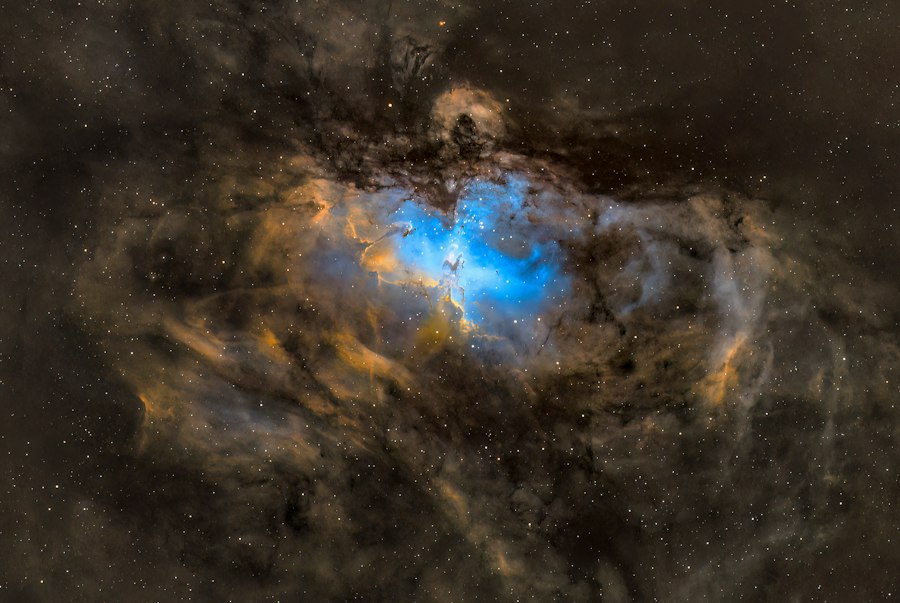
Nebulas are more than just visually stunning objects; they are invaluable tools for astronomers seeking to understand the fundamental processes that govern the universe. Their study provides insights into stellar evolution, the formation of galaxies, and the chemical enrichment of the cosmos.
Probing Stellar Evolution: Observing Cosmic Life Stages
Nebulas offer a unique opportunity to observe stars at different stages of their life cycles.
Birthplaces of Stars: Witnessing the Dawn of Stellar Luminosity
Emission nebulas, with their active star-forming regions, allow astronomers to study the early stages of stellar evolution, from the collapse of gas clouds to the ignition of nuclear fusion. This provides crucial data for understanding how stars are born and how they acquire their initial properties.
Stellar Adolescence and Maturity: Observing Stellar Activity
Reflection nebulas, illuminated by young and intermediate-aged stars, offer glimpses into the ongoing processes of stellar evolution, including the formation of protoplanetary disks around young stars.
Stellar Demise: The Colorful Endings of Stars
Planetary nebulas and supernova remnants provide direct evidence of stellar death. Studying their composition, dynamics, and expansion rates helps astronomers refine models of stellar evolution and understand the mechanisms of stellar death.
Galactic Chemical Evolution: The Cosmic Recycling Program
The elements that make up everything we see, including ourselves, were forged in the hearts of stars and dispersed throughout the universe by stellar death. Nebulas play a critical role in this cosmic recycling program.
Enrichment of the Interstellar Medium: The Building Blocks of New Worlds
As stars evolve and die, they release heavy elements – carbon, oxygen, nitrogen, iron, and many others – into the interstellar medium. These elements are then incorporated into new generations of nebulas. This process of chemical enrichment gradually increases the abundance of heavier elements in the universe over time.
The Importance of Nebular Composition: Fingerprints of Stellar History
The chemical composition of nebulas acts as a record of stellar nucleosynthesis and supernova explosions that have occurred in their vicinity. By analyzing the spectral lines of elements within nebulas, astronomers can determine their elemental abundances and infer the history of star formation and death in that region of the galaxy.
The Formation and Evolution of Galaxies: Nebulas as Interstellar Architects
Nebulas are not confined to individual star systems; they are integral components of galaxies, shaping their structure and evolution.
Galactic Nurseries: Fueling Star Formation Across Galaxies
Galaxies are filled with vast nebulae that serve as reservoirs of gas and dust, providing the raw material for ongoing star formation. The distribution and density of these nebulae within a galaxy influence its star formation rate and overall appearance.
Galactic Dynamics and Structure: Sculpting the Cosmic Landscape
The gravitational interactions between nebulas, stars, and dark matter can influence the dynamics and structure of galaxies. For instance, the collision of galaxies can trigger intense bursts of star formation within their nebulae.
Capturing Cosmic Beauty: The Role of Telescopes and Imaging
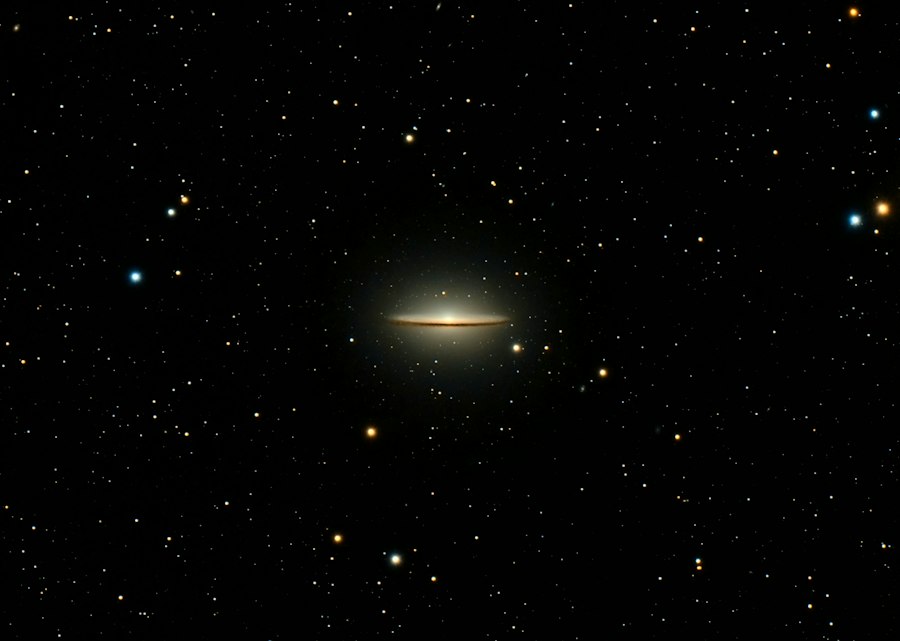
The breathtaking images of nebulas that so captivate the public imagination are a testament to the power of modern astronomical technology, particularly advanced telescopes and sophisticated imaging techniques.
The Evolution of Telescopic Observation: From Visual Glimpses to High-Resolution Imagery
Early astronomers relied on visual observation through telescopes, often sketching what they saw. While these observations were groundbreaking, they were limited by the resolution of the instruments and the sensitivity of the human eye.
Ground-Based Observatories: Pioneering Discoveries
Large ground-based telescopes, equipped with powerful optics and sensitive detectors, have been instrumental in the discovery and study of countless nebulas. These observatories allow for detailed spectroscopic analysis, revealing the chemical composition and physical conditions within nebulas.
Space Telescopes: Unveiling the Universe in New Light
Space telescopes, such as the Hubble Space Telescope, have revolutionized our understanding and appreciation of nebulas. By operating above Earth’s atmosphere, they are free from atmospheric distortion and absorption, allowing them to capture incredibly sharp and detailed images across a wide range of wavelengths.
The Hubble Space Telescope: A Gateway to Cosmic Art
Hubble’s iconic images of nebulas, often processed to highlight specific wavelengths of light, have become synonymous with the beauty of the cosmos. Its ability to capture stunning detail and vibrant colors has brought the wonders of nebulas into homes and classrooms worldwide.
- The Pillars of Creation (Eagle Nebula): One of Hubble’s most famous images, the Pillars of Creation, showcases colossal columns of interstellar gas and dust within the Eagle Nebula, where new stars are being born.
- The Carina Nebula: This vast star-forming region, captured by Hubble in exquisite detail, reveals a complex interplay of gas, dust, and young stars, painted with an array of vibrant colors.
The James Webb Space Telescope: A New Era of Discovery
The James Webb Space Telescope (JWST) represents the next frontier in astronomical observation. Its infrared capabilities allow it to peer deeper into dusty regions of nebulas, revealing previously hidden details of star formation and the early universe. JWST’s images promise to further expand our understanding and appreciation of cosmic beauty.
Imaging Techniques and Color Representation: Translating Cosmic Light into Visual Art
The colors we see in astronomical images of nebulas are often not what a human eye would perceive if it could see them directly. Astronomers use sophisticated imaging techniques to reveal the hidden beauty within these cosmic clouds.
Narrowband Imaging: Isolating Specific Emissions
In narrowband imaging, astronomers use filters that allow only specific wavelengths of light to pass through. This technique is crucial for isolating the light emitted by particular elements, such as hydrogen, oxygen, or sulfur. By assigning different colors to these specific emissions, astronomers can create composite images that highlight the structure and composition of nebulas in a scientifically meaningful way.
False Color and True Color: Different Perspectives on Cosmic Light
- True Color: Images intended to represent “true color” attempt to mimic how the human eye would perceive the nebula if it were visible and bright enough. This involves combining data from different filters to create a more natural-looking image.
- False Color: False color images are created by assigning arbitrary colors to specific wavelengths or data channels. This is often done to enhance the visibility of certain features, highlight temperature variations, or emphasize the distribution of specific elements. For example, in many popular images of emission nebulas, red represents hydrogen, green represents oxygen, and blue represents sulfur. This is a common convention, but it is important to remember that these colors are assigned for scientific and aesthetic purposes and do not represent the actual colors the elements would emit in isolation.
The Artistic Interpretation of Scientific Data: Bridging Science and Aesthetics
The processing of astronomical images is a delicate balance between scientific accuracy and artistic presentation. While the underlying data is scientific, the way it is rendered can significantly impact its aesthetic appeal. This collaboration between scientists and image processors allows for the creation of images that are both informative and breathtakingly beautiful, fostering a deeper connection between the public and the wonders of the universe.
When considering the breathtaking beauty of a nebula, one can only imagine how it would appear to the human eye if we were able to witness it up close. The vibrant colors and intricate patterns created by the gases and dust in these cosmic clouds would likely leave us in awe. For a deeper understanding of what a nebula might look like to us, you can explore a related article that delves into the fascinating details of these celestial wonders. Check it out here to enhance your appreciation of the universe’s artistry.
The Enduring Fascination with Nebulas: Inspiring Wonder and Exploration
| Aspect | Description |
|---|---|
| Color | Nebulae can appear in various colors such as red, blue, green, and purple due to the gases and elements present. |
| Shape | Nebulae can have different shapes including irregular, round, and elongated structures. |
| Size | Nebulae can vary in size from a few light-years across to hundreds of light-years in diameter. |
| Visibility | Some nebulae are visible to the naked eye, while others require telescopes or long-exposure photography to be seen. |
The allure of nebulas is undeniable. They evoke a sense of the sublime, reminding us of our place in a vast and ancient cosmos. Their beauty transcends language and culture, inspiring a deep-seated human desire to explore and understand the universe around us.
A Source of Artistic Inspiration: From Painters to Poets
The swirling colors and ethereal forms of nebulas have long served as a muse for artists across various disciplines. Painters have sought to capture their luminous grandeur, while poets have woven their imagery into verses that speak of the infinite and the unknown. The cosmic canvas of nebulas offers a boundless source of creative inspiration.
Fueling Scientific Curiosity: The Quest for Knowledge
Beyond their aesthetic appeal, nebulas are critical laboratories for scientific research. The ongoing study of these celestial objects continues to push the boundaries of our knowledge, revealing new insights into the fundamental laws of physics and the intricate workings of the universe.
The Future of Nebular Exploration: New Discoveries Await
With the advent of more powerful telescopes and advanced observational techniques, the future of nebular exploration holds immense promise. We can anticipate further discoveries that will deepen our understanding of star formation, planetary system development, and the very origins of the elements that compose our world. Each new image, each new spectral analysis, brings us closer to unraveling the mysteries held within these spectacular displays of cosmic color. The beauty of nebulas is not just in their present magnificence, but in the ongoing journey of discovery they inspire.
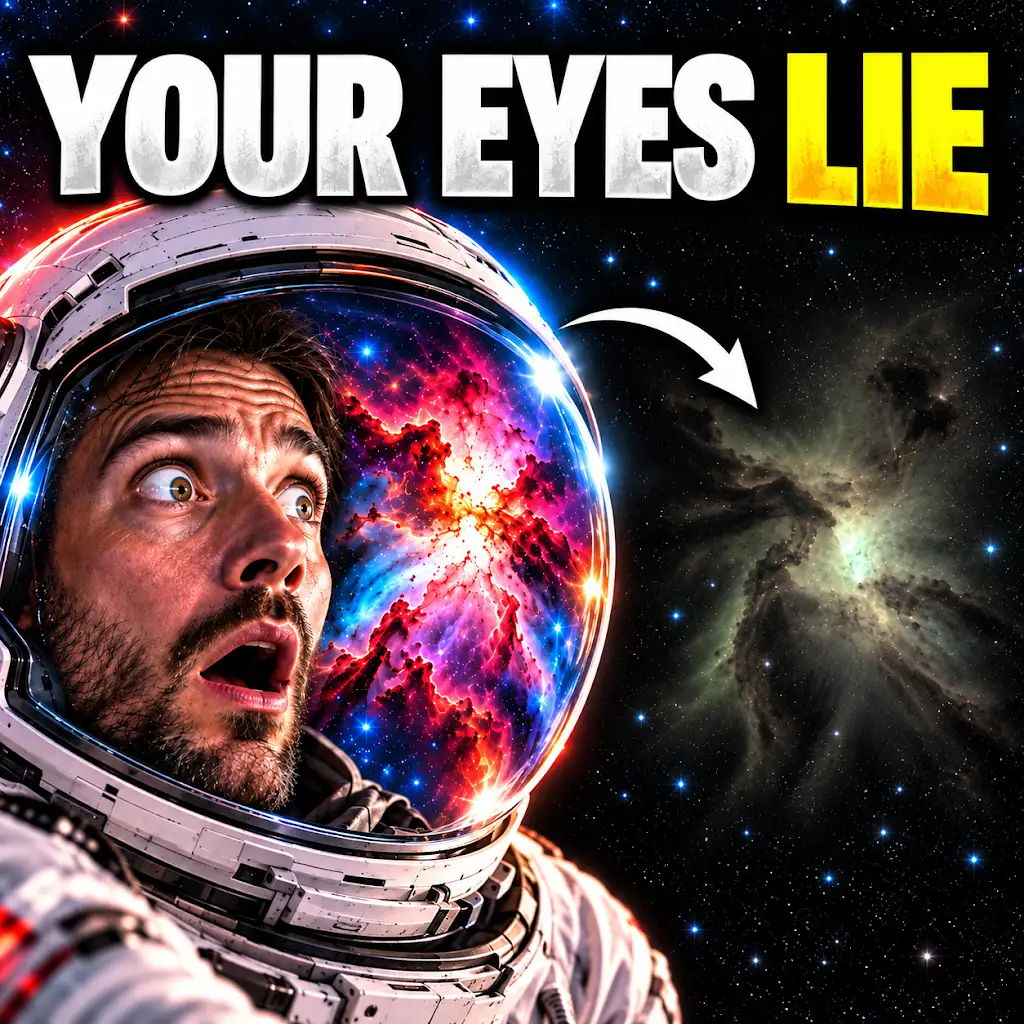
The Space Photos Are Real—But Your Eyes Would See This
FAQs
1. What is a nebula?
A nebula is a cloud of gas and dust in outer space, visible either as an indistinct bright patch or as a dark silhouette against other luminous matter.
2. How do nebulae appear to human eyes?
Nebulae appear as faint, hazy patches of light to human eyes. They are often not as vibrant and colorful as depicted in photographs taken by telescopes.
3. Why do nebulae appear differently in photographs compared to human eyes?
Photographs of nebulae are often taken using long exposure times and specialized filters, which can capture the faint light and reveal the vibrant colors that are not visible to the human eye.
4. Can humans see any color in a nebula with the naked eye?
Some nebulae may appear slightly colored to human eyes, but the colors are often subtle and not as vivid as seen in photographs. The human eye is not as sensitive to color in low-light conditions.
5. Are there any specific nebulae that are visible to the naked eye from Earth?
Yes, the Orion Nebula (M42) is one of the few nebulae that is visible to the naked eye from Earth. It appears as a faint patch of light in the constellation of Orion.