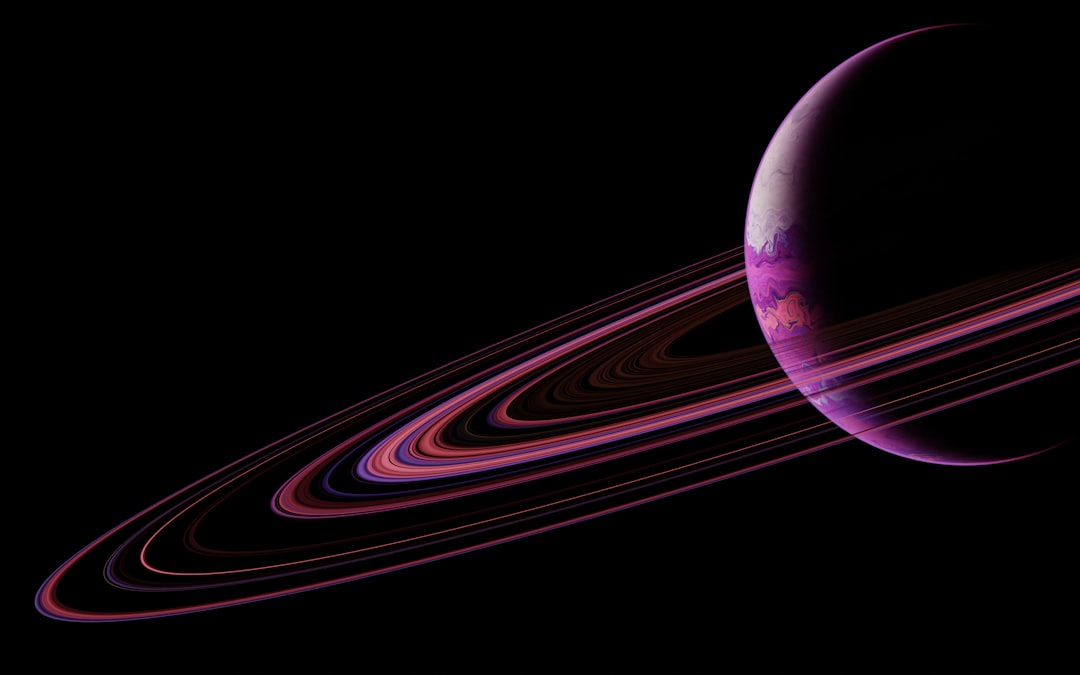
The awe-inspiring images returned from the depths of space, from nebulae painted in impossibly vibrant hues to distant galaxies glowing with an ethereal light, have captivated humanity for decades. These photographs are not merely beautiful; they are windows into the cosmos, offering us unprecedented glimpses of phenomena far beyond our terrestrial experience. However, a curious observation often arises: why do these celestial vistas sometimes appear so strikingly different from how we might imagine them, or even from what our own eyes would perceive if we were somehow present? The answer lies not in an artistic choice by space agencies, but in the fundamental science of spectral sensitivity – the way our eyes and the cameras of space telescopes alike perceive and record light across the electromagnetic spectrum.
The Electromagnetic Spectrum: A Rainbow Beyond Our Sight
Light, as we commonly understand it, is the visible portion of a much larger and more comprehensive phenomenon: the electromagnetic spectrum. This spectrum encompasses a vast range of energies and wavelengths, from the extremely long radio waves used for broadcasting to the incredibly short and energetic gamma rays associated with nuclear processes. Our human eyes, remarkably evolved for survival and interaction within Earth’s specific environment, are tuned to perceive only a very narrow sliver of this spectrum – what we call visible light. This visible light is further broken down into the colors of the rainbow: red, orange, yellow, green, blue, indigo, and violet.
Our perception of these colors is determined by the wavelengths of light that reach our eyes. Red light has the longest wavelength and lowest energy, while violet light has the shortest wavelength and highest energy. The interaction of light with the photoreceptor cells in our retinas, specifically rods and cones, translates these wavelengths into the signals our brains interpret as color. However, the universe is not confined to this limited visual band. Much of the cosmos emits and interacts with radiation across the entire electromagnetic spectrum, including infrared, ultraviolet, X-rays, and radio waves, all of which are invisible to the naked human eye.
Space photos often appear vastly different from what the human eye perceives due to the use of specialized imaging techniques and equipment that capture a broader spectrum of light, including infrared and ultraviolet wavelengths. For a deeper understanding of why these images look so unique and how they are processed to enhance their colors and details, you can explore a related article at Freaky Science. This resource delves into the science behind space photography and the technology that allows us to see the universe in such vivid detail.
The Limitations of Human Vision: A Narrow Window on the Universe
The primary reason why space photographs often look so different from what we might anticipate is that our visual system is inherently limited. It has evolved to detect what is most relevant for survival on Earth – distinguishing predators, finding food, and navigating our immediate surroundings. This evolutionary imperative has resulted in a spectral sensitivity curve that peaks in the green-yellow portion of the visible spectrum, with sensitivity decreasing towards the red and blue ends. This means we are most sensitive to the light that our Sun primarily emits.
Furthermore, our eyes have a dynamic range that is impressive for terrestrial conditions, but it pales in comparison to the vast differences in brightness and intensity found in space. The extreme contrast between a brilliantly shining star and the faint glow of a distant nebula would overwhelm our eyes, rendering many details imperceptible. Our brains also play a crucial role in interpreting the information received by our eyes. We unconsciously adjust for ambient light, focus on specific details, and filter out irrelevant stimuli. These sophisticated perceptual processes are absent when interpreting raw data from a space telescope.
The Cone Cells: Our Color Detectors
- Red Cones: Sensitive to longer wavelengths of light.
- Green Cones: Sensitive to medium wavelengths of light.
- Blue Cones: Sensitive to shorter wavelengths of light.
The brain compares the signals from these three types of cones to perceive the full spectrum of visible colors. However, if the light source emits predominantly in wavelengths our cones are not sensitive to, the resulting perception will be limited.
The Rod Cells: Our Low-Light Specialists
- Rods: Primarily responsible for vision in low-light conditions. They do not detect color, contributing to our ability to see in shades of gray at night. While crucial for navigating in darkness, they offer no color information, further emphasizing the limited spectral range of human vision.
Capturing the Unseen: Telescopes as Extended Senses
Space telescopes, unlike our eyes, are designed to be far more comprehensive observers of the universe. They are equipped with a variety of instruments capable of detecting radiation across a much broader swathe of the electromagnetic spectrum. This includes specialized cameras and sensors that can register infrared light, ultraviolet radiation, X-rays, and radio waves, all of which carry vital information about celestial objects and phenomena.
When we see stunning images of nebulae, star-forming regions, or the remnants of supernovas, these are often not direct photographs in the way we might take a picture with a handheld camera. Instead, they are sophisticated visualizations derived from data collected by these instruments. The process involves capturing radiation in these invisible parts of the spectrum and then translating that data into visible light that our eyes can comprehend. This translation process is where the magic, and often the surprising differences, occur.
Infrared Cameras: Peering Through Dust and Seeing Heat
- Principle: Infrared radiation is essentially heat. Objects that are cooler than the stars emit in the infrared spectrum.
- Application in Space: Dust clouds, which often obscure visible light from stars and galaxies, are relatively transparent to infrared radiation. This allows telescopes to see through these obscuring veils and observe the formation of stars and planets hidden within.
- Color Representation: Scientists assign visible colors to represent different infrared wavelengths. For example, longer infrared wavelengths might be mapped to red, while shorter ones are mapped to blue. This mapping is not arbitrary but is chosen to highlight specific features and chemical compositions.
Ultraviolet and X-ray Telescopes: Witnessing High-Energy Events
- Principle: Ultraviolet, X-ray, and gamma-ray radiation are all forms of high-energy electromagnetic radiation, typically emitted by very hot or energetic celestial objects like active galaxies, black holes, and the remnants of exploding stars.
- Application in Space: These wavelengths provide insights into extreme cosmic events that are invisible in visible light. They can reveal the processes occurring around black holes, the magnetic fields of stars, and the composition of hot gas in galaxy clusters.
- Color Representation: Similar to infrared, data from these telescopes are translated into visible colors to create representative images. The colors chosen are often based on the energy levels of the radiation detected.
The Art and Science of Colorization: Translating Invisible Light
The vibrant colors that populate space images are rarely the direct colors that would be perceived by a human eye at that location. Instead, they are the result of a carefully considered process of data visualization, where invisible wavelengths are assigned visible colors. This “colorization” is not arbitrary; it’s a scientific tool used to highlight specific features, differentiate between different chemical compositions, or reveal variations in temperature or energy.
Scientists use various techniques to assign these colors. One common method is to map different wavelengths of infrared, ultraviolet, or X-ray light to the red, green, and blue channels of a visible image. For instance, if an infrared telescope detects strong emission at a particular wavelength associated with hydrogen gas, that wavelength might be assigned to the red channel. If another wavelength, perhaps indicative of oxygen, is detected, it might be mapped to blue. This allows astronomers to visually distinguish between different elements or compounds within a celestial object.
Another approach involves mapping the intensity of radiation to brightness. Brighter regions in the translated image correspond to areas with higher radiation levels in the original, invisible spectrum. This helps to convey the intensity of cosmic processes and the relative abundance of different components. The choices made in colorization are crucial for conveying scientific information effectively. Different color palettes can emphasize different aspects of the data, and scientists must carefully consider what features they want to bring to the forefront for viewers and researchers alike.
False Color: Revealing the Invisible
- Definition: “False color” refers to the assignment of visible colors to non-visible wavelengths of light or to data that has no inherent color.
- Purpose: It is a technique to make scientific data accessible and interpretable to the human eye. It allows us to see phenomena that would otherwise be invisible.
- Examples: The iconic “Pillars of Creation” image from the Hubble Space Telescope, which shows vibrant reds, blues, and greens, is a prime example of false coloring. These colors represent different elements and ionization states of gas, not the colors a human would perceive.
True Color vs. Representative Color
- True Color: Images that attempt to represent the colors as a human eye would perceive them, primarily using data from the visible light spectrum. Even these can be adjusted for brightness and contrast.
- Representative Color: Images that use false coloring to highlight specific scientific information, often combining data from multiple parts of the electromagnetic spectrum. Most striking astronomical images fall into this category.
When we look at stunning images of space, they often appear much more vibrant and colorful than what we would see with the naked eye. This difference arises from the way cameras capture light and the techniques used to process these images. For a deeper understanding of this phenomenon, you can explore a related article that explains the science behind these captivating visuals. The article highlights how various wavelengths of light are captured and transformed, making the cosmos look even more extraordinary. To learn more, check out this insightful piece on Freaky Science.
Beyond Visible Light: Unlocking Cosmic Secrets
The true power of space photography lies in its ability to extend our senses beyond the limitations of human vision. By capturing and visualizing light across the entire electromagnetic spectrum, scientists can unlock a wealth of information about the universe that would otherwise remain hidden.
Infrared observations, for instance, allow us to peer into the dusty nurseries where stars and planets are born. These regions are opaque to visible light, but infrared radiation can penetrate the dust, revealing nascent stars and protoplanetary disks. This has revolutionized our understanding of stellar and planetary formation. Similarly, ultraviolet and X-ray observations provide crucial insights into the violent processes occurring in the universe, such as the accretion disks around black holes, the energetic outflows from young stars, and the hot gas in galaxy clusters. Radio waves, with their extremely long wavelengths, are used to study the vast structures of the universe, the cold gas and dust clouds, and the remnants of the Big Bang.
By combining data from different instruments and across various wavelengths, astronomers can build a more complete and nuanced picture of celestial objects and phenomena. This multi-wavelength approach is essential for understanding the complex physics that govern the cosmos. The seemingly alien colors in space images are not an artistic embellishment but a scientific necessity, a language that translates the universe’s invisible wonders into a form we can understand and appreciate.
The Role of Specific Elements in Color
- Hydrogen (H-alpha): Often represented as red, as it emits strongly in the red part of the visible spectrum and is abundant in nebulae.
- Oxygen: Commonly depicted as blue or green, as it emits in specific ultraviolet and visible wavelengths that are often mapped to these colors.
- Sulfur: Frequently assigned a red or orange hue, contributing to the vibrant and complex color palettes of many nebulae.
The precise assignment of colors to elements varies depending on the scientific goals of the image and the specific wavelengths being observed.
The Evolution of Our Cosmic Perception
The journey from early, grainy black-and-white astronomical photographs to the breathtaking, multi-colored vistas we see today reflects a profound evolution in both our technological capabilities and our scientific understanding. Initially, astronomers were limited to what their telescopes could capture in visible light, and images were often monochrome or had rudimentary color added.
As technology advanced, so did our ability to detect and interpret radiation across the electromagnetic spectrum. The development of infrared, ultraviolet, X-ray, and radio telescopes opened up entirely new windows onto the universe. This led to the development of sophisticated image processing techniques and the art of scientific visualization. The vibrant colors we now associate with space are a testament to this progress, allowing us to not only see the universe but to understand its complex chemical composition, energetic processes, and dynamic evolution.
The impact of these visualizations on public perception has been immense. They have ignited curiosity, inspired future generations of scientists and engineers, and fostered a deeper appreciation for our place in the vast cosmos. While these images may differ from what our unaided eyes would perceive, they offer a far richer, more detailed, and scientifically accurate portrayal of the universe than we could have ever imagined. They are a powerful reminder that our senses are just one way of experiencing reality, and that with the right tools, we can push the boundaries of our perception to explore the wonders that lie beyond the visible.
The Hubble Space Telescope’s Legacy
- Pioneering Visually Stunning Images: The Hubble Space Telescope has been instrumental in popularizing space imagery, often utilizing advanced color processing to highlight scientific details.
- Contributing to Scientific Discovery: Beyond aesthetics, Hubble’s observations across various wavelengths have led to groundbreaking discoveries about the age of the universe, the existence of dark energy, and the formation of galaxies.
The James Webb Space Telescope’s Infrared Capabilities
- Unprecedented Infrared Vision: The James Webb Space Telescope is specifically designed to observe in infrared light, allowing it to see further back in time and through dust clouds with unparalleled clarity.
- Revealing the Early Universe: Its infrared capabilities are crucial for studying the first stars and galaxies that formed after the Big Bang, offering insights into the universe’s infancy.
In essence, the difference between what our eyes see and what space cameras capture is a testament to the universe’s incredible diversity and the ingenuity of human scientific endeavor. These transformed images are not merely pretty pictures; they are scientific narratives, rendered in a language of color and light that allows us to comprehend the vast, complex, and utterly magnificent universe we inhabit.
The Space Photos Are Real—But Your Eyes Would See This
FAQs
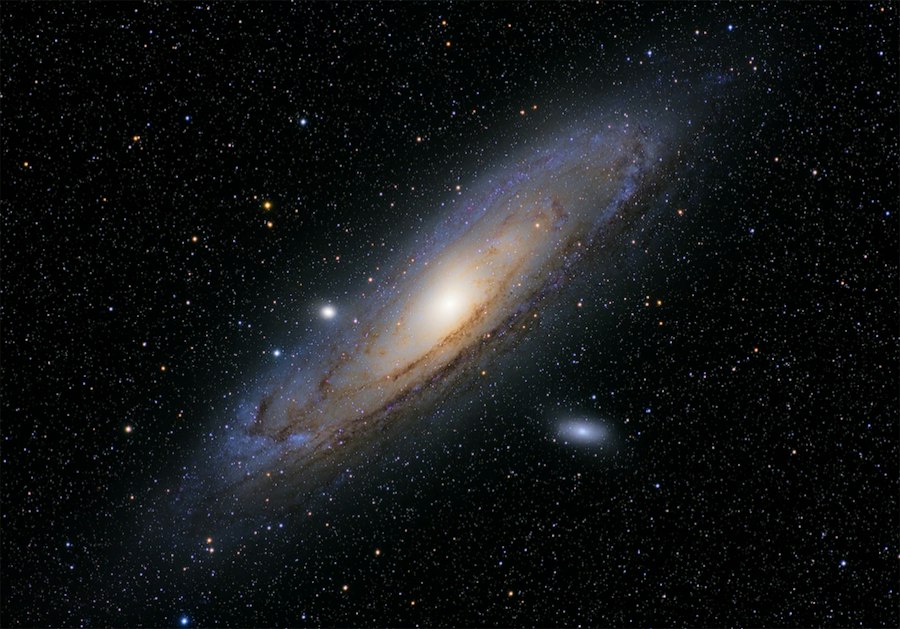
1. Why do space photos look different to human eyes?
Space photos look different to human eyes because the cameras used to capture these images often use different filters and sensors than the human eye. Additionally, the lack of atmosphere in space affects the way light is captured and perceived, resulting in different colors and contrasts than what the human eye would see.
2. How do space cameras capture images differently than the human eye?
Space cameras often use filters and sensors that can detect a wider range of light wavelengths than the human eye. This allows them to capture details and colors that may not be visible to the human eye. Additionally, space cameras can also capture images in different spectrums, such as infrared or ultraviolet, which are not visible to the human eye.
3. What role does the lack of atmosphere play in how space photos appear?
The lack of atmosphere in space affects the way light is captured and perceived, leading to differences in color and contrast compared to what the human eye would see. In space, there is no atmosphere to scatter light, so colors may appear more vibrant and contrasts may be sharper in space photos compared to what the human eye would perceive.
4. Can space photos be adjusted to appear more like what the human eye would see?
Yes, space photos can be adjusted using image processing techniques to make them appear more like what the human eye would see. This can involve adjusting colors, contrasts, and brightness levels to better match what the human eye would perceive. However, it’s important to note that these adjustments are subjective and may not accurately represent the true appearance of the objects in space.
5. What are some examples of space phenomena that look different in photos compared to what the human eye would see?
Examples of space phenomena that look different in photos compared to what the human eye would see include the vibrant colors of nebulae, the invisible infrared radiation emitted by celestial objects, and the sharp contrasts of planetary surfaces. These differences are due to the capabilities of space cameras to capture a wider range of light wavelengths and spectrums than the human eye.