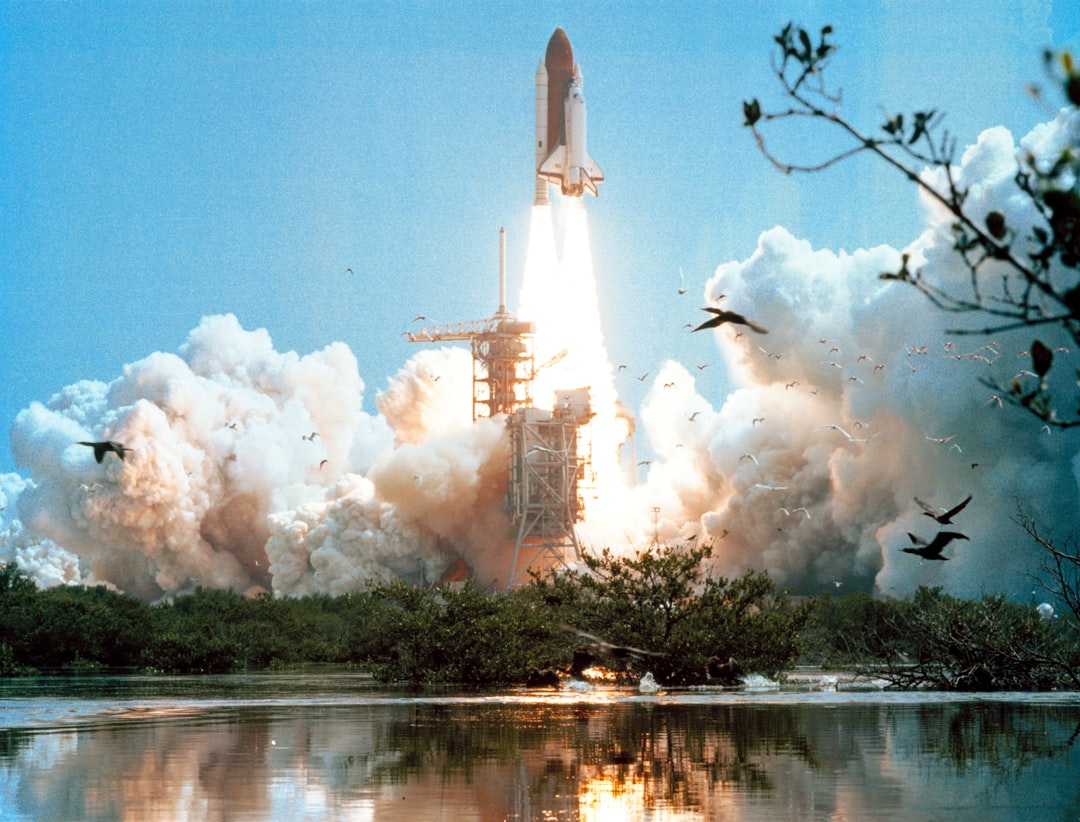
The question of whether NASA space photos are authentic has been a persistent one, fueled by curiosity, skepticism, and a healthy dose of imagination. From the iconic lunar landing images to the breathtaking vistas of distant galaxies, these photographs represent humanity’s most ambitious endeavors and discoveries. Yet, for some, the very grandeur and perfection of these images raise doubts. This article delves into the common claims and concerns surrounding the authenticity of NASA space photos, exploring the scientific explanations and the underlying principles that govern their creation and dissemination.
The vastness of space, the technological marvels required to reach it, and the often-unfamiliar environments captured within NASA’s visual record naturally invite scrutiny. For many, the images are simply too good to be true, leading to a cascade of questions.
The “Too Perfect” Perception
One of the most frequently cited reasons for skepticism is the perceived perfection of NASA photographs. Critics sometimes point to the sharp details, vibrant colors, and seemingly flawless composition, suggesting that such results are unlikely to be achieved in the harsh and unforgiving environment of space.
Clarity and Detail in Extreme Conditions
The human eye, accustomed to Earth’s atmospheric conditions, might find the clarity of images from the vacuum of space surprising. Without the scattering and diffusion of light caused by an atmosphere, celestial objects can appear incredibly sharp and distinct. Furthermore, modern digital cameras, especially those designed for space missions, possess advanced capabilities that allow for capturing fine details.
The Role of Lighting and Contrast
Space is characterized by extreme contrasts between light and shadow. The absence of atmospheric diffusion means that sunlight can create incredibly bright highlights and deep, inky shadows. This can lead to images that appear dramatically lit, which some may find unnatural. However, this is a direct reflection of the physical reality of light in a vacuum.
Color Representation: Art or Reality?
Another area of contention is the color of space imagery. While some images appear to present colors as we might expect, others showcase vibrant hues that seem almost too intense. This often leads to questions about whether colors are manipulated for aesthetic purposes.
Enhancing Visibility and Scientific Data
It’s crucial to understand that NASA’s imaging process often involves more than just snapping a picture. Scientists use various techniques to enhance visibility and extract scientific data. This can include adjusting contrast, sharpening images, and even assigning false colors to represent different wavelengths of light or specific elements. These enhancements are not intended to deceive but rather to make the scientific information within the images more accessible and interpretable.
The “True” Color Debate
The concept of “true color” in space photography is complex. Different filters and sensor sensitivities can capture light at varying wavelengths, and the way these are processed and displayed can significantly influence the final appearance of an image. While some images aim for a color representation closest to what a human eye might perceive, others prioritize scientific accuracy by highlighting specific spectral information.
The “Too Convenient” Narrative: Conspiracy and Manipulation Theories
Beyond the visual aspects, a significant portion of skepticism stems from broader conspiracy theories that question the validity of space exploration itself, particularly the Apollo missions. These theories often posit that the images are fabricated to support a grand narrative.
The Moon Landing Hoax Allegations
Perhaps the most well-known and persistent conspiracy theory revolves around the Apollo moon landings. Claims that the flags planted on the moon appeared to wave in a vacuum, that shadows were inconsistent, or that no stars were visible in the background have been widely circulated.
Debunking Common Moon Landing “Anomalies”
Each of these claims has been thoroughly addressed by scientists and photographic experts. The “waving” flag was due to a rod inserted to keep it unfurled. Inconsistent shadows are explained by the uneven lunar terrain and the single light source of the sun, combined with camera perspective. The absence of visible stars is a matter of exposure; the bright lunar surface and the astronauts’ suits were illuminated enough to require a short exposure time, which wouldn’t capture the faint light of distant stars.
The “Stage” and “Studio” Claims
Some theories suggest that NASA images were taken in studios on Earth, with sets and backdrops designed to mimic celestial environments. The perceived lack of visible stars, the sharp focus, and the seemingly controlled lighting conditions are often cited as evidence for this.
The Limitations of Studio Recreations
While it’s technically possible to create convincing backdrops, the sheer scale and complexity of space environments, with their unique lighting and lack of atmosphere, would be incredibly difficult and expensive to replicate with the fidelity seen in NASA photos. Furthermore, the rigorous scientific and engineering processes behind space missions, involving thousands of individuals, would make such a large-scale deception virtually impossible to maintain.
If you’re curious about the authenticity of NASA’s space photos, you might find the article on Freaky Science particularly enlightening. It delves into the various techniques used in space photography and discusses the implications of image manipulation in the context of scientific integrity. To explore this topic further, you can read the article here: Freaky Science.
The Science Behind the Snaps: How NASA Captures the Cosmos
Understanding the technical and scientific processes involved in capturing images from space is crucial to appreciating their authenticity. NASA employs specialized equipment and sophisticated techniques to overcome the unique challenges of extraterrestrial photography.
The Tools of the Trade: Cameras and Technology
The cameras and imaging systems used by NASA are not your average consumer-grade devices. They are engineered to withstand extreme temperatures, radiation, and the vacuum of space.
Specialized Camera Systems for Space Missions
From the Hasselblad cameras used by the Apollo astronauts to the advanced digital imaging sensors on modern probes, NASA has consistently utilized cutting-edge technology. These cameras are often modified to meet specific mission requirements, such as capturing images in different light spectrums or transmitting data back to Earth.
Durability and Functionality in Extremes
Space is a harsh environment. Cameras must be able to function reliably across a wide range of temperatures, from the frigid darkness of shadow to the intense heat of direct sunlight. They must also be resistant to radiation, which can degrade electronic components. The materials used and the internal design are all optimized for these demanding conditions.
Image Processing and Data Transmission
Once images are captured, they are not simply transferred to a file. The data undergoes rigorous processing to enhance its scientific value and to prepare it for transmission.
From Raw Data to Visual Representation
Raw data from space cameras is often in a digital format that is not immediately interpretable by the human eye. Image processing software is used to adjust brightness, contrast, and color balance. This can involve techniques like histogram equalization to bring out details in dark areas or sharpening algorithms to enhance clarity.
The Role of Color in Scientific Imaging
As mentioned earlier, color in scientific imaging can be used to represent more than just visual appearance. False color is a technique where specific wavelengths of light or other physical properties are assigned artificial colors to highlight them. This is invaluable for identifying different materials, temperatures, or atmospheric compositions. For example, an image of Mars might use false colors to distinguish between different types of rock formations or mineral deposits.
The Scientific Rigor of Space Photography
NASA’s photographic endeavors are not merely artistic pursuits; they are integral to scientific research and public outreach. Every image captured is part of a larger mission with specific scientific objectives.
Calibration and Verification Processes
Before any camera is sent into space, it undergoes extensive calibration and testing to ensure its accuracy and reliability. This includes ensuring that color rendition is as accurate as possible and that the measurements derived from the images are scientifically sound.
Ensuring Color Accuracy and Fidelity
While enhancements are often applied, the underlying data captured by the camera is the foundation. Scientists work to ensure that the color adjustments are based on scientific understanding of the objects being imaged and do not introduce misleading interpretations. This can involve comparing images taken with different filters or from different instruments.
The Role of Photography in Scientific Discovery
Space photography is a critical tool for scientific discovery. It allows scientists to observe celestial bodies, track changes over time, and gather data that would be impossible to obtain through other means.
Documenting Planetary Surfaces and Atmospheres
Images from probes like the Mars rovers or the Cassini spacecraft have provided unprecedented insights into the geology, weather patterns, and potential for life on other worlds. The ability to see these environments with such clarity is a testament to the technology and the scientific process.
Observing Distant Galaxies and Cosmic Phenomena
Telescopes like the Hubble Space Telescope and the James Webb Space Telescope capture stunning images of distant galaxies, nebulae, and other cosmic phenomena. These images not only inspire awe but also provide crucial data for understanding the universe’s evolution, the formation of stars and planets, and the nature of dark matter and dark energy.
Addressing Common Misconceptions and Visual Artifacts
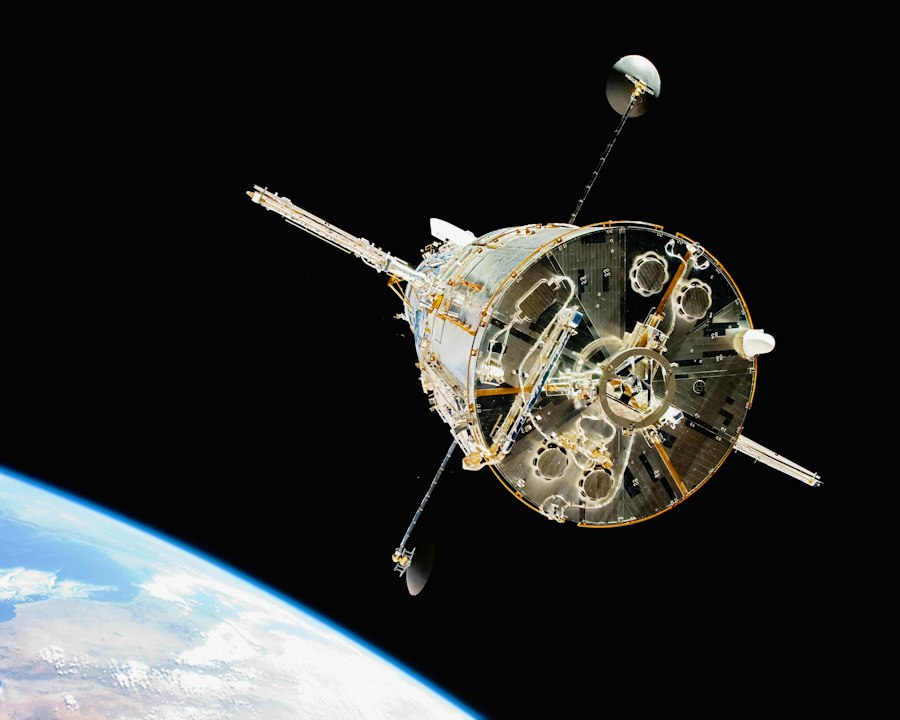
Many of the arguments used to question NASA’s photo authenticity can be explained by understanding common visual artifacts and the limitations of human perception when interpreting images from an alien environment.
The “Vanishing” Objects and Unexplained Lights
Skeptics sometimes point to seemingly inexplicable phenomena in NASA photos, such as objects appearing to vanish or unusual lights in the background.
Lens Flares and Light Streaks
Lens flares are optical phenomena that occur when bright light sources reflect off the internal elements of a camera lens. In the harsh lighting conditions of space, with the sun as a powerful light source, lens flares can sometimes create streaks or bright spots that might appear unusual to an untrained eye.
Natural Light Play in a Vacuum
The absence of atmospheric diffusion means that light behaves differently in space. Direct sunlight can create intense, sharp beams that, when interacting with camera lenses, can produce specific patterns that are entirely natural optical effects.
Anomalies and “Unidentified” Objects
Occasionally, unusual shapes or lights might appear in the background of images. These are often explained by atmospheric phenomena on the planets being imaged (if applicable), or by the reflection of light off mission hardware, or even by cosmic rays striking the camera sensor.
Distinguishing Between Artifacts and Genuine Discoveries
It’s important to differentiate between genuine scientific discoveries and photographic artifacts. Rigorous scientific analysis and peer review are essential for validating any unexpected findings. Most “anomalies” are thoroughly investigated and explained by known physical processes or technical limitations.
The Quality of Shadows and Illumination
The way shadows behave in space is a frequent point of contention for those who believe images are fabricated.
The Single Light Source: The Sun
In space, the primary light source is the Sun. Unlike on Earth, where light is diffused by the atmosphere, sunlight in space creates sharp, well-defined shadows.
The Impact of Uneven Terrain
The lunar surface, for example, is not a perfectly flat plane. Craters, rocks, and varying gradients can cause shadows to appear distorted or to fall at unexpected angles, depending on the perspective of the camera and the shape of the terrain.
Reflections and Fill Light
While the sun is the main light source, there can be secondary sources of light that affect shadows and illumination. On the moon, light reflected off the lunar surface itself can act as a form of “fill light,” subtly illuminating areas that would otherwise be in complete darkness.
The Role of Reflective Surfaces
The white spacesuits of astronauts, the lunar module, and even the lunar regolith itself can reflect sunlight, creating areas of brightness that might seem inconsistent with a single, harsh light source. This is a natural consequence of light interacting with reflective surfaces in a vacuum.
The Transparency and Accessibility of NASA’s Archives
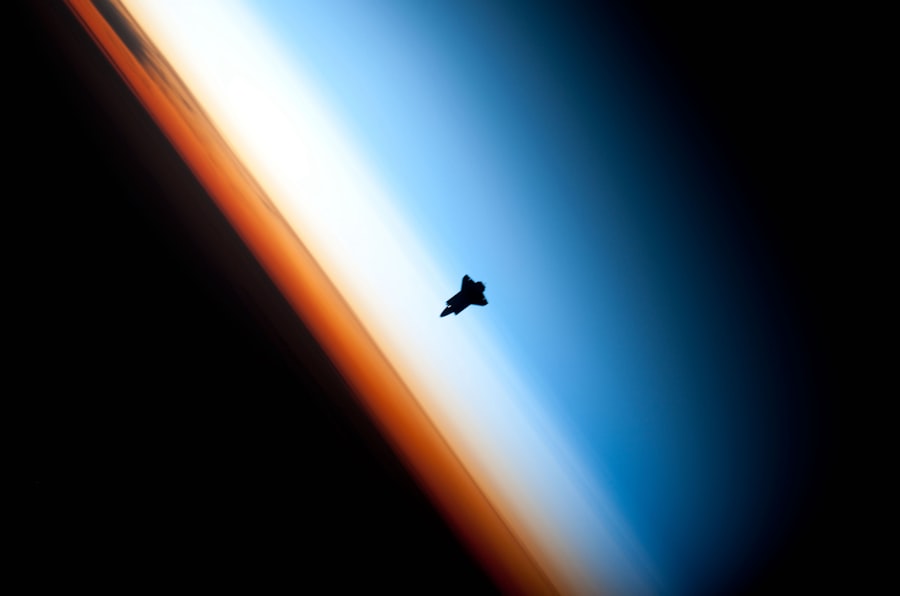
NASA has made a concerted effort to be transparent about its operations and its photographic output. The vast majority of its images are publicly accessible, allowing for independent scrutiny.
The Publicly Available Image Libraries
NASA maintains extensive online archives where millions of images are available for download and public use. This accessibility is a cornerstone of their commitment to open science and public engagement.
The NASA Image and Video Library
This comprehensive resource allows users to search, browse, and download a vast collection of images and videos from various NASA missions. The library is meticulously organized and often includes detailed captions and metadata.
Understanding Captions and Metadata
The accompanying information with each image is crucial. Captions often provide context about the mission, the location, the equipment used, and the scientific significance of the photograph. Metadata can include technical details about the camera settings and processing.
The Evolution of Imaging Technology and Its Impact on Authenticity
As imaging technology has advanced, so too has the quality and detail of NASA’s photographs. This evolution, rather than being a cause for suspicion, is a testament to human ingenuity and progress.
From Film to Digital: A Leap in Capability
The transition from film cameras to digital sensors has dramatically improved the resolution, dynamic range, and ease of data processing for space imagery. This has allowed for even more detailed and scientifically valuable photographs to be captured.
The Role of AI and Advanced Processing Techniques
Modern image processing utilizes advanced algorithms, including artificial intelligence, to further enhance and analyze images. These tools are employed to extract more information, reduce noise, and create more accurate representations of celestial phenomena.
Many people often wonder about the authenticity of NASA’s space photos, leading to various discussions and debates. For those interested in exploring this topic further, an insightful article can be found at Freaky Science, which delves into the details of how these images are captured and the technology behind them. Understanding the processes involved can help clarify misconceptions and provide a clearer picture of what we see from space.
Conclusion: Trust in Science and the Power of Evidence
| Question | Answer |
|---|---|
| Are NASA space photos real? | Yes, NASA space photos are real and are captured by various space telescopes and spacecraft. |
| Verification | NASA has a rigorous process for capturing, processing, and verifying the authenticity of space photos before releasing them to the public. |
| Public Access | Many of the NASA space photos are available to the public through their website and various online platforms. |
The question of NASA’s photo authenticity, while understandable in its curiosity, is ultimately answered by the rigorous scientific processes, technological advancements, and overwhelming evidence that support the validity of these images.
The Scientific Consensus and Expert Verification
The scientific community, through peer review and independent analysis, has consistently affirmed the authenticity of NASA’s space photographs. Experts in optics, photography, and space science have thoroughly debunked most of the common claims of fabrication.
The Pillars of Scientific Trust: Reproducibility and Peer Review
The scientific method relies on reproducibility and peer review. NASA’s findings and imagery are subjected to these processes, ensuring that the conclusions drawn are robust and reliable.
Independent Researchers and Their Contributions
Numerous independent researchers and amateur astronomers utilize NASA’s data and imagery for their own studies, further validating the information provided.
The Enduring Power of Visual Evidence
Despite persistent skepticism, NASA’s space photos remain powerful testaments to human exploration and our insatiable desire to understand the universe. They inspire awe, fuel scientific inquiry, and connect us to the grand cosmic tapestry.
Inspiring Future Generations of Explorers
These images are not just scientific documents; they are cultural artifacts that ignite the imagination and inspire young minds to pursue careers in science, technology, engineering, and mathematics.
The Ongoing Journey of Discovery
As NASA continues its missions, with increasingly sophisticated technology, we can anticipate even more breathtaking and scientifically valuable images that will further expand our understanding of the cosmos. The authenticity of these future images, like those of the past, will be grounded in the same scientific rigor and commitment to transparency that has characterized NASA’s endeavors for decades. The overwhelming body of evidence, from technological capabilities to scientific verification, firmly supports the authenticity of NASA’s space photos, allowing us to marvel at the universe they reveal with confidence.

The Space Photos Are Real—But Your Eyes Would See This
FAQs
1. Are the photos released by NASA of space real?
Yes, the photos released by NASA of space are real. NASA uses advanced telescopes and spacecraft to capture high-quality images of space.
2. How does NASA ensure the authenticity of their space photos?
NASA has a rigorous process for capturing and verifying the authenticity of their space photos. The images are captured by advanced equipment and undergo thorough analysis by experts to ensure their accuracy.
3. Can the public access NASA’s space photos?
Yes, NASA makes many of its space photos available to the public through its website and various online platforms. These images are often used for educational and informational purposes.
4. Are there any instances of NASA manipulating space photos?
NASA does not manipulate its space photos to deceive the public. However, the agency may enhance or color-correct images to improve their clarity and visual appeal for public viewing.
5. How can I verify the authenticity of NASA’s space photos?
You can verify the authenticity of NASA’s space photos by checking the source of the image, such as NASA’s official website or social media accounts. Additionally, you can look for information about the equipment and techniques used to capture the image.