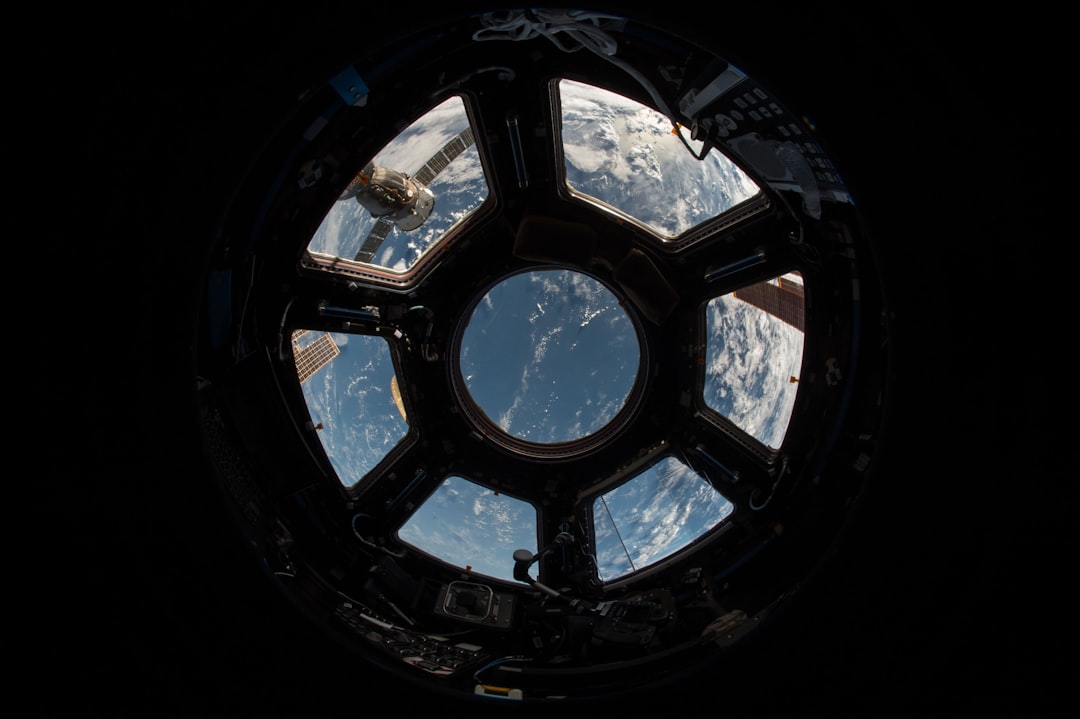
The vibrant nebulae, the stark beauty of alien landscapes, and the swirling majesty of distant galaxies – space photography captivates us with its otherworldly hues. But when we gaze at these breathtaking images from the cosmos, a fundamental question often arises: are these the colors we would see if we were actually there? The answer, in short, is complicated. Space photos, while undeniably real depictions of celestial objects, are not always direct, unadulterated snapshots of what the human eye can perceive. They are the result of intricate scientific processes, carefully designed to reveal the universe’s secrets, and often, these processes involve manipulating the colors we see.
What the Human Eye Perceives
The human eye is a remarkable biological instrument, but it has its limitations. Our vision is based on three types of cone cells, sensitive to red, green, and blue light. Our brains then interpret the signals from these cones to create the spectrum of colors we experience. This means our perception of color is inherently subjective and limited to the visible light spectrum. We cannot see ultraviolet (UV) or infrared (IR) light, nor can we easily discern subtle differences in intensity or subtle spectral lines that carry crucial information about celestial bodies.
The Power of Instruments: Beyond the Visible
Space exploration relies on a vast array of sophisticated scientific instruments that extend far beyond the capabilities of the human eye. Telescopes and probes are equipped with cameras that can detect wavelengths of light across the entire electromagnetic spectrum, from radio waves and microwaves to infrared, visible light, ultraviolet, X-rays, and gamma rays. Each of these wavelengths carries unique information about the composition, temperature, and physical processes occurring in space.
For instance, infrared light can penetrate dust clouds that obscure visible light, allowing us to peer into star-forming regions. Ultraviolet light reveals the hot, energetic processes associated with young stars and active galactic nuclei. X-rays and gamma rays are signatures of the most extreme phenomena, such as black holes and supernovae. To fully understand these cosmic phenomena, scientists need to capture and analyze data from all these different parts of the spectrum.
Space photography often raises questions about the authenticity of the colors we see in images of celestial bodies. An intriguing article that delves into this topic is available at Freaky Science, where it explores how various factors, such as the limitations of camera technology and the effects of light in space, can influence the colors captured in photographs. Understanding these elements can enhance our appreciation of the stunning visuals we receive from space missions and telescopes.
Capturing the Unseen: False Color and Its Purpose
The Necessity of False Color
Since our eyes are limited to the visible spectrum, scientists often use “false color” to represent data gathered in non-visible wavelengths. This doesn’t mean the colors are made up or invented; rather, they are assigned to specific data ranges to make them visually interpretable. Imagine trying to understand a complex spreadsheet if all the numbers were presented in black and white. Assigning different colors to represent different magnitudes or categories makes the information much more accessible. The same principle applies to space imagery.
Translating Data into Visuals
When an instrument captures data in a wavelength outside the visible spectrum – for example, infrared – scientists assign a visible color (like red, green, or blue) to represent that specific infrared signal. A common convention is to assign red to longer infrared wavelengths, green to medium infrared wavelengths, and blue to shorter infrared wavelengths. Similarly, data from UV or X-ray observations can be mapped to visible colors. This allows us to create composite images that combine information from multiple wavelengths, revealing details that would be invisible in a single-wavelength image.
Revealing Hidden Structures and Processes
The primary purpose of false color is to highlight and differentiate features that would otherwise be indistinguishable. For example, in an infrared image of a star-forming region, different colors might represent areas of varying dust temperature or molecular gas composition. By assigning visible colors, astronomers can visually pinpoint these differences, study the dynamics of star formation, and understand the chemical makeup of these stellar nurseries. False color is not about artistic embellishment; it’s a crucial tool for scientific discovery.
The Art of Reconstruction: Combining Different Light Spectra
The Visible Light Component
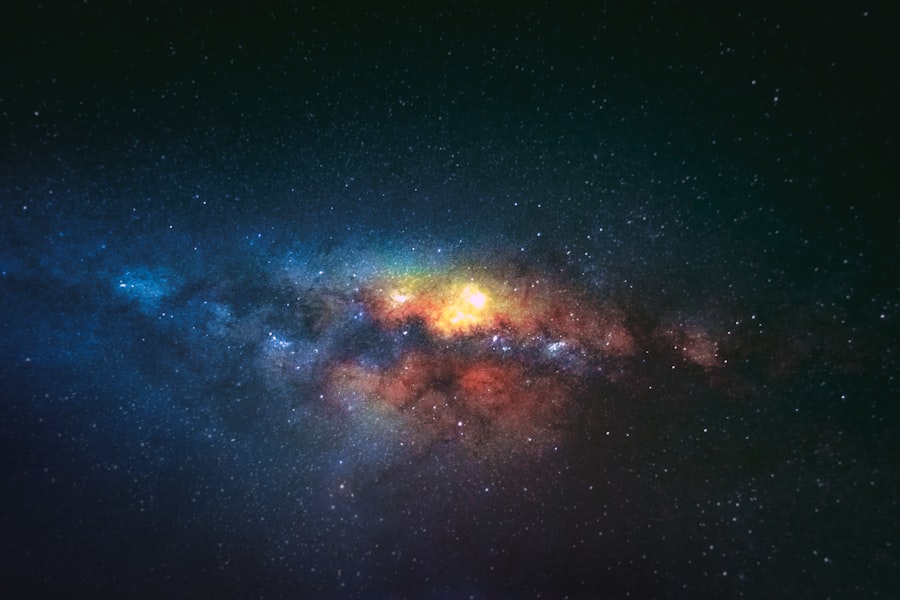
While false color is essential for revealing unseen phenomena, true color images, where colors are closer to what the human eye would perceive, are also produced. These images are often created by combining data from the visible light spectrum captured by different filters. For instance, a telescope might take separate images through a red filter, a green filter, and a blue filter. By merging these three images and assigning them to the red, green, and blue channels of a digital image, scientists can create a composite that approximates true color.
The Multi-Wavelength Approach
More sophisticated true color images can be generated by combining data from multiple visible light filters. Scientists might use a wider range of filters to capture more subtle variations in visible light. The process then involves carefully calibrating and aligning these images to create a seamless, visually accurate representation. The goal here is to get as close as possible to the colors that a human observer would experience if they could perceive the object directly.
The Challenge of Calibration and Balance
Creating accurate true color images is a meticulous process. It requires precise calibration of the instruments to ensure that the light intensities are correctly measured. Furthermore, achieving a natural color balance can be challenging. The brightness of celestial objects can vary dramatically, and the sensitivity of the detectors also plays a role. Scientists often have to make adjustments to brightness, contrast, and color saturation to ensure that the resulting image is both scientifically informative and aesthetically pleasing. This can involve subjective decisions, but the underlying data is always real.
Artistic Interpretation vs. Scientific Integrity: Finding the Balance
The Role of the Scientist
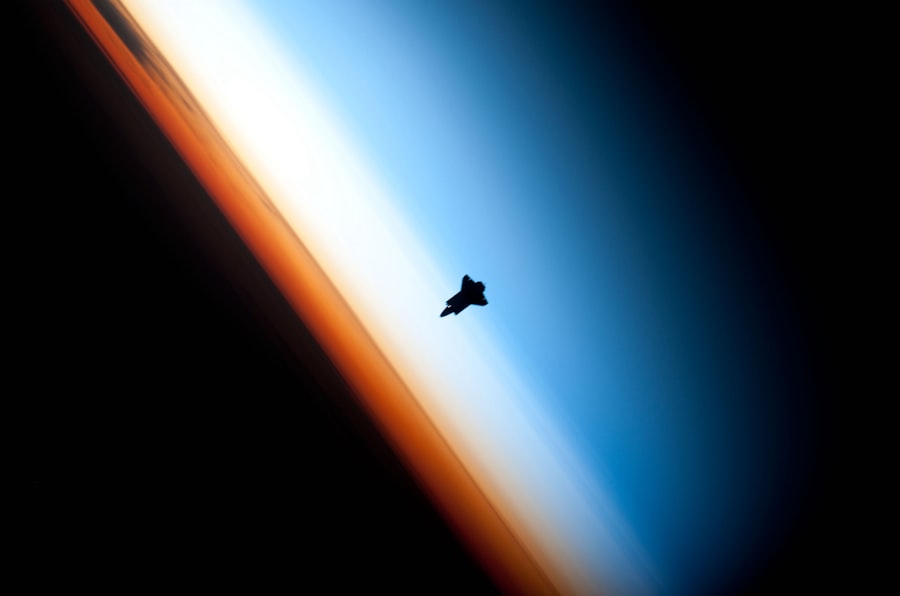
When space agencies like NASA or ESA release images, they are primarily scientific documents. The colors, whether true or false, are chosen to convey specific scientific information. The scientists and image processors have a responsibility to ensure that the colors accurately represent the data and do not mislead the public. They strive to maintain scientific integrity while also creating images that are engaging and accessible.
The Influence of Aesthetic Choices
However, there is an undeniable element of art in space photography. Image processors often make choices about how to enhance contrast, adjust brightness, and apply color maps. These choices can influence the emotional impact of an image. While the underlying data remains factual, the visual presentation can be optimized to highlight certain features or evoke specific feelings. This can sometimes lead to debate about the “realness” of the colors, especially when compared to what a human might see.
Public Perception and the “Wow Factor”
The public’s perception of space imagery is often shaped by the visual impact of these images. The dazzling colors of nebulae and galaxies are a significant part of their appeal. While scientists prioritize scientific accuracy, they also understand the importance of creating images that capture the public’s imagination and foster a sense of wonder about the universe. This can lead to a delicate balance between scientific rigor and aesthetic appeal. The “wow factor” is important for inspiring future generations of scientists and for maintaining public support for space exploration.
In the fascinating realm of astronomy, the debate over whether space photos accurately depict real colors has garnered significant attention. For those interested in exploring this topic further, a related article can be found at Freaky Science, which delves into the techniques used by astronomers to capture and process images of celestial bodies. This article provides insights into how different wavelengths of light are utilized to create stunning visuals that may not represent the true colors we would see with the naked eye.
Examples of Color Interpretation in Space Photography
| Question | Answer |
|---|---|
| Do space photos show real colors? | Space photos may not always show real colors due to various factors such as the use of filters, image processing, and the limitations of human vision. |
Nebulae: Cosmic Art Galleries
Nebulae are clouds of gas and dust in space, and their colors are incredibly diverse and often stunning. The vibrant reds and pinks often seen in nebulae like the Orion Nebula are primarily due to emission from hydrogen gas, which glows red when energized. Oxygen can produce green hues, and sulfur can contribute to purple or blue colors. In false-color images of nebulae, these colors can be exaggerated or mapped to different wavelengths to highlight specific chemical compositions or physical processes, such as the temperature of the gas or the density of the dust. For instance, an infrared image of a nebula might show cooler dust as deep reds, while hotter regions might be rendered in blues or greens.
Planets: Surface Features and Atmospheric Clues
When we see images of planets like Mars or Jupiter, the colors we observe can tell us a lot about their surfaces and atmospheres. The reddish-brown color of Mars is due to iron oxide, or rust, on its surface. Images from Mars rovers often use filters that approximate true color, allowing us to see the varied terrain. However, some images might be enhanced to bring out subtle color variations that indicate different mineral compositions or geological features. For Jupiter and Saturn, the colorful bands are created by different chemical compounds and cloud structures in their atmospheres. Images of these gas giants often involve combining data from different wavelengths to reveal the swirling patterns and atmospheric dynamics. For example, certain chemicals might absorb specific wavelengths of light, making them appear darker or lighter in those filtered images.
Galaxies: Stellar Populations and Active Nuclei
The colors of galaxies are a testament to their stellar populations and evolutionary stages. Younger galaxies, with a high proportion of hot, blue stars, will appear more bluish. Older galaxies, dominated by cooler, redder stars, will appear more reddish. When we see images of the cores of galaxies, particularly those with active galactic nuclei (AGN) or supermassive black holes, the colors can be used to represent the high-energy emissions. X-ray and radio observations are crucial for studying these phenomena, and their data is often translated into visible colors to create composite images that reveal the intricate structures of jets and accretion disks. For instance, powerful jets of plasma emanating from black holes might be rendered in bright blues or purples to signify their high energy.
Exoplanets: Hints of Atmosphere and Surface
While direct imaging of exoplanets is still a nascent field, the data collected by telescopes like the James Webb Space Telescope is beginning to reveal tantalizing clues about their atmospheres. By analyzing the light that passes through an exoplanet’s atmosphere as it transits its star, scientists can identify the presence of certain molecules. This information is then translated into spectral graphs, which can be used to infer the atmospheric composition. While we don’t yet see “true color” images of exoplanet surfaces, the techniques used to analyze their atmospheres and the hypothetical visualizations that are sometimes created are all based on real scientific data, often rendered with carefully chosen color schemes to highlight specific atmospheric components.
The Future of Space Imaging: Even More Revelation
Advancements in Sensor Technology
The continuous evolution of sensor technology is pushing the boundaries of what we can see in space. New cameras and detectors are becoming more sensitive across a wider range of wavelengths, allowing for more detailed observations than ever before. This means that future space images will likely be able to reveal even finer nuances in color and composition. The quest for higher resolution and greater spectral coverage is ongoing, promising a richer and more detailed understanding of the universe.
AI and Machine Learning in Image Processing
Artificial intelligence and machine learning are playing an increasingly significant role in processing the vast amounts of data generated by space missions. These powerful tools can help to identify patterns, reduce noise, and enhance the clarity of images. AI algorithms can be trained to recognize specific spectral signatures and to reconstruct more accurate true-color images from multiple data sources. This will lead to more efficient and potentially more objective color interpretations in the future.
The Democratization of Space Data
As technology advances and data becomes more accessible, there is a growing trend towards democratizing space imagery. Amateur astronomers and citizen scientists are increasingly involved in analyzing astronomical data and even contributing to the creation of stunning visualizations. This allows for a wider range of perspectives and interpretations, further enriching our understanding and appreciation of the cosmos. The accessibility of raw data allows for independent verification and creative exploration by a broader community.
In conclusion, while space photos are indeed real representations of celestial objects, their colors are often the result of scientific necessity and careful interpretation rather than direct visual perception. Whether employing false colors to reveal the unseen or meticulously reconstructing true colors from visible light data, the goal is always to unlock the universe’s secrets. The vibrant hues that captivate us are not just for aesthetic appeal; they are keys to understanding the fundamental physics, chemistry, and evolution of the cosmos, painted across the vast canvas of space for us to decipher.
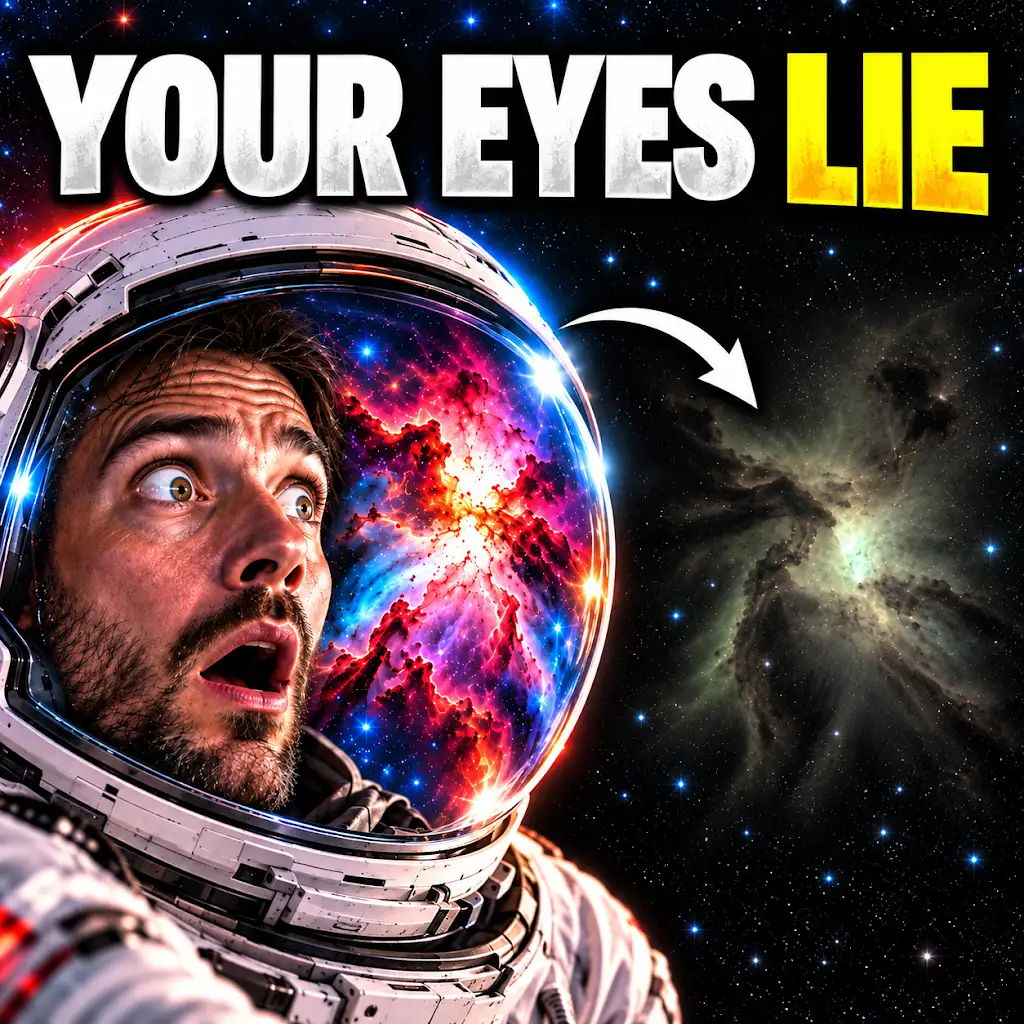
The Space Photos Are Real—But Your Eyes Would See This
FAQs
1. Do space photos show real colors?
No, space photos do not show real colors as they are often enhanced or colorized to make the details more visible and to highlight different elements in the image.
2. Why are space photos enhanced or colorized?
Space photos are enhanced or colorized to bring out details that may not be visible in the original images, and to help scientists and researchers better understand the composition and structure of celestial objects.
3. How are space photos enhanced or colorized?
Space photos are enhanced or colorized using various techniques such as adjusting contrast, brightness, and color balance, as well as applying filters to highlight specific wavelengths of light.
4. Can we see real colors in space without enhancement?
In some cases, yes. For example, images taken by telescopes equipped with special filters can capture specific wavelengths of light, allowing us to see real colors of celestial objects without significant enhancement.
5. What is the purpose of enhancing or colorizing space photos?
The purpose of enhancing or colorizing space photos is to aid scientific research, public outreach, and education by providing visually appealing and informative images of the universe.