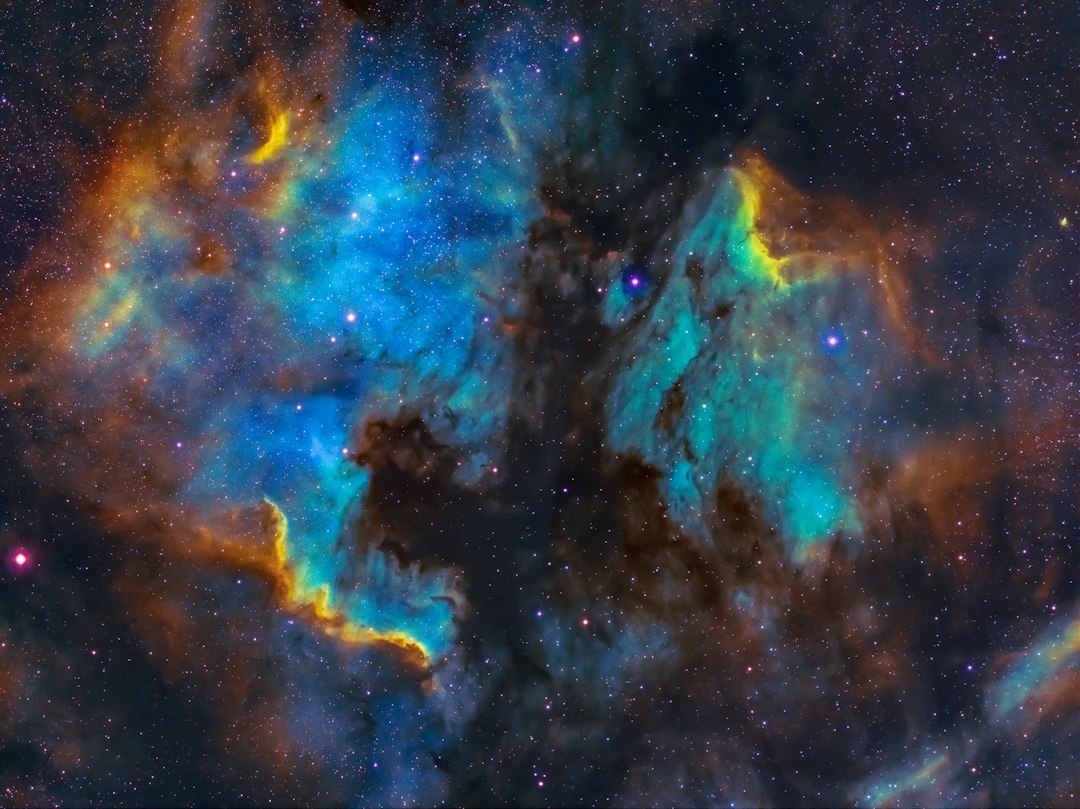
Exploring the Cosmic Trio: Hydrogen, Oxygen, and Sulfur in Space
The vast expanse of the cosmos is a dynamic and intricate tapestry woven from fundamental elements. Among these, hydrogen, oxygen, and sulfur stand out as particularly ubiquitous and crucial players in the formation of stars, planets, and the very molecules that underpin life. Their presence, distribution, and interactions across interstellar space, within stellar nurseries, and even on distant worlds offer profound insights into the universe’s evolution and our own origins. This exploration delves into the multifaceted roles of these three elements, unveiling their secrets through the lens of astronomical observation and scientific inquiry.
Hydrogen, the simplest and most abundant element in the universe, forms the foundational material from which stars are born and the very fabric of nebulae. Its lightweight nature and unique atomic structure make it an ideal fuel for stellar fusion and a ubiquitous component of celestial bodies.
The Genesis of Hydrogen in the Big Bang
The primordial soup of the early universe, a fraction of a second after the Big Bang, was dominated by fundamental particles. As the universe cooled and expanded, these particles coalesced to form the first atoms. Hydrogen, with its single proton and single electron, emerged as the overwhelming majority element, accounting for approximately 75% of the baryonic matter created. This initial abundance set the stage for all subsequent cosmic evolution. The immense gravitational forces within the young universe began to draw these hydrogen atoms together, initiating the formation of the first stars and galaxies.
Hydrogen as Stellar Fuel: The Engine of Stars
The primary source of energy for stars, from the smallest red dwarfs to the most massive supergiants, is the nuclear fusion of hydrogen. Within the incredibly hot and dense cores of stars, hydrogen nuclei (protons) overcome their electrostatic repulsion and fuse together to form helium. This process, governed by quantum mechanical tunneling, releases vast amounts of energy in the form of photons and neutrinos. The most common fusion process in stars like our Sun is the proton-proton chain, where four hydrogen nuclei combine to form one helium nucleus, with the release of energy. In more massive stars, the CNO cycle (carbon-nitrogen-oxygen cycle) also contributes to hydrogen fusion, utilizing these heavier elements as catalysts. The ongoing conversion of hydrogen to helium is the fundamental engine driving stellar evolution, shaping their lifespans, luminosities, and eventual fates.
Interstellar Hydrogen: The Raw Material of New Worlds
Beyond the confines of stars, vast reservoirs of hydrogen exist in the interstellar medium (ISM). This diffuse gas and dust permeate galaxies, occupying the spaces between stars. The ISM is not a uniform entity; it exists in various phases, from hot, ionized plasma to cold, dense molecular clouds. These cold molecular clouds, primarily composed of molecular hydrogen (H₂), are the nurseries of star formation. Gravitational instabilities within these clouds can lead to localized collapse, triggering the formation of protostars. The abundance of molecular hydrogen in these regions is critical for the subsequent formation of planets, as it provides the raw material for accretion disks around young stars. Radio astronomy, particularly through the detection of the 21-centimeter line of atomic hydrogen, has been instrumental in mapping the distribution and dynamics of hydrogen throughout galaxies, revealing spiral arm structures and the intricate flow of gas.
Hydrogen on Planets and Moons: From Ice to Atmosphere
Hydrogen’s presence is not limited to the ethereal realms of stars and interstellar gas. It is a fundamental component of many planetary bodies. On gas giants like Jupiter and Saturn, hydrogen constitutes the vast majority of their atmospheres and interiors. These planets are essentially massive reservoirs of this primordial element. Even on rocky planets, hydrogen plays a role. Water (H₂O), a compound essential for life as we know it, is abundant throughout the solar system and beyond, with hydrogen forming a crucial part of its molecular structure. Ice found on comets, asteroids, and the moons of outer planets, as well as in the tenuous atmospheres of some exoplanets, often contains significant amounts of hydrogen, either in molecular form or bound within other molecules. The study of deuterium, a heavier isotope of hydrogen, provides clues about the early history and formation pathways of water in the solar system.
Recent advancements in astrophysics have shed light on the intriguing presence of hydrogen, oxygen, and sulfur in various celestial bodies, as illustrated in stunning space images. For a deeper understanding of these elements and their significance in the universe, you can explore a related article that delves into the chemical compositions found in space. This article provides insights into how these elements contribute to the formation of stars and planets. To read more, visit this link.
The Life-Giving Element: Oxygen’s Cosmic Significance
Oxygen, the third most abundant element in the universe by mass, plays a vital role in a myriad of cosmic processes, from the respiration of life on Earth to the formation of minerals on rocky planets. Its highly reactive nature makes it a key ingredient in a vast array of molecules, influencing the chemistry of planetary atmospheres and surfaces.
Recent advancements in astrophysics have led to the discovery of intriguing space images that reveal the interactions between hydrogen, oxygen, and sulfur in various celestial bodies. These findings not only enhance our understanding of cosmic chemistry but also shed light on the formation of stars and planets. For a deeper exploration of these fascinating topics, you can read more in this related article on Freaky Science, where scientists discuss the implications of these discoveries on our knowledge of the universe.
Stellar Nucleosynthesis: Forging Oxygen in Stellar Hearts
While hydrogen is formed in the Big Bang, oxygen is primarily forged within the fiery cores of stars. As stars evolve and exhaust their core hydrogen, they begin to fuse helium into heavier elements. In intermediate-mass stars, the triple-alpha process fuses three helium nuclei into carbon. Subsequently, carbon can fuse with another helium nucleus to form oxygen. This process, known as alpha-capture, continues in the later stages of stellar evolution, particularly in more massive stars, leading to the production of progressively heavier elements like neon, magnesium, and silicon. Supernova explosions, the cataclysmic deaths of massive stars, are crucial in dispersing these newly synthesized elements, including oxygen, into the interstellar medium, enriching it for future generations of stars and planets.
Oxygen in Interstellar Molecules: Precursors to Complexity
In the cold, dense molecular clouds where stars and planets are born, oxygen exists not only as atomic oxygen but also as a component of numerous molecules. While the direct formation of molecular hydrogen is favored, oxygen can combine with hydrogen to form water (H₂O), an essential molecule for life. It also forms carbon monoxide (CO), a vital tracer of molecular gas in galaxies. The presence of these oxygen-bearing molecules in protoplanetary disks – the swirling disks of gas and dust around young stars from which planets form – indicates the availability of materials necessary for the chemical evolution of nascent planetary systems. The study of these molecules using radio and infrared telescopes provides crucial information about the composition and temperature of these stellar nurseries.
Oxygen in Planetary Atmospheres: Breath of Life and Environmental Clues
On Earth, oxygen is a defining characteristic of our atmosphere, a testament to the long-standing activity of photosynthetic life. This free oxygen in our atmosphere is a disequilibrium product, meaning it is constantly being replenished by biological processes and would rapidly disappear if life ceased. Beyond Earth, oxygen is a significant component of the atmospheres of other planets, though often in different molecular forms or abundances. For example, Mars possesses a thin atmosphere dominated by carbon dioxide, but it also contains trace amounts of oxygen. Venus, with its extremely dense atmosphere, also has oxygen, though it is locked within carbon dioxide. The detection and analysis of oxygen in exoplanet atmospheres are key goals of astrobiology, as its presence, particularly in conjunction with other biosignature gases, could indicate the existence of life beyond Earth.
Surface Oxygen: Shaping Worlds Through Oxidation
On the surfaces of rocky planets and moons, oxygen is often found bound within minerals, forming oxides. The presence and abundance of oxygen-bearing minerals can reveal a great deal about the geological history and atmospheric conditions of a celestial body. For instance, the red hue of Mars is largely due to iron oxides, indicating a history of oxidation. The diverse mineralogy of Earth’s crust, rich in silicates and oxides, is a direct consequence of the planet’s oxygen-rich atmosphere and the presence of liquid water, which facilitates oxidative weathering. Investigating surface compositions on other worlds, through spectral analysis and direct sampling missions, allows us to infer the extent of oxygen’s involvement in shaping planetary landscapes.
Sulfur’s Subtle but Significant Role: From Volcanic Vents to Molecular Mysteries
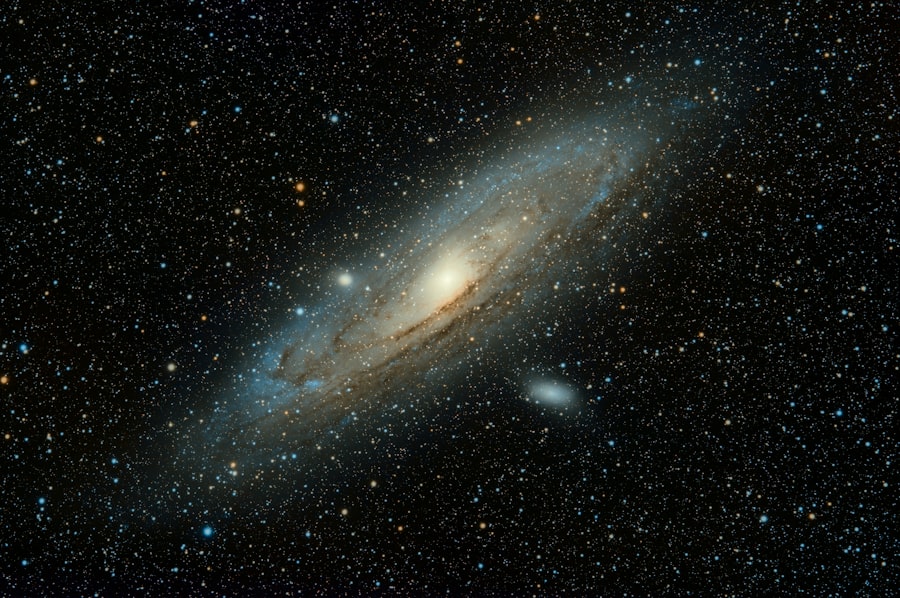
Sulfur, though less abundant than hydrogen and oxygen, plays a critical role in various cosmic environments. Its unique chemistry contributes to the formation of complex organic molecules and is intimately linked to geological activity on planetary bodies.
Stellar Production of Sulfur: A Product of Fusion Chains
Sulfur is also synthesized within stars, primarily through nuclear fusion processes. In massive stars, after the production of oxygen, further alpha-capture reactions can lead to the formation of neon and magnesium. Sulfur is then produced through subsequent fusion reactions, often involving the capture of protons or neutrons by existing nuclei. The explosive deaths of massive stars, supernovae, are responsible for dispersing significant quantities of sulfur into the interstellar medium, enriching it for the formation of new stellar and planetary systems. The observed abundance of sulfur in the universe provides a valuable constraint on stellar evolution models.
Sulfur in the Interstellar Medium: Tracing Molecular Gas and Ionization
In the interstellar medium, sulfur exists in various atomic and molecular forms. Atomic sulfur can be detected through its emission lines in the infrared spectrum, providing insights into the temperature and density of the gas. Sulfur is also found in important molecules like sulfur monoxide (SO) and sulfur dioxide (SO₂). Furthermore, ionized sulfur species are crucial diagnostics for studying the energetic processes in the ISM, such as supernova remnants and active galactic nuclei, where high-energy photons and particles can strip electrons from sulfur atoms. The study of sulfur lines helps astronomers understand the chemical complexity of the ISM and the physical conditions within these regions.
Sulfur on Rocky Worlds: Evidence of Volcanic Activity and Geochemistry
Sulfur is particularly relevant to the study of rocky planets and moons, often serving as an indicator of geological activity. Volcanic eruptions are a significant source of sulfur dioxide (SO₂) into planetary atmospheres. On Earth, sulfur compounds are integral to the global sulfur cycle, playing a role in atmospheric chemistry and the formation of aerosols. On other bodies, the detection of sulfur-rich compounds can point to past or present volcanic activity. For instance, observations of Io, one of Jupiter’s moons, reveal extensive sulfur volcanism, painting a dynamic and geologically active surface. Titan, Saturn’s largest moon, is thought to have sulfur compounds in its lower atmosphere and potentially in its subsurface ocean.
Sulfur and the Origins of Life: Building Blocks of Biochemistry
While not as abundant as carbon, hydrogen, oxygen, and nitrogen, sulfur plays a surprisingly crucial role in the chemistry of life. Sulfur-containing amino acids, cysteine and methionine, are essential components of proteins, playing critical roles in protein folding, structure, and enzyme activity. Many important cofactors and vitamins in biological systems also contain sulfur. The early Earth’s oceans, with their dissolved sulfates, likely provided the sulfur necessary for the emergence of life. The study of sulfur isotopes can also offer clues about the early Earth’s environment and the biogeochemical cycles that were active billions of years ago. Understanding the pathways by which sulfur compounds are formed and distributed in space is therefore essential for comprehending the potential for life beyond Earth.
Sulfur in the Outer Solar System: Icy Worlds and Exotic Chemistry
Beyond the terrestrial planets, sulfur is found in interesting and sometimes unexpected forms in the outer solar system. The surface of Io is dominated by sulfur compounds, giving it its vibrant colors. Enceladus, a moon of Saturn, exhibits plumes of water vapor and ice particles that contain salts, including sulfates, suggesting a subsurface ocean and ongoing geological activity. The presence of sulfur in these icy worlds hints at complex chemical processes occurring beneath their frozen surfaces. The exploration of these distant realms continues to reveal the diverse and often exotic roles that sulfur plays in planetary science.
In conclusion, hydrogen, oxygen, and sulfur, though seemingly simple elements, are fundamental to the grand narrative of the universe. From the initial spark of the Big Bang to the intricate biochemistry that sustains life, their presence and interactions shape the cosmos in profound ways. The ongoing exploration of these elements, through the unwavering gaze of telescopes and the intrepid voyages of spacecraft, continues to unveil the secrets of our universe, bringing us closer to understanding our place within its awe-inspiring tapestry.

The Space Photos Are Real—But Your Eyes Would See This

FAQs
What are hydrogen, oxygen, and sulfur?
Hydrogen, oxygen, and sulfur are chemical elements. Hydrogen is the lightest and most abundant element in the universe, while oxygen is essential for life and makes up a large portion of the Earth’s atmosphere. Sulfur is a non-metallic element that is commonly found in minerals and is used in various industrial processes.
How are hydrogen, oxygen, and sulfur related to space?
Hydrogen and oxygen are commonly found in space as components of water and as elements in the composition of stars and other celestial bodies. Sulfur is also found in space, often in the form of sulfur compounds in planets, moons, and asteroids.
What are some applications of hydrogen, oxygen, and sulfur in space exploration?
Hydrogen and oxygen are used as propellants for rockets and spacecraft, as well as for life support systems in space missions. Sulfur compounds have been detected on various celestial bodies and are studied to understand the geological and chemical processes occurring in space.
How are hydrogen, oxygen, and sulfur detected in space?
Hydrogen, oxygen, and sulfur are detected in space using various instruments and techniques, such as spectroscopy, which analyzes the light emitted or absorbed by these elements. Space telescopes and spacecraft are also equipped with sensors and detectors to identify and study these elements in space.
What are some recent space images related to hydrogen, oxygen, and sulfur?
Recent space missions and telescopic observations have captured images of hydrogen and oxygen in the form of water ice on planets and moons, as well as in the atmospheres of distant exoplanets. Images of sulfur compounds on the surfaces of celestial bodies, such as Io, a moon of Jupiter, have also been obtained.