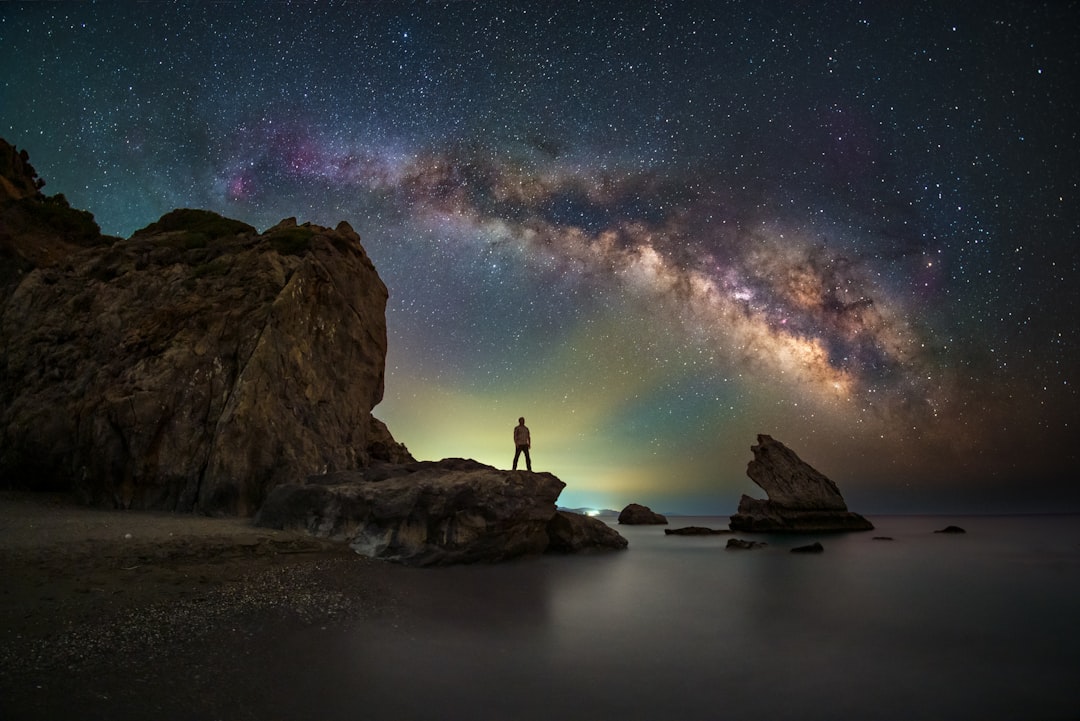
Unveiling the Hubble Palette: Exploring Astrophotography
The night sky, a canvas of cosmic wonders, has captivated humanity for millennia. For centuries, our understanding of the universe was limited to what the naked eye could perceive and the early, rudimentary telescopes could reveal. However, with the advent of advanced observational tools, particularly the Hubble Space Telescope, our perspective has been irrevocably transformed. Hubble’s breathtaking images have not only expanded our astronomical knowledge but have also introduced the world to a unique aesthetic – the “Hubble Palette.” This is not a literal palette of paints, but rather a distinctive way of assigning colors to astronomical data, imbuing the distant cosmos with vibrancy and revealing details previously unseen. Exploring astrophotography through the lens of the Hubble Palette offers a profound journey into the heart of scientific discovery and artistic interpretation.
Astrophotography, the practice of capturing images of celestial objects, has a rich and evolving history. Its roots lie in the early days of photography itself, when astronomers recognized the potential of this new technology to record and analyze the faint light of stars and nebulae.
The Nascent Stages: Daguerreotypes and Beyond
The very first astrophotographs were crude by today’s standards, but revolutionary for their time. In the mid-19th century, pioneers like John Adams Whipple and William Cranch Bond utilized daguerreotypes to capture images of the Moon. These early endeavors, though plagued by long exposure times and technical limitations, marked a crucial step towards objective astronomical record-keeping. The painstaking process required immense patience and skill, with the shortest exposures still measuring in minutes. Despite the challenges, these early images provided astronomers with valuable data, allowing for more precise measurements of celestial positions and a clearer view of lunar features.
The Rise of Photographic Plates: Expanding the Reach
As photographic technology advanced, glass photographic plates replaced daguerreotypes. These offered better sensitivity and the ability to produce multiple copies. Astronomers could now capture fainter objects and spend longer periods observing, leading to the discovery of new galaxies, nebulae, and asteroids. The Harvard College Observatory, in particular, became a hub for photographic astronomy, amassing a vast archive of plate collections that continue to be mined for scientific research even today. This era saw the systematic cataloging of the night sky, laying the groundwork for much of our modern astronomical understanding.
The Digital Age: Revolutionizing Imaging and Analysis
The digital revolution brought about an even more profound transformation. Digital cameras, with their increased sensitivity, wider dynamic range, and immediate feedback, made astrophotography far more accessible and efficient. The ability to process and enhance digital data allowed astronomers to extract subtle details that were previously lost or difficult to discern. This digital shift paved the way for sophisticated instruments like the Hubble Space Telescope, which, while not a digital camera in the traditional sense of its early missions, utilized advanced digital detectors to capture and transmit its iconic images. The raw data from these instruments, once processed, formed the foundation for the vibrant and scientifically informative images we associate with modern astrophotography.
For those interested in delving deeper into the fascinating world of Hubble palette astrophotography, a related article that provides valuable insights is available at this link: Freaky Science. This article explores the techniques and principles behind the Hubble palette, offering a comprehensive understanding of how colors are used to represent different wavelengths of light in astronomical images. Whether you are a seasoned astrophotographer or a curious beginner, this resource will enhance your appreciation of the stunning visuals captured by telescopes.
Hubble’s Eye on the Universe: The Science Behind the Spectacle
The Hubble Space Telescope, launched in 1990, has been an unparalleled instrument in our quest to understand the cosmos. Its location above Earth’s atmosphere provides a clear, unobstructed view, allowing it to capture images of unprecedented detail and clarity. However, the “Hubble Palette” is not a direct representation of what the human eye sees. Instead, it’s a deliberate and scientifically driven process of color assignment that unlocks the secrets hidden within the data.
Capturing the Invisible: Beyond the Visible Spectrum
Hubble, like many advanced telescopes, doesn’t just capture visible light. Its instruments are designed to detect radiation across a much broader spectrum, including infrared and ultraviolet light. These invisible wavelengths carry crucial information about the temperature, composition, and dynamics of celestial objects. For instance, infrared light can penetrate dust clouds that obscure visible light, revealing star-forming regions or the centers of galaxies. Ultraviolet light can indicate the presence of hot, young stars or energetic processes.
The Art and Science of False Color: Translating Data into Vision
The concept of “false color” is central to the Hubble Palette. Astronomical observations often capture light in specific wavelength bands. To make these data comprehensible and visually appealing, scientists assign colors to these bands. This isn’t arbitrary; the chosen colors are often scientifically motivated. For example, emission nebulae, which are clouds of gas excited by young stars, often emit strongly in specific wavelengths of hydrogen, oxygen, and sulfur. By assigning distinct colors – typically red for hydrogen, green for sulfur, and blue for oxygen – astronomers can highlight the distribution and relative abundances of these elements, revealing the intricate structures within the nebula.
Illustrating Physical Processes: Revealing the Unseen
The application of false color is not merely for aesthetic purposes; it’s a powerful tool for scientific illustration. By mapping different wavelengths to specific colors, scientists can visually represent physical processes that are otherwise invisible. For instance, the temperature of gas clouds can be represented by color gradients, with hotter regions appearing bluer and cooler regions redder. The movement of gas can be visualized by assigning colors to Doppler shifts. This translation of invisible data into a visual format allows for a deeper understanding and easier communication of complex astronomical phenomena.
The Pillars of the Hubble Palette: Key Color Assignments and Their Meanings
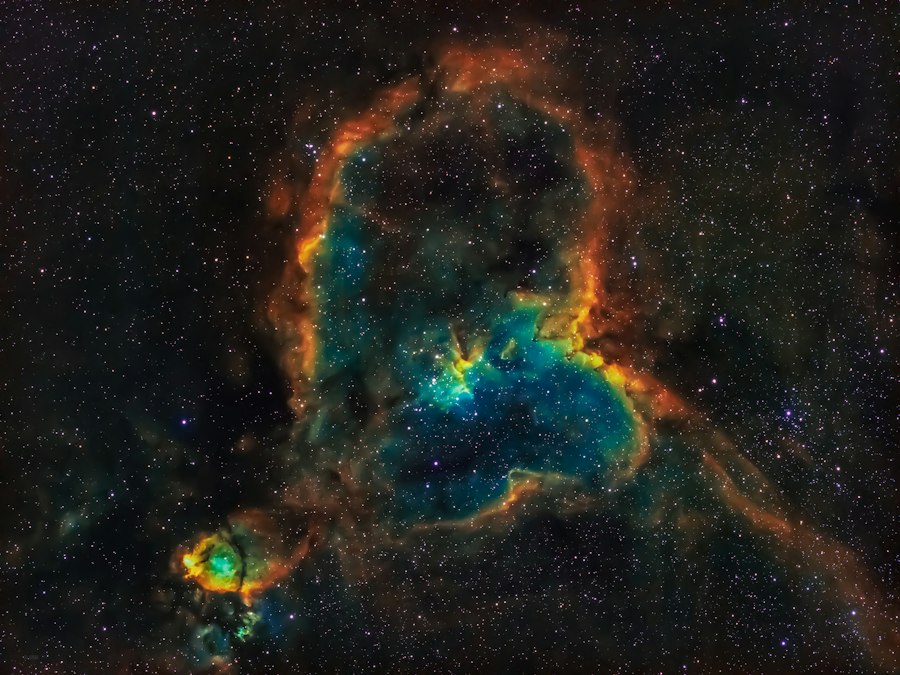
The Hubble Palette is not a monolithic entity; rather, it is built upon a set of commonly used color assignments that have become standard in astronomical imaging. These assignments, while subject to variation depending on the specific scientific goals of an image, follow certain conventions that help convey scientific information effectively.
The “Natural Color” Illusion: Mimicking Human Perception
While many Hubble images are famous for their vibrant, artificial colors, the telescope also aims to produce “natural color” images whenever possible. This involves carefully combining data from different filters that correspond closely to the red, green, and blue sensitivity of the human eye. The goal here is to provide viewers with an approximation of what they might see if their eyes were far more sensitive and could perceive the true colors of the universe. Even in these “natural” representations, the enhanced detail and clarity are a testament to Hubble’s capabilities.
The Iconic “Hubble-Gold” and Its Cousins: Representing Key Elements
The most recognizable aspect of the Hubble Palette is its frequent use of specific color combinations to represent key elements. The aforementioned red for hydrogen, green for sulfur, and blue for oxygen in nebulae is a prime example. This trichromatic approach, often referred to as a “mapped” or “false color” image, allows for the clear differentiation of these elements and the structures they form. When observing a star-forming region, for instance, these colors can highlight the areas where hydrogen is abundant and being ionized, alongside regions rich in sulfur and oxygen, revealing the complex interplay of stellar winds and gas clouds.
Beyond the Trichromatic: Expanding the Color Vocabulary
While the three-color system is prevalent, the Hubble Palette is not limited to it. Astronomers may use additional filters to capture different wavelengths and then map them to a broader spectrum of colors. For instance, infrared data might be assigned colors like cyan, magenta, or yellow to represent specific molecular compounds or thermal signatures. This expands the palette and allows for the visualization of even more complex physical and chemical processes occurring in celestial objects. The choice of color here often depends on the scientific narrative the image is intended to tell, guiding the viewer’s interpretation of the data.
Unlocking Cosmic Secrets: The Scientific Significance of Color
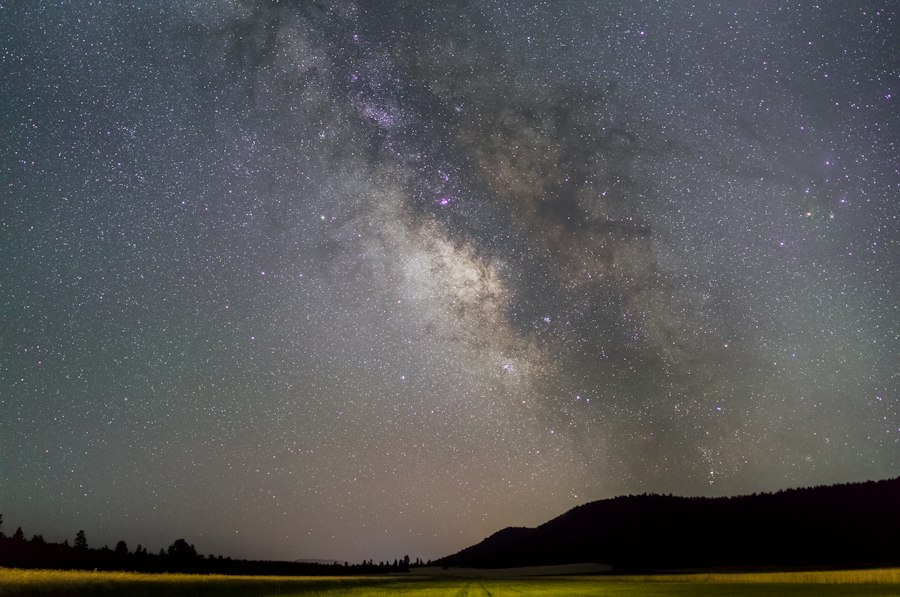
The Hubble Palette is more than just visually striking; it is a crucial tool for scientific research, enabling astronomers to decipher the composition, temperature, and physical processes of distant celestial bodies. The deliberate assignment of colors allows for a deeper understanding that would be impossible with simple monochrome images.
Mapping Elemental Abundances: A Chemical Inventory of the Cosmos
By assigning specific colors to different wavelengths of emitted or absorbed light, astronomers can effectively create a chemical map of the universe. For example, if a particular emission line is strongly associated with iron, and that line is captured and mapped to a specific color, then the distribution of that color in an image directly correlates to the distribution of iron. This allows for the identification of the building blocks of stars, planets, and even life itself within distant galaxies and nebulae.
Revealing Temperature Gradients and Stellar Activity
Color is an intrinsic indicator of temperature for many celestial phenomena. For instance, the color of a star is directly related to its surface temperature, with hotter stars appearing bluer and cooler stars appearing redder. In nebulae, different colors can represent regions of varying gas temperatures. By mapping specific wavelength ranges associated with certain temperature bands to distinct colors, astronomers can visualize these gradients, identifying hot spots created by young, massive stars or cooler, denser regions where stars are likely to form. This also helps in understanding stellar winds and their impact on surrounding gas.
Tracing Dynamics and Energetic Events: Visualizing the Unseen Forces
The Hubble Palette can also be used to visualize dynamic processes and energetic events. For example, the Doppler effect, which causes light to shift in wavelength due to motion, can be translated into color variations. This allows astronomers to map the movement of gas within galaxies or nebulae, revealing outflows from black holes, supernova remnants expanding, or the churning of interstellar gas. The presence of high-energy particles or radiation can also be detected in specific wavelengths and mapped to colors, highlighting the most energetic and dynamic regions of the universe.
Hubble palette astrophotography is a fascinating technique that allows astronomers to create stunning images of celestial objects by using specific filters to capture different wavelengths of light. For those interested in exploring this topic further, a related article can provide additional insights into the process and its applications. You can read more about it in this informative piece on Freaky Science, where the intricacies of color mapping in astrophotography are explained in detail. Understanding these concepts can enhance your appreciation of the beauty and complexity of the universe.
The Aesthetic Appeal and Educational Power of the Hubble Palette
| Color | Filter | Represented Emission |
|---|---|---|
| Red | Sulfur II | Ionized hydrogen gas |
| Green | Hydrogen Alpha | Ionized hydrogen gas |
| Blue | Oxygen III | Ionized oxygen gas |
Beyond its scientific utility, the Hubble Palette has had a profound impact on public perception and understanding of astronomy. The vivid, awe-inspiring images have ignited curiosity and a sense of wonder about our place in the cosmos.
Inspiring Wonder and Curiosity: The Gateway to the Universe
The iconic images produced by Hubble, with their rich colors and intricate details, have served as a powerful gateway for public engagement with science. They have transcended the scientific community, adorning textbooks, websites, and art galleries, bringing the wonders of the universe into everyday life. This visual richness fosters a sense of awe and inspires countless individuals, particularly young people, to explore the field of astronomy and science in general. The sheer beauty of these images often acts as the first spark of interest.
Bridging Science and Art: A New Visual Language
The Hubble Palette represents a unique intersection of science and art. The careful consideration of color choices, while rooted in scientific data, results in images that are aesthetically captivating. This blurring of lines has led to new forms of visual communication, where scientific discoveries are presented in a way that is both informative and emotionally resonant. The “art” of astrophotography, particularly through the Hubble Palette, allows for a deeper, more intuitive appreciation of the universe’s grandeur.
Communicating Complex Concepts: Making the Universe Accessible
The ability to translate complex scientific data into visually understandable formats is a key strength of the Hubble Palette. By using color to highlight specific features or processes, astronomers can effectively communicate intricate concepts to a broad audience. This visual storytelling makes abstract ideas about cosmic evolution, stellar lifecycles, and galactic interactions more tangible and relatable. The educational impact of these images cannot be overstated, making the universe feel less distant and more accessible to everyone.
In conclusion, the Hubble Palette is far more than just a collection of pretty pictures. It is a sophisticated system of color assignment, deeply rooted in scientific principles, that allows us to perceive and understand the universe in ways previously unimaginable. From the early days of photographic plates to the digital revolution and the unparalleled capabilities of the Hubble Space Telescope, astrophotography has continuously pushed the boundaries of our knowledge. The Hubble Palette, with its ability to reveal invisible wavelengths, map elemental abundances, and illustrate dynamic cosmic processes, serves as both a powerful scientific tool and an extraordinary artistic expression, inviting us all to gaze upon the cosmos with newfound wonder and understanding.

The Space Photos Are Real—But Your Eyes Would See This
FAQs
What is Hubble palette astrophotography?
Hubble palette astrophotography is a technique used by astrophotographers to create color images of deep space objects using narrowband filters. It is named after the Hubble Space Telescope, which uses a similar technique to capture stunning images of the universe.
How does Hubble palette astrophotography work?
Hubble palette astrophotography involves using narrowband filters that isolate specific wavelengths of light emitted by ionized gases in space. These filters are typically designed to capture light emitted by hydrogen-alpha, oxygen III, and sulfur II. By assigning these narrowband filters to specific colors (such as red for hydrogen-alpha, green for oxygen III, and blue for sulfur II), astrophotographers can create false-color images that reveal the intricate details of celestial objects.
What are the benefits of using the Hubble palette in astrophotography?
The Hubble palette allows astrophotographers to capture and highlight the intricate details of nebulae, supernova remnants, and other deep space objects that may not be visible in standard RGB (red, green, blue) images. By using narrowband filters, astrophotographers can enhance the contrast and reveal the complex structures and interactions of ionized gases in space.
What equipment is needed for Hubble palette astrophotography?
To create Hubble palette astrophotography images, astrophotographers typically use a telescope with a motorized equatorial mount, a monochrome astronomical camera, narrowband filters (such as hydrogen-alpha, oxygen III, and sulfur II), and image processing software. Additionally, a computerized telescope control system and autoguiding equipment may be used to accurately track and capture long-exposure images of deep space objects.
Can Hubble palette astrophotography be done from light-polluted areas?
Hubble palette astrophotography can be challenging in light-polluted areas due to the need for long-exposure imaging and the sensitivity of narrowband filters to light pollution. However, astrophotographers can mitigate the effects of light pollution by using light pollution filters, imaging narrowband filters from a location with darker skies, or utilizing narrowband filters that specifically target the wavelengths of light emitted by ionized gases in space.