
You’ve likely experienced it, or at least heard about it: the ethereal drift into unconsciousness as the anesthesiologist guides you through the process. You surrender your awareness, your senses dim, and the world outside ceases to be. Then, a gentle awakening, a hazy recollection of sounds, and a profound return to self. But what truly happens within your brain during this state of orchestrated oblivion? Uncovering brain networks and consciousness under anesthesia is a journey into the intricate symphony of your neural landscape, a quest to understand how such a fundamental shift in your subjective experience is orchestrated.
When you think about anesthesia, you might picture a simple switch being flipped, turning off your brain. The reality, however, is far more nuanced and fascinating. Anesthesia doesn’t simply shut down your brain; it fundamentally alters the way its complex networks communicate and process information. It’s a carefully choreographed disruption, designed to selectively impair specific functions while maintaining vital ones. This isn’t a blunt instrument; it’s a sophisticated manipulation of neural activity that leaves you unaware of your surroundings and unable to form new memories.
The Mechanisms of Induction: A Chemical Intervention
The journey into unconsciousness begins with the administration of anesthetic agents. These are typically inhaled gases or intravenous drugs, each with its unique chemical structure and mode of action. You’ll feel a wave of relaxation, perhaps a slight lightheadedness, as these substances begin to flood your system. Your brain, accustomed to its usual patterns of activity, is now encountering novel chemical signals that disrupt its delicate balance.
Neurotransmitter Havoc: Interfering with the Brain’s Messengers
At the molecular level, anesthetics wreak havoc on the brain’s neurotransmitter systems, the chemical messengers that allow neurons to communicate with each other. They often target the inhibitory neurotransmitter GABA (gamma-aminobutyric acid), essentially turning up its volume. This means that neurons become less likely to fire, creating a widespread dampening effect on neural activity. Imagine a busy party where everyone is talking, and then someone starts shouting instructions to quiet down – that’s a simplified analogy for how anesthetics can enhance inhibitory signals.
Excitatory Receptors Under Siege: Silencing the Signals
Conversely, anesthetics also interfere with excitatory neurotransmitter systems, such as glutamate. These systems are responsible for exciting neurons and driving activity. By blocking or modulating the receptors for these excitatory signals, anesthetics further contribute to the reduction in overall brain excitability. It’s like trying to start a car but finding that the fuel line is intermittently cut off and the ignition system is being dampened.
The Progressive Loss of Function: From Awareness to Amnesia
As the anesthetic agents take hold, you’ll notice a progressive loss of your ability to interact with the world. This isn’t an instantaneous switch but a gradual fading. You might still hear sounds, but their significance and your ability to process them will diminish.
Auditory Perception: The Fading Echoes
While you might perceive sounds, your brain’s ability to make sense of them is severely compromised. The complex auditory processing that allows you to distinguish voices, music, or alarms is disrupted. You might hear the anesthesiologist’s voice, but it won’t carry the same meaning or urgency as it would when you’re awake. This is a critical aspect of anesthesia – you are protected from the distress of knowing what is happening around you.
Sensory Integration: The Disconnect Between Senses
Anesthesia doesn’t just affect individual senses; it disrupts the brain’s ability to integrate information from different sensory modalities. You might feel the pressure of a hand or the coolness of a swab, but your brain struggles to combine these sensations with visual cues or auditory information to form a coherent picture of your environment. This fragmentation contributes to the feeling of detachment and the subsequent amnesia.
Recent studies have explored the intricate relationship between brain networks and consciousness, particularly in the context of anesthesia. An insightful article on this topic can be found at Freaky Science, which delves into how different anesthetic agents affect brain connectivity and the potential implications for understanding consciousness. This research not only sheds light on the mechanisms of anesthesia but also raises important questions about the nature of consciousness itself.
Mapping the Unconscious Brain: Networks Under Siege
The most profound impact of anesthesia is on the brain’s intricate network of connections. Consciousness isn’t localized to a single spot; it arises from the dynamic interplay of numerous brain regions. Anesthesia targets these communication pathways, effectively dismantling the machinery of conscious awareness.
The Default Mode Network: The Quietening of the Inner Voice
One of the most frequently studied networks under anesthesia is the Default Mode Network (DMN). This network is highly active when your mind is at rest, engaged in internal thought, daydreaming, or self-reflection. It’s your inner voice, the architect of your internal narrative. As anesthesia takes hold, the DMN’s activity significantly decreases. The vibrant internal dialogue that characterizes your waking consciousness is silenced, replaced by a profound lack of self-referential thought.
DMN Deactivation: The Loss of Self-Awareness
The deactivation of the DMN is a key marker of anesthetic-induced unconsciousness. When this network is suppressed, your sense of self, your ability to introspect, and your awareness of your own existence fade. This is why, upon waking, you don’t have memories of your internal thoughts or feelings during anesthesia; the network responsible for generating and maintaining those experiences has been temporarily put to sleep.
Connectivity Shifts: The Fragmentation of Internal Coherence
Beyond simple deactivation, anesthesia also disrupts the way different parts of the DMN communicate with each other. These regions, which are normally tightly synchronized, become desynchronized. This fragmentation means that the coherent internal narrative that you experience when awake is lost. It’s like the different sections of an orchestra playing their own tune, rather than working together to create a harmonious piece.
The Salience Network: Losing Your Grip on What Matters
The Salience Network is another crucial player in consciousness. It’s responsible for identifying and prioritizing important stimuli, both internal and external. It helps you filter out irrelevant information and focus on what is relevant to your survival and well-being. Under anesthesia, the Salience Network’s ability to detect and respond to significant events is severely impaired.
Salience Detection Impairment: Missing the Important Signals
Imagine a situation where something critically important is happening around you – a sudden loud noise, a change in your physiological state. Your Salience Network would normally flag this as important, prompting a conscious response. Anesthesia blunts this network’s sensitivity, meaning you are less likely to detect or react to even potentially alarming stimuli. This is a critical safety feature of anesthesia, preventing you from experiencing fear or distress.
Integration Breakdown: The Failure to Connect Stimuli to Meaning
The Salience Network also plays a role in integrating sensory information with emotional and cognitive relevance. Anesthesia disrupts this process, making it difficult for your brain to assign meaning or significance to incoming stimuli. Even if you could process sensory input, the Salience Network’s inability to prioritize would prevent it from reaching conscious awareness.
The Architecture of Consciousness: How Networks Come Together
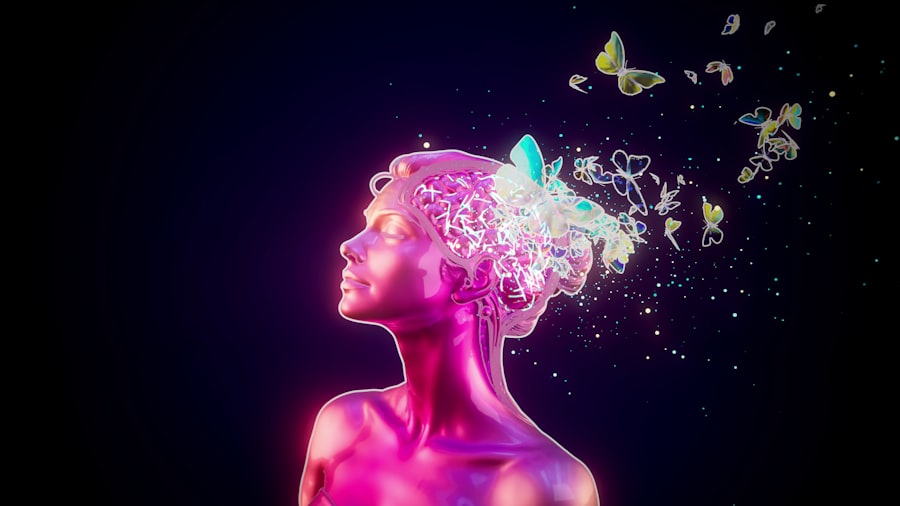
Consciousness isn’t just about individual networks; it’s about how these networks interact and integrate information across the entire brain. Anesthesia doesn’t just affect single networks; it disrupts the very fabric of this integration, leading to a state of global functional disconnectivity.
Global Functional Connectivity: The Widespread Disruption
One of the most striking findings in the study of anesthesia and consciousness is the widespread reduction in global functional connectivity. This refers to the degree to which different brain regions communicate with each other, regardless of their specific functional roles. Under anesthesia, this overall communication network becomes significantly less interconnected.
Reduced Information Integration: The Brain’s Communication Breakdown
Imagine your brain as a highly efficient global communication system. Anesthesia acts like a widespread network outage, disrupting the flow of information between distant brain regions. This breakdown in information integration is a hallmark of unconsciousness. Your brain is still active, but its ability to share and synthesize information across its vast expanse is severely hampered.
Hubs and Spokes: The Disruption of Central Connectors
Certain brain regions, often referred to as “hubs,” play a critical role in connecting various networks. These are like major airports in a global travel network. Anesthesia can disrupt the connectivity of these hubs, further impairing the brain’s ability to integrate information. When these central connectors falter, the entire communication system becomes fragmented.
Cortical Complexity: The Loss of Intricate Patterns
The complexity of neural activity, the intricate patterns of firing and communication between neurons, is also diminished under anesthesia. This complexity is thought to be a signature of conscious processing. As anesthesia deepens, these complex patterns become simpler and more predictable, reflecting a loss of the rich neural dynamics associated with awareness.
Reduced Neural Oscillations: The Fading of Brain Waves
Neural oscillations, or brain waves, are rhythmic patterns of electrical activity in the brain. Different frequencies of these oscillations are associated with different cognitive states. Under anesthesia, the power and complexity of these oscillations are often reduced, particularly in higher frequency bands associated with cognitive processing. It’s like a complex symphony being reduced to a simpler, monotonous rhythm.
Loss of Emergent Properties: The Absence of “More Than the Sum of Its Parts”
Consciousness is often described as an emergent property, meaning it arises from the complex interactions of its components and is more than simply the sum of those individual parts. Anesthesia disrupts these interactions, leading to a loss of these emergent properties. The coordinated firing and communication that give rise to conscious experience are temporarily absent.
Reconnecting to the World: The Anesthesia Reversal and Wake-Up Process

The anesthetic journey isn’t complete until you’re safely back in the realm of consciousness. The reversal of anesthesia is as carefully managed as the induction, with the goal of restoring normal brain function and network connectivity.
The Gradual Return: Rebuilding the Neural Symphony
As the anesthetic agents are withdrawn or metabolized by your body, your brain begins the process of waking up. This is typically a gradual and layered process, with different brain regions and networks regaining their function at varying rates. You’ll likely experience a progression of awareness, from grogginess to a clearer understanding of your surroundings.
Recovery of Sensory Processing: The Senses Rekindled
Your sensory systems are among the first to begin recovering their function. You might start to hear more clearly, to feel more acutely, and to process visual information more effectively. This gradual reawakening of your senses allows you to begin orienting yourself to your environment.
Resurgence of Network Connectivity: The Bridges Rebuilt
As your brain recovers, the communication pathways between different regions begin to re-establish themselves. The de-activated networks, like the DMN and Salience Network, start to regain their activity. Global functional connectivity is restored, allowing for the reintegration of information across the brain. It’s like the bridges between cities being repaired, allowing for the free flow of traffic once again.
The Role of Consciousness Theories: Guiding the Investigation
Understanding how anesthesia impacts brain networks has profound implications for our understanding of consciousness itself. Theories of consciousness, such as Integrated Information Theory (IIT) and Global Neuronal Workspace Theory (GNWT), provide frameworks for interpreting these findings and guiding future research.
Integrated Information Theory (IIT): Measuring the Irreducibility of Experience
IIT proposes that consciousness is a measure of how much a system can integrate information. Under anesthesia, the ability of the brain to integrate information is drastically reduced, leading to a corresponding decrease in the level of consciousness. By quantifying this loss of integration, researchers can gain insights into the fundamental nature of conscious experience.
Global Neuronal Workspace Theory (GNWT): The Broadcast of Information
GNWT suggests that consciousness arises when information is broadcast to a widespread network of brain areas, making it globally available for processing. Anesthesia disrupts this global broadcasting mechanism, preventing information from reaching the widespread neuronal workspace and thus rendering it unconscious. Observing how anesthesia affects this broadcasting process helps validate and refine this theory.
Recent research has shed light on the intricate relationship between brain networks and consciousness, particularly in the context of anesthesia. A fascinating article discusses how different brain regions interact and how these interactions may influence our awareness during surgical procedures. For those interested in exploring this topic further, you can read the full article here: brain networks and consciousness. Understanding these dynamics not only enhances our knowledge of consciousness but also has significant implications for anesthetic practices and patient care.
Future Directions: Towards a Deeper Understanding
| Brain Networks | Consciousness under Anesthesia |
|---|---|
| Default Mode Network (DMN) | Decreased activity leading to loss of self-awareness |
| Frontoparietal Network (FPN) | Disrupted connectivity affecting cognitive functions |
| Salience Network (SN) | Altered processing of external stimuli and internal thoughts |
| Thalamocortical Network | Impaired transmission of sensory information to the cortex |
The study of brain networks and consciousness under anesthesia is a dynamic and rapidly evolving field. As our technological capabilities advance, so too does our ability to probe the intricate workings of the anesthetized brain.
Advanced Neuroimaging Techniques: Seeing the Unseen
New and improved neuroimaging techniques, such as high-density electroencephalography (EEG) and advanced functional magnetic resonance imaging (fMRI), are providing unprecedented detail about brain activity during anesthesia. These tools allow researchers to observe changes in network connectivity and neural activity with greater precision, offering a more nuanced understanding of the anesthetic state.
Real-time Network Analysis: Capturing the Dynamic Dance
The ability to analyze brain network dynamics in real-time is a significant breakthrough. This allows researchers to observe how networks form, dissolve, and reconfigure themselves during the induction and reversal of anesthesia, providing a dynamic picture of the brain’s response rather than static snapshots.
Personalized Anesthesia: Tailoring the Experience
By understanding how anesthesia affects individual brain networks, researchers hope to pave the way for more personalized anesthetic approaches. This could involve tailoring anesthetic regimens to an individual’s specific brain structure and function, potentially leading to safer and more effective anesthetic care. Imagine an anesthetic that is precisely calibrated to your unique neural landscape, optimizing your experience and recovery.
Ethical Considerations and Patient Care: The Human Element
Beyond the scientific pursuit of knowledge, the study of anesthesia and consciousness has direct implications for patient care and ethical considerations. Understanding the mechanisms of unconsciousness helps ensure patient safety and improves the overall experience of undergoing surgery.
Minimizing Anesthetic Side Effects: Towards a Smoother Recovery
A deeper understanding of how anesthetics affect brain networks can lead to the development of agents with fewer side effects and a faster recovery time. This translates to less post-operative confusion, reduced nausea, and a quicker return to normal cognitive function.
Ethical Implications of Consciousness Monitoring: The Boundaries of Awareness
The ongoing research into consciousness under anesthesia also raises important ethical questions about the boundaries of awareness during medical procedures. Developing reliable methods to monitor the depth of anesthesia and ensure that patients remain truly unaware is paramount to ethical medical practice.
The journey into the anesthetized brain is a testament to the incredible complexity and adaptability of your neural architecture. By meticulously dissecting the way anesthesia alters brain networks, you are not just unraveling the mystery of unconsciousness; you are gaining a profound appreciation for the intricate machinery that underpins your conscious experience, a masterpiece of biological engineering that allows you to perceive, interact with, and ultimately, be yourself in the world.

You’re Not Asleep Under Anesthesia. So Where Do You Go?
FAQs
What are brain networks?
Brain networks are interconnected regions of the brain that work together to perform specific functions, such as sensory processing, motor control, and cognitive tasks. These networks are essential for the brain to carry out its various functions and are involved in processes such as consciousness, attention, and memory.
How does anesthesia affect brain networks?
Anesthesia disrupts the normal functioning of brain networks by altering the communication between different regions of the brain. This disruption can lead to a loss of consciousness and a decrease in the brain’s ability to process sensory information and respond to stimuli.
What is the relationship between brain networks and consciousness under anesthesia?
Research suggests that the disruption of brain networks by anesthesia is closely related to the loss of consciousness experienced during anesthesia. Specific brain networks, such as the default mode network and the thalamocortical network, have been implicated in the maintenance of consciousness, and their disruption under anesthesia can lead to a loss of awareness.
Can brain networks be used to monitor consciousness under anesthesia?
Yes, advancements in neuroimaging techniques have allowed researchers to monitor the activity of brain networks during anesthesia. By studying the changes in brain network activity, researchers can gain insights into the mechanisms underlying consciousness and anesthesia, and develop methods for monitoring and maintaining consciousness during surgical procedures.
What are the implications of understanding brain networks and consciousness under anesthesia?
Understanding the relationship between brain networks and consciousness under anesthesia has important implications for improving patient care during surgical procedures. By developing a better understanding of how anesthesia affects brain networks and consciousness, researchers and clinicians can work towards developing safer and more effective anesthesia techniques, as well as improving patient outcomes and recovery.