
You are awake. You are experiencing the world. But what is this experience? This subjective, internal universe of thoughts, feelings, and perceptions – this is consciousness. For centuries, philosophers have grappled with its nature, its origins, and its very essence. Now, the tools of neuroscience are beginning to illuminate the underlying mechanisms, and a central theme emerges with increasing clarity: the profound impact of brain connectivity on consciousness.
Your conscious experience isn’t a single, isolated event. Instead, it’s a dynamic interplay of information flowing between vast networks of neurons, each communicating with others in intricate patterns. Imagine your brain not as a collection of independent units, but as a bustling metropolis, with billions of residents (neurons) sending signals through an incredibly complex road system (synapses and neural pathways). The efficiency, robustness, and specific organization of these connections are not merely background noise; they are, in many ways, the very architects of your awareness. This article will delve into how the intricate web of your brain’s connectivity shapes, sustains, and even defines your conscious reality.
At the most fundamental level, consciousness relies on the ability of your neurons to communicate. This communication happens through electrical and chemical signals, transmitted across tiny gaps called synapses. The strength and efficiency of these synaptic connections are not fixed; they are remarkably adaptable. This adaptability, known as synaptic plasticity, is crucial for learning, memory, and ultimately, for the flexible and ever-evolving nature of your conscious experience.
How Neurons Talk to Each Other
Your neurons are specialized cells designed for transmitting information. When an electrical signal, an action potential, reaches the end of a neuron’s axon, it triggers the release of chemical messengers called neurotransmitters into the synaptic cleft. These neurotransmitters then bind to receptors on the next neuron, either exciting it (making it more likely to fire) or inhibiting it (making it less likely to fire). This constant barrage of excitatory and inhibitory signals, occurring billions of times per second, forms the bedrock of all brain activity, including your conscious thoughts.
The Role of Neurotransmitters
The specific types of neurotransmitters involved and their precise balance are critical. For example, dopamine plays a role in reward and motivation, influencing your conscious desires and goals. Serotonin is implicated in mood regulation, affecting your subjective feelings of well-being. Glutamate, the primary excitatory neurotransmitter, is essential for fast synaptic transmission, while GABA, the primary inhibitory neurotransmitter, helps to regulate neuronal excitability and prevent runaway activity. Disruptions in the delicate balance of these chemical messengers can profoundly alter your conscious state, leading to conditions like depression, anxiety, or even psychosis. You might not consciously think about these chemicals, but their actions are directly shaping your internal landscape.
Synaptic Plasticity: The Brain’s Ability to Rewire Itself
The truly remarkable aspect of neuronal communication is its plasticity. Synaptic connections can be strengthened or weakened based on their activity. This phenomenon, known as Hebbian learning (“neurons that fire together, wire together”), means that as you repeatedly engage in certain thoughts, actions, or learn new information, the neural pathways involved become more robust and efficient. This is why practicing a skill makes you better at it; the underlying neural circuits are literally being sculpted by your experiences.
Long-Term Potentiation and Depression
Two key mechanisms of synaptic plasticity are long-term potentiation (LTP) and long-term depression (LTD). LTP refers to the strengthening of synaptic connections, making them more likely to transmit signals in the future. LTD, conversely, weakens these connections. Imagine a popular route in your brain’s metropolis; LTP is like widening that road and adding more lanes, making it easier and faster for traffic to flow. LTD is like closing off less-used paths, conserving resources and streamlining the overall network. This constant refinement of synaptic strengths allows your brain to adapt and learn, a process that is intrinsically linked to the continuous evolution of your conscious awareness.
Recent research has shed light on the intricate relationship between brain connectivity and consciousness, suggesting that the way different regions of the brain communicate with each other plays a crucial role in shaping our conscious experiences. For a deeper understanding of this fascinating topic, you can explore the article on brain connectivity and its implications for consciousness at Freaky Science. This article delves into the latest findings and theories that illustrate how neural networks contribute to our awareness and perception of the world around us.
The Architecture of Awareness: Global Brain Networks
While individual neuronal communication is vital, consciousness doesn’t arise from isolated conversations. It emerges from the synchronized activity of large-scale, distributed brain networks. These networks are not static structures but dynamic entities that engage and disengage depending on your current mental state. Understanding the interplay between these networks is key to understanding how your brain constructs your subjective reality.
The Default Mode Network (DMN)
One of the most extensively studied large-scale networks is the Default Mode Network (DMN). This network is most active when your mind is wandering, when you’re daydreaming, or reflecting on the past or future. It’s involved in self-referential thought, autobiographical memory retrieval, and social cognition. When you’re not actively engaged in a task, your DMN is humming along, weaving together your inner narrative.
DMN and Self-Consciousness
Your sense of self, that feeling of being a continuous, distinct entity, is deeply intertwined with the DMN. When you reflect on your own thoughts and feelings, when you consider your identity, the DMN is likely playing a central role. Disruptions to the DMN have been observed in various psychiatric conditions, suggesting that its proper functioning is crucial for a stable and coherent sense of self. You might think of the DMN as the brain’s internal projector, constantly running a movie of your life and your place within it.
The Salience Network (SN)
The Salience Network (SN) acts as a crucial switchboard, directing your attention to relevant internal and external stimuli. It helps you decide what information is important and deserves your conscious focus, and what can be filtered out. The SN works in conjunction with the DMN and the executive control network (ECN) to regulate your overall cognitive state.
SN as an Attentional Gatekeeper
When something unexpected happens, or when a thought or feeling becomes particularly strong, the SN detects this salience and signals other brain regions to engage or disengage accordingly. This constant monitoring and gating of information is essential for you to navigate the complexities of your environment and your internal world. Without an effective SN, you might be overwhelmed by stimuli or miss critical cues, leading to a fragmented or disoriented conscious experience.
The Executive Control Network (ECN)
The Executive Control Network (ECN) is responsible for higher-level cognitive functions such as planning, decision-making, working memory, and goal-directed behavior. It’s the network you engage when you’re trying to solve a problem, resist temptation, or focus on a challenging task. The ECN works in concert with the DMN and SN to manage your cognitive resources.
ECN and Goal-Directed Behavior
Your ability to consciously set and pursue goals is heavily reliant on the ECN. When you decide to learn a new language, write a book, or simply make dinner, your ECN is actively orchestrating the necessary cognitive processes. The intricate connections within the ECN allow for flexible and adaptive behavior, enabling you to consciously steer your actions towards desired outcomes.
The Dynamic Dance of Connectivity: Oscillations and Synchronization
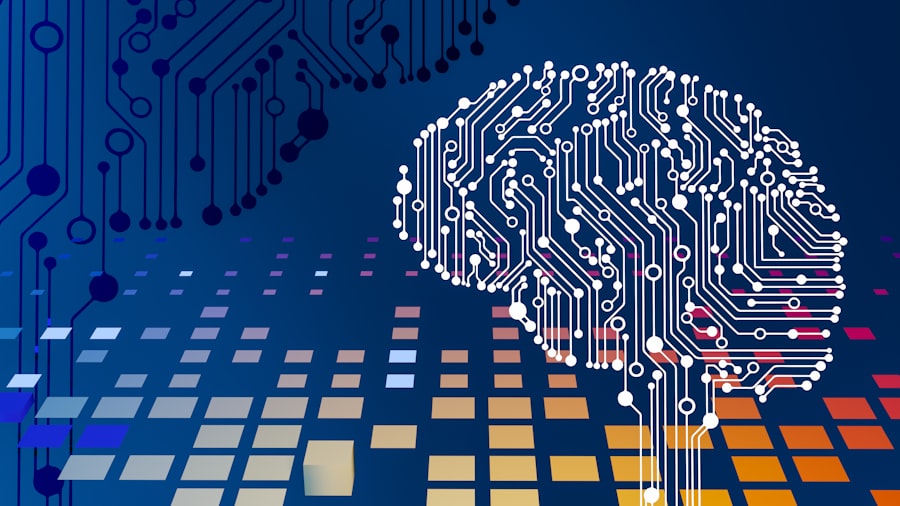
Consciousness isn’t just about the presence of connections; it’s about how information flows through them. Neuronal activity isn’t random; it exhibits rhythmic patterns called brain oscillations. The synchronization of these oscillations across different brain regions is believed to be a critical mechanism for binding together disparate pieces of information into a unified conscious experience.
Brain Oscillations: The Rhythmic Basis of Thought
Your brain is alive with electrical rhythms, oscillating at different frequencies. These frequencies are often categorized into bands: delta (slowest, associated with deep sleep), theta (sleep and memory), alpha (relaxed wakefulness), beta (active thinking and concentration), and gamma (high-frequency, thought to be involved in binding information). The specific patterns and frequencies of these oscillations change depending on your mental state.
Gamma Oscillations and Conscious Binding
Gamma oscillations, in particular, have been a focus of research in the context of consciousness. The “binding problem” refers to how your brain integrates various sensory inputs (e.g., the color, shape, and movement of an object) into a single, coherent perception. It’s hypothesized that when neurons involved in processing different aspects of the same object fire in synchrony at gamma frequencies, they become bound together, contributing to your unified conscious perception of that object. You don’t just see a red, round apple; you experience a single, unified object.
Neural Synchronization: The Symphony of Awareness
The synchronization of neuronal firing across spatially separated brain regions is thought to be a key mechanism for information sharing and integration. When different brain areas oscillate in step, they can effectively communicate and integrate their processing. This synchronized activity allows for the formation of complex neural assemblies that represent conscious percepts.
Synchrony and Information Integration
Imagine your brain as a symphony orchestra. Each section (brain region) plays its own part, but for a harmonious piece of music (conscious experience), they must play together, in sync. When different brain networks are synchronized, they can share and integrate information more effectively, leading to a richer and more coherent conscious experience. Conversely, a breakdown in synchronization can lead to fragmented perceptions or a lack of awareness.
Disruptions to Connectivity: When Consciousness Fades or Distorts
Understanding what happens when brain connectivity is altered provides crucial insights into its role in consciousness. Conditions that disrupt the normal patterns of neural communication often lead to profound changes in conscious experience, ranging from a diminished sense of awareness to complete loss of consciousness.
Anesthesia and the Loss of Awareness
General anesthesia provides a powerful example of how disrupted brain connectivity leads to a reversible loss of consciousness. Anesthetics work by modulating the activity of various neurotransmitter systems and disrupting the synchronized firing of neurons, particularly in large-scale networks involved in maintaining awareness. The anesthetic essentially silences the complex communication that underlies your subjective experience.
Impact of Anesthetics on Network Reorganization
Research shows that anesthetics tend to reduce the efficiency of information transfer between different brain regions. They can suppress gamma oscillations and disrupt the functional connectivity between networks like the DMN and ECN, effectively dismantling the intricate architecture necessary for consciousness. Upon waking, as the anesthetic wears off, these connections are gradually restored, and your awareness returns.
Brain Injury and Altered States of Consciousness
Traumatic brain injury (TBI), stroke, or neurodegenerative diseases can cause damage to specific brain regions or pathways, leading to a range of altered states of consciousness. These can include coma, vegetative state, minimally conscious state, or more subtle changes in perception, cognition, and emotion.
Lesions and Network Integrity
When a brain lesion occurs, it can sever crucial connections within or between networks. This interruption can prevent information from flowing properly, impairing the brain’s ability to integrate sensory information, maintain self-awareness, or engage in complex thought. The severity and location of the lesion will determine the specific nature of the impact on your conscious experience. You might find that certain memories are inaccessible, that your ability to plan is impaired, or that your sense of self is fundamentally altered.
Disorders of Consciousness and Brain Connectivity
Many neurological and psychiatric disorders are characterized by disruptions in brain connectivity. For instance, schizophrenia is associated with altered connectivity in networks involved in executive function and social cognition, potentially contributing to its characteristic symptoms like hallucinations and disorganized thought. Similarly, conditions like depression and anxiety can involve changes in the connectivity of mood-regulating circuits.
Connectivity Signatures of Neurological and Psychiatric Conditions
By studying the patterns of brain connectivity in individuals with these conditions, researchers are gaining a deeper understanding of their underlying mechanisms. This knowledge holds the promise of developing more targeted and effective treatments that aim to restore healthy brain communication, thereby improving conscious experience and overall well-being. You might not feel the electrical impulses, but their disruption is directly impacting your inner world.
Recent research has shed light on the intricate relationship between brain connectivity and consciousness, suggesting that the way different regions of the brain communicate with each other plays a crucial role in shaping our conscious experience. For a deeper understanding of this fascinating topic, you can explore an insightful article that discusses various aspects of brain connectivity and its implications for consciousness. This article can be found at Freaky Science, where it delves into the mechanisms that underlie our awareness and perception.
The Future of Understanding: Brain-Computer Interfaces and Consciousness Research
| Brain Connectivity | Effect on Consciousness |
|---|---|
| Increased connectivity | Enhanced overall consciousness and cognitive function |
| Decreased connectivity | Impaired consciousness and cognitive function |
| Altered connectivity patterns | Changes in perception, attention, and awareness |
The burgeoning field of brain-computer interfaces (BCIs) is opening up unprecedented avenues for investigating the relationship between brain connectivity and consciousness. By allowing direct interaction with neural signals, BCIs offer a unique window into the brain’s complex operations and the very nature of subjective experience.
BCIs and Decoding Intentions
BCIs translate brain activity into commands for external devices. The accuracy and sophistication of these translations are directly dependent on understanding the neural correlates of intention and thought – essentially, decoding the patterns of connectivity that represent your conscious desires. As BCIs become more advanced, they offer the potential to not only restore function for individuals with paralysis but also to deepen our understanding of how the brain generates conscious intent.
Real-Time Monitoring of Neural Dynamics
The ability to monitor brain activity in real-time through BCIs allows researchers to observe how connectivity patterns change in response to specific thoughts or tasks. This real-time feedback loop is invaluable for testing hypotheses about the neural basis of consciousness. Imagine being able to see, in real-time, how your brain’s networks reconfigure as you consciously decide to move a cursor on a screen.
Implications for Artificial Consciousness
The quest to create artificial consciousness, or artificial general intelligence (AGI), is intrinsically linked to understanding biological consciousness. By deciphering the principles of brain connectivity that give rise to subjective experience, we may eventually be able to replicate these principles in artificial systems.
Towards a Theory of Consciousness
Ultimately, the study of brain connectivity is contributing to the development of a comprehensive theory of consciousness. This theory would explain not just how the brain works, but why it produces subjective experience. Understanding the intricate dance of neurons and their connections is, in essence, unraveling the mystery of what it means to be you, to be aware, and to experience the world. Your conscious experience is a testament to the extraordinary power and complexity of your brain’s interconnectedness.

You’re Not Asleep Under Anesthesia. So Where Do You Go?
FAQs
What is brain connectivity?
Brain connectivity refers to the way different regions of the brain communicate and work together. This communication occurs through a network of neural connections and pathways.
How does brain connectivity affect consciousness?
Brain connectivity plays a crucial role in shaping consciousness. The integration and coordination of neural activity across different brain regions are essential for generating conscious experiences and cognitive functions.
What are the different types of brain connectivity?
There are two main types of brain connectivity: structural connectivity, which refers to the physical connections between brain regions, and functional connectivity, which refers to the temporal correlations of neural activity between different brain regions.
How can brain connectivity be studied?
Brain connectivity can be studied using various neuroimaging techniques such as functional magnetic resonance imaging (fMRI), diffusion tensor imaging (DTI), and electroencephalography (EEG). These techniques allow researchers to map and analyze the connections within the brain.
What are the implications of understanding brain connectivity for consciousness?
Understanding brain connectivity can provide insights into the neural basis of consciousness and various neurological and psychiatric disorders. It can also inform the development of potential treatments and interventions targeting brain connectivity to modulate consciousness.