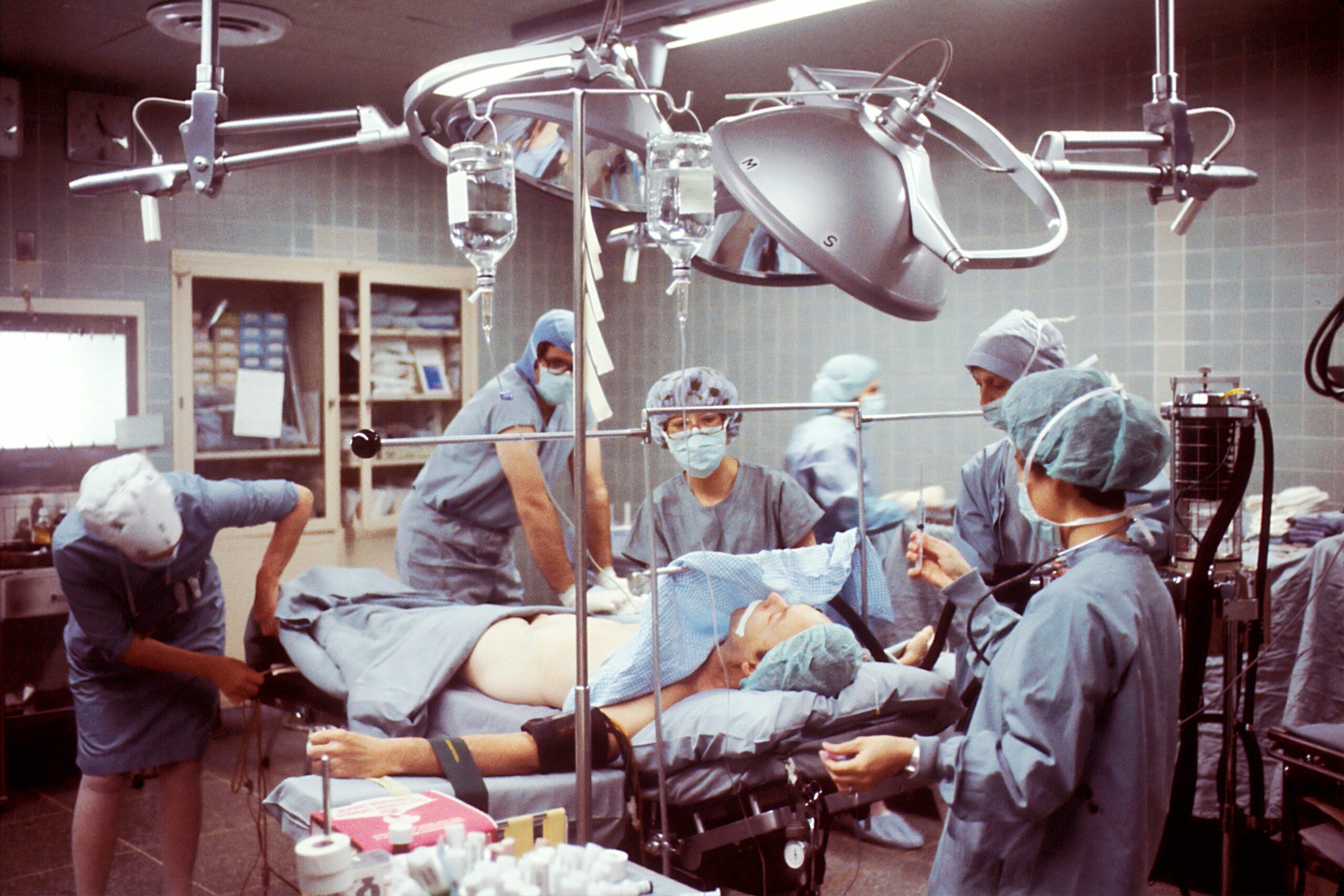
You’ve likely been there, or at least heard the stories. The sterile smell, the hushed voices, the gentle pressure of a mask. General anesthesia. It’s a marvel of modern medicine, a gateway to unconsciousness that allows surgeons to perform intricate procedures and you to endure them without pain or memory. But as you drift off, a question might linger in the back of your mind, a whisper of curiosity: Can you dream under general anesthesia? It’s a question that touches on the very nature of consciousness, memory, and the mysterious landscape of the sleeping mind.
The Purpose of General Anesthesia: A Descent into Unconsciousness
To understand whether dreaming is possible under general anesthesia, you must first grasp what anesthesia is and what it aims to achieve. You’re not simply being put to sleep; you’re entering a carefully controlled state of unconsciousness, a temporary suspension of your awareness. Anesthesiologists, the guardians of your slumber, use a combination of drugs to achieve several critical goals:
Analgesia: Erasing the Pain
The primary objective, of course, is to prevent you from feeling any pain. Anesthetic agents block the transmission of pain signals from your surgical site to your brain. You won’t flinch, you won’t react to stimuli that would normally be excruciating. This analgesia is fundamental to the success and safety of any surgical procedure. Without it, even the most minor surgery would be an ordeal.
Amnesia: Forgetting the Experience
Another crucial aspect of general anesthesia is amnesia. The drugs are designed to prevent you from forming new memories during the period of unconsciousness. This is why, when you wake up, you typically have no recollection of the surgery itself, only perhaps a vague sense of being in a recovery room. This amnesia is a protective mechanism, shielding you from potentially traumatic experiences and allowing for a smoother recovery.
Hypnosis: Inducing Unconsciousness
The hypnotic component of anesthesia is what induces the state of unconsciousness. You lose awareness of your surroundings, your thoughts, and your sense of self. This is the “sleep-like” state that most people associate with anesthesia. It’s a profound alteration of consciousness, a deliberate shutting down of the neural pathways that give rise to our waking experience.
Muscle Relaxation: Facilitating the Procedure
For many surgical procedures, particularly those involving abdominal surgery or intricate manipulations, muscle relaxation is essential. Anesthetic agents, often in conjunction with specific muscle relaxants, ensure that your muscles are limp and still, providing the surgeon with the optimal environment to work. This prevents involuntary movements that could compromise the surgery.
The intriguing question of whether one can dream while under general anesthesia has sparked considerable interest in both medical and psychological circles. For those looking to delve deeper into this topic, a related article that explores the complexities of consciousness during anesthesia can be found at Freaky Science. This article provides insights into the mechanisms of anesthesia and its effects on the brain, shedding light on the fascinating intersection of sleep, dreams, and medical science.
What Happens to Your Brain Under Anesthesia? A Symphony of Suppression
The magic, or rather the science, of general anesthesia lies in its effect on your brain. It’s not a simple “off switch.” Instead, it’s a complex modulation of neural activity, designed to suppress the functions that give rise to consciousness, awareness, and sensory perception.
The Role of Neurotransmitters: Chemical Messengers at Work
Anesthetic agents work by influencing the delicate balance of neurotransmitters in your brain. These are the chemical messengers that nerve cells use to communicate with each other.
GABA: The Brain’s Natural Sedative
One of the key targets of many general anesthetics is gamma-aminobutyric acid (GABA). GABA is the primary inhibitory neurotransmitter in the central nervous system. When anesthetics enhance the effects of GABA, they essentially quiet down neural activity, making it harder for the brain to process information and maintain consciousness. Think of it as turning down the volume on your brain’s internal chatter.
Glutamate: The Excitatory Counterpart
Conversely, anesthetics can also inhibit the action of excitatory neurotransmitters like glutamate. Glutamate is crucial for learning, memory, and wakefulness. By dampening its activity, anesthetics further contribute to the suppression of conscious processing.
Alterations in Brain Waves: From Wakefulness to Deeper States
Your brain is a hive of electrical activity, constantly producing brain waves that can be measured by electroencephalography (EEG). Under general anesthesia, these brain wave patterns undergo significant changes.
Alpha and Beta Waves: The Signals of Wakefulness
When you are awake and alert, your brain is characterized by faster brain waves like alpha and beta waves. These are associated with active thinking, problem-solving, and sensory processing.
Theta and Delta Waves: The Rhythms of Sleep and Deep Unconsciousness
As you fall asleep, your brain waves slow down, transitioning to theta and then delta waves. Under general anesthesia, you often enter a state characterized by slow, high-amplitude delta waves, indicative of deep unconsciousness. However, the patterns can be complex and vary depending on the specific anesthetic used and the depth of anesthesia.
Disruption of Neural Networks: Disconnecting the Threads of Consciousness
General anesthesia effectively disrupts the intricate neural networks that underpin consciousness. It hinders the ability of different brain regions to communicate with each other effectively. This disconnection is crucial for preventing you from experiencing the surgical event or forming memories of it.
The Elusive Nature of Dreams: What Are They, Anyway?
Before we delve into whether dreams can occur under anesthesia, it’s important to have a basic understanding of what dreams are. They are not simply random firings of neurons; they are complex subjective experiences that occur during sleep.
Dreams as Memory Consolidation and Processing
One prominent theory suggests that dreams play a role in memory consolidation. During sleep, your brain replays and processes information gathered during your waking hours, strengthening important memories and discarding less relevant ones. Dreams might be the subjective manifestation of this process.
Dreams as Emotional Regulation and Problem-Solving
Another perspective is that dreams serve as a safe space for your brain to process emotions and even work through problems. By simulating scenarios in a dream state, your brain might be rehearsing responses or finding solutions without the real-world consequences.
Dreams as Random Neural Activity: The Activation-Synthesis Hypothesis
A more physiological explanation, the activation-synthesis hypothesis, posits that dreams are the brain’s attempt to make sense of random neural activity that occurs during REM sleep. The brain synthesits these signals into a coherent (or often incoherent) narrative.
The Subjectivity of Dreaming: A Personal and Internal Experience
Ultimately, dreams are a deeply subjective experience. What one person dreams about can be vastly different from another’s dream. They are a window into our subconscious, our fears, our desires, and our past experiences.
The Evidence: What Do Studies Say About Dreaming Under Anesthesia?
This is where the question gets truly interesting, and where the answer becomes nuanced. While general anesthesia aims to induce a state devoid of conscious experience, the possibility of residual dream-like experiences or perceptions lingers.
Reports of Intraoperative Awareness: The Rare Exceptions
In very rare cases, individuals may experience intraoperative awareness, meaning they are partially conscious during surgery. This is an unintended consequence of anesthesia and is usually associated with difficulties in maintaining adequate anesthetic depth. These instances are typically accompanied by distress and a memory of the event. However, this is not typical dreaming; it’s a breakdown in the intended state of unconsciousness.
Anecdotal Evidence: The Whispers of Experience
You might hear anecdotal accounts from people who believe they dreamt during surgery. These reports are often vague and can be difficult to verify. It’s possible that these perceived dreams are actually fragments of subconscious processing or even confabulations that occur as the brain wakes up and tries to piece together the experience.
The Challenge of Measurement: How Do You Ask Someone Who’s Unconscious?
The fundamental challenge in studying dreaming under anesthesia is that you cannot directly ask someone if they dreamt while they are under the influence of anesthetic agents. The very drugs that induce unconsciousness also prevent them from forming memories or reporting experiences in real-time.
Neuroimaging Studies: Peeking into the Anesthetized Brain
Neuroimaging techniques like fMRI and EEG offer some insights. Studies have shown that while certain brain regions associated with consciousness are suppressed, other areas may still show some activity. This activity might be akin to the background processing that occurs during natural sleep, which could potentially give rise to dream-like experiences, albeit not in the same way as during natural REM sleep.
Fragmented Perceptions vs. True Dreams: A Fine Distinction
Some research suggests that individuals may have fragmented perceptions or a sense of “awareness” without full consciousness. These could manifest as auditory or tactile sensations that the brain then tries to interpret upon waking. Whether these constitute “dreams” is a matter of definition. They might be more akin to sensory fragments than fully formed narratives.
Many people wonder about the nature of consciousness during medical procedures, particularly whether one can dream while under general anesthesia. This intriguing topic is explored in depth in a related article that discusses the science behind anesthesia and its effects on the brain. For those interested in understanding more about this phenomenon, you can read the article here: Freaky Science. It sheds light on the complexities of anesthesia and the experiences patients might have, even when they are seemingly unconscious.
Factors Influencing the Possibility of Dream-Like Experiences
While a clear “yes” or “no” is difficult, several factors can influence the likelihood of experiencing something akin to a dream under general anesthesia.
Depth of Anesthesia: The Critical Variable
The depth of anesthesia is paramount. If the anesthesia is too light, you might experience partial awareness, which is not dreaming. If it is sufficiently deep, the neural pathways for dreaming are likely suppressed. The anesthesiologist’s skill in titrating the anesthetic to the appropriate depth is crucial.
Type of Anesthetic Agents: Different Drugs, Different Effects
The specific anesthetic agents used can also play a role. Different drugs have varying effects on brain activity and neurotransmitter systems. Some might be more effective at suppressing consciousness and the neural correlates of dreaming than others.
Duration of the Procedure: A Matter of Time Under
The length of the surgical procedure might also be a factor. Longer periods of anesthesia could theoretically increase the chances of some form of neural activity that might be interpreted as dream-like upon waking, though this is speculative.
Individual Patient Factors: The Unique Brain
Each individual’s brain is unique, and people respond to anesthesia differently. Factors like age, overall health, and even previous experiences with anesthesia could potentially influence the way their brain behaves under these conditions.
The Role of REM Sleep: Can it Occur Under Anesthesia?
Rapid Eye Movement (REM) sleep is the stage of natural sleep most strongly associated with vivid dreaming. It’s characterized by specific brain wave patterns and muscle atonia. The question arises: can REM sleep, or something analogous to it, occur under general anesthesia? Current understanding suggests that general anesthesia generally suppresses the brain activity patterns characteristic of REM sleep, making true REM-stage dreaming unlikely. However, the brain is complex, and there might be subtle forms of neural activity that resemble aspects of dreaming.
Waking Up: The Aftermath and the Search for Memory
The experience of waking up from general anesthesia is often a gradual return to consciousness. The fog lifts, awareness returns, and you begin to orient yourself. This is also the period when any residual perceptions or memories of the anesthetic state might surface.
Post-Anesthesia Confusion: A Natural Part of the Process
It’s common to experience some confusion, disorientation, and even grogginess after anesthesia. This is a natural part of your brain re-engaging with the waking world. During this time, your memory is still coming back online, and it’s possible to misinterpret fleeting sensations or thoughts.
The Absence of Vivid, Coherent Dreams: The Usual Outcome
For the vast majority of people, the experience of waking from general anesthesia is characterized by the absence of vivid, coherent dreams. You don’t typically recall a narrative that unfolded while you were unconscious. The amnesia induced by the anesthesia is generally very effective.
The Power of Suggestion and Interpretation: Filling in the Gaps
The human mind is remarkably adept at filling in gaps and creating narratives. If you’re told that it’s possible to dream under anesthesia, or if you have a vague sensation upon waking, your brain might interpret that as a dream. The power of suggestion and your own expectations can play a significant role in how you perceive your experience.
Seeking Clarity from Your Medical Team: Open Communication is Key
If you have concerns about your experience during or after anesthesia, or if you believe you had unusual sensations, it’s always best to communicate with your anesthesiologist or surgical team. They can provide context and address any specific anxieties you might have.
Conclusion: The Enigma of the Anesthetized Mind
So, can you dream under general anesthesia? The most accurate answer, based on current scientific understanding, is that it’s highly unlikely to experience dreams in the same way you do during natural sleep. General anesthesia is designed to suppress the neural activity that gives rise to consciousness, memory, and the complex brain states associated with dreaming, particularly REM sleep.
However, the human mind remains a fascinating and somewhat mysterious entity. While the evidence strongly suggests that true dreams are not a typical occurrence under anesthesia, the possibility of fragmented perceptions, fleeting sensations, or subconscious processing that might be interpreted as dream-like upon waking cannot be entirely dismissed. The boundary between deep unconsciousness and residual internal activity is not always a sharp line.
Ultimately, the marvel of general anesthesia lies in its ability to safely guide you through surgical procedures, providing you with pain relief and amnesia. While the question of dreaming may continue to intrigue, the primary purpose and overwhelming success of anesthesia are to ensure your well-being and a smooth recovery, allowing you to wake up without the burden of remembering the procedure itself. The enigma of the anesthetized mind persists, a testament to the intricate workings of our own consciousness.

You’re Not Asleep Under Anesthesia. So Where Do You Go?
FAQs
Can you dream while under general anesthesia?
Yes, it is possible to dream while under general anesthesia. However, the experience of dreaming while under anesthesia is not common and varies from person to person.
Why do some people dream while under general anesthesia?
The exact reason why some people dream while under general anesthesia is not fully understood. It is believed that certain factors such as the type of anesthesia used, individual brain activity, and the depth of anesthesia may play a role in whether or not a person experiences dreams during the procedure.
Are dreams under general anesthesia similar to regular dreams?
The dreams experienced under general anesthesia may differ from regular dreams. Some people report experiencing vivid and surreal dreams, while others may not recall any dreams at all. The content and nature of these dreams can vary widely.
Can dreaming under general anesthesia affect the outcome of the procedure?
Dreaming under general anesthesia is not typically considered to have an impact on the outcome of the procedure. Anesthesiologists are trained to monitor and adjust the level of anesthesia to ensure the patient remains unconscious and does not experience pain or awareness during the surgery.
Is it possible to remember dreams experienced under general anesthesia?
While some individuals may remember fragments of dreams experienced under general anesthesia, it is more common for patients to have no recollection of any dreams during the procedure. The amnesic effects of anesthesia often result in a lack of memory of the time spent under anesthesia, including any dreams that may have occurred.