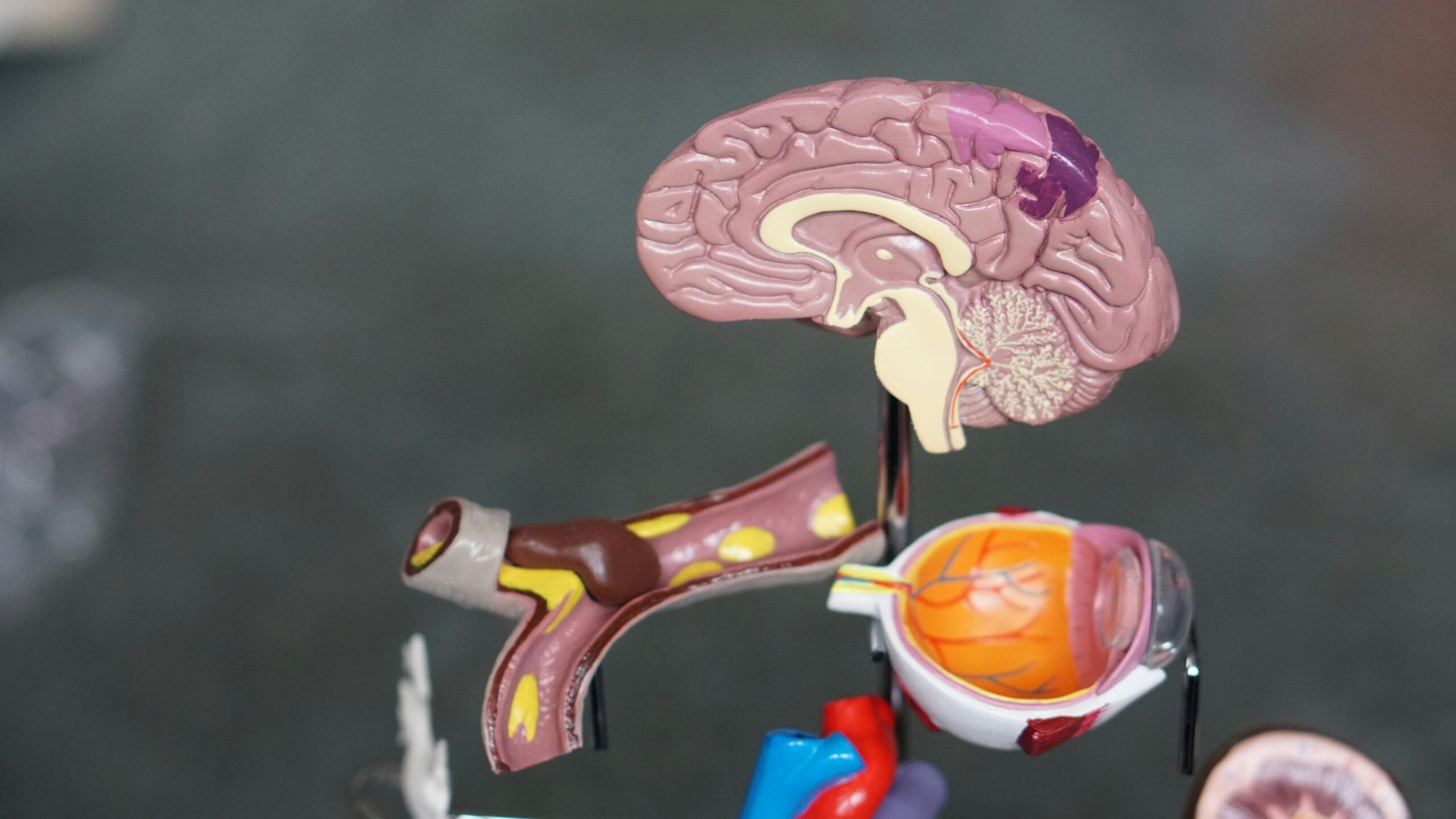
You’re facing surgery. It’s a big deal, and the thought of it can be unsettling. But there’s one thing that offers comfort and allows the procedure to happen without pain or distress: anesthesia. You’ll drift off into a peaceful sleep, and when you wake, the surgery will be over. It’s a marvel of modern medicine, a blackout that allows your body to be worked on while your mind is blissfully unaware. But what happens to your memories during this enforced slumber? This is where the fascinating and sometimes complex relationship between anesthesia and memory formation comes into play. You might be wondering if you’ll remember anything, if your brain is still actively working, or if it’s all just a blank slate. The impact of anesthesia on memory formation is a subject of ongoing scientific exploration, and understanding it can offer a unique perspective on the experience of undergoing medical procedures.
When you think of anesthesia, you probably picture a gentle descent into unconsciousness. And for the most part, that’s an accurate portrayal. However, the state induced by anesthesia is far more intricate than simply falling asleep. It’s a carefully controlled suppression of consciousness, sensation, and reflex, achieved through a cocktail of medications designed to have specific effects on your brain and nervous system.
The Art and Science of Anesthesia
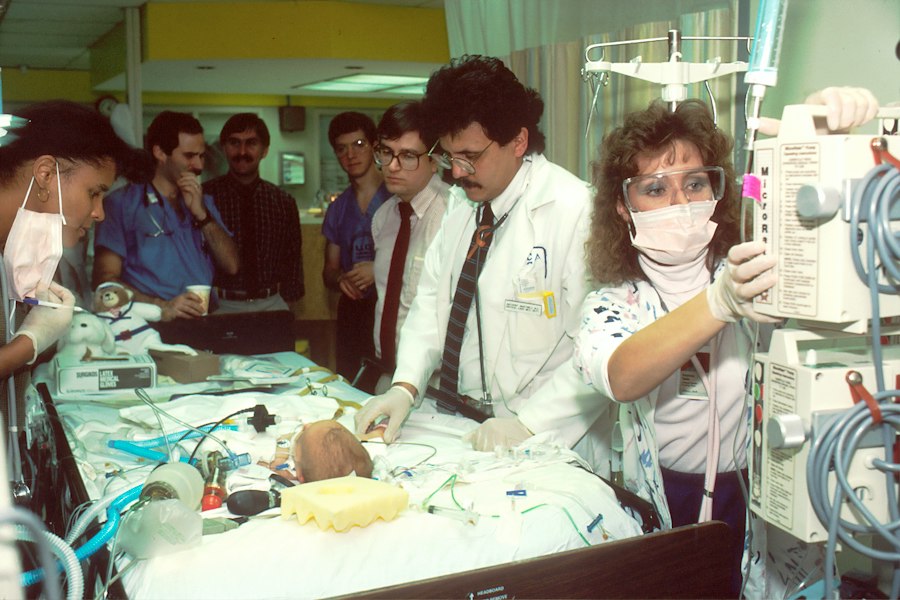
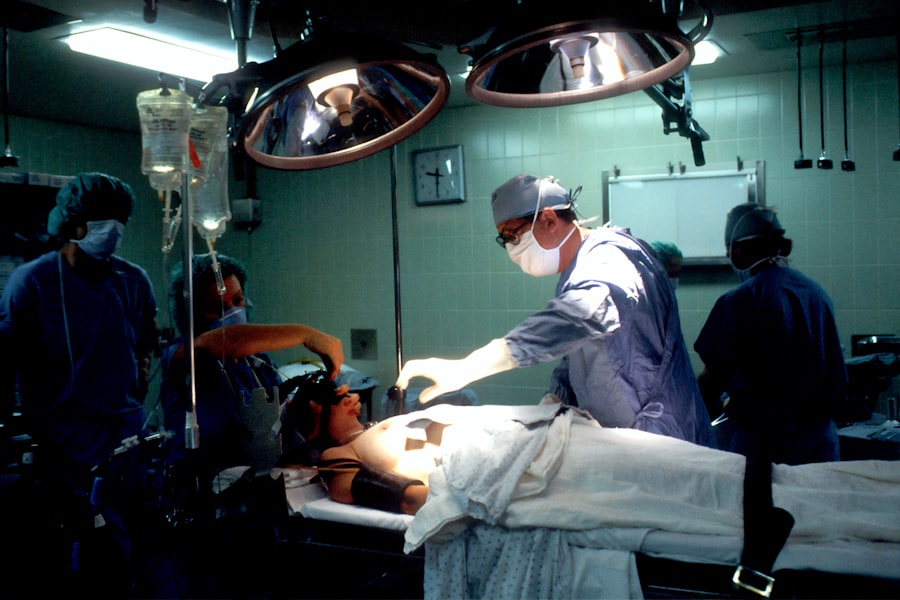
Anesthesiologists are highly trained medical professionals who play a crucial role in ensuring your safety and comfort during surgical and other medical procedures. They administer anesthetic drugs, monitor your vital signs, and manage your breathing and circulation. Their expertise lies in tailoring the anesthetic plan to your individual needs, considering factors like your age, medical history, and the type of procedure you’re undergoing. They don’t just “put you to sleep”; they orchestrate a complex physiological state to facilitate the intervention.
Different Flavors of Unconsciousness: General vs. Regional Anesthesia
It’s important to distinguish between the different types of anesthesia you might encounter. General anesthesia is what most people envision: a complete loss of consciousness, amnesia, and analgesia (pain relief). This is typically achieved through a combination of intravenous medications and inhaled gases. Regional anesthesia, on the other hand, targets a specific area of your body, blocking nerve signals to that region. This could involve a spinal block, epidural, or nerve block. While you may remain awake or sedated during regional anesthesia, the impact on memory formation can differ from general anesthesia.
Beyond Sedation: The Nuances of Anesthetic Agents
The drugs used in anesthesia are not monolithic. They include various classes, such as hypnotics (like propofol), opioids, muscle relaxants, and volatile anesthetics. Each of these agents interacts with specific receptors in the brain and nervous system, contributing to the overall anesthetic state. The precise combination and dosage are carefully managed to achieve the desired level of unconsciousness, pain relief, and muscle relaxation while minimizing side effects. Understanding these agents is key to understanding their potential impact on cognitive functions like memory.
Recent studies have explored the intriguing relationship between anesthesia and memory formation, revealing how certain anesthetic agents can impact cognitive functions both during and after surgical procedures. For a deeper understanding of this topic, you can read a related article that discusses the mechanisms by which anesthesia affects memory and the implications for patient care. To learn more, visit this article.
The Brain Under Anesthesia: A Shifting Landscape of Activity
When anesthesia takes hold, your brain doesn’t simply switch off. Instead, its intricate network of activity undergoes significant, albeit temporary, changes. Neuroscientists have been diligently studying these alterations, using advanced imaging techniques to observe what happens beneath the surface of your induced slumber. The goal is to understand how these neural shifts might affect your ability to form new memories.
Neural Correlates of Consciousness: What Happens When It’s Suppressed?
Consciousness is a deeply complex phenomenon, and its precise neural underpinnings are still being actively investigated. However, research suggests that consciousness involves widespread communication between different brain regions. Anesthesia, particularly general anesthesia, appears to disrupt this synchronized communication, leading to a reduction in the complex patterns of brain activity associated with awareness. This disruption is a crucial element in preventing you from experiencing the surgery consciously.
Disruption of Key Brain Networks: The Prefrontal Cortex and Hippocampus
Two brain regions particularly implicated in memory formation and consciousness are the prefrontal cortex and the hippocampus. The prefrontal cortex is involved in higher-level cognitive functions, including working memory and attention, while the hippocampus is essential for the formation of new long-term memories. Studies have shown that anesthesia can significantly alter the activity and connectivity within these areas, potentially interfering with the processes required for encoding new information. You might experience a transient disconnect between sensory input and your ability to process and store it.
The Concept of “Anesthetic-Induced Amnesia”
One of the primary goals of general anesthesia is to induce amnesia, meaning you won’t remember the period of unconsciousness. This is achieved by disrupting the neural pathways involved in memory encoding and consolidation. While the exact mechanisms are still being refined, it’s understood that anesthesia interferes with the brain’s ability to transition information from short-term to long-term storage. This is a critical safety feature, preventing you from experiencing potentially traumatic events while unconscious.
Memory Formation: A Multi-Stage Process Interrupted
Understanding how anesthesia affects memory requires us to first grasp how memories are formed in the first place. It’s not a single event but rather a sophisticated, multi-stage process that involves encoding, consolidation, and retrieval. Anesthesia can interfere with these stages, particularly the earlier ones.
Encoding: The Initial Capture of Information
Encoding is the first step in memory formation, where sensory information is transformed into a format that the brain can store. This involves paying attention to stimuli and processing them. During anesthesia, your level of attention is dramatically reduced, and sensory input may be significantly diminished or altered. This makes it difficult, if not impossible, for the brain to effectively encode new information. Think of it like trying to write in a notebook with no pen and the lights off – the information just doesn’t get captured.
Consolidation: Solidifying Memories for the Long Haul
Once information is encoded, it needs to be consolidated to become a stable, long-term memory. This process often happens during sleep, where the brain replays and strengthens neural connections. However, the sleep induced by anesthesia is not the same as natural sleep. While there are similarities, the neural activity patterns are different, and the crucial consolidation processes might be impaired or bypassed entirely by the anesthetic agents. Your brain, in a way, is in a different kind of rest.
Retrieval: Accessing Stored Information
Retrieval is the ability to access and recall stored memories. In the context of anesthesia, the amnesia experienced refers to the failure to retrieve memories from the period of unconsciousness. This is a desired outcome. However, there’s a fascinating question about whether anesthesia can impact the retrieval of pre-existing memories. Research in this area is ongoing, with some studies suggesting potential, albeit usually temporary, subtle effects on cognitive function post-anesthesia, which could indirectly influence retrieval.
The Lingering Echoes: Post-Anesthesia Cognitive Function
While the immediate goal of anesthesia is to create a gap in your memory, the story doesn’t always end with a perfectly clean slate. Many people wake up with no recollection of their procedure, but some individuals report subtle, temporary changes in their cognitive function after anesthesia. These “lingering echoes” are an area of active research and a source of concern for some patients.
Postoperative Cognitive Dysfunction (POCD): A Complex Phenomenon
Postoperative Cognitive Dysfunction (POCD) refers to a range of cognitive impairments that can occur after surgery and anesthesia, particularly in older adults. These can include difficulties with memory, attention, concentration, and executive function. The exact causes of POCD are complex and are thought to be multifactorial, involving not only anesthesia but also the surgical stress response, inflammation, and pre-existing cognitive vulnerabilities. Your brain is recovering from a major physiological event.
Factors Influencing Post-Anesthesia Memory
Several factors can influence your experience with memory after anesthesia. Your age is a significant one, with older adults being more susceptible to POCD. The type and duration of anesthesia, the type of surgery, and your overall health status also play a role. For instance, longer and more complex surgeries, requiring deeper levels of anesthesia, might increase the likelihood of experiencing some transient cognitive effects.
The Role of Anesthetic Agents and Techniques
The specific anesthetic agents used and the techniques employed can also have an impact. While research is ongoing, some studies suggest that certain anesthetic agents might be associated with a higher risk of postoperative cognitive issues than others. Similarly, the way anesthesia is administered – for example, the use of specific protocols or monitoring techniques – might influence recovery.
Recent studies have shown that anesthesia can have a significant impact on memory formation, raising important questions about its long-term effects on cognitive function. For a deeper understanding of this topic, you can explore a related article that discusses the mechanisms through which anesthesia influences memory and learning processes. This insightful piece provides valuable information on the implications of anesthesia in both medical and psychological contexts, making it a worthwhile read for anyone interested in the intersection of medicine and neuroscience. To learn more, check out this article on Freaky Science.
Research and Future Directions: Towards Safer Anesthesia and Enhanced Recovery
| Study | Findings |
|---|---|
| Research 1 | Anesthesia can impair memory formation by disrupting the consolidation process in the brain. |
| Research 2 | Some types of anesthesia may interfere with the encoding of new memories, leading to temporary memory loss. |
| Research 3 | Long-term exposure to anesthesia may have a negative impact on memory retention and cognitive function. |
The quest to understand the precise impact of anesthesia on memory formation is far from over. Scientists and clinicians are continuously working to refine anesthetic techniques, develop new drugs, and improve our understanding of the brain’s response to anesthesia. The ultimate goal is to ensure that anesthesia is not only safe and effective but also minimizes any potential for long-term cognitive consequences.
Advances in Neuroimaging and Monitoring
Technological advancements in neuroimaging, such as functional magnetic resonance imaging (fMRI) and electroencephalography (EEG), have been instrumental in observing brain activity during anesthesia. These tools allow researchers to pinpoint which brain regions and networks are most affected and how these changes relate to memory processes. Improved intraoperative monitoring also helps anesthesiologists to better control the depth of anesthesia, potentially reducing the risk of adverse cognitive outcomes.
Developing “Smarter” Anesthetics
The development of “smarter” anesthetics is a key area of research. This involves creating drugs that offer precise control over the anesthetic state, allowing for a rapid and smooth induction and emergence from anesthesia, with minimal disruption to cognitive functions. Researchers are exploring anesthetic agents that selectively target specific neural pathways, aiming to achieve the desired effects without broadly suppressing brain activity.
Personalized Anesthesia: Tailoring to Individual Needs
The future of anesthesia likely lies in personalization. By understanding an individual’s unique genetic makeup, medical history, and even their brain’s specific responses to anesthesia, clinicians could tailor anesthetic regimens to optimize outcomes and minimize risks. This could involve selecting specific drugs, dosages, and monitoring strategies for each patient, ensuring a more precise and effective anesthetic experience. The aim is to move beyond a one-size-fits-all approach to a more nuanced, patient-centered model.
In conclusion, while you are under anesthesia, your brain enters a state of profound, yet temporary, alteration. The complex processes of memory formation are significantly disrupted, leading to the desired amnesia for the surgical period. While most people experience a seamless return to consciousness with no lasting memory gaps, research continues to explore the subtle nuances of post-anesthesia cognitive function and to develop even safer and more targeted anesthetic approaches. Your experience with anesthesia, while a blackout for your conscious mind, is a testament to the remarkable progress in medicine and the ongoing scientific endeavor to understand the mysteries of the brain.

You’re Not Asleep Under Anesthesia. So Where Do You Go?
FAQs
1. How does anesthesia affect memory formation?
Anesthesia can disrupt the process of memory formation by interfering with the communication between brain cells. It can also affect the consolidation of memories, leading to gaps or inconsistencies in the recollection of events.
2. Can anesthesia cause long-term memory problems?
There is evidence to suggest that anesthesia can contribute to long-term memory problems, particularly in older adults. Some studies have shown a potential link between anesthesia exposure and cognitive decline, although more research is needed to fully understand the extent of this impact.
3. Are certain types of anesthesia more likely to affect memory formation than others?
Different types of anesthesia can have varying effects on memory formation. For example, certain inhalation anesthetics have been associated with greater disruption of memory processes compared to intravenous anesthetics. The specific drug used, dosage, and duration of anesthesia can all play a role in its impact on memory.
4. Can anesthesia affect memory formation in children differently than in adults?
Children may be more susceptible to the effects of anesthesia on memory formation due to their developing brains. Research has shown that exposure to anesthesia at a young age can have long-term effects on cognitive function and memory. However, the exact mechanisms and long-term implications are still being studied.
5. Is there anything that can be done to mitigate the impact of anesthesia on memory formation?
Medical professionals can take steps to minimize the impact of anesthesia on memory formation, such as using lower doses when possible and carefully monitoring patients during and after anesthesia. Additionally, cognitive rehabilitation and memory training may be beneficial for individuals who experience memory problems following anesthesia.