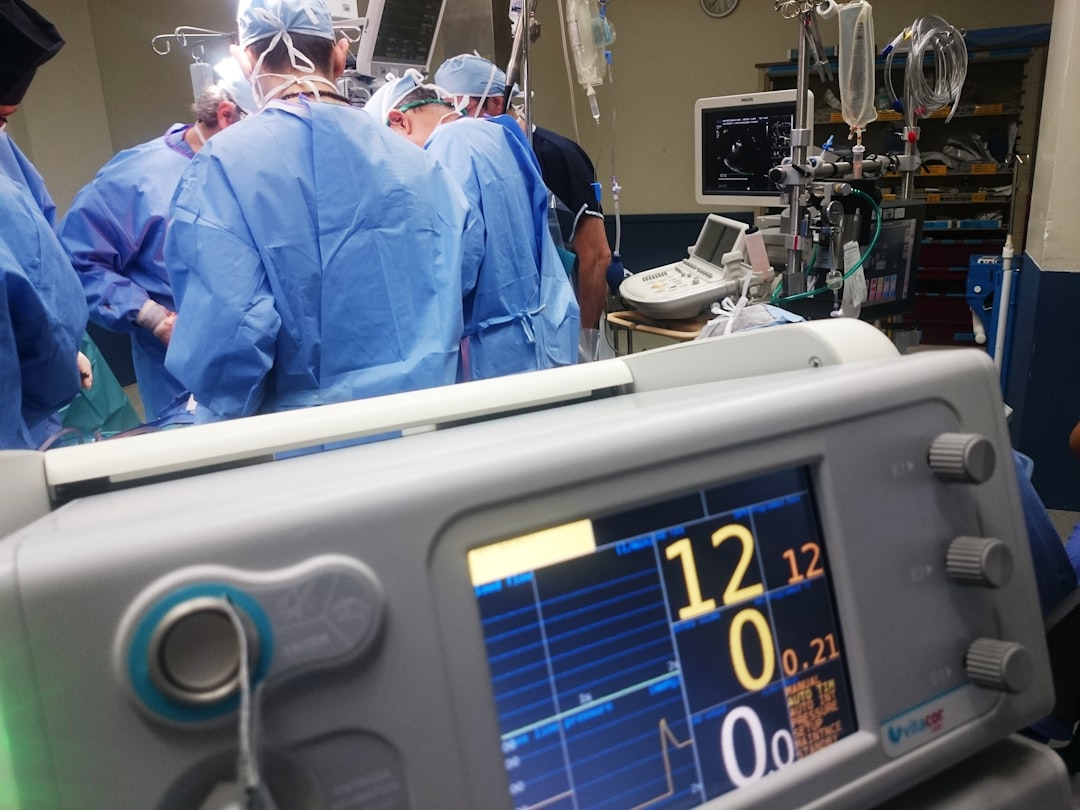
You’re lying on an operating table, the sterile scent of the hospital filling your nostrils. The anesthesiologist is speaking to you, their voice a calming presence as they prepare to administer the drugs that will usher you into a state of unconsciousness. A sense of vulnerability washes over you, and a question, perhaps a whisper in the back of your mind, surfaces: can your brain still hear? This isn’t just a morbid curiosity; it’s a fundamental question about consciousness, perception, and the very nature of being “asleep.” The idea that you might be aware, trapped in a silent void, while your body is being operated on, is a disquieting one.
The answer, as you might suspect, isn’t a simple yes or no. The complex interplay of anesthesia and brain function means that while your conscious awareness is suppressed, the auditory pathways of your brain can remain partially active. This article will delve into this fascinating, and sometimes unsettling, phenomenon, exploring what we know about brain activity during anesthesia and the implications for your experience. We’ll unpack the science behind anesthesia, examine the evidence for auditory processing, and discuss the practical considerations for patients and medical professionals alike. Prepare to have your understanding of unconsciousness challenged.
Recent studies have explored the intriguing question of whether the brain can perceive sounds while under anesthesia, shedding light on the complexities of consciousness during surgical procedures. For a deeper understanding of this phenomenon, you may find the article on the topic insightful. It discusses various research findings and implications related to auditory perception in anesthetized patients. To read more, visit this article.
The Mechanics of Anesthesia: How Your Brain is Sedated
Before we can understand if your brain can hear, we need to understand how anesthesia works to render you unconscious in the first place. It’s not like a simple sleep where you can be gently woken up. General anesthesia is a carefully orchestrated medical intervention designed to create a reversible state of unconsciousness, amnesia, analgesia, and muscle relaxation, all while keeping your vital functions stable. This intricate process involves a cocktail of drugs that target specific areas and neurotransmitter systems within your brain. The goal is to disrupt the complex network of neural activity that underpins consciousness, making you unaware of your surroundings and the surgical procedure.
Different Classes of Anesthetic Agents
Anesthesia isn’t a one-size-fits-all solution. A variety of anesthetic agents are employed, each with its own mechanism of action and effect profile. These can be broadly categorized into inhaled anesthetics and intravenous anesthetics. Understanding these classes gives you a glimpse into the diverse ways your brain is being influenced.
Inhaled Anesthetics: The Gases That Conquer Consciousness
Inhaled anesthetics, such as sevoflurane, desflurane, and isoflurane, are gases or volatile liquids that are delivered to you through a breathing mask or a breathing tube. They enter your bloodstream through your lungs and are rapidly distributed to your brain. Their primary mechanism is thought to involve modulating the activity of ion channels and receptors in neuronal membranes, effectively dampening neuronal excitability. This widespread inhibition across various brain regions is crucial for inducing and maintaining the unconscious state.
Targeting Neuronal Excitability
These agents work by enhancing the inhibitory effects of certain neurotransmitters, like GABA (gamma-aminobutyric acid), which acts as the brain’s primary inhibitory messenger. By increasing GABAergic signaling, inhaled anesthetics make it harder for neurons to fire, essentially putting a brake on neural communication. Conversely, they can also inhibit excitatory neurotransmitters like glutamate, further contributing to the shutdown of conscious processing.
Intravenous Anesthetics: The Fast-Acting Sedatives
Intravenous anesthetics, administered directly into your bloodstream via an IV line, offer a quicker onset of action. Propofol, thiopental, and ketamine are common examples. Propofol, in particular, is widely used for induction and maintenance of anesthesia due to its rapid and smooth effect. Like inhaled anesthetics, these drugs primarily target GABA receptors, but they can also interact with other neuronal pathways to achieve their anesthetic effects.
Propofol’s Multifaceted Approach
Propofol is known to enhance GABAergic inhibition, but it also exhibits effects on other receptor systems, including NMDA receptors (involved in excitation) and sodium channels. This broad-spectrum action contributes to its potent anesthetic properties, rendering you deeply unconscious and amnesic. Ketamine, on the other hand, primarily works by blocking NMDA receptors, leading to a dissociative anesthesia where you might appear to be awake but are disconnected from your surroundings.
The Brain Under Duress: Disruption of Neural Networks
The core of general anesthesia is the disruption of the complex, integrated neural networks that give rise to consciousness. This isn’t a single “off switch” but rather a widespread suppression of communication between different brain regions. Areas responsible for sensory processing, executive function, and self-awareness are all affected.
Disconnecting Brain Regions
Consciousness is believed to emerge from the synchronized activity of various brain regions, particularly the cerebral cortex and thalamus. Anesthetics work by disrupting this synchronized communication, effectively isolating these regions from each other. This disconnection prevents the integration of information necessary for conscious perception and awareness.
The Role of Thalamocortical Loops
Thalamocortical loops, which are the reciprocal connections between the thalamus and the cerebral cortex, are particularly vulnerable to anesthetic agents. These loops are crucial for relaying sensory information to the cortex and for maintaining cortical arousal. Anesthetics disrupt the synchronized firing patterns within these loops, leading to a loss of consciousness.
Measuring Brain Activity: The Tools of the Trade
To understand what happens to your brain during anesthesia, scientists and anesthesiologists rely on various tools to monitor brain activity. These technologies provide objective measures of neural function, helping to assess the depth of anesthesia and potentially detect any unwanted awareness.
Electroencephalography (EEG)
Electroencephalography (EEG) is a non-invasive technique that records the electrical activity of the brain using electrodes placed on the scalp. During anesthesia, the characteristic patterns of brain waves change significantly. As you become unconscious, the fast, desynchronized brain waves associated with wakefulness give way to slower, more synchronized patterns.
From Beta to Delta: The Shifting Brain Waves
In a state of wakefulness, your EEG typically shows high-frequency, low-amplitude beta waves. As you transition into sleep and then deeper into anesthesia, these waves slow down and increase in amplitude, progressing through alpha, theta, and eventually delta waves, which are the slowest and largest. These changes are indicative of reduced cortical activity and integration.
The Auditory Pathway: Still Humming in the Background?

Now, let’s get to the heart of the matter. Even though your conscious mind is seemingly shut down, can your brain still process the sounds around you? The auditory system is one of our most robust sensory systems, and its pathways are complex, involving multiple stages of processing from the ear to the auditory cortex. The question is whether these pathways are completely silenced or if some level of auditory information can still reach your brain for interpretation, even if you’re not consciously aware of it.
Sound Processing Without Conscious Perception
The brain’s ability to process sensory information is hierarchical. When you hear a sound, it travels from your ear to the brainstem, then to the thalamus, and finally to the auditory cortex for conscious interpretation. Anesthetics primarily target the higher centers of the brain involved in consciousness. This means that while the initial processing of sound might still occur, the signal might be blocked before it reaches the level of conscious awareness.
The Brainstem’s Role in Initial Sound Detection
The brainstem is responsible for very basic processing of auditory stimuli, such as detecting the presence of a sound and its general characteristics. It’s thought that some of these lower-level auditory processing functions can remain partially active even under deep anesthesia. This is because these brainstem pathways are involved in vital reflexes and are less dependent on widespread cortical integration.
Reflexive Responses to Auditory Stimuli
Even when unconscious, your body can exhibit reflexive responses to certain stimuli. For example, a sudden loud noise might still trigger a minimal physiological reaction, such as a slight increase in heart rate or a change in breathing pattern, even if you are not aware of the sound itself. This suggests that some auditory information is being registered at a basic neurological level.
The Auditory Cortex: A Diminished Signal?
The auditory cortex, located in the temporal lobe of your brain, is where sounds are consciously perceived and interpreted. The critical question is whether the anesthetic agents completely suppress activity in this region or if it can still receive and process some auditory input, albeit in a reduced or altered form.
Reduced but Not Abolished Cortical Activity
Research using advanced neuroimaging techniques suggests that the auditory cortex is not completely silenced under anesthesia. While its activity is significantly reduced compared to wakefulness, there is evidence of some residual processing. This means that sounds might still be reaching the auditory cortex, but the brain’s ability to integrate this information into a coherent conscious experience is severely impaired.
The Impact of Anesthetic Depth
The depth of anesthesia plays a crucial role here. Light anesthesia, where you might be sedated but not fully unconscious, will allow for more auditory processing than deep anesthesia, where the brain’s activity is profoundly suppressed. The specific anesthetic agents used also influence the extent to which the auditory cortex remains active.
Auditory Evoked Potentials: A Glimpse into Subconscious Processing
Auditory evoked potentials (AEPs) are electrophysiological responses generated by the brain to auditory stimuli, measured using EEG. These AEPs can be detected even when a person is unconscious, providing valuable insights into auditory processing below the level of conscious awareness.
Measuring Brainstem and Cortical Responses
AEPs can reflect activity at different levels of the auditory pathway. Brainstem auditory evoked potentials (BAEPs) are generated in the brainstem and are generally preserved even under deep anesthesia. Cortical auditory evoked potentials (CAEPs), on the other hand, reflect processing in the auditory cortex and are more susceptible to suppression by anesthetics.
The Significance of Preserved BAEPs
The fact that BAEPs can be detected under anesthesia indicates that basic auditory signal transmission from the ear to the brainstem is largely intact. This doesn’t equate to hearing in the conscious sense, but it confirms that sound energy is being transduced and processed by the initial stages of the auditory system.
Auditory Awareness Under Anesthesia: The Phenomenon of Intraoperative Awareness

While the majority of patients under general anesthesia have no memory of the surgical procedure, a small percentage experience what is known as intraoperative awareness. This is a deeply distressing phenomenon where patients regain some level of consciousness and awareness of their surroundings during surgery, often accompanied by the ability to hear and sometimes even feel pain. The question of whether your brain is capable of hearing under anesthesia is directly linked to the occurrence and understanding of this rare but serious complication.
Defining Intraoperative Awareness
Intraoperative awareness is characterized by a subjective experience of consciousness during a surgical procedure performed under general anesthesia. This experience can range from feeling disoriented and hearing muffled sounds to being fully aware of the surgical environment and even experiencing pain. The lack of amnesia is a key feature, meaning the patient retains memories of the event.
The Spectrum of Awareness
It’s important to understand that intraoperative awareness is not a binary state. It exists on a spectrum. Some individuals might have fleeting moments of lucidity, while others might experience prolonged periods of awareness. The intensity of the experience and the ability to recall events are highly variable.
Risk Factors and Contributing Factors
Several factors can increase the risk of intraoperative awareness. These include:
- High-dose opioid or benzodiazepine use: These drugs, while often used for sedation, can sometimes interfere with the effectiveness of general anesthetics.
- Neuromuscular blocking agents: These agents are used to relax muscles during surgery, but they can mask signs of awareness like movement, making it harder for the anesthesiologist to detect if the patient is becoming conscious.
- Anesthetic depth monitoring issues: Inadequate monitoring of anesthetic depth can lead to a situation where the patient is not sufficiently anesthetized.
- Emergency surgeries: Urgent procedures often involve faster induction and can present unique challenges in maintaining adequate anesthesia.
- Specific patient populations: Patients with certain medical conditions or those undergoing specific types of surgery may have a higher risk.
The Role of Auditory Information in Awareness
In cases of intraoperative awareness, auditory information often plays a significant role in the patient’s subjective experience. Patients may report hearing the voices of the surgical team, the beeping of monitors, and other sounds within the operating room. This ability to hear suggests that the auditory pathways are indeed functioning to some degree, even if the rest of the brain is suppressed.
Hearing Without Motor Response
A critical challenge in detecting awareness is that patients may be unable to signal that they are conscious. This is because neuromuscular blocking agents are often used, paralyzing their muscles and preventing any physical movement that might indicate distress or consciousness. Therefore, hearing sounds without being able to move or respond becomes a key component of this distressing experience.
The Memory of Sounds
The most disturbing aspect of intraoperative awareness is often the formation of memories. Patients can recall specific conversations, the surgeon’s instructions, or even the sounds of the surgical instruments. This highlights that while conscious awareness might be suppressed, the brain is still capable of encoding auditory information.
Detecting and Preventing Intraoperative Awareness
The medical field is continually working to improve the detection and prevention of intraoperative awareness. This involves a combination of advanced monitoring techniques and careful anesthetic management.
Brain Function Monitoring
The development of sophisticated brain function monitors, such as Bispectral Index (BIS) monitors, has been a significant advancement. These devices analyze the electrical activity of the brain (EEG) and provide a numerical index that reflects the depth of anesthesia. A low BIS score generally indicates deep anesthesia, while a rising score might signal a potential for awareness.
Beyond BIS: Emerging Technologies
While BIS monitoring has been instrumental, researchers are exploring other technologies, such as auditory evoked potentials and other neurophysiological measures, to provide a more comprehensive picture of brain activity and detect potential awareness.
Anesthetic Management Strategies
Careful and individualized anesthetic management is paramount. This includes:
- Titrating anesthetic agents: Adjusting the dosage of anesthetic medications based on the patient’s physiological response and monitoring data.
- Using a combination of agents: Employing a balanced anesthesia approach that utilizes different classes of drugs to achieve optimal sedation, analgesia, and amnesia.
- Minimizing reliance on neuromuscular blockers: When possible, anesthesiologists aim to use the lowest effective dose of neuromuscular blocking agents or avoid them altogether if the surgical procedure allows.
- Close communication with the surgical team: Maintaining open communication with surgeons and nurses to identify any subtle signs of awareness.
Recent studies have raised intriguing questions about the brain’s ability to process sounds while under anesthesia, suggesting that patients may still have some level of awareness. This phenomenon has led to a deeper exploration of consciousness and perception in medical settings. For those interested in understanding more about the complexities of the human brain, a related article can be found at Freaky Science, where various aspects of neuroscience are discussed in detail. This connection between anesthesia and auditory perception opens up fascinating avenues for further research and understanding of how our minds work even in altered states.
The Psychology of Hearing: Beyond Simple Sound Reception
| Study | Findings |
|---|---|
| University of Michigan Medical School | Brain may still process sounds during general anesthesia |
| Harvard Medical School | Some patients showed brain response to spoken words under anesthesia |
| Mayo Clinic | Brain activity in response to auditory stimuli observed in some patients under anesthesia |
When we talk about your brain “hearing” under anesthesia, it’s important to distinguish between the physical reception of sound waves and the conscious, psychological experience of hearing. Your auditory system is designed to detect and process sound, but it’s the higher-level cognitive functions that imbue these sounds with meaning and integrate them into your awareness.
The Auditory Cortex: More Than Just a Receiver
The auditory cortex doesn’t just passively receive sound signals. It actively processes them, identifying pitch, loudness, timbre, and spatial location. Furthermore, it integrates this information with other sensory inputs and memories to create a coherent auditory experience. Under anesthesia, this complex integration is severely compromised, even if the initial signals are being processed.
Pattern Recognition and Interpretation
Your brain is incredibly adept at recognizing patterns in sound. You can distinguish a familiar voice from a stranger’s, identify the melody of a song, or understand spoken language. This level of pattern recognition and interpretation requires significant cortical activity and is likely to be significantly reduced or absent under general anesthesia.
The Role of Memory and Association
Our perception of sound is heavily influenced by our memories and associations. A particular sound might trigger a specific emotion or memory. This higher-order processing, which links auditory input to our personal experiences, is a hallmark of consciousness and is unlikely to be functioning under deep anesthesia.
The Absence of Subjective Experience
The key difference between hearing in a conscious state and any residual auditory processing under anesthesia lies in the subjective experience. When you are awake and hear something, you experience it. You are aware of the sound, its qualities, and its potential significance. Under anesthesia, even if some neural signals are being generated, there is no conscious observer to have this subjective experience.
Unconscious Processing vs. Conscious Perception
Think of it like a computer processing data. It can perform complex calculations and store information, but it doesn’t “feel” anything. Similarly, under anesthesia, your brain might be performing some basic auditory processing, but there’s no conscious “you” to be aware of it or to imbue it with meaning.
The Subjective Void
The anesthesiologist’s goal is to create a state where you are unaware of your surroundings and the surgical procedure. This means suppressing not just sensory input but also the internal monologue, the sense of self, and the ability to form memories. Therefore, any auditory processing that might occur is happening in a subjective void.
The Implications for You: What Does This Mean for Your Surgery?
Understanding whether your brain can hear under anesthesia has direct implications for your experience as a patient. While the risks of intraoperative awareness are low, the possibility, however remote, can be a source of anxiety. This knowledge empowers you to have informed conversations with your anesthesiologist.
Communicating Your Concerns
It is perfectly normal to have questions and concerns about anesthesia. Don’t hesitate to discuss them with your anesthesiologist during your pre-operative consultation. They are there to explain the process, address your fears, and tailor the anesthetic plan to your specific needs.
Asking About Anesthetic Depth Monitoring
Feel free to ask your anesthesiologist how they will monitor the depth of your anesthesia. Understanding the use of brain function monitors (like BIS) and other assessment tools can provide reassurance.
Discussing Your Medical History
Be sure to provide your anesthesiologist with a complete medical history, including any previous experiences with anesthesia and any medications you are taking. This information is crucial for them to create the safest and most effective anesthetic plan for you.
The Importance of Trust and Reassurance
The medical team is dedicated to your well-being. Trusting your anesthesiologist and the surgical team is an important part of the process. They are highly trained professionals who employ the latest technologies and techniques to ensure your safety and comfort.
The Low Incidence of Awareness
It’s vital to remember that intraoperative awareness is a rare complication. The vast majority of patients experience uneventful anesthesia with no memory of the procedure. The sophisticated monitoring and management strategies employed by anesthesiologists are designed to minimize this risk to the lowest possible level.
The Goal of Total Unconsciousness
The ultimate goal of general anesthesia is to achieve a state of profound unconsciousness where you are not aware of any surgical stimuli. This includes not just pain but also any auditory information from the operating room. The science and technology behind anesthesia are continuously evolving to ensure this goal is met safely and effectively for every patient.
In conclusion, while your brain’s auditory pathways may retain some level of residual activity under anesthesia, the conscious experience of hearing is largely suppressed. The complex mechanisms of anesthesia are designed to render you deeply unconscious, ensuring you are unaware of your surroundings. While the rare phenomenon of intraoperative awareness exists, advances in monitoring and anesthetic management continue to minimize this risk, allowing you to undergo surgery with the utmost safety and peace of mind.

You’re Not Asleep Under Anesthesia. So Where Do You Go?
FAQs
What happens to the brain under anesthesia?
Under anesthesia, the brain experiences a decrease in activity and responsiveness. Anesthesia works by altering the brain’s neurotransmitters and blocking the transmission of signals between neurons, leading to a state of unconsciousness.
Can the brain still process sounds under anesthesia?
Recent studies have shown that the brain may still process sounds to some extent under anesthesia, even though the individual is unconscious. This phenomenon is known as “covert cognition” and suggests that the brain may still be able to perceive and process sensory information.
How do researchers study the brain’s response to sounds under anesthesia?
Researchers use various techniques such as electroencephalography (EEG) and functional magnetic resonance imaging (fMRI) to monitor brain activity and responses to auditory stimuli during anesthesia. These methods help to understand how the brain processes sounds while under the influence of anesthesia.
What are the implications of the brain processing sounds under anesthesia?
The discovery of covert cognition under anesthesia has raised important ethical and practical considerations in the medical field. It has implications for patient care, as healthcare providers may need to consider the potential impact of auditory stimuli on unconscious patients during surgery.
How can the brain’s response to sounds under anesthesia be utilized in medical practice?
Understanding the brain’s response to sounds under anesthesia may lead to the development of new monitoring techniques and protocols to ensure patient comfort and safety during surgical procedures. It also opens up possibilities for further research into the mechanisms of consciousness and unconsciousness.