Does Anesthesia Completely Shut Down the Brain?
You’ve likely heard the whispers, the anxieties, the outright fears surrounding anesthesia. Will you wake up? Will you remember anything? But one of the most persistent questions, often tinged with a sense of the unknown, is: does anesthesia completely shut down your brain? It’s a question that delves into the very core of consciousness and the intricate workings of our most complex organ. The reality, as you’ll discover, is far more nuanced and fascinating than a simple on/off switch.
The immediate image that springs to mind when you think of anesthesia is often deep sleep. You’re unconscious, unresponsive, and when you wake up, it feels like a dreamless void. But to equate anesthesia solely with sleep is a mischaracterization. While both states involve a reduction in awareness, the underlying physiological and neurological processes are distinct. Your doctor, the anesthesiologist, isn’t simply administering a powerful sedative; they are orchestrating a complex cascade of pharmacological events to achieve a specific, reversible state that allows for medical procedures.
The Nuances of Unconsciousness
When we talk about unconsciousness in the context of anesthesia, it’s crucial to understand that it’s not a monolithic state. Different anesthetic agents affect the brain in varied ways, leading to different degrees and types of unresponsiveness. Some agents primarily target inhibitory pathways, making neurons less likely to fire, while others might interfere with excitatory signals. This sophisticated interplay is what allows for tailored anesthetic plans, ensuring you’re comfortably and safely under during surgery. It’s not about silencing all brain activity, but rather about modulating it to prevent pain, awareness, and memory formation.
The Spectrum of Awareness
The concept of awareness under anesthesia is a significant area of research and concern. While the goal is to achieve a state of profound unconsciousness, there are rare instances where some level of awareness, often termed “anesthetic awareness,” can occur. This is not a general shutdown of the brain but rather a specific deficit in the processing of sensory information and the formation of conscious memories. Understanding the mechanisms behind this rare phenomenon helps anesthesiologists refine their techniques and monitoring to minimize its occurrence.
Not a Coma, Not a Persistent Vegetative State
It’s vital to differentiate anesthesia from more severe neurological conditions like a coma or a persistent vegetative state. In these conditions, the brain damage is often structural and irreversible, leading to a prolonged loss of consciousness and function. Anesthesia, on the other hand, is a reversible pharmacological state. The brain’s fundamental architecture remains intact; it’s the temporary disruption of neuronal communication that is at play. Once the anesthetic agents are cleared from your system, your brain’s normal functions are intended to resume.
Anesthesia has long been a topic of intrigue, particularly regarding its effects on the brain and consciousness. A related article that delves into this subject is available on Freaky Science, which explores whether anesthesia truly turns off the brain or merely alters its functioning. For more insights on this fascinating topic, you can read the article here: Freaky Science.
How Anesthetics Work: Targeting Neuronal Communication
The magic, or rather the science, of anesthesia lies in its ability to disrupt the intricate network of communication within your brain. Your brain is a symphony of electrical and chemical signals, with neurons constantly firing and communicating with each other. Anesthetic agents are designed to subtly, or not so subtly, interfere with this symphony, preventing the transmission of signals that would lead to pain, movement, or conscious awareness.
General Anesthetics: The Big Picture Effect
General anesthetics are the most commonly used agents for major surgeries. They are typically inhaled gases or intravenous drugs that work on multiple targets in the brain and central nervous system. Their primary mechanism involves enhancing the effects of inhibitory neurotransmitters, such as gamma-aminobutyric acid (GABA), and reducing the effects of excitatory neurotransmitters, like glutamate. Think of it as turning down the volume on certain brain pathways while amplifying others, ultimately leading to a state of unconsciousness.
GABA and Glutamate: The Key Players
GABA is the primary inhibitory neurotransmitter in the brain, essentially acting as a brake on neuronal activity. Many general anesthetics work by binding to GABA receptors, making them more efficient at their job. This increased inhibition calms down neuronal firing, promoting relaxation and reducing excitability. Conversely, glutamate is the primary excitatory neurotransmitter, acting as the accelerator. Anesthetics can also interfere with glutamate receptors, further dampening brain activity. This dual action on both inhibitory and excitatory systems is crucial for achieving a profound anesthetic state.
Local and Regional Anesthetics: Targeted Numbing
It’s important to distinguish general anesthesia from local and regional anesthesia. While general anesthesia affects the entire brain, local anesthetics numb a specific area, such as when you get a dental filling. Regional anesthetics, like an epidural, block nerve signals in a larger region of the body. These don’t induce unconsciousness because they don’t directly impact the brain’s global functioning in the same way as general anesthetics. They work by blocking the transmission of pain signals from the periphery to the central nervous system, allowing you to remain awake and aware.
The Brain’s Activity Under Anesthesia: A Shift, Not a Silence
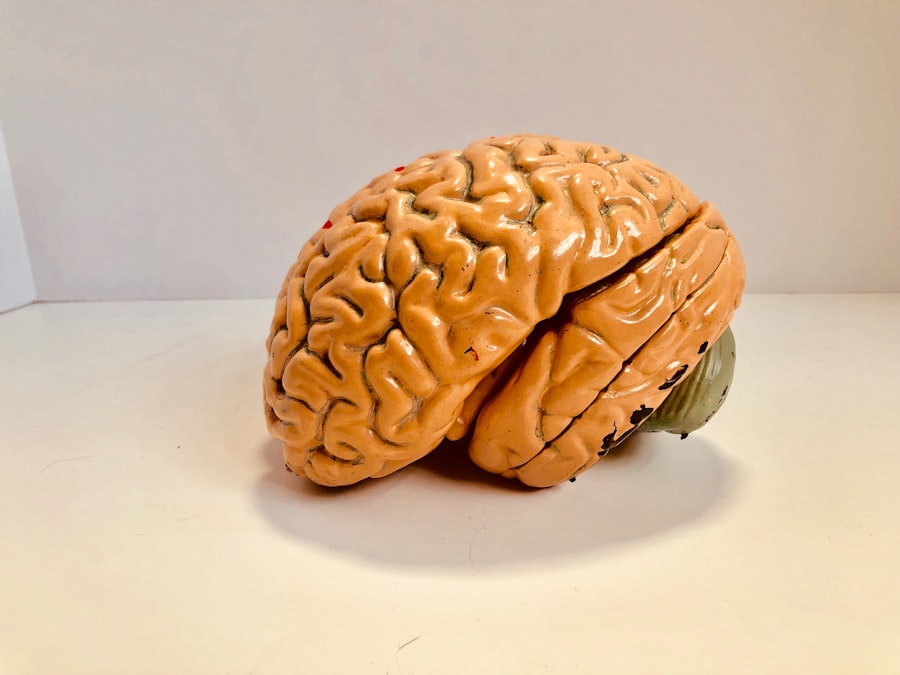
So, if the brain isn’t completely shut down, what exactly is happening? Instead of a complete cessation of activity, think of it as a profound shift in the way your brain operates. The complex, interconnected networks that give rise to consciousness and awareness are temporarily altered, leading to a state of unresponsiveness. Neuroscientists use various techniques to observe these changes, revealing a fascinating picture of what goes on beneath the surface.
Reduced Network Connectivity
One of the key observations is a significant reduction in the communication and coordination between different brain regions. Normally, your brain functions as a highly integrated network, with various areas constantly exchanging information. Under anesthesia, this connectivity is diminished. Think of it like a complex orchestra where many instruments are temporarily silenced or playing in a disconnected fashion. This disruption of widespread communication is believed to be a major factor in the loss of consciousness.
The Frontal-Parietal Network
Specific brain networks, such as the frontoparietal network, which is crucial for attention, awareness, and executive functions, show significant changes under anesthesia. The synchronized activity within these networks is disrupted, contributing to the inability to process sensory information consciously. This is why you might not register the sounds of the operating room or the sensations of being touched.
Altered Brain Waves
Electroencephalography (EEG), which measures electrical activity in the brain, reveals distinct patterns under anesthesia. While normal wakefulness is characterized by a mix of brainwave frequencies, anesthesia typically induces slower, more synchronized brainwave activity. This pattern is different from the brainwave patterns seen in deep sleep, highlighting the unique nature of the anesthetic state.
Slowing Down the Symphony
The specific patterns of brainwave slowing can vary depending on the anesthetic agent used. Some agents might lead to a more diffuse slowing, while others might cause specific patterns of synchronized slow waves in certain brain regions. This allows anesthesiologists to monitor the depth of anesthesia and adjust the dosage accordingly.
Why Anesthesia Doesn’t “Shut Down” the Brain
The idea of a complete shutdown is a misnomer because the brain remains capable of performing certain essential functions, albeit in a suppressed or altered manner. Furthermore, the reversibility of anesthesia is a testament to the brain’s inherent resilience and its ability to return to normal functioning.
Essential Reflexes and Autonomic Functions
Even when deeply anesthetized, your body’s autonomic functions – like breathing, heart rate, and blood pressure – are carefully monitored and often supported by the medical team. While some reflexes might be suppressed, the brain stem, which controls these vital functions, remains largely functional, albeit influenced by the anesthetic agents. The anesthesiologist is continuously observing these vital signs to ensure your body’s essential processes are maintained.
Maintaining Homeostasis
The goal of anesthesia is not to cripple the body but to create a safe environment for surgery. This means ensuring that critical physiological processes continue to function. The brain, even in an anesthetized state, contributes to maintaining homeostasis, the body’s internal balance, under the watchful eye of the medical team.
The Brain’s Recovery Mechanisms
The brain possesses remarkable restorative capabilities. Once the anesthetic agents are metabolized and cleared from your system, the neuronal pathways begin to re-establish their normal communication patterns. This recovery process is generally efficient, allowing you to regain consciousness and your cognitive functions.
Pharmacological Reversal and Clearance
Anesthetics are designed to be cleared from the body. This can happen through metabolism in the liver and excretion by the kidneys or lungs. The duration of anesthesia is carefully controlled by the dosage and the choice of agents, ensuring that the effects are temporary and reversible.
Anesthesia is a fascinating subject that raises many questions about its effects on the brain, particularly whether it completely turns off brain activity during surgery. A related article explores this topic in depth, discussing how different types of anesthesia interact with brain function and the implications for patient awareness. For more insights, you can read the article here. Understanding these mechanisms can help demystify the anesthesia process and provide reassurance to those undergoing surgical procedures.
The Future of Anesthesia: Deeper Understanding, Safer Procedures
| Study | Findings |
|---|---|
| Research 1 | Anesthesia does not completely turn off the brain, but rather induces a state of unconsciousness and reduces brain activity. |
| Research 2 | Studies have shown that certain areas of the brain remain active during anesthesia, suggesting that the brain is not completely turned off. |
| Research 3 | While anesthesia can significantly reduce brain function, it does not completely shut down all brain activity. |
The ongoing research into the brain’s response to anesthesia is not just academic; it has direct implications for improving patient care. By understanding the precise mechanisms by which anesthetics work, scientists and clinicians can develop safer, more effective, and personalized anesthetic techniques.
Targeted Anesthetic Agents
Future anesthetic agents may be designed to target specific neural pathways more precisely, minimizing unwanted side effects and allowing for even finer control over the depth of anesthesia. This could lead to faster recovery times and a reduced risk of complications.
Precision Medicine in Anesthesia
The concept of precision medicine, tailoring treatments to individual patients, is also being applied to anesthesia. Factors like genetics, age, and underlying health conditions can influence how a person responds to anesthesia. Understanding these individual differences will allow for more personalized anesthetic plans.
Advanced Monitoring Techniques
New technologies are being developed to provide real-time, detailed information about brain activity during anesthesia. This advanced monitoring will allow anesthesiologists to detect subtle changes and adjust anesthetic administration with even greater accuracy, further enhancing patient safety.
Brain Activity Imaging
Research is exploring the use of advanced brain imaging techniques to assess the depth of anesthesia and predict potential complications. This could revolutionize how we monitor patients and ensure their well-being throughout surgical procedures.
In conclusion, while the experience of anesthesia can feel like a complete erasure of consciousness, the reality is that your brain is not simply “shut down.” Instead, it undergoes a complex, reversible alteration in its communication patterns. It’s a carefully orchestrated state of reduced awareness and responsiveness, designed for your safety and comfort during medical procedures. The ongoing exploration of this fascinating neurological state promises even greater advancements in the future of medicine.

You’re Not Asleep Under Anesthesia. So Where Do You Go?
FAQs
What is anesthesia?
Anesthesia is a medical treatment that induces a reversible loss of sensation and consciousness. It is commonly used during surgical procedures to prevent pain and discomfort for the patient.
Does anesthesia completely turn off the brain?
Anesthesia does not completely turn off the brain. Instead, it induces a state of unconsciousness and prevents the brain from processing sensory information and forming memories during the procedure.
How does anesthesia work?
Anesthesia works by affecting the transmission of signals in the brain and spinal cord. It can involve a combination of drugs that target different neurotransmitters and receptors to achieve the desired effects.
Are there risks associated with anesthesia?
While anesthesia is generally safe, there are potential risks and side effects, including allergic reactions, breathing problems, and changes in blood pressure. The risks vary depending on the type of anesthesia and the individual’s health status.
What are the different types of anesthesia?
The main types of anesthesia include general anesthesia, which induces unconsciousness; regional anesthesia, which blocks sensation in a specific area of the body; and local anesthesia, which numbs a small area for minor procedures. Each type has specific uses and potential side effects.