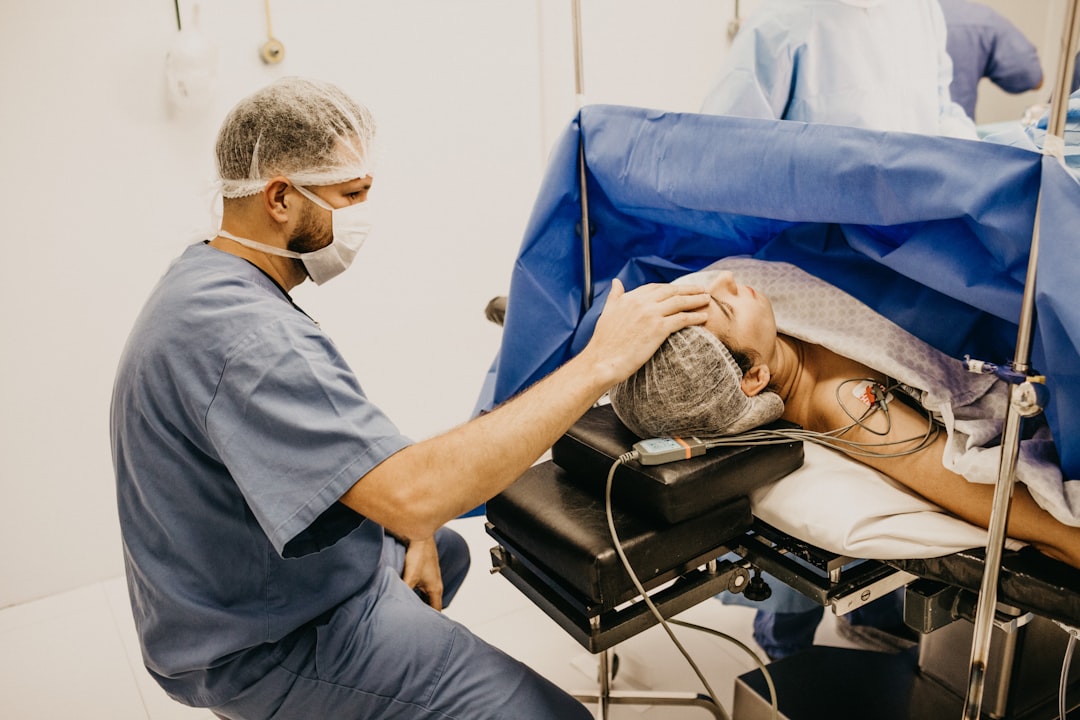
You’re scheduled for a surgery, and the thought of general anesthesia looms. It’s a completely natural feeling to wonder what’s happening while you’re “under.” You’re entrusting your very consciousness to the hands of medical professionals, and naturally, you want to understand the process. This guide is designed to demystify consciousness and general anesthesia, providing you with the information you need to feel informed and at ease.
Before we delve into how anesthesia affects consciousness, it’s crucial to grasp what consciousness itself entails. It’s more than just being awake; it’s your subjective experience of the world, your thoughts, feelings, memories, and the very sense of being “you.”
The Subjective Nature of Experience
Consciousness is inherently personal. It’s the internal monologue running through your head, the way you perceive the color red, the joy you feel when listening to your favorite song, or the anxiety that creeps in before a big event. Scientists are still grappling with a definitive definition, but generally, it encompasses awareness of yourself and your surroundings, along with the ability to form thoughts and intentions.
Key Components of Consciousness
While a single, universally agreed-upon definition remains elusive, several key components are frequently discussed when talking about consciousness:
Awareness
This is the fundamental aspect of consciousness – being aware of your internal states (thoughts, emotions, sensations) and external stimuli (sights, sounds, smells). It’s the difference between a rock and a living being that can react to its environment.
Sentience
Sentience refers to the capacity to feel, perceive, or experience subjectively. It’s the ability to have qualitative experiences, often referred to as “qualia” – the redness of red, the sweetness of sugar, the pain of a stubbed toe.
Self-Awareness
This is a more advanced form of consciousness where an individual recognizes themselves as an individual, distinct from others and their environment. It’s the understanding that “I am me.”
Access Consciousness vs. Phenomenal Consciousness
Some researchers differentiate between these two concepts. Access consciousness refers to information that is available for report and behavioral control – what you can talk about or act upon. Phenomenal consciousness, on the other hand, is the subjective, qualitative experience itself – the “what it’s like” to see red or feel pain. Anesthesia is believed to affect both, but in different ways and to varying degrees.
If you’re curious about the complexities of consciousness during medical procedures, you might find the article on the science of anesthesia particularly enlightening. It explores the various states of consciousness and the mechanisms behind general anesthesia, shedding light on whether patients can experience awareness during surgery. For more in-depth information, you can read the article here: Freaky Science.
How General Anesthesia Works: A Chemical Cascade
General anesthesia is a carefully controlled state of temporary unconsciousness induced by medications. It’s not a simple “off switch” for your brain but rather a complex interaction that suppresses various brain functions essential for awareness and responsiveness.
The Goal: Reversible Unconsciousness
The primary goal of general anesthesia is to render you unconscious, painless, and immobile for a surgical procedure. This is achieved by targeting specific areas and functions within your brain and nervous system. It’s a delicate balance, aiming for deep enough sedation to prevent awareness and recall, while also allowing for the maintenance of vital bodily functions.
Key Mechanisms of Action
Anesthetic drugs work through a variety of mechanisms, often affecting how neurons communicate with each other. These mechanisms are not mutually exclusive and likely work in concert to produce the desired state of unconsciousness.
Disruption of Neuronal Communication
Neurons, the building blocks of your nervous system, communicate through electrical and chemical signals. Anesthetics interfere with these signals in several ways:
Enhancing Inhibitory Neurotransmission
Many general anesthetics enhance the activity of inhibitory neurotransmitters like Gamma-Aminobutyric Acid (GABA). GABA acts like a brake on neuronal firing, slowing down brain activity. By amplifying GABA’s effects, anesthetics effectively quiet down the brain, making it harder for signals to propagate and reach the level of conscious awareness.
Inhibiting Excitatory Neurotransmission
Conversely, anesthetics can also inhibit the function of excitatory neurotransmitters like glutamate. Glutamate acts like an accelerator for neuronal firing. By blocking or reducing glutamate’s effects, anesthetics further dampen brain activity, contributing to the loss of consciousness.
Altering Ion Channel Function
Neurons rely on the flow of ions (charged particles) across their membranes to generate electrical signals. Anesthetics can directly interact with ion channels, altering their permeability and thus affecting the electrical excitability of neurons. For instance, some anesthetics can block sodium channels, preventing the rapid firing of neurons.
Targeting Specific Brain Regions
Anesthesia doesn’t affect the entire brain uniformly. It tends to target specific areas involved in consciousness and wakefulness, such as the cerebral cortex, thalamus, and brainstem.
Thalamo-Cortical Loops
The thalamus acts as a relay station for sensory information, sending it to the cerebral cortex for processing. Anesthetics can disrupt the communication within these thalamo-cortical loops, preventing sensory information from reaching the cortex and thus hindering conscious perception.
Reticular Activating System (RAS)
The RAS in the brainstem plays a crucial role in regulating arousal and wakefulness. Anesthetics can suppress the activity of the RAS, leading to a state of profound sedation and loss of consciousness.
The Stages of Anesthesia: A Gradual Descent
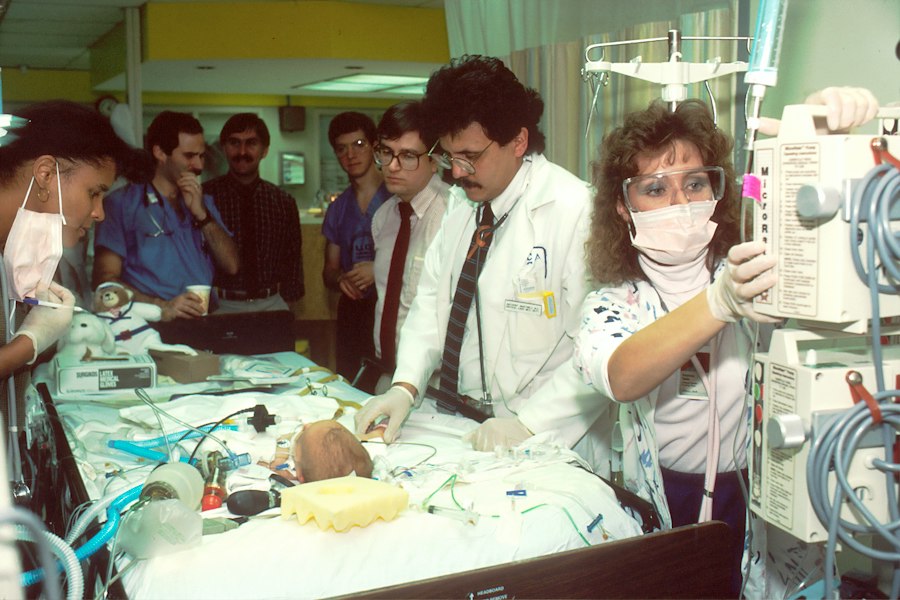
General anesthesia is typically induced and maintained through distinct stages, although these may not always be clearly demarcated depending on the anesthetic agents used and the individual’s response. Understanding these stages can help you appreciate the gradual nature of the process.
Induction: The Beginning of the Journey
This is the phase where the anesthetic agents are administered, and you begin to lose consciousness. It’s often a rapid process, particularly with inhaled anesthetics.
Initial Sensations
As anesthesia is induced, you might experience sensations like warmth, dizziness, or a ringing in your ears. These are temporary and a sign that the medications are taking effect.
Loss of Responsiveness
You’ll gradually become less responsive to verbal commands and then to physical stimuli. This is a critical stage, and the anesthesiologist will monitor you closely to ensure smooth induction.
Maintenance: Sustaining Unconsciousness
Once you’re unconscious, the anesthetic agents are maintained at a level sufficient to keep you in a surgical plane of anesthesia. This ensures you remain unaware and immobile throughout the procedure.
Depth of Anesthesia
The anesthesiologist continuously monitors the “depth” of anesthesia, which refers to the level of central nervous system depression. This is assessed through various physiological parameters and sometimes specialized brain monitoring devices. The goal is to achieve sufficient depth for surgery without causing excessive physiological compromise.
Balanced Anesthesia
Modern anesthesia often employs a technique called “balanced anesthesia,” which involves using a combination of different drugs to achieve the desired effects. This can include intravenous agents, inhaled gases, and sometimes sedatives or analgesics, allowing for more precise control and minimizing side effects.
Emergence: The Return to Awareness
This is the gradual process of waking up as the anesthetic agents are withdrawn. It’s a transition back to consciousness, and your experience during this phase can vary.
Gradual Return of Sensation
You’ll begin to regain awareness and sensation. This might start with a dull awareness of your surroundings, followed by the ability to hear and feel.
Potential Disorientation and Confusion
It’s common to feel a bit disoriented or confused immediately after waking up. This is usually temporary as your brain reorients itself. You might have fragmented memories or a feeling of grogginess.
What Happens to Your Brain During Anesthesia?
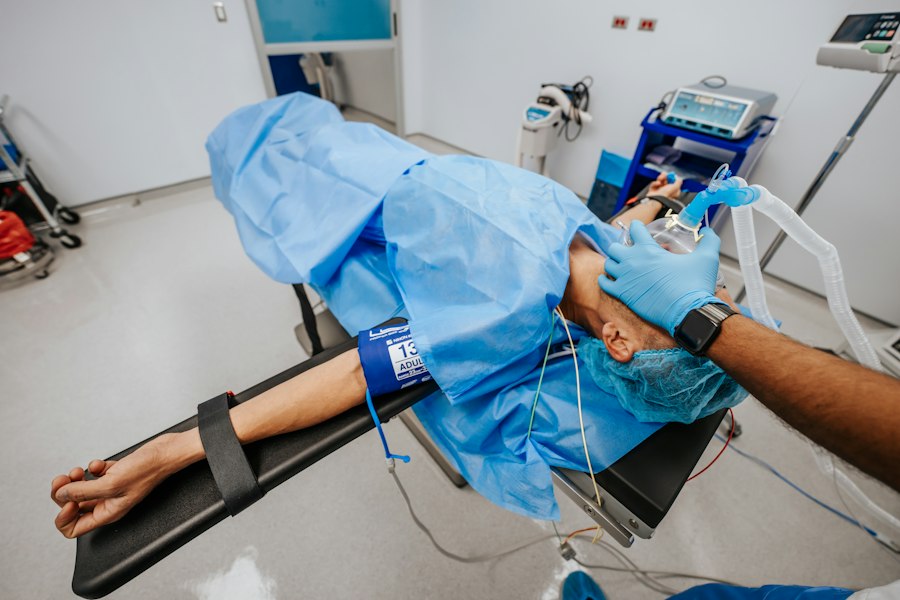
The “blackout” of general anesthesia is a fascinating and complex phenomenon. While you are unconscious, your brain is not entirely shut down; rather, its activity is profoundly altered.
Suppression of Sensory Input and Processing
One of the primary effects of anesthesia is the interruption of sensory information reaching your conscious mind.
Blockade of Sensory Pathways
Anesthetics effectively block or dampen the transmission of sensory signals from your body to your brain. This means that even though your body might be touched or stimulated, these sensations are not consciously perceived.
Impaired Integration of Information
Even if some sensory signals manage to bypass the initial blockade, anesthetics disrupt the brain’s ability to integrate this information into a coherent conscious experience. The complex neural networks that allow for awareness and understanding are suppressed.
Memory Consolidation: The Key to Amnesia
A critical aspect of general anesthesia is the prevention of memory formation, particularly explicit memory (conscious recall of events).
Impact on Hippocampal Function
The hippocampus, a brain structure vital for forming new memories, is significantly affected by anesthetic agents. This disruption prevents the encoding of new experiences during surgery.
Preventing “Awareness Under Anesthesia”
While complete awareness under general anesthesia is rare, there are concerns about “intraoperative awareness,” where patients may have some level of conscious experience during surgery without being able to move or respond. Modern anesthetic monitoring and techniques aim to minimize this risk.
Altered Connectivity and Network Activity
Neuroimaging studies have revealed that general anesthesia dramatically alters the way different brain regions communicate with each other.
Disruption of Functional Connectivity
Instead of the coordinated activity seen in wakefulness, anesthetics tend to disrupt the functional connectivity between brain areas. This leads to a more fragmented and less integrated pattern of neural activity.
Global Brain Slowing
Anesthetics often induce a slowing of brain waves, similar to what is seen during deep sleep, but with key differences that indicate a more profound disruption of conscious processing.
The question of whether individuals are conscious during general anesthesia has intrigued both medical professionals and patients alike. A related article explores this phenomenon in depth, shedding light on the complexities of consciousness and anesthesia. For those interested in understanding more about this topic, you can read the article here: explore the science behind anesthesia. This resource provides valuable insights into the mechanisms at play and the experiences of patients, making it a worthwhile read for anyone curious about the subject.
Emerging Research: The Cutting Edge of Anesthesia and Consciousness
| Study | Consciousness Rate | Sample Size |
|---|---|---|
| Severinghaus and Chiodi, 1966 | 0.1% | 20,000 |
| Flanagan and Fisher, 1971 | 0.2% | 10,000 |
| Domino et al., 1999 | 0.1% | 60,000 |
The study of consciousness and its interaction with anesthesia is a rapidly evolving field. Researchers are employing advanced techniques to better understand the mechanisms at play and improve anesthetic safety and efficacy.
Advanced Brain Monitoring Techniques
New technologies are providing unprecedented insights into brain activity during anesthesia.
Electroencephalography (EEG) and its Derivatives
EEG, which measures electrical activity in the brain, is a cornerstone of anesthetic monitoring. Advanced analysis of EEG signals, such as bispectral index (BIS) monitoring, aims to provide a quantitative measure of anesthetic depth and reduce the risk of awareness. Researchers are exploring even more sophisticated EEG analysis to understand the specific patterns associated with consciousness.
Positron Emission Tomography (PET) and Functional Magnetic Resonance Imaging (fMRI)
These neuroimaging techniques allow scientists to observe brain activity in real-time. By applying them to patients under anesthesia, researchers can map which brain regions are suppressed and how their connectivity is altered. This is crucial for understanding how different anesthetic agents work at a fundamental level.
Investigating the “Anesthetic State”
Beyond simply identifying what’s suppressed, researchers are trying to characterize the specific neural signatures of anesthetic-induced unconsciousness.
Identifying Neural Correlates of Consciousness
By comparing brain activity during wakefulness, sleep, and anesthesia, scientists are trying to pinpoint the neural patterns that are essential for conscious experience. This can help define what is being lost during anesthesia.
Exploring the Reversibility of Neural Changes
Understanding how quickly and completely brain function recovers after anesthesia is also a key area of research. This informs our understanding of potential long-term effects and helps optimize recovery protocols.
Towards More Personalized Anesthesia
The ultimate goal is to tailor anesthetic administration to each individual’s unique physiology, minimizing risks and optimizing outcomes.
Predicting Individual Responses
Researchers are exploring genetic factors and other biomarkers that might predict how an individual will respond to different anesthetic agents. This could lead to more personalized drug selection and dosing.
Optimizing Anesthetic Protocols
By understanding the precise mechanisms of different anesthetics and their effects on individual brains, it will be possible to develop more refined and effective anesthetic protocols for a wide range of surgical procedures.
In conclusion, while the experience of general anesthesia is one of lost consciousness, the underlying processes are incredibly complex and scientifically fascinating. You are entrusting your brain’s intricate network to skilled professionals who utilize a deep understanding of neuroscience to ensure your safety and comfort. By understanding these concepts, you can approach your upcoming procedure with greater confidence and a clearer appreciation for the marvels of modern medicine.

You’re Not Asleep Under Anesthesia. So Where Do You Go?
FAQs
What is general anesthesia?
General anesthesia is a state of controlled unconsciousness where a patient is put into a deep sleep, rendering them unaware and unresponsive to pain and other stimuli during medical procedures.
Are you conscious during general anesthesia?
No, patients are not conscious during general anesthesia. The medications used during general anesthesia induce a state of deep unconsciousness, preventing the patient from experiencing any sensations or awareness during the procedure.
Can you feel pain during general anesthesia?
No, patients under general anesthesia do not feel pain. The medications used during general anesthesia block the transmission of pain signals to the brain, ensuring that the patient remains pain-free during the procedure.
What are the risks of general anesthesia?
While general anesthesia is generally safe, there are some risks associated with it, including allergic reactions, breathing problems, and adverse reactions to the medications used. Patients with certain medical conditions may also be at higher risk for complications.
How long does it take to recover from general anesthesia?
The recovery time from general anesthesia varies from person to person, but most patients begin to wake up within minutes after the medications are stopped. It may take several hours for the effects of the anesthesia to wear off completely, and patients may experience grogginess, dizziness, and nausea during the recovery period.