Is Your Brain Functional Under Anesthesia?
You’re wheeled into the operating room, a little nervous but trusting the professionals to take care of you. The anesthesiologist greets you, explains the process, and then, there’s the mask, the sweet, disorienting smell, and you drift away. The next thing you know, you’re waking up, groggy but usually pain-free. It’s a modern marvel, this ability to render you unconscious and unaware for surgery. But beneath the surface of this profound sleep, a fundamental question lingers: is your brain functional under anesthesia?
It’s a question that touches on the very essence of consciousness, awareness, and what it means to be “you.” The common understanding is that while under anesthesia, your brain simply shuts down, a temporary pause in its activity. However, the reality is far more nuanced, and the scientific exploration of brain activity during anesthesia reveals a complex interplay of suppressed communication, altered states of awareness, and ongoing neural processes. This isn’t a simple on-off switch; it’s a carefully orchestrated suppression of specific brain functions, designed to achieve a state of amnesia, analgesia, and immobility.
Understanding brain functionality under anesthesia requires delving into the intricate workings of your brain, the mechanisms by which anesthetics achieve their effects, and the ongoing research that’s gradually unveiling the mysteries of this induced state. It challenges our intuitive notions of consciousness and forces us to consider what it truly means for a brain to be “functional.”
Before we can answer whether your brain is functional under anesthesia, we need to clarify what we mean by “functional” in this context. It’s not a binary state of being fully awake and aware versus completely inert. Instead, functionality can be viewed on a spectrum, encompassing a range of abilities and processes.
The Spectrum of Brain Functionality
Your brain is a dynamic organ, constantly engaged in a multitude of tasks. When we talk about its functionality, we’re usually referring to its ability to:
- Process sensory information: This includes seeing, hearing, smelling, tasting, and touching.
- Generate thoughts and emotions: Your capacity for reasoning, problem-solving, feeling joy, sadness, fear, and other emotions.
- Maintain consciousness and awareness: The subjective experience of being alive and aware of yourself and your surroundings.
- Coordinate motor functions: The ability to move your body voluntarily.
- Form memories: The process of encoding, storing, and retrieving information.
- Communicate and interact: Your ability to speak, understand language, and engage with others.
Under general anesthesia, the primary goals are to suppress your awareness, block pain signals, and prevent movement. This inherently means that many of the functionalities we associate with being awake are deliberately and significantly diminished or eliminated. However, this doesn’t necessarily imply a complete cessation of all neural activity.
The Importance of Context
The definition of “functional” also depends on the specific goals of anesthesia. For a surgical procedure, a “functional” brain is one that is not actively interfering with the surgery. It’s a brain that is safe, controllable, and allows the surgeon to operate effectively. In this sense, the anesthetics are “functional” in achieving their intended medical outcome.
However, from the perspective of the individual undergoing anesthesia, the question of functionality delves into the experience of consciousness and awareness. Are you truly “offline,” or are there residual activities that could, under different circumstances, lead to some level of processing or even awareness? This is where the science becomes particularly intriguing.
An intriguing aspect of anesthesia is whether the brain remains active and aware during surgical procedures. For those interested in exploring this topic further, a related article can be found at Freaky Science, which delves into the complexities of consciousness and brain function under anesthesia. This resource provides valuable insights into the ongoing debates and research surrounding the experiences of patients during surgery, shedding light on the mysteries of the human mind in such critical situations.
The Anesthetic Cocktail: How Your Brain is Affected
General anesthesia is not a single drug but a combination of agents designed to achieve a reversible state of unconsciousness. These drugs work by altering the way neurons in your brain communicate with each other, essentially dampening the signals that create consciousness and awareness.
Targeting Neural Pathways
Anesthetics don’t act uniformly across the entire brain. Instead, they selectively target specific neurotransmitter systems and neural pathways that are crucial for maintaining wakefulness and consciousness.
- GABAergic System: Many anesthetics, like propofol and benzodiazepines, enhance the activity of gamma-aminobutyric acid (GABA), the primary inhibitory neurotransmitter in the brain. By boosting GABA’s effects, these drugs essentially put the brakes on neuronal firing, making it harder for the brain to generate complex signals associated with consciousness. You can think of it as turning down the volume on your brain’s internal chatter.
- Glutamatergic System: Conversely, some anesthetics, like ketamine, block the activity of glutamate, an excitatory neurotransmitter. This disruption of excitatory signaling further contributes to the suppression of neuronal activity.
- Other Neurotransmitter Systems: Anesthetics can also influence other systems, including acetylcholine, serotonin, and dopamine, further fine-tuning the brain’s state of arousal and awareness.
Disrupting Brain Connectivity
A key aspect of anesthesia is its ability to disrupt the coordinated communication between different regions of your brain. This disrupted connectivity is a hallmark of the unconscious state.
- Reduced Global Connectivity: Under anesthesia, the large-scale networks that integrate information across various brain areas become less cohesive. For example, the network that connects the frontal and parietal lobes, crucial for attention and working memory, becomes significantly dampened.
- Local Activity Persistence: While global connectivity suffers, it’s important to note that local neuronal activity within specific brain regions can still persist. Neurons might still be firing, but their ability to communicate with other brain areas and contribute to a unified conscious experience is severely impaired.
- Thalamocortical Loops: The thalamus acts as a relay station for sensory information to the cortex. Anesthetics interfere with these thalamocortical loops, preventing sensory input from reaching consciousness-generating areas of the cortex.
Is Your Brain Truly “Off”? Unraveling the Mystery of Anesthetic Awareness
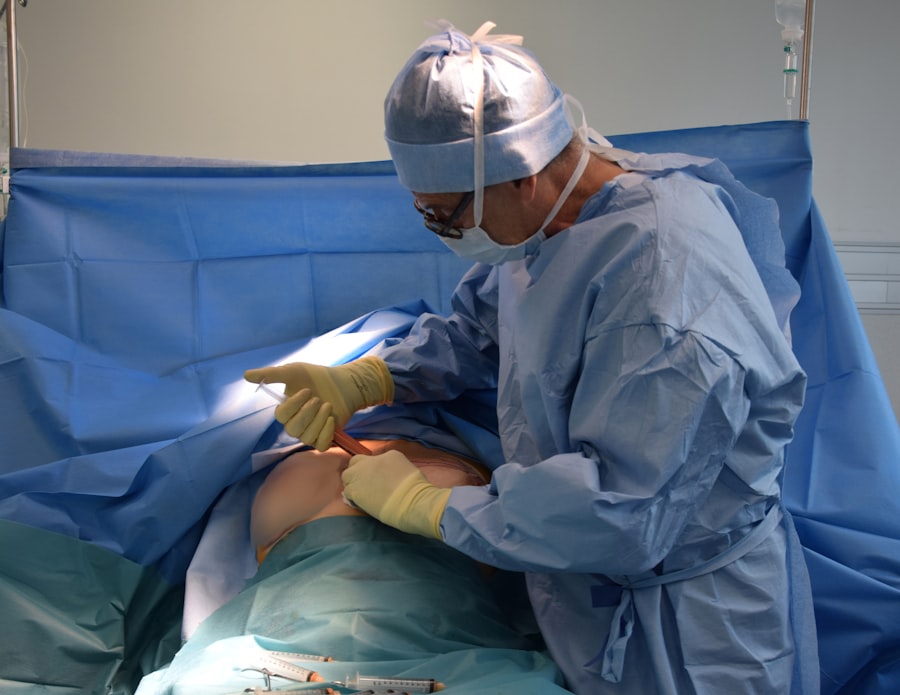
The ideal scenario under anesthesia is complete unawareness. However, rare instances of “anesthetic awareness” – a state where a patient is conscious and may have some memory of the surgical event – highlight that the brain doesn’t always switch off completely and uniformly.
The Phenomenon of Anesthetic Awareness
Anesthetic awareness is a distressing complication that can occur when anesthetic agents are insufficient to maintain a state of deep unconsciousness. This doesn’t mean you’re fully awake and experiencing pain (analgesia is usually maintained), but rather that there’s a disconnect between your physical state and your awareness.
- Factors Contributing to Awareness: Several factors can increase the risk of anesthetic awareness, including high-risk surgeries, certain medical conditions, and the use of muscle relaxants without adequate anesthetic depth monitoring.
- The Nature of the Experience: Patients who experience awareness often describe a feeling of paralysis and an inability to communicate, coupled with the perception of sounds, sensations, and even conversations happening around them. This can be deeply traumatic.
- Monitoring for Depth of Anesthesia: Modern anesthesia practice includes sophisticated monitoring techniques, such as electroencephalography (EEG)-based devices (e.g., Bispectral Index or BIS monitoring), to assess brain activity and help guide anesthetic administration, aiming to prevent awareness.
Residual Brain Activity and Unconscious Processing
Even in the absence of awareness, research suggests that your brain may not be entirely passive. There might be residual neural activity that, while not contributing to conscious experience, could potentially represent unconscious processing.
- Subliminal Processing: Studies using brain imaging techniques have shown that even under deep anesthesia, certain auditory stimuli can elicit brain responses that are not consciously perceived but can influence subsequent behavior. This suggests that some level of information processing might occur at a subconscious level.
- Memory Formation (or Lack Thereof): One of the key goals of anesthesia is to induce amnesia. This means preventing the formation of explicit memories of the surgical period. However, the precise mechanisms of amnesia under anesthesia are still being investigated, and it’s possible that some forms of unconscious learning or memory consolidation might still occur.
Functional Changes Beyond Consciousness
While consciousness and awareness are paramount concerns, anesthesia also profoundly alters other brain functions that contribute to your overall well-being and cognitive capabilities after waking.
The Impact on Memory and Cognition
The period immediately following anesthesia is often characterized by some degree of cognitive impairment, including difficulties with memory, attention, and executive functions.
- Postoperative Cognitive Dysfunction (POCD): POCD is a phenomenon where patients experience lingering cognitive deficits after surgery, which can range from mild and transient to more significant and persistent. Factors such as age, pre-existing cognitive impairment, and the type of surgery can influence the risk and severity of POCD.
- Anesthetic Agents and Brain Plasticity: The specific anesthetic agents used can have varying effects on neuronal plasticity and the long-term health of brain cells. Research is ongoing to understand which agents might be more neuroprotective or, conversely, have a greater potential for adverse long-term cognitive effects.
- Sleep Disruption: The disruption of normal sleep patterns due to surgery and hospitalization can also contribute to cognitive difficulties after anesthesia.
Altered Sensory Processing and Perception
While anesthesia aims to block pain, it also significantly alters how your brain processes other sensory information.
- Auditory Processing: Even though you are unconscious, your auditory cortex might still be receiving sound signals. The way these signals are processed and whether they reach a level of conscious perception is what anesthetics aim to prevent.
- Visual Processing: Similarly, visual input is largely blocked from reaching conscious awareness. However, studies have explored whether any residual visual processing can occur, especially in cases of light exposure during surgery.
Recent studies have sparked interest in understanding how our brains function during anesthesia, raising questions about consciousness and awareness in such states. For those curious about the implications of these findings, a related article explores the complexities of brain activity while under anesthesia and its potential effects on postoperative recovery. You can read more about this fascinating topic in the article found here.
The Future of Anesthesia: Towards Enhanced Brain Monitoring and Precision
| Metrics | Results |
|---|---|
| Brain Activity | Minimal to none |
| Response to Stimuli | None |
| Consciousness | Suppressed |
| Memory Formation | Impaired |
The ongoing research into brain activity under anesthesia is not just academic; it has direct implications for improving anesthetic care and ensuring patient safety.
Advanced Brain Monitoring Technologies
The field of neuroscience is constantly developing new tools and techniques to better understand brain function in real-time.
- Next-Generation EEG and Evoked Potentials: Researchers are refining EEG analysis and exploring other electrophysiological measures, such as evoked potentials (brain responses to specific stimuli), to provide more detailed insights into the depth of anesthesia and the state of consciousness.
- Functional Magnetic Resonance Imaging (fMRI): While not practical for real-time monitoring in the operating room, fMRI studies are invaluable for understanding the network-level changes in brain activity that occur under anesthesia. This research helps to identify the neural correlates of unconsciousness.
- Predictive Modeling: The goal is to develop predictive models that can anticipate a patient’s response to anesthetic agents based on their individual characteristics and real-time brain activity, allowing for more personalized and precise anesthetic administration.
Personalized Anesthesia and Targeted Interventions
The ultimate aim is to move towards a more personalized approach to anesthesia, tailoring the anesthetic plan to each individual patient’s needs and physiological responses.
- Minimizing Side Effects: By better understanding how different anesthetic agents affect the brain, clinicians can choose agents that minimize the risk of adverse cognitive outcomes or prolonged recovery.
- Optimizing Recovery: Precision in anesthesia administration can lead to faster and smoother recoveries, allowing patients to regain their cognitive functions more quickly after surgery.
- Investigating Consciousness in Different States: The study of anesthesia is also contributing to our broader understanding of consciousness itself, by providing a controllable model to explore how the brain generates subjective experience and how this can be reversibly suppressed.
In conclusion, while you are under anesthesia, your brain is not simply switched off. Instead, it undergoes a complex and carefully orchestrated shutdown of specific functions that are critical for consciousness and awareness. Neural activity is suppressed, communication pathways are disrupted, and the very networks that allow you to experience the world are temporarily silenced. However, ongoing research suggests that some level of residual brain activity and even unconscious processing may persist. The continued exploration of these intricate processes promises to not only enhance the safety and effectiveness of anesthesia but also to deepen our understanding of the human mind and the enigmatic nature of consciousness itself.

You’re Not Asleep Under Anesthesia. So Where Do You Go?
FAQs
What happens to the brain under anesthesia?
Under anesthesia, the brain experiences a reversible loss of consciousness and sensation. Anesthesia works by altering the activity of neurotransmitters in the brain, effectively blocking the perception of pain and the formation of new memories.
Can the brain still function under anesthesia?
While the brain’s activity is significantly altered under anesthesia, it still maintains basic functions such as regulating vital signs and maintaining basic reflexes. However, higher cognitive functions such as awareness, memory, and decision-making are temporarily suppressed.
Is it possible to dream or have conscious experiences while under anesthesia?
Research suggests that it is unlikely for patients to have conscious experiences or dreams while under general anesthesia. The drugs used in anesthesia induce a state of unconsciousness that prevents the formation of new memories, making it unlikely for patients to recall any experiences during the procedure.
What are the potential risks to the brain during anesthesia?
While anesthesia is generally safe, there are potential risks to the brain, such as postoperative cognitive dysfunction (POCD) and delirium. These conditions can cause temporary confusion, memory loss, and difficulty with cognitive functions, particularly in older adults.
How long does it take for the brain to recover from anesthesia?
The time it takes for the brain to fully recover from the effects of anesthesia varies depending on the type of anesthesia used, the individual’s health, and the length of the procedure. In most cases, the effects of anesthesia wear off within a few hours, and cognitive function returns to normal within a day or two.