You’ve probably experienced it. That unsettling feeling after a medical procedure, where you were given anesthesia, and a chunk of your life simply… vanished. One moment you’re feeling the prick of the needle, the next you’re waking up groggy, with no memory of what happened in between. It’s a paradox: a state of unconsciousness designed to erase pain and awareness, yet it leaves you with an undeniable sense of a void, a lost period of time. This isn’t just a minor inconvenience; it’s a glimpse into the profound mystery of the unconscious mind and how it navigates the anesthetic void.
When you’re undergoing surgery or a procedure requiring anesthesia, you’re intentionally slipping into a state where your conscious awareness is temporarily suspended. Think of it as a meticulously crafted descent into nothingness. The goal is complete oblivion, a seamless transition from being awake to being asleep and then, ideally, awake again without any recollection of the intervening hours. But what truly happens in that space? You surrender your agency, your control, and your conscious perception, allowing a potent cocktail of drugs to weave their magic. This isn’t just about feeling sleepy; it’s a deliberate chemical manipulation of your brain’s intricate machinery.
The Pharmacology of Oblivion
Anesthesia isn’t a single substance; it’s a sophisticated blend, tailored to your individual needs and the demands of the procedure. You’ve likely encountered terms like general anesthesia, local anesthesia, or sedation. Each has its own mechanism and effect, but the core principle of suppressing awareness remains. The drugs you receive, whether inhaled gases or intravenous injections, work by interfering with the electrical and chemical signals within your brain. They dampen neurotransmitter activity, effectively putting a halt to the continuous stream of sensory information that usually fuels your conscious thought. This isn’t a simple “off” switch; it’s a complex dampening of neural circuits, creating a unique state of altered consciousness.
General Anesthesia: The Deepest Slumber
When you’re put under general anesthesia, you’re entering a state of profound unconsciousness. You won’t feel pain, won’t move, and most importantly, won’t remember anything. The drugs used, like propofol, sevoflurane, or isoflurane, target specific receptors in your brain, such as GABA receptors, which are inhibitory. By enhancing the effects of GABA, the brain’s primary inhibitory neurotransmitter, these anesthetics effectively slow down or silence neural activity. Imagine a bustling city, and suddenly all the traffic lights are turned off, leading to a complete standstill. This orchestrated shutdown prevents the transmission of signals from your senses to your brain and vice versa, creating the amnesiac effect.
Sedation: A Lighter Touch
Sedation, on the other hand, is often a less profound form of anesthetic. You might feel drowsy, relaxed, and less aware of your surroundings, but you may not be completely unconscious. Drugs like benzodiazepines (e.g., midazolam) or ketamine are often used for sedation. They can induce a state of twilight, where you might have fragmented memories or be easily roused. The aim is to reduce anxiety and discomfort without necessarily achieving total amnesia. You might drift in and out of awareness, with only fleeting impressions of the procedure.
Local and Regional Anesthesia: Targeted Numbness
These techniques focus on specific areas of the body. Local anesthesia, like that used for dental work or stitching a cut, numbs a small, localized region. Regional anesthesia, such as an epidural or spinal block, numbs a larger area, like an entire limb or the lower half of your body. While you are awake and conscious during these procedures, your brain is still processing sensory input, but the signals from the anesthetized area are blocked. The “missing time” phenomenon is less pronounced here, as you are actively aware of your surroundings, even if you can’t feel pain.
The Anesthetic Cocktail: A Symphony of Chemicals
The specific combination of anesthetic agents is a carefully orchestrated symphony. Anesthesiologists consider your age, weight, medical history, and the type of surgery to create a personalized anesthetic plan. This might involve a combination of intravenous drugs for induction, inhaled gases for maintenance, and pain relievers to manage post-operative discomfort. The interplay between these substances is crucial, ensuring a smooth journey into and out of unconsciousness while minimizing risks. It’s a delicate balancing act, and the anesthesiologist is the conductor, ensuring every note is played perfectly.
During anesthesia, patients often experience a phenomenon known as “missing time,” where they have no recollection of events that occurred while under sedation. This intriguing aspect of anesthesia is explored in greater detail in a related article that discusses the mechanisms behind memory loss during surgical procedures. For those interested in understanding how anesthesia affects consciousness and memory, you can read more about it in this article: Freaky Science.
The Unconscious Mind: A Shadow Realm During Anesthesia
While your conscious mind takes a vacation, what is your unconscious mind doing? This is where the real mystery lies. We understand that anesthetics suppress conscious awareness, but the intricate workings of the unconscious brain under these conditions are still a subject of intense scientific inquiry. It’s a realm we can’t directly access, making its activities during anesthesia a fascinating puzzle. You’re not simply a passive recipient of drugs; your brain is actively responding and reorganizing itself in ways we are only beginning to comprehend.
What is the Unconscious?
Before delving into its role during anesthesia, it’s helpful to define what we mean by the unconscious mind. In a general sense, it refers to all mental processes that occur outside of conscious awareness. This includes things like automatic bodily functions, ingrained habits, deeply held beliefs, and repressed memories. Philosophers and psychologists have debated its existence and influence for centuries, but modern neuroscience is providing increasingly compelling evidence for its significant role in shaping our thoughts, emotions, and behaviors. It’s the vast, hidden reservoir of our being, operating beneath the surface of our daily lives.
The Freudian Perspective: Repressed Desires and Traumas
Sigmund Freud, the father of psychoanalysis, famously theorized about the unconscious as a repository of repressed desires, infantile wishes, and traumatic experiences. He believed these hidden elements could surface in dreams, slips of the tongue, and neurotic symptoms. While many of Freud’s specific theories are debated today, his fundamental idea that much of our mental life operates outside of our conscious control remains influential. Anesthesia, in this context, could be seen as a temporary silencing of the ego’s defenses, potentially allowing access to deeper, more primal levels of the psyche.
The Cognitive Science View: Unconscious Processing
Cognitive science views the unconscious as a more information-processing system. This includes implicit learning, automatic decision-making, and the processing of sensory information before it reaches conscious awareness. Your brain is constantly taking in vast amounts of data, but only a fraction makes it to your conscious attention. Anesthesia disrupts this processing, but the underlying mechanisms of how it does so are still being explored. It’s the background hum of your mental activity, the silent computations that keep you functioning.
The Brain’s State During Anesthesia: Not Empty, but Altered
When you’re under anesthesia, your brain isn’t simply shut down. Instead, it enters a dramatically altered state. Neural activity changes in complex ways, with some areas becoming more synchronized and others becoming less active. The interconnectedness of different brain regions is disrupted, affecting your ability to integrate information and form conscious experiences. It’s not an off switch, but a profound rewiring of neural networks, creating a state of profound disconnect.
The Thalamus: A Gatekeeper Under Siege
The thalamus is often called the brain’s relay station, responsible for transmitting sensory information to the cerebral cortex for conscious processing. Anesthetics are known to significantly impact thalamic function, disrupting its ability to relay signals effectively. This impairment is crucial to the amnesiac effect, as it prevents sensory input from reaching the conscious mind. Imagine the main switchboard of a city being overwhelmed and unable to connect calls.
The Cerebral Cortex: Disrupted Networks
The cerebral cortex, responsible for higher-level cognitive functions like consciousness, memory, and thought, also experiences significant changes under anesthesia. The intricate networks that allow for coherent thought and perception become fragmented. Instead of a unified flow of information, you might see localized bursts of activity or a general dampening of communication between different cortical areas. This disruption is what prevents the formation of continuous, conscious memories.
The Echoes of the Void: What Might Linger?
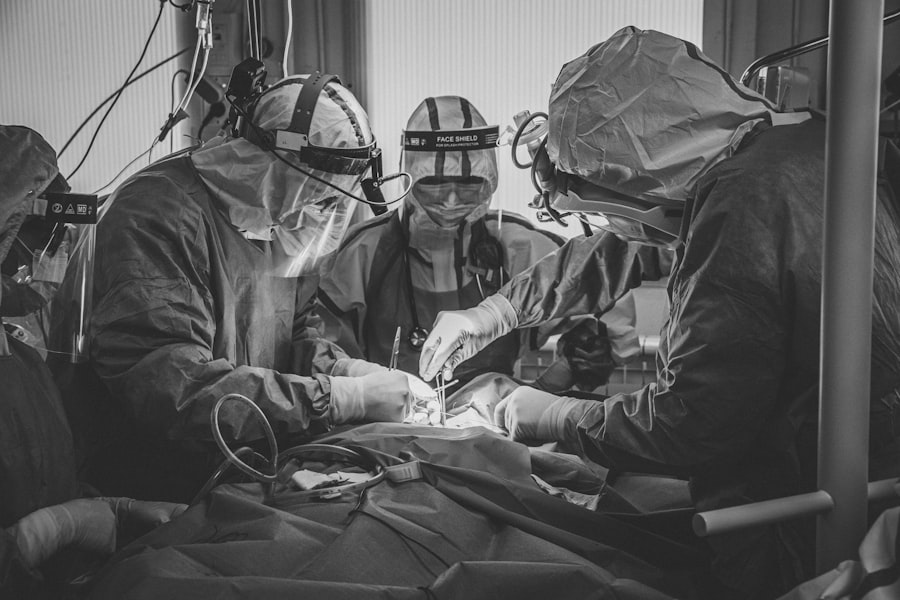
Even though you have no conscious memory, there’s a nagging question: does anything from that “lost” time truly disappear? The concept of “anesthetic awareness,” though rare, highlights that the suppression of consciousness isn’t always perfect. More subtly, researchers are exploring whether the unconscious mind retains some imprint, some residual memory, or emotional residue from the anesthetic experience.
Anesthetic Awareness: The Nightmare Scenario
While exceedingly uncommon, anesthetic awareness is the most direct evidence that the anesthetic veil isn’t always absolute. It’s a deeply distressing experience where a patient regains some level of consciousness during surgery but is unable to move or communicate. This can lead to significant psychological trauma, including PTSD. The very possibility of this happening underscores the fragility of the anesthetic state and the immense responsibility of the anesthesiologist to ensure its efficacy. It’s the worst-case scenario, a stark reminder of the risks involved.
Recognizing the Signs
Anesthetic awareness is characterized by subjective reports of hearing, feeling pressure, or experiencing pain during a procedure where complete unconsciousness is intended. Patients may also report feeling paralyzed. The rarity of this phenomenon, however, means it’s often overlooked until it becomes a significant issue. Early identification and intervention are crucial for mitigating the psychological impact.
Prevention and Management
The medical team meticulously monitors vital signs and anesthetic depth to prevent awareness. Modern anesthetic monitoring techniques, such as electroencephalography (EEG) and processed EEG, help assess brain activity and the depth of anesthesia. If awareness is suspected or confirmed, immediate measures are taken to deepen the anesthesia and address the patient’s distress.
The Unconscious Imprint: Subliminal Messages and Emotional Traces
Beyond explicit awareness, researchers are investigating whether subliminal messages or emotional cues can be processed by the unconscious mind during anesthesia. This is a complex area, as distinguishing between genuine unconscious processing and post-operative suggestion is challenging. However, some studies suggest that certain stimuli, even if not consciously perceived, might have a subtle influence on post-operative mood or behavior.
Auditory Stimuli: The Sound of Silence?
You might be under the impression that nothing is heard during anesthesia. However, the auditory pathway can be one of the last to be fully suppressed and the first to recover. This has led to research into whether sounds experienced during surgery, even if not consciously registered, can leave an unconscious trace. Some studies have explored the impact of specific music or even spoken words on post-operative recovery and pain perception, with mixed but intriguing results.
Emotional Residue: Lingering Feelings
Could you wake up with a vague sense of unease or a particular mood that doesn’t seem to have a conscious origin? Some researchers hypothesize that the emotional centers of the brain might process emotional stimuli even when higher cognitive functions are suppressed. This could manifest as an unexplained feeling of anxiety or even a sense of comfort, depending on the nature of the unconscious input. It’s like a faint scent lingering in a room long after the source has left.
Investigating the Depths: Tools and Techniques
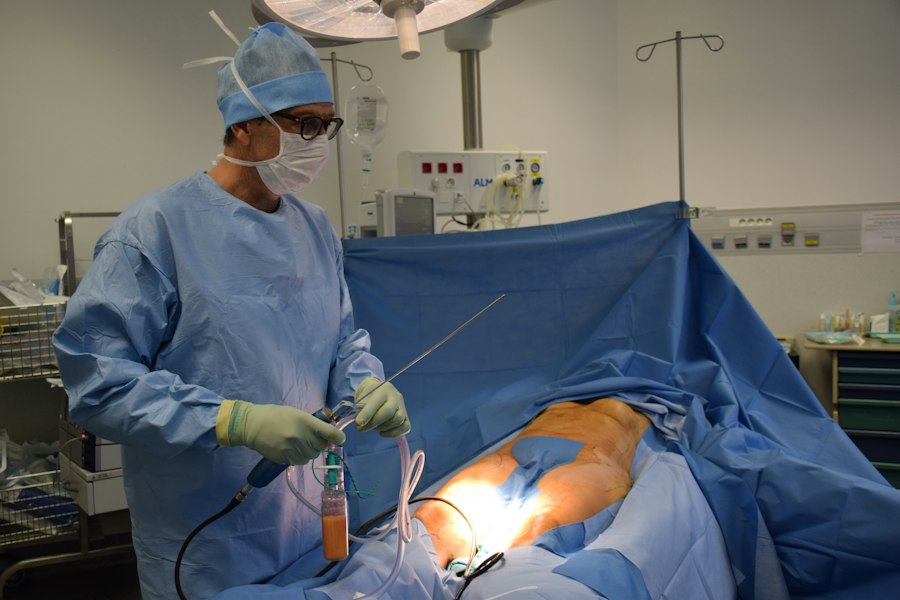
Unraveling the mystery of the unconscious during anesthesia requires sophisticated tools and methodologies. Neuroscientists and psychologists are employing advanced imaging techniques and experimental paradigms to probe the hidden landscape of the anesthetic brain. These investigations are crucial for improving anesthetic practices and understanding the fundamental nature of consciousness itself.
Neuroimaging Techniques: Peering into the Brain
The advent of functional neuroimaging has revolutionized our ability to study brain activity during various states, including anesthesia. These non-invasive techniques allow researchers to observe which brain regions are active and how they are connected. By observing these patterns, scientists can infer what is happening in the brain when conscious awareness is suppressed.
fMRI: Mapping Brain Activity
Functional magnetic resonance imaging (fMRI) measures brain activity by detecting changes in blood flow. During anesthesia, fMRI studies can reveal altered patterns of connectivity between different brain regions, particularly those involved in consciousness and sensory processing. You can see which areas are “talking” to each other and how that communication changes when you are under the influence of anesthetic drugs.
EEG: Tracking Electrical Signals
Electroencephalography (EEG) measures the electrical activity of the brain via electrodes placed on the scalp. Anesthetizing the brain causes distinct changes in EEG patterns, reflecting the suppression of conscious processing. Researchers use EEG to monitor the depth of anesthesia and to study how different anesthetic agents affect brain waves. It’s like listening to the symphony of your brain’s electrical impulses and observing how the tempo and rhythm change.
Behavioral and Psychological Studies: Subtle Clues
While neuroimaging provides objective data, behavioral and psychological studies can offer insights into the subjective experience, or lack thereof, during anesthesia. These studies often involve carefully designed experiments to test for unconscious processing or memory formation.
Implicit Memory Tests: The Unconscious Learner
Tests for implicit memory are designed to reveal whether information has been learned or processed without conscious awareness. For example, a patient might be exposed to certain words or images before anesthesia and then tested for recognition or priming effects after waking up, without any conscious recollection of the original exposure. This helps determine if the unconscious mind has indeed “learned” something.
Post-Operative Questioning: Filling the Gaps
While direct recall of the anesthetic period is impossible, careful post-operative questioning can sometimes uncover fragmented memories or sensations. This can also help identify any psychological distress or unusual emotional responses that might be linked to the anesthetic experience. It’s a delicate process of piecing together what little might have surfaced.
During surgical procedures, patients often experience a phenomenon known as “missing time” under anesthesia, where they have no recollection of the events that occurred while they were unconscious. This intriguing aspect of anesthesia is explored in greater detail in a related article that discusses the brain’s response to anesthesia and how it affects memory formation. For those interested in understanding the complexities of this experience, you can read more about it in the article found here.
The Future of Anesthesia: Refining the Veil
“`html
| Event | Description |
|---|---|
| Monitoring | Continuous monitoring of vital signs such as heart rate, blood pressure, oxygen levels, and temperature. |
| Anesthesia Administration | The controlled delivery of anesthesia to maintain unconsciousness and pain relief during the procedure. |
| Surgical Procedure | The actual surgical or medical procedure is performed by the medical team while the patient is under anesthesia. |
| Recovery | The patient is monitored and cared for as they wake up from anesthesia and regain consciousness. |
“`
The ongoing research into the unconscious mind under anesthesia holds significant promise for the future of anesthetic practice. By understanding the precise mechanisms by which anesthetics suppress consciousness and the potential for residual unconscious processing, medical professionals can develop safer and more effective anesthetic strategies.
Enhancing Safety and Reducing Side Effects
A deeper understanding of anesthetic mechanisms can lead to the development of more targeted anesthetic agents that minimize side effects and improve recovery times. If we can better control the depth and duration of unconsciousness, we can reduce the risk of complications like nausea, vomiting, and cognitive impairment. The goal is a seamless transition, with minimal disruption to your overall well-being.
Tailored Anesthetic Protocols
Future anesthetic protocols may be even more personalized, based on an individual’s genetic makeup, brain structure, and specific medical needs. This could involve using combinations of drugs that are optimized to achieve the desired level of unconsciousness while preserving essential brain functions. It’s about moving beyond a one-size-fits-all approach to a highly individualized treatment.
Minimizing Post-Operative Cognitive Dysfunction (POCD)
Post-operative cognitive dysfunction (POCD), a temporary impairment of memory, attention, and executive function, is a concern for some patients, particularly the elderly. Research into the effects of anesthesia on the brain is crucial for developing strategies to prevent or mitigate POCD, ensuring a smoother return to normal cognitive function.
Ethical Considerations and Patient Autonomy
As our understanding of the unconscious mind expands, so too do the ethical considerations surrounding anesthesia. Ensuring patient autonomy and informed consent becomes even more complex when dealing with a state of altered consciousness. Patients need to be fully informed about the potential risks and unknowns associated with anesthesia, including the subtle mysteries of the unconscious.
Informed Consent in the Age of the Unconscious
The process of informed consent needs to be robust enough to address the potential for unconscious processing and any residual emotional or cognitive effects, however rare. Patients should have the opportunity to ask questions and express any concerns they may have about the anesthetic experience, even those that seem abstract or speculative.
The Patient’s Journey Through the Void
Ultimately, the mystery of missing time under anesthesia is a testament to the incredible complexity of the human brain. While you may not recall the hours spent in unconsciousness, your brain has undergone a profound and intricate journey. As science continues to unravel these depths, our ability to navigate this state of altered consciousness will undoubtedly become even more refined, ensuring your safety, comfort, and a smoother return to the world of the awake and aware. You entrust your most vulnerable state to medical professionals, and the ongoing pursuit of knowledge in this area is a vital part of that trust.

You’re Not Asleep Under Anesthesia. So Where Do You Go?
FAQs
What is missing time under anesthesia?
Missing time under anesthesia refers to the period during surgery when a patient is under general anesthesia and has no memory of the events that occurred. This can range from a few minutes to several hours, depending on the length and type of surgery.
What happens to the brain during missing time under anesthesia?
During missing time under anesthesia, the brain is in a state of unconsciousness induced by the anesthesia drugs. The drugs work by altering the brain’s neurotransmitters and blocking the transmission of pain signals, resulting in a loss of consciousness and memory formation.
Are patients aware of what is happening during missing time under anesthesia?
No, patients are not aware of what is happening during missing time under anesthesia. The drugs used during anesthesia induce a state of unconsciousness, preventing the formation of new memories. Patients typically have no recollection of the events that occurred during this time.
What are the potential risks or complications associated with missing time under anesthesia?
While missing time under anesthesia is a normal and expected part of surgery, there are potential risks and complications associated with general anesthesia, such as allergic reactions, breathing problems, and changes in blood pressure. However, missing time itself is not considered a complication.
How long does missing time under anesthesia typically last?
The duration of missing time under anesthesia varies depending on the type and length of the surgery. It can range from a few minutes for minor procedures to several hours for more complex surgeries. The anesthesiologist carefully monitors and controls the depth and duration of anesthesia to ensure the patient’s safety.