
You’re lying on a crisp white sheet, the sterile scent of the operating room filling your nostrils. A friendly face, perhaps a nurse or an anesthesiologist, smiles reassuringly. They’re talking, explaining what’s about to happen, but their words seem to drift away, like a gentle tide receding from the shore. Then, a mask is placed over your face, and a peculiar, sweetish smell tickles your senses. You take a breath, another, and a profound sense of calm washes over you. Darkness descends, not a frightening void, but a peaceful oblivion. And then, you’re awake. The procedure is over. You feel a little groggy, perhaps a bit disoriented, but there’s no recollection of the time in between. It’s as if a segment of your life has been erased, a blank canvas where vibrant surgical activity once took place. This is the enigma of anesthetic amnesia, the brain’s remarkable, and sometimes unsettling, ability to shut down memory formation while you’re under.
You might imagine anesthesia as simply “putting you to sleep.” While it does induce a state of unconsciousness, it’s far more complex than a natural slumber. Anesthesia is a carefully orchestrated state designed to render you unconscious, immobile, and unaware of any pain or distress during a medical procedure. It’s a delicate dance of chemistry and physiology, guided by skilled professionals, to ensure your safety and comfort.
The Pillars of Anesthesia: More Than Just Sleep
When we talk about anesthesia, we’re often referring to general anesthesia, the type that induces a state of unconsciousness. However, anesthesia encompasses a spectrum of interventions, each with its own purpose and mechanism.
General Anesthesia: The Deepest Sleep
General anesthesia is the most comprehensive form. It involves a combination of intravenous drugs and inhaled gases that collectively suppress your central nervous system. This suppression affects your brain’s activity, rendering you unconscious and unable to feel pain. It’s crucial to understand that this isn’t a passive state; your brain’s intricate machinery is actively being modulated.
The Orchestration of Unconsciousness: Intravenous Agents
Many of the drugs you receive intravenously, like propofol or etomidate, act rapidly to induce unconsciousness. These agents often target specific receptors in your brain, such as GABA receptors, which are inhibitory neurotransmitters. By enhancing the effect of GABA, these drugs dampen neuronal activity, leading to a cascade of effects that ultimately result in sleep and amnesia. Imagine a dimmer switch for your brain’s chatter; these drugs turn it down significantly.
The Symphony of Inhaled Agents
Once you’re unconscious, inhaled anesthetics, such as sevoflurane or isoflurane, are often used to maintain this state. These gases are administered through your breathing tube and are absorbed into your bloodstream, traveling to your brain. They also interact with various neuronal targets, contributing to the overall anesthetic effect. They play a crucial role in keeping you at the desired depth of anesthesia throughout the procedure.
Sedation: A Lighter Touch
Sedation is a less intense form of anesthesia, where you might feel drowsy and relaxed, but not completely unconscious. You might be able to respond to commands, though your memory of the event will likely be hazy. This is often used for less invasive procedures like endoscopies or dental work.
Conscious Sedation: Aware, But At Ease
In conscious sedation, you’re awake and responsive but feel very relaxed and may have little to no memory of the procedure. Local anesthetics are often used in conjunction with sedatives to numb the specific area. It’s about reducing anxiety and discomfort without removing you entirely from awareness.
Deep Sedation: On the Brink of Unconsciousness
Deep sedation brings you closer to unconsciousness. You may drift in and out of awareness and have significant gaps in your memory. This is a more profound level of relaxation and is used for procedures that require more significant pain relief or patient immobility.
Beyond Unconsciousness: The Other Goals of Anesthesia
Anesthesia doesn’t just aim to make you forget. It’s a multi-faceted approach to patient care during surgery.
Analgesia: The Absence of Pain
Perhaps the most critical component of anesthesia is analgesia, the prevention of pain. This is achieved through a combination of anesthetic agents and other pain-relieving medications, ensuring you don’t experience any discomfort during the surgery.
Amnesia: The Erasure of Memory
This is the aspect that fascinates us. Amnesia, the inability to form new memories, is a deliberate and essential part of general anesthesia. It allows you to undergo surgery without the psychological distress of remembering painful or traumatic experiences.
Muscle Relaxation: The Key to Surgical Access
For many surgical procedures, it’s essential that your muscles are relaxed to allow the surgeon optimal access to the surgical site. Muscle relaxant drugs are administered to achieve this.
Many people often wonder why they have no recollection of events that occurred while they were under anesthesia. This phenomenon can be attributed to the way anesthesia affects the brain’s ability to form memories. According to a related article on Freaky Science, the drugs used during anesthesia can disrupt the neural pathways responsible for memory formation, leading to a complete lack of awareness during surgical procedures. For more insights on this topic, you can read the article here: Freaky Science.
The Brain on Anesthesia: A Disconnected Network
The human brain is a marvel of interconnectedness, a complex network of billions of neurons firing in intricate patterns. During anesthesia, this intricate network undergoes profound alterations, leading to the phenomenon of amnesia. It’s not simply that your brain “switches off”; rather, specific pathways involved in memory formation are deliberately disrupted.
The Hippocampus: The Brain’s Memory Archivist
Central to memory formation is a small, seahorse-shaped structure deep within your brain called the hippocampus. The hippocampus acts as a crucial relay station, taking sensory information, processing it, and consolidating it into long-term memories. Think of it as the brain’s librarian, meticulously cataloging new information for future retrieval.
Encoding: The Initial Step in Memory
The process of forming a memory begins with encoding, where information is received and processed. This involves the activation of specific neuronal pathways. During anesthesia, these pathways are significantly dampened, preventing new information from being effectively encoded.
The Role of Neurotransmitters in Encoding
Neurotransmitters, chemical messengers in the brain, play a vital role in encoding. For instance, acetylcholine is crucial for attention and learning, and its activity is often altered by anesthetic agents.
Sensory Input: The Raw Material of Memory
All our memories are built upon sensory input – what we see, hear, smell, taste, and touch. Anesthesia effectively dampens the processing of this sensory information, making it difficult for the brain to create a coherent record.
Consolidation: Storing Memories for the Long Term
Once information is encoded, it needs to be consolidated into long-term memory. This process often involves the hippocampus working in conjunction with other brain regions, like the cortex, to strengthen neural connections. Anesthesia disrupts this consolidation process, preventing fleeting experiences from becoming lasting memories.
The Sleep-Wake Cycle and Memory
You might notice that you tend to remember dreams more vividly after a night of good sleep. This highlights the interplay between sleep and memory consolidation. Anesthesia bypasses this natural consolidation process.
The Replay Mechanism: How Memories are Strengthened
Some theories suggest that during sleep, the brain “replays” recent experiences, strengthening the neural pathways associated with those memories. Anesthesia effectively prevents this replay.
Disrupting the Flow: How Anesthetics Interfere with Neural Communication
Anesthetic agents are not indiscriminate. They target specific molecular mechanisms and neuronal circuits that are essential for consciousness and memory.
Neuronal Firing: The Language of the Brain
Neurons communicate through electrical and chemical signals. Anesthetics can alter the way neurons fire, either by making them less likely to fire or by changing the pattern of their firing.
Ion Channels: The Gatekeepers of Neuronal Activity
Ion channels are proteins embedded in neuronal membranes that control the flow of charged particles (ions) into and out of the cell. This flow of ions is what generates electrical signals. Anesthetics can block or modulate the activity of these ion channels, disrupting normal neuronal communication.
Sodium Channels: The Accelerators
Sodium channels are crucial for the rapid depolarization of neurons, which is essential for the propagation of electrical signals. Many anesthetics can inhibit sodium channel function, slowing down or preventing nerve impulses.
Potassium Channels: The Brakes
Potassium channels play a role in repolarization and hyperpolarization, helping to reset the neuron after firing. Some anesthetics can enhance the activity of certain potassium channels, leading to a hyperpolarized state where neurons are less excitable.
Synaptic Transmission: The Junctions Between Neurons
Synapses are the specialized junctions where neurons communicate with each other. This communication occurs through the release of neurotransmitters. Anesthetics can interfere with various stages of synaptic transmission.
Neurotransmitter Release: The Chemical Messengers
Anesthetics can affect the release of neurotransmitters from the presynaptic neuron, reducing the amount of chemical signal transmitted to the next neuron.
Receptor Binding: The Lock and Key
Anesthetics can also bind to the receptors on the postsynaptic neuron, either blocking the action of neurotransmitters or mimicking their effects in a way that leads to inhibition. The GABA receptor, as mentioned earlier, is a common target for many anesthetic agents.
The Paradox of Awareness: Can You Really Be “Aware” Under Anesthesia?
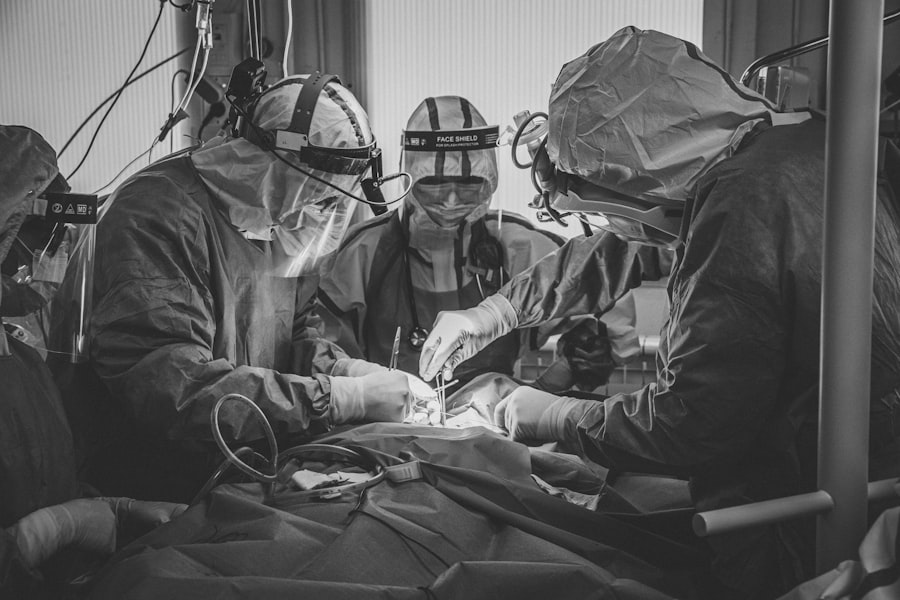
The concept of “anesthetic awareness” is a deeply unsettling one. It refers to the rare but real phenomenon where a patient undergoing general anesthesia has some level of consciousness or awareness of their surroundings. This can lead to profound psychological distress and trauma. Understanding the mechanisms behind this phenomenon is crucial for patient safety.
The Slippery Slope of Anesthetic Depth
Achieving the right depth of anesthesia is a constant balancing act. Too light, and the patient risks awareness. Too deep, and there are increased risks of physiological complications.
Factors Influencing Anesthetic Depth
Several factors can influence how deeply a patient is affected by anesthesia. These include:
Patient Factors: Individual Responses
Every individual reacts differently to anesthetic agents. Factors like age, weight, underlying health conditions, and even genetics can influence how quickly and deeply someone becomes anesthetized.
Metabolism: How Your Body Processes Drugs
Your body’s ability to metabolize drugs plays a significant role. If your metabolism is faster, you might require higher doses or more frequent administration of anesthetics to maintain the desired level of unconsciousness.
Pre-existing Neurological Conditions
Individuals with pre-existing neurological conditions might have altered responses to anesthetic agents, requiring careful monitoring and adjustment of drug regimens.
Surgical Factors: The Demands of the Procedure
The nature and duration of the surgery can also influence anesthetic requirements. More invasive or painful procedures generally require deeper levels of anesthesia.
Pain Signals: The Brain’s Alarm System
The intensity of pain signals generated during surgery can challenge the anesthetic state. If these signals are not adequately suppressed, they can contribute to arousal.
The Challenge of Monitoring
Monitoring brain activity during anesthesia is an ongoing area of research and clinical practice. While electroencephalography (EEG) provides insights, interpreting its signals in the context of anesthesia remains complex.
Bispectral Index (BIS) Monitoring: A Tool for Assessment
BIS monitoring is a common technique used to assess the depth of anesthesia by analyzing EEG signals. It provides a numerical score that correlates with the level of brain activity. However, it’s not a perfect predictor of awareness.
Other Neuromonitoring Techniques
Researchers are continually exploring other neuromonitoring techniques, such as evoked potentials and near-infrared spectroscopy (NIRS), to gain a more comprehensive understanding of brain activity during anesthesia.
The Psychological Impact of Anesthetic Awareness
The experience of anesthetic awareness can be profoundly traumatic. Patients may report feeling paralyzed, unable to move or cry out, while being fully aware of the events unfolding around them.
Post-Traumatic Stress Disorder (PTSD)
Anesthetic awareness can lead to the development of PTSD, with symptoms such as flashbacks, nightmares, and severe anxiety related to medical procedures.
The Importance of Debriefing and Support
For patients who have experienced anesthetic awareness, psychological debriefing and ongoing support are crucial for their recovery.
Strategies to Minimize the Risk
While rare, strategies are employed to minimize the risk of anesthetic awareness, including careful drug selection, continuous monitoring of vital signs and brain activity, and prompt communication between the surgical and anesthesia teams.
The Science Behind the Blank Slate: Unraveling the Mechanisms of Anesthetic Amnesia
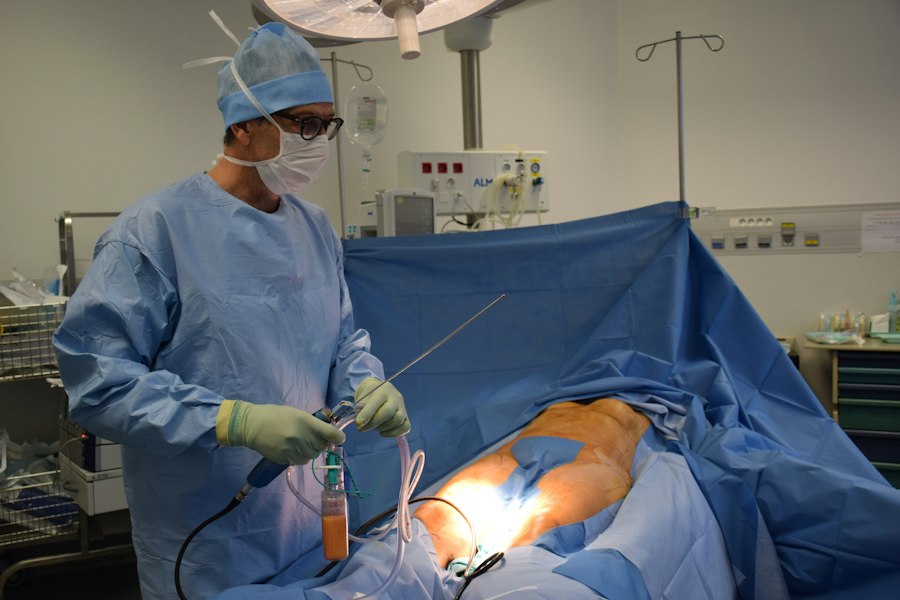
The mystery of anesthetic amnesia isn’t just about “forgetting.” It’s about understanding the precise neural mechanisms that prevent the brain from forming and retaining new memories. Scientists are actively investigating these processes to improve anesthetic safety and deepen our understanding of memory itself.
Memory Systems and Their Vulnerability
Our memories are not a single entity. They are formed and stored through different systems, and anesthetics can selectively disrupt these systems.
Declarative Memory: Facts and Events
Declarative memory, the memory of facts and events, is highly dependent on the hippocampus. As we’ve discussed, the hippocampus is particularly vulnerable to the effects of anesthetic agents, making the formation of new declarative memories difficult.
Episodic Memory: Your Personal Timeline
Episodic memory refers to your ability to recall specific personal experiences, like what you had for breakfast or a conversation you had yesterday. This is a form of declarative memory that is significantly impaired under anesthesia.
Semantic Memory: General Knowledge
Semantic memory involves general knowledge, like the capital of France or the meaning of words. While also affected, it’s generally considered more robust than episodic memory.
Non-Declarative Memory: Skills and Habits
Non-declarative memory, also known as procedural memory, involves learning skills and habits, like riding a bike or playing a musical instrument. These memories are often formed and stored in different brain regions, such as the basal ganglia and cerebellum, and are generally less susceptible to disruption by anesthetic agents. This is why you can still recall how to do things even after waking from anesthesia, but not the surgery itself.
The Role of Sleep-Stage Analogues
Interestingly, some of the brainwave patterns observed during anesthesia share similarities with certain stages of natural sleep. This has led to theories that anesthetic-induced amnesia might be related to the induction of a state resembling a specific sleep stage.
Slow-Wave Sleep and Memory Consolidation
Slow-wave sleep, also known as deep sleep, is crucial for memory consolidation. However, anesthetic-induced slow waves differ from natural slow waves and are associated with impaired memory.
The “Global Slowing” Hypothesis
One hypothesis suggests that anesthetics induce a global slowing of brain activity, particularly in the thalamocortical circuits, which are essential for conscious awareness and memory.
Studying Memory Under Anesthesia: Challenges and Innovations
Directly studying memory formation in anesthetized individuals presents unique challenges. However, researchers employ sophisticated techniques to shed light on these processes.
Animal Models: Controlled Experiments
Animal models, such as rodents, are invaluable for studying the neural mechanisms of anesthesia and amnesia. Researchers can meticulously control anesthetic administration and use advanced neurophysiological techniques to observe brain activity.
Optogenetics and Chemogenetics: Precision Tools
These cutting-edge techniques allow researchers to precisely control the activity of specific neurons using light or chemical compounds, providing unprecedented insight into the role of different neural circuits in amnesia.
Human Studies: Indirect Evidence and Advanced Imaging
While direct manipulation of brain circuits is not possible in humans, researchers use techniques like fMRI and advanced EEG analysis to study brain activity during and after anesthesia.
Studying Recall Deficits
Researchers often assess recall abilities after waking from anesthesia to understand the extent of memory impairment and to identify the underlying neural correlates.
Many people often wonder why they do not remember their experiences while under anesthesia, and this phenomenon can be attributed to the way anesthesia affects the brain. According to a related article, the medications used during procedures can disrupt the brain’s ability to form memories, leading to a complete lack of recollection. This can be quite disconcerting for some, as they may feel a sense of loss regarding the events that occurred during their surgery. If you want to learn more about this intriguing topic, you can read the full article here.
The Future of Anesthesia: Towards Safer and More Precise Amnesia
| Reasons for not remembering being under anesthesia |
|---|
| Effect of anesthesia on memory |
| Varying levels of anesthesia |
| Individual differences in response to anesthesia |
| Post-operative medications |
| Duration and type of surgery |
The quest to fully understand and control anesthetic amnesia is ongoing. Researchers and clinicians are continuously working to refine anesthetic techniques, minimize risks, and enhance patient safety.
Personalized Anesthesia: Tailoring to the Individual
The goal of personalized anesthesia is to tailor anesthetic regimens to each individual patient’s unique physiology and needs. This could lead to more predictable and safer anesthetic experiences.
Pharmacogenomics: Predicting Drug Responses
Pharmacogenomics, the study of how genes affect a person’s response to drugs, holds immense promise for predicting how individuals will metabolize and respond to anesthetic agents, allowing for precise dosage adjustments.
Genetic Variations and Anesthetic Sensitivity
Identifying genetic variations that influence anesthetic sensitivity can help anesthesiologists anticipate potential challenges and adjust drug choices accordingly.
Advanced Neuromonitoring: Real-Time Brain Insight
The development of more sophisticated neuromonitoring tools will allow for real-time assessment of brain activity during anesthesia, providing early warnings of potential issues like awareness.
Machine Learning and Artificial Intelligence
Machine learning algorithms can analyze vast amounts of patient data and neuromonitoring signals to identify subtle patterns that predict anesthetic depth and risk of awareness, leading to more proactive interventions.
Integrating Multiple Data Streams
Future monitoring systems will likely integrate data from various sources – EEG, vital signs, drug concentrations – to provide a comprehensive picture of the patient’s state.
Understanding the Reversible Nature of Amnesia
One of the remarkable aspects of anesthetic amnesia is its reversibility. As the anesthetic agents are cleared from the body, brain function returns, and memory formation can resume.
The Brain’s Resilience: Recovery from Disruption
The brain’s remarkable ability to recover from the profound disruption caused by anesthesia is a testament to its inherent plasticity and resilience.
The Process of Waking Up: A Gradual Return to Function
The process of waking up from anesthesia is a gradual one, as neural networks slowly reactivate and regain their normal functioning.
Unanswered Questions and Future Directions
Despite significant progress, many questions about anesthetic amnesia remain unanswered. Future research will likely focus on:
The precise molecular targets of amnesia-inducing anesthetics.
The long-term effects of anesthesia on memory and cognitive function.
The development of anesthetic agents that can selectively induce amnesia without affecting other aspects of consciousness.
The mystery of anesthetic amnesia is a testament to the complexity and wonder of the human brain. While the experience of a forgotten surgery might seem like a simple blank space, it represents a profound and intricate manipulation of neural processes. As science continues to unravel these mechanisms, we move closer to an era of even safer, more personalized, and precisely controlled anesthetic care.

You’re Not Asleep Under Anesthesia. So Where Do You Go?
FAQs
1. Why do people often not remember being under anesthesia?
Anesthesia drugs can cause temporary amnesia, meaning that patients may not remember the period of time when they were under anesthesia.
2. Is it common for people to have no memory of their time under anesthesia?
Yes, it is common for people to have no memory of their time under anesthesia. This is due to the effects of the anesthesia drugs on memory formation.
3. Can the type of anesthesia affect memory loss during surgery?
Yes, the type of anesthesia used can affect memory loss during surgery. Some anesthesia drugs are more likely to cause temporary amnesia than others.
4. Are there any long-term effects on memory from being under anesthesia?
Studies have shown that there is no evidence of long-term effects on memory from being under anesthesia. Memory typically returns to normal once the effects of the anesthesia wear off.
5. What can be done to improve memory recall after being under anesthesia?
There is ongoing research into ways to improve memory recall after being under anesthesia, but currently, there are no specific methods to reliably improve memory recall during the period of anesthesia.