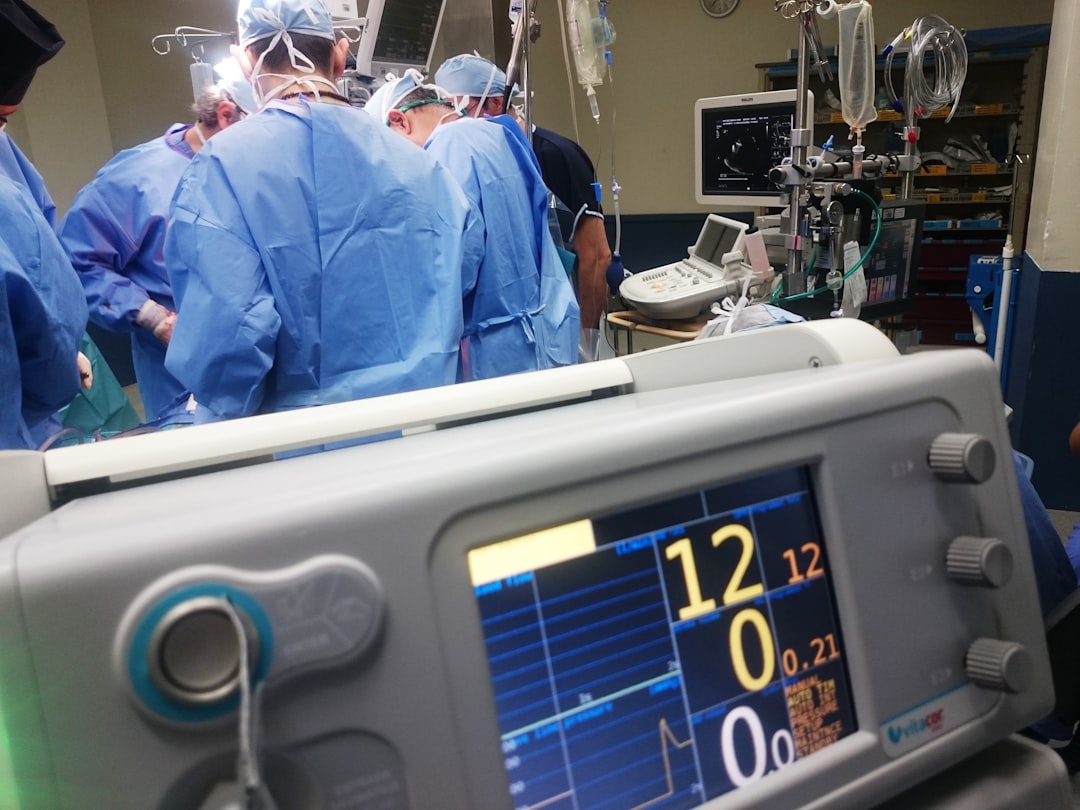
You’ve been there. The sterile smell, the hushed voices, the gentle pat on your arm. Then, the world fades away, only to re-emerge hours later with a fuzzy memory and the lingering taste of whatever the anesthesiologist administered. You experienced general anesthesia, a profound and complex state of unconsciousness that has revolutionized medicine. But have you ever wondered how it works? How does a few inhaled vapors or a carefully injected solution transform your conscious, aware self into a sleeping, unresponsive subject? Unraveling the mechanism of general anesthesia in the brain is a scientific quest that has captivated neuroscientists for decades, revealing a multifaceted symphony of molecular interactions and circuit-level disruptions.
The Elusive Target: Why So Many Theories?
For centuries, the exact biological targets of anesthetic agents remained a profound mystery. Unlike drugs that target specific receptors with well-defined outcomes, general anesthetics seemed to possess a remarkably broad range of effects, impacting multiple brain regions and neurotransmitter systems. This lack of a singular, obvious target fueled a multitude of competing theories, each supported by intriguing evidence but ultimately incomplete. Early hypotheses often focused on non-specific physical effects, suggesting that anesthetics might simply dissolve in neuronal membranes, disrupting their fluidity and thus impairing nerve signal transmission. While this provided a basic framework, it couldn’t fully explain the specific and reversible nature of anesthesia, nor the subtle differences in how various agents induced unconsciousness.
Early Physical Theories: Membrane Disruption
One of the earliest and most persistent ideas proposed that anesthetics operate by altering the physical properties of neuronal cell membranes. You can imagine the brain’s neurons as intricate electrical circuits, their communication relying on the precise movement of ions across their outer boundary – the cell membrane. The theory suggested that lipid-soluble anesthetic molecules, like ether or halothane, would embed themselves within the lipid bilayer of these membranes.
Perturbing Lipid Dynamics
This insertion, according to the hypothesis, would increase the fluidity of the membrane. Think of it like adding a bit of oil to a stiff hinge – it becomes easier to move. In the context of a neuron, increased membrane fluidity was thought to impede the function of ion channels, proteins embedded in the membrane that act as gates for electrically charged particles like sodium and potassium. These ions are crucial for generating the electrical impulses (action potentials) that allow neurons to communicate. If these channels couldn’t open or close properly due to a more fluid membrane, nerve signals would be dampened or blocked.
Nonspecific Effects and Limitations
While this theory explained why lipid-soluble substances might have anesthetic effects, it faced significant challenges. It didn’t adequately account for the fact that not all lipid-soluble substances are anesthetics. Furthermore, it struggled to explain the precise and reversible nature of anesthesia – a small change in concentration can lead to wakefulness, a phenomenon not easily explained by a simple physical disruption. The specificity of anesthetic action, meaning that different anesthetics can have slightly different effects on consciousness and amnesia, also pointed towards more targeted molecular interactions.
The Rise of Molecular Targets: Moving Beyond Lipids
As our understanding of molecular biology and neuroscience advanced, the focus shifted from general physical effects to specific molecular interactions. The discovery of neurotransmitter receptors and their crucial roles in neuronal communication opened up new avenues of research. It became evident that anesthetics weren’t just passively dissolving in membranes, but actively interacting with specific proteins involved in transmitting signals between neurons.
General anesthesia is a complex process that involves the modulation of brain activity to induce a reversible state of unconsciousness, analgesia, and muscle relaxation. Recent research has shed light on the mechanisms by which anesthetic agents interact with neurotransmitter systems and alter neural circuits. For a deeper understanding of how general anesthesia affects brain function, you can explore the article available at Freaky Science, which discusses the latest findings in this fascinating field.
Targeting Synaptic Transmission: The Crossroads of Communication
The fundamental way your brain processes information is through the communication between billions of neurons at specialized junctions called synapses. At a synapse, one neuron (the presynaptic neuron) releases chemical messengers called neurotransmitters into a tiny gap (the synaptic cleft). These neurotransmitters then bind to receptors on the next neuron (the postsynaptic neuron), either exciting it to fire an electrical signal or inhibiting it from doing so. General anesthetics, it turns out, exert their profound effects by profoundly disrupting this intricate process of synaptic transmission. They don’t just block transmission; they can alter the balance between excitation and inhibition, tipping the scales towards a state of widespread neuronal silence.
Enhancing Inhibitory Neurotransmission: The Sedative Power
One of the most well-established mechanisms of general anesthesia involves the potentiation of inhibitory neurotransmission. Imagine your brain as a symphony orchestra, with excitatory signals playing the melody and inhibitory signals providing the harmonic structure, preventing chaos. Anesthetics often act like conductors that amplify the inhibitory sections, drowning out the excitatory melody and leading to a state of widespread suppression.
The GABAergic System: A Major Player
The star player in this inhibitory amplification is the gamma-aminobutyric acid (GABA) system. GABA is the primary inhibitory neurotransmitter in the mammalian brain. When GABA binds to its receptors, particularly the GABA-A receptor, it opens chloride ion channels. The influx of negatively charged chloride ions makes the neuron’s interior more negative, making it harder for the neuron to fire an electrical impulse. Many general anesthetics, including benzodiazepines and barbiturates, directly bind to the GABA-A receptor at sites distinct from where GABA itself binds.
Allosteric Modulation: Turning Up the Volume on Inhibition
These anesthetic agents act as positive allosteric modulators. This means they don’t activate the receptor on their own, but they change the receptor’s shape in a way that makes it bind GABA more effectively and stay open for longer. Think of it like a dimmer switch for inhibition. While GABA might provide a baseline level of dimming, the anesthetic turns the switch up, bathing the neuron in a wave of inhibitory signals. This enhanced inhibition can lead to sedation, hypnosis, and ultimately, unconsciousness by dampening the overall neuronal excitability throughout the brain. You can see how this would lead to the reduced responsiveness characteristic of anesthesia.
Glycine Receptors: Another Inhibitory Partner
While GABA is the dominant inhibitory neurotransmitter in the brain, glycine plays a significant inhibitory role in the spinal cord and brainstem. Some anesthetics have also been shown to enhance the function of glycine receptors, further contributing to the overall dampening of neuronal activity.
Suppressing Excitatory Neurotransmission: Muting the Signals
While enhancing inhibition is crucial, anesthetics also work by actively suppressing excitatory signals. This dual approach ensures a comprehensive shutdown of brain activity.
Glutamate Receptors: The Brain’s Accelerators
Glutamate is the primary excitatory neurotransmitter in the brain, and its receptors, particularly the NMDA (N-methyl-D-aspartate) and AMPA (α-amino-3-hydroxy-5-methyl-4-isoxazolepropionic acid) receptors, are vital for learning, memory, and consciousness. Anesthetics can interfere with the function of these receptors in several ways.
NMDA Receptor Antagonism: Blocking the Doors to Excitation
Many inhaled anesthetics, such as nitrous oxide and ketamine, are known to be NMDA receptor antagonists. They don’t just reduce the binding of glutamate; they can physically block the ion channel within the NMDA receptor, preventing the influx of calcium ions that is critical for neuronal excitation and synaptic plasticity. This blockade is like slamming the door shut on excitatory signals, preventing them from reaching their destination and contributing to the amnesic and anesthetic effects.
AMPA Receptor Inhibition: Slowing Down the Signals
Other anesthetics can also reduce the sensitivity or function of AMPA receptors, which are responsible for fast excitatory synaptic transmission. By dampening the response to glutamate at AMPA receptors, anesthetics further reduce the overall excitatory drive in the brain.
Disrupting Neuronal Circuits: Beyond Individual Neurons
General anesthesia isn’t just about individual neurons firing less or more. It’s about the coordinated activity of vast neuronal networks that underpins consciousness. Anesthetics profoundly disrupt these circuits, leading to a breakdown in the coherent processing of information that defines our awake state.
Thalamocortical Oscillations: The Rhythm of Consciousness
The thalamus, a relay station deep within the brain, plays a critical role in filtering sensory information and synchronizing activity between different cortical regions. Consciousness is thought to depend on the dynamic and flexible communication between the thalamus and the cerebral cortex. Anesthetics disrupt this crucial dialogue.
Slowing Down the Brainwaves
Under general anesthesia, EEG (electroencephalogram) recordings, which measure electrical activity in the brain, reveal a characteristic slowing of brainwaves, particularly the emergence of slow-wave oscillations (typically in the delta frequency range). These slow oscillations are indicative of reduced neuronal firing and a less synchronized pattern of activity.
Altering Thalamic Pacemaking
The thalamus has intrinsic pacemaker neurons that generate rhythmic electrical activity. Anesthetics can alter the firing patterns of these pacemakers, leading to a more synchronized and less responsive state. This altered pacemaking can propagate to the cortex, contributing to the overall suppression of cognitive function.
Disrupted Connectivity: The Breakdown of Communication
The functional connectivity between the thalamus and various cortical areas is significantly impaired under anesthesia. Instead of rapid and flexible information exchange, the connections become weaker and less coordinated. Imagine trying to have a conversation with someone when the phone line is constantly dropping – the flow of information is severely hampered. This breakdown in thalamocortical communication is a hallmark of the unconscious state induced by general anesthetics.
Cortical Network Dysfunction: A Widespread Silence
The cerebral cortex, responsible for higher-level cognitive functions, is also profoundly affected. Anesthetics disrupt the intricate network of connections within and between cortical areas.
Reduced Functional Connectivity Within the Cortex
Areas of the cortex that normally work together in a highly integrated manner become functionally disconnected under anesthesia. For instance, regions involved in processing sensory information or in planning actions may operate in isolation, unable to contribute to a coherent conscious experience.
Impaired Information Integration: A Broken Puzzle
Consciousness relies on the brain’s ability to integrate diverse pieces of information into a unified whole. Anesthetics disrupt this integration process, leading to a fragmentation of experience. You might see something, hear something, and feel something, but these sensations don’t coalesce into a meaningful, conscious perception.
The Role of Specific Brain Regions: Where the Magic Happens
While anesthetics affect the entire brain to some degree, certain regions are particularly vulnerable and play a critical role in the induction and maintenance of anesthesia. Targeting these areas allows for a more nuanced understanding of how consciousness is extinguished and restored.
The Brainstem: The Gateway to Wakefulness
The brainstem, a primitive part of the brain that connects the cerebrum and cerebellum to the spinal cord, is crucial for regulating basic life functions such as breathing, heart rate, and importantly, arousal and wakefulness. Anesthetics have significant effects on the brainstem.
Reticular Activating System (RAS): The Body’s Alarm Clock
The reticular activating system (RAS) within the brainstem is a network of neurons that plays a key role in regulating arousal and consciousness. Anesthetics can directly suppress the activity of the RAS, effectively turning down the brain’s alarm clock and leading to sedation and loss of consciousness.
Reduced Neuronal Firing in the RAS
Studies have shown that anesthetic agents can decrease the firing rate of neurons in the RAS, disrupting the flow of excitatory signals that keep us alert and aware. This widespread silencing contributes significantly to the unresponsiveness characteristic of general anesthesia.
Modulation of Brainstem Nuclei
Beyond the RAS, anesthetics can also affect other brainstem nuclei involved in sensory processing and motor control, further contributing to the overall suppression of brain activity.
The Cortex: The Seat of Consciousness
As the region most responsible for higher-level cognition, the cerebral cortex is a primary target for anesthetic action. The widespread suppression of cortical activity is central to the loss of consciousness and awareness.
Reduced Excitability in Cortical Neurons
As discussed earlier, anesthetics enhance inhibitory neurotransmission and suppress excitatory neurotransmission within cortical circuits. This leads to a generalized reduction in the excitability of cortical neurons, making them less likely to fire and transmit information.
Altered Connectivity Between Cortical Areas
The functional connectivity between different cortical areas, which is essential for complex thought and awareness, is significantly disrupted. This leads to a fragmentation of information processing and a loss of the integrated experience of being conscious.
General anesthesia is a fascinating topic that delves into how various anesthetic agents interact with the brain to induce a state of unconsciousness and insensitivity to pain. Researchers have made significant strides in understanding the mechanisms behind this process, revealing that anesthetics can alter neurotransmitter activity and disrupt communication between brain regions. For those interested in exploring this subject further, a related article can be found at Freaky Science, which provides insights into the science of anesthesia and its effects on the brain.
Reversibility and Recovery: Waking Up from the Dream
One of the most remarkable aspects of general anesthesia is its reversibility. With the cessation of anesthetic administration, the brain gradually returns to its normal state of function, and consciousness is restored. Understanding this recovery process is as important as understanding the induction.
The Washout and Metabolism of Anesthetics
The first step in recovery is the elimination of the anesthetic agent from the brain. For inhaled anesthetics, this occurs through exhalation. For intravenous anesthetics, the body metabolizes and eliminates the drugs through the liver and kidneys.
Pharmacokinetics and Pharmacodynamics: The Time Course of Recovery
The rate at which an anesthetic is eliminated from the body (pharmacokinetics) and the rate at which its effects diminish (pharmacodynamics) dictate the speed of recovery. Newer anesthetic agents have been developed with faster onset and offset times, allowing for quicker and smoother recoveries.
Reducing Doses: A Gentle Return to Awareness
As the concentration of anesthetic in the brain decreases, neuronal activity begins to rebound. The balance between excitation and inhibition shifts back towards a more balanced state, and the disrupted circuits gradually reconnect.
The Brain’s Resilience: Rebuilding the Network
The brain is remarkably resilient. As the anesthetic washes out, neuronal networks begin to re-establish their normal patterns of activity. The thalamocortical oscillations regain their normal frequencies, and the functional connectivity between brain regions strengthens.
Gradual Restoration of Cognitive Function
Recovery is often a gradual process. You might initially feel groggy, confused, or disoriented as your brain reboots. Memories from the perioperative period may be hazy, reflecting the time it takes for all cognitive functions to fully return.
Monitoring and Support: Ensuring a Smooth Transition
During recovery, anesthesiologists and nurses closely monitor your vital signs and neurological status. This ensures that the brain is transitioning back to a normal state safely and efficiently. The brain’s inherent ability to recover from the profound suppression of general anesthesia is a testament to its incredible plasticity and adaptability. It’s a delicate dance of molecular interactions and network dynamics, a fascinating journey from profound unconsciousness back to the vibrant reality of wakefulness. The ongoing research in this field continues to unlock the secrets of this remarkable medical intervention, promising even safer and more effective anesthetic practices in the future.

You’re Not Asleep Under Anesthesia. So Where Do You Go?
FAQs

What is general anesthesia?
General anesthesia is a medical state induced by a combination of medications that results in a reversible loss of consciousness and sensation. It is commonly used during surgical procedures to ensure the patient does not feel pain and is unaware of the surgery taking place.
How does general anesthesia work in the brain?
General anesthesia works by affecting the neurotransmitters in the brain, particularly the gamma-aminobutyric acid (GABA) receptors. This leads to a decrease in neuronal activity, resulting in loss of consciousness and pain sensation.
What are the potential risks and side effects of general anesthesia?
While general anesthesia is generally safe, there are potential risks and side effects, including nausea and vomiting, sore throat, confusion, and in rare cases, allergic reactions or complications with breathing and heart function. It is important for patients to discuss their medical history and any concerns with their healthcare provider before undergoing anesthesia.
How is general anesthesia administered?
General anesthesia can be administered through inhalation of anesthetic gases, intravenous injection of anesthetic drugs, or a combination of both methods. The specific method used depends on the type of surgery and the patient’s medical condition.
How long does it take for the effects of general anesthesia to wear off?
The effects of general anesthesia typically wear off within a few hours after the administration of the medications. However, some individuals may experience lingering effects such as drowsiness, confusion, or nausea for a longer period of time. It is important for patients to follow post-operative care instructions provided by their healthcare provider.