
You wake up. Or rather, you become aware again. The sterile scent of the operating room is fading, replaced by the dull hum of recovery. Perhaps there’s a slight ache, a phantom sensation, or maybe just a profound disorientation. It’s a testament to the incredible power of anesthesia, a finely tuned art and science that allows surgeons to perform miracles while you remain blissfully, or perhaps unsettlingly, unaware. But what exactly happens to your brain when you’re under? The impact of anesthesia on brain activity is a complex and fascinating frontier, one that researchers are continually exploring to understand not just how it works, but how to make it safer and more effective for you.
Anesthesia, in its various forms – general, regional, and local – is designed to temporarily disrupt your brain’s ability to process sensory information and generate conscious awareness. This isn’t a simple “off switch” for your brain. Instead, anesthetics are sophisticated molecules that act on specific targets within your neural circuitry, modulating the delicate balance of excitation and inhibition that underpins all brain function. Understanding these mechanisms is crucial to appreciating the depth of the impact.
General Anesthetics: A Symphony of Disruption
General anesthetics are the heavy hitters, rendering you completely unconscious and immobile. They don’t just silence your brain; they orchestrate a widespread alteration of neuronal activity across various brain regions. This is achieved through a multi-pronged attack on the fundamental processes of neural communication.
The Role of Ion Channels: Gatekeepers of Electrical Signals
At the heart of every neuron’s ability to transmit information lies the action of ion channels. These protein pores embedded in cell membranes control the flow of electrically charged ions – like sodium (Na+), potassium (K+), and chloride (Cl-) – into and out of the neuron. This movement of ions creates electrical potentials, the language of the brain.
Enhancing Inhibitory Pathways: The Rise of GABA
One of the primary targets of many general anesthetics, particularly volatile anesthetics like sevoflurane and isoflurane, and intravenous agents like propofol, is the gamma-aminobutyric acid (GABA) receptor. GABA is the brain’s principal inhibitory neurotransmitter. When GABA binds to its receptor, it opens a chloride channel, allowing negatively charged chloride ions to flood into the neuron. This hyperpolarizes the neuron, making it less likely to fire an action potential – essentially, it dampens neuronal activity. Anesthetics can bind to GABA receptors in various ways, amplifying their inhibitory effect, thereby silencing neural circuits. Think of it as turning up the volume on the “off” switch for neurons.
Suppressing Excitatory Pathways: The Inhibition of Glutamate
Conversely, anesthetics also target excitatory pathways, primarily those involving glutamate, the brain’s main excitatory neurotransmitter. Glutamate acts on receptors like NMDA (N-methyl-D-aspartate) and AMPA (α-amino-3-hydroxy-5-methyl-4-isoxazolepropionic acid) receptors, which are permeable to positively charged ions like sodium and calcium. Their activation leads to neuronal depolarization and increased firing. Anesthetics can directly block these receptors or interfere with their function, further contributing to the suppression of excitatory signaling. This is akin to reducing the “on” signal, preventing neurons from becoming too active.
Synaptic Plasticity: The Brain’s Ability to Learn and Adapt
Beyond immediate electrical signaling, anesthetics can also impact synaptic plasticity, the brain’s ability to change the strength of connections between neurons. This is the basis of learning and memory. Studies have shown that anesthetics can interfere with the molecular mechanisms underlying long-term potentiation (LTP) and long-term depression (LTD), processes critical for memory formation. While this is essential for preventing you from forming memories of your surgery, it also raises questions about potential long-term cognitive effects.
Regional and Local Anesthetics: Targeted Interventions
While general anesthetics aim for widespread brain shutdown, regional and local anesthetics take a more precise approach. They target specific nerve pathways or clusters, blocking the transmission of pain signals from a particular part of the body to the brain.
Blocking Action Potentials: The Sodium Channel Blockade
The primary mechanism of action for local anesthetics like lidocaine and bupivacaine is the reversible blockade of voltage-gated sodium channels. These channels are crucial for the initiation and propagation of action potentials. By binding to these channels, local anesthetics prevent the influx of sodium ions necessary for depolarization, effectively halting nerve impulse transmission. This is why you can have surgery on a limb without feeling pain – the pain signals simply can’t reach your brain.
Differential Blockade: A Graded Response
Interestingly, different types of nerve fibers are more sensitive to local anesthetics than others. Smaller, unmyelinated C-fibers (responsible for dull, aching pain) and thinly myelinated Aδ-fibers (responsible for sharp, pricking pain) are generally blocked more readily than larger, myelinated motor fibers. This differential blockade explains why you might lose sensation and pain before losing motor function.
Recent studies have shown that anesthesia significantly alters brain activity, impacting cognitive functions and consciousness levels during surgical procedures. For a deeper understanding of this phenomenon, you can explore the article on Freaky Science, which discusses the intricate relationship between anesthesia and brain function. To read more about this topic, visit this article.
Brain Activity Under Anesthesia: A Shifting Landscape
The overarching impact of anesthesia on brain activity is a profound shift from the complex, interconnected patterns of wakefulness to a state of reduced and altered neural signaling. This change isn’t uniform across all brain regions; instead, it involves a dynamic interplay of suppression and disorganization.
Reduced Connectivity: The Dissolution of Networks
One of the most significant observed impacts of general anesthesia is a reduction in functional connectivity between different brain regions. In the awake brain, a vast network of areas constantly communicates, sharing information and coordinating activity. Anesthetics disrupt these communication highways.
The Default Mode Network: A Quieter Realm
The default mode network (DMN) is a network of brain regions that is active when we are not focused on the outside world and our minds are wandering. It’s associated with self-referential thought, rumination, and remembering the past. Anesthesia significantly deactivates the DMN, suggesting a profound interruption of introspective thought processes.
Sensory Processing Pathways: The Silencing of Input
Pathways responsible for processing sensory information – from vision and hearing to touch and pain – are heavily impacted. Anesthetics disrupt the flow of signals from sensory organs to higher cortical areas, preventing conscious perception of stimuli. This is why you don’t see the operating lights or hear the surgical instruments.
Altered Oscillations: A Change in Brain Rhythms
The awake brain exhibits distinct patterns of electrical oscillations, or brainwaves, in different frequency bands (e.g., alpha, beta, theta, delta). These oscillations are thought to reflect the synchronized firing of neuronal populations and are crucial for various cognitive functions. Anesthesia significantly alters these oscillatory patterns.
Slow-Wave Dominance: The Rise of the Delta Band
In general anesthesia, there is often a prominent increase in delta wave activity (0.5-4 Hz), typically associated with deep sleep. This suggests a widespread slowing of neuronal firing and a more synchronized, less complex state of brain activity.
Disruption of Higher Frequencies: The Fading of Alertness
Conversely, higher frequency oscillations, such as beta waves (13-30 Hz) associated with alertness and concentration, are often suppressed under anesthesia. This contributes to the loss of consciousness and responsiveness.
Recent studies have shown that anesthesia can significantly alter brain activity, leading to intriguing insights into how consciousness is affected during surgical procedures. For a deeper understanding of this phenomenon, you can explore a related article that delves into the mechanisms behind these changes in brain function. This article provides valuable information on how different types of anesthesia interact with neural pathways, potentially influencing patient outcomes. To read more about this fascinating topic, check out the article here.
Preserved but Modulated Activity: Not a Complete Shutdown
It’s important to note that anesthesia doesn’t completely shut down all brain activity. Certain brain regions and neuronal populations continue to function, albeit in a modulated manner.
Subcortical Structures: Maintaining Basic Functions
Some subcortical structures, involved in fundamental functions like breathing and heart rate regulation, are less sensitive to anesthetic agents. This is crucial for maintaining vital life support during surgery. However, even these areas can be influenced at higher anesthetic concentrations.
Thalamic Influence: A Gatekeeper Under Siege
The thalamus, often described as the brain’s relay station, plays a critical role in gating sensory information to the cortex. Anesthetics profoundly impact thalamic activity, suppressing its ability to relay information effectively and contributing to the loss of consciousness.
Anesthesia and Memory: The Elusive Absence of Experience

One of the most profound and often desired effects of general anesthesia is the absence of memory formation during the period of unconsciousness. However, the exact mechanisms behind this “amnesia” are still being unraveled, and the impact on different types of memory can vary.
Intraoperative Awareness: The Ghost in the Machine
While rare, intraoperative awareness – a state where a patient is consciously aware of events during surgery but cannot move or speak – remains a significant concern in anesthesia. Understanding the neural correlates of awareness is critical to preventing these distressing experiences. Research using electroencephalography (EEG) and functional magnetic resonance imaging (fMRI) is helping to identify the brain activity patterns associated with awareness and the breakdown of these patterns under effective anesthesia.
Memory Consolidation: The Interrupted Process
The formation of long-term memories involves a process called consolidation, where fragile short-term memories are transformed into more stable long-term ones. Anesthetics interfere with the neural processes underlying memory consolidation, preventing the encoding and storage of perioperative experiences.
Hippocampal Involvement: The Memory Hub
The hippocampus, a key structure for memory formation, is significantly affected by anesthetics. Disruptions in hippocampal function, including alterations in synaptic plasticity and neuronal firing patterns, are believed to contribute to anesthetic-induced amnesia.
Cortical Engagement: The Wider Network
Memory consolidation also involves interactions between the hippocampus and various cortical areas. Anesthetics can disrupt these cortico-hippocampal connections, further hindering the memory consolidation process.
Emerging Insights and Future Directions: Towards Personalized Anesthesia
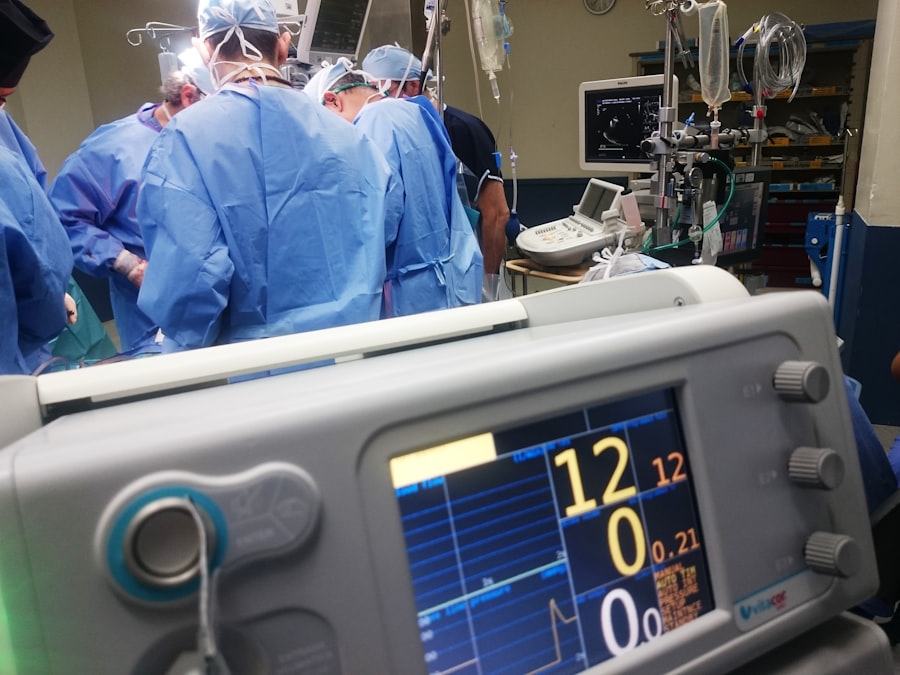
The ongoing research into the impact of anesthesia on brain activity is not just about understanding the past; it’s about shaping the future of patient care. By gaining a deeper understanding of how anesthetics interact with the brain, we can move towards more personalized and safer anesthetic strategies.
Brain State Monitoring: Real-Time Insights
Advanced brain monitoring techniques, such as bispectral index (BIS) monitoring and processed EEG, are already used to assess the depth of anesthesia. However, researchers are developing more sophisticated methods to analyze brain activity in real-time, allowing anesthesiologists to tailor anesthetic delivery to individual patient needs and predict responses more accurately.
Neuromodulation: Fine-Tuning the Brain
The understanding of specific neural circuits targeted by anesthetics opens the door to novel neuromodulation techniques. For instance, researchers are exploring whether stimulating certain brain regions or pathways could counteract the sedative or amnesic effects of anesthesia, or conversely, enhance them to prevent awareness.
Long-Term Cognitive Health: Addressing Concerns
While acute memory loss is a goal of anesthesia, there are ongoing concerns about potential long-term cognitive effects, particularly in vulnerable populations like the elderly. Research is actively investigating whether anesthesia can contribute to subtle cognitive changes over time and developing strategies to mitigate these risks. This includes exploring the potential role of anesthetic choice, duration, and depth, as well as pre- and post-operative care.
Individualized Anesthetic Regimens: The Future of Precision Medicine
Ultimately, the goal is to move towards truly individualized anesthetic regimens. By understanding your unique brain physiology and how it responds to different anesthetic agents, anesthesiologists will be able to select the safest and most effective combination for your specific needs, optimizing your experience from induction to recovery and ensuring the best possible outcome. The journey to fully understanding the profound impact of anesthesia on your brain is ongoing, a testament to the intricate dance between science and healing.

You’re Not Asleep Under Anesthesia. So Where Do You Go?
FAQs
What is anesthesia?
Anesthesia is a medical treatment that induces a reversible loss of sensation and consciousness. It is commonly used during surgical procedures to prevent pain and discomfort for the patient.
How does anesthesia affect brain activity?
Anesthesia works by altering the activity of neurotransmitters in the brain, leading to a state of unconsciousness. It can also disrupt the normal patterns of brain activity, causing changes in brain waves and reducing overall brain function.
What are the potential effects of anesthesia on the brain?
While anesthesia is generally considered safe, there are potential risks and side effects, including cognitive dysfunction, memory impairment, and changes in mood and behavior. These effects are usually temporary, but in some cases, they can persist for longer periods.
How long does it take for the brain to recover from anesthesia?
The recovery time from anesthesia varies depending on the type of anesthesia used, the individual’s health, and the duration of the procedure. In most cases, the effects of anesthesia wear off within a few hours to a few days, and brain function returns to normal.
Are there any long-term effects of anesthesia on brain activity?
While most people recover fully from the effects of anesthesia, some individuals may experience long-term cognitive changes, particularly in older adults. Research is ongoing to better understand the potential long-term effects of anesthesia on brain activity.