You’re facing a surgery, a procedure, or maybe just a particularly uncomfortable diagnostic test. The word “anesthesia” likely floats into your mind, often alongside “sleep.” It’s a natural comparison. After all, you’re going to be unconscious, right? But while both states involve a loss of awareness, the reality of anesthesia is far more complex and medically controlled than simply drifting off to sleep. Understanding the key differences is crucial for your peace of mind and your safety. You deserve to know what you’re agreeing to and what your body will be experiencing.
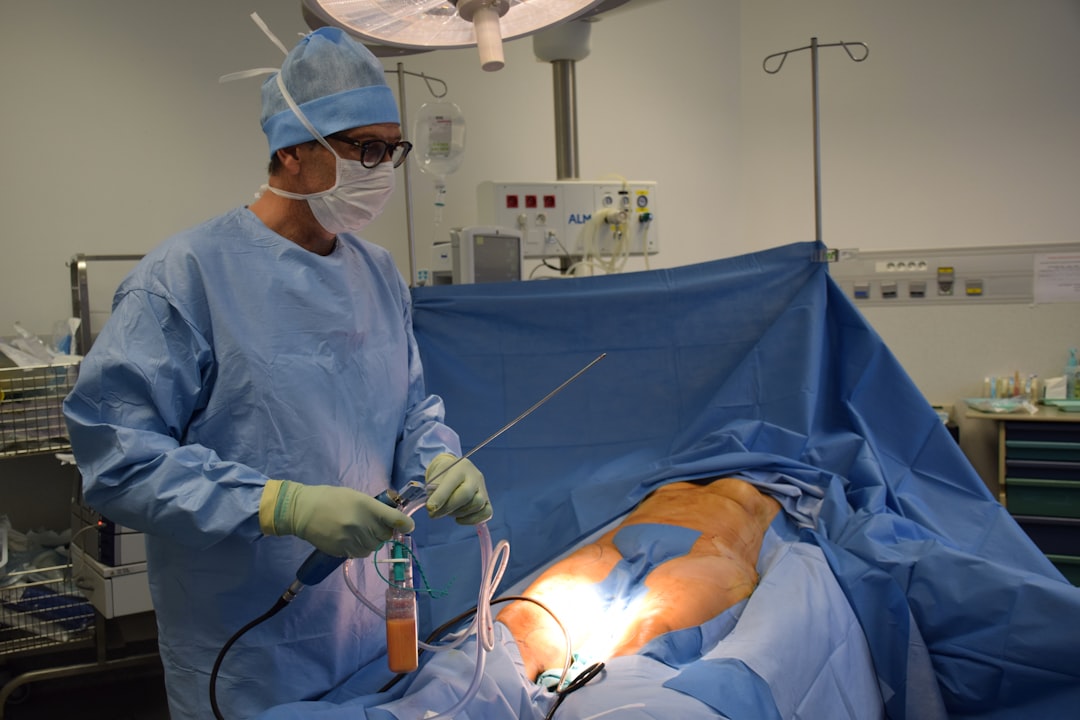
When you hear “anesthesia” in the context of major procedures, you’re most likely talking about general anesthesia. This isn’t your body’s natural response to fatigue. Instead, it’s a carefully induced and meticulously managed state of unconsciousness, achieved through a combination of potent medications. The goal isn’t just to make you unaware, but to create a state where you are completely unresponsive to pain, stimuli, and memory formation. Your medical team orchestrates this descent, ensuring your body’s vital functions are supported throughout.
The Anesthesiologist: Your Guardian During the Procedure
You might picture a doctor in scrubs, but your anesthesiologist is much more than that. They are highly specialized physicians who are your constant companion from before the first incision to the moment you begin to stir. Their training focuses on the complex physiology of consciousness, breathing, circulation, and pain management. They are the architects of your medically induced slumber, making critical decisions about drug dosages, monitoring your every breath, heart rate, and blood pressure.
What Drugs Are Involved?
The medications used in general anesthesia are powerful and varied. They are typically administered intravenously (through a vein) or inhaled as gases.
Intravenous Agents: The Initial Nudge
Often, the journey into anesthesia begins with an intravenous injection. Drugs like propofol are frequently used to quickly induce unconsciousness. You might feel a brief coolness or sting, and then, a gentle fading away. Other intravenous medications might be used to manage pain, relax muscles, or prevent nausea.
Inhaled Agents: Maintaining the State
Once you are unconscious, inhaled anesthetics are often used to maintain the deep state of anesthesia. These are breathed in through a mask or a breathing tube. Common examples include sevoflurane, isoflurane, and desflurane. The anesthesiologist precisely controls the concentration of these gases to keep you at the desired level of unconsciousness.
The Triad of Anesthesia: Beyond Just Unconsciousness
General anesthesia isn’t just about making you sleep. It’s a carefully balanced triad designed to provide a safe and comfortable surgical experience.
Amnesia: Forgetting the Experience
One of the primary goals of general anesthesia is amnesia, meaning you won’t remember anything that happens while you’re under. This is achieved through specific anesthetic agents that interfere with the brain’s ability to form new memories during the procedure. This ensures that even if there were brief moments of discomfort or noise, they wouldn’t be retained in your conscious memory.
Analgesia: The Absence of Pain
Pain is a critical factor in any surgical or medical procedure. General anesthesia provides profound analgesia, meaning you won’t feel any pain. This is achieved through a combination of the anesthetic drugs themselves and often supplemented with additional pain-relieving medications administered during and after the procedure. This allows surgeons to operate without causing you distress.
Muscle Relaxation: Enabling the Procedure
For many surgical interventions, it’s essential for your muscles to be relaxed. This allows for better surgical access, reduces the risk of accidental movement, and can improve the surgeon’s ability to perform delicate maneuvers. Muscle relaxants are a key component of general anesthesia, ensuring your body is as still and compliant as possible.
Anesthesia and sleep are often mistakenly considered to be the same state, but they are fundamentally different in terms of brain activity and physiological responses. For a deeper understanding of this distinction, you can explore the article titled “Why Anesthesia is Not the Same as Sleep” on Freaky Science. This article delves into the unique mechanisms of anesthesia, highlighting how it alters consciousness and sensory perception in ways that are not comparable to natural sleep. To read more, visit Freaky Science.
The Natural Drift: Understanding Sleep
Sleep, on the other hand, is a fundamental biological process. It’s a naturally occurring state that your body and brain enter cyclically to restore itself. Unlike anesthesia, sleep isn’t induced by external agents. It’s driven by your internal circadian rhythms and homeostatic sleep drive. While you are unconscious during sleep, your brain remains active, cycling through different stages that are crucial for cognitive function, emotional regulation, and physical restoration.
The Different Stages of Sleep
Sleep isn’t a monolithic state. It’s a dynamic process characterized by distinct stages, each with its own brainwave patterns and physiological characteristics.
Non-Rapid Eye Movement (NREM) Sleep: The Deeper Dives
NREM sleep is further divided into three stages:
Stage 1 (N1): The Lightest Slumber
This is the transition from wakefulness to sleep. You might feel drowsy, and your brainwaves begin to slow down. It’s easy to be awakened during this stage.
Stage 2 (N2): The Core of Sleep
This is the longest stage of sleep, where your heart rate and body temperature decrease. Your brainwaves continue to slow, and you’re less easily roused than in Stage 1.
Stage 3 (N3): Deep Sleep or Slow-Wave Sleep
This is the most restorative stage of sleep. Your brainwaves are at their slowest, and it’s very difficult to wake someone from N3 sleep. This is when your body does most of its physical repair and growth.
Rapid Eye Movement (REM) Sleep: The Dream Weaver
REM sleep is characterized by rapid eye movements beneath your closed eyelids. Your brain activity increases, resembling wakefulness. This is the stage where most vivid dreaming occurs. Your voluntary muscles are paralyzed during REM sleep, preventing you from acting out your dreams.
The Purpose of Sleep: More Than Just Rest
Sleep isn’t just about resting your body. It’s an active period of crucial biological functions.
Cognitive Restoration: Memory Consolidation and Learning
During sleep, your brain processes information gathered throughout the day. This includes consolidating memories, strengthening neural connections, and enhancing learning. Different sleep stages play different roles in these processes.
Physical Repair and Growth: Cellular Regeneration
While you sleep, your body works to repair tissues, build muscle, and synthesize proteins. Growth hormone is released primarily during deep sleep, playing a vital role in cellular regeneration and growth, especially in children and adolescents.
Emotional Regulation: Processing Feelings
Sleep is essential for processing emotions and maintaining emotional well-being. Lack of adequate sleep can lead to irritability, mood swings, and an increased risk of mental health issues.
Key Differences at a Glance: Where Anesthesia and Sleep Diverge
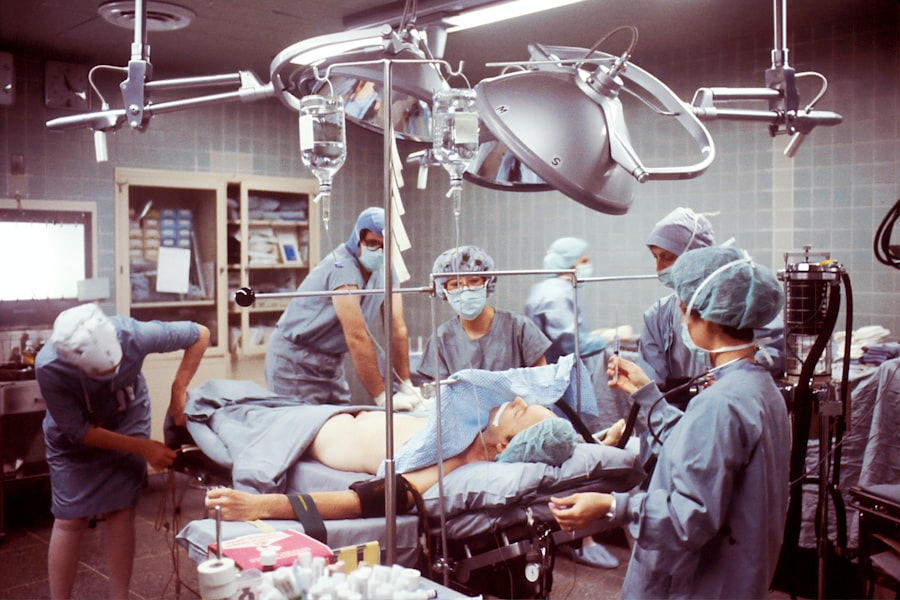
While both states involve a period of unconsciousness, the underlying mechanisms, purposes, and control levels are vastly different. Understanding these distinctions can demystify the process of anesthesia and highlight its essential role in modern medicine.
Physiological Control: Natural Rhythm vs. Medical Intervention
The most significant difference lies in the origin and control of the state.
Sleep: An Internal Biological Clock
Your sleep-wake cycle is governed by your body’s internal biological clock, the circadian rhythm, and your homeostatic sleep drive, which builds up the longer you’ve been awake. You don’t need to do anything to initiate sleep; it happens naturally when your body is ready.
Anesthesia: External Pharmaceutical Manipulation
General anesthesia is entirely induced and maintained by external medical intervention. Anesthesiologists use specific drugs to override your natural brain activity and create a controlled state of unconsciousness. This state is not a natural physiological process.
Brain Activity: Rest vs. Induced Suppression
The way your brain functions during sleep and anesthesia is remarkably different.
Sleep: Active Brain Processing
Even in deep sleep, your brain is actively engaged in complex processes like memory consolidation, learning, and emotional processing. Brainwave patterns, though slowed, demonstrate distinct cycles and activity.
Anesthesia: Suppressed Brain Activity
During general anesthesia, brain activity is significantly suppressed. The goal is to reduce neuronal firing to a level where consciousness, awareness, and responsiveness are eliminated. While there are still electrical signals, they are indicative of a heavily sedated and unresponsive state.
Reversibility: Natural Waking vs. Controlled Recovery
The process of returning to consciousness also differs significantly.
Sleep: Gradual Awakening
Waking from sleep is typically a gradual process. You might stir, open your eyes, and slowly regain full awareness. This transition is managed by your body’s internal cues.
Anesthesia: Prompt and Targeted Reversal
Recovery from anesthesia is carefully managed by the anesthesiologist. They can adjust drug dosages or administer reversal agents to bring you back to consciousness quickly and safely. The timing of this recovery is precisely controlled.
When Does Anesthesia Become Necessary?
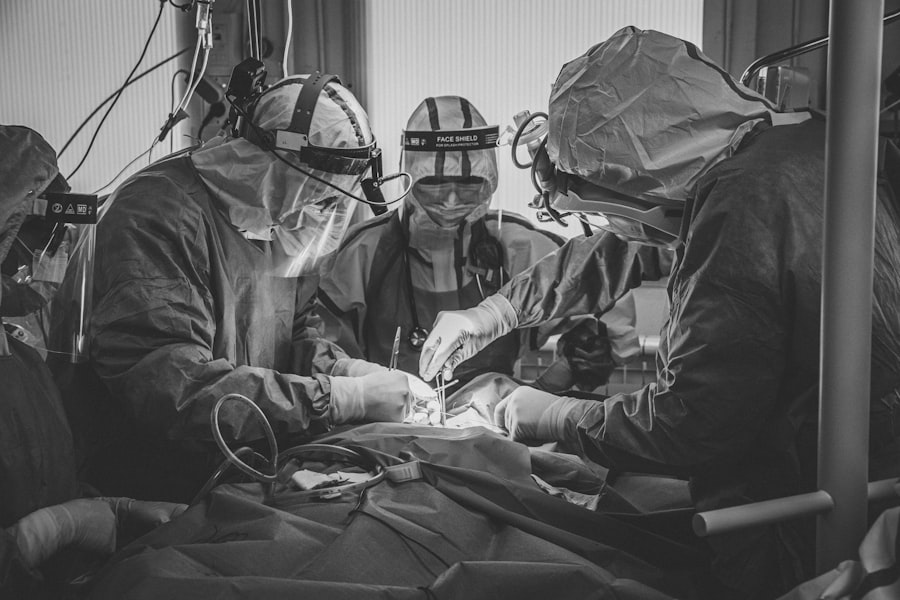
Anesthesia is a cornerstone of modern surgical and medical practice, enabling procedures that would otherwise be impossible or cause unbearable suffering. You’ll encounter anesthesia in a variety of situations where your body needs to be rendered unconscious and pain-free for a medical intervention.
Surgical Interventions: The Primary Domain
The most common reason for anesthesia is surgery, from minor procedures to complex life-saving operations.
Major Surgeries: Ensuring Patient Comfort and Safety
For procedures involving significant incisions, deep tissue manipulation, or lengthy operating times, general anesthesia is essential. This includes everything from heart surgery and organ transplants to joint replacements and abdominal procedures. The absolute lack of pain and movement it provides is paramount.
Minor Procedures: Minimizing Discomfort
Even for some less invasive procedures, general anesthesia might be used to ensure complete comfort and prevent any anxiety or discomfort, especially for patients who are particularly sensitive or have a history of adverse reactions to pain.
Diagnostic and Therapeutic Procedures: Beyond the Operating Room
Anesthesia isn’t solely confined to surgical suites. It plays a vital role in various diagnostic and therapeutic interventions.
Endoscopies and Colonoscopies: A More Relaxed Experience
While some patients can tolerate these procedures with mild sedation, general anesthesia is often used for longer or more complex endoscopic examinations. This ensures you remain completely still and unaware, allowing the physician to perform the examination thoroughly and safely.
Dental Procedures: Addressing Anxiety and Pain
For extensive dental work, particularly for patients with severe dental phobia or those undergoing multiple procedures, anesthesia can be a welcome solution. It allows for complex treatments to be completed efficiently and without any associated pain or anxiety.
Radiation Therapy and Chemotherapy: Managing Discomfort and Motion
In some cases, particularly for children or patients who find it difficult to remain still for extended periods, anesthesia might be employed during radiation therapy or certain chemotherapy treatments to ensure accurate targeting and prevent movement artifacts.
Anesthesia is often misunderstood as a state similar to sleep, but it involves distinct physiological processes that set it apart. For a deeper understanding of this topic, you can explore a related article that delves into the differences between anesthesia and sleep. This article highlights how anesthesia affects brain activity and consciousness in ways that are fundamentally different from natural sleep patterns. To learn more about this intriguing subject, visit this article for further insights.
Sedation vs. Anesthesia: A Spectrum of Unconsciousness
| Aspect | Anesthesia | Sleep |
|---|---|---|
| Consciousness | Induced loss of consciousness | Natural state of reduced consciousness |
| Brain Activity | Suppressed brain activity | Normal brain activity with altered patterns |
| Response to Stimuli | No response to stimuli | Possible response to stimuli |
| Controlled State | Controlled by anesthesiologist | Naturally occurring |
| Reversibility | Reversible with medication | Naturally reversible |
It’s important to differentiate general anesthesia from other forms of sedation. While all involve a degree of altered consciousness and pain relief, they exist on a spectrum with varying levels of depth and risk.
Minimal Sedation: A Relaxed State
Minimal sedation, often referred to as anxiolysis, is the lowest level. You’ll be awake and responsive but feel relaxed and less anxious. You can typically breathe on your own and respond to verbal commands.
Conscious Sedation: A Deeper Calm
Conscious sedation involves a deeper level of relaxation where you may feel drowsy and less aware of your surroundings. You might have limited memory of the procedure. You can still breathe independently and respond to physical stimulation.
Deep Sedation: Bordering on Anesthesia
Deep sedation brings you very close to general anesthesia. You will be deeply asleep and may not easily respond to stimulation. Your breathing may be shallower, and you might require supplemental oxygen. However, you can usually still be aroused by vigorous stimulation, and your airway reflexes are generally intact.
Local Anesthesia: Numbing a Specific Area
Local anesthesia is entirely different from general anesthesia. It involves numbing a specific, localized area of your body. You remain fully conscious and aware.
Nerve Blocks: Targeted Pain Relief
Nerve blocks involve injecting anesthetic medication near a specific nerve or group of nerves to block pain signals from a particular region of your body. This is commonly used for limb surgeries or pain management.
Topical Anesthetics: Surface-Level Relief
Topical anesthetics are applied to the skin or mucous membranes to numb the surface. Think of the numbing cream before a needle stick or anesthetic sprays used for sore throats.
By understanding these distinctions, you can have more informed conversations with your healthcare providers and feel more confident and prepared for any medical procedure you may need. The difference between the natural ebb and flow of sleep and the precise, controlled state of anesthesia is a testament to the advancements in medical science, all aimed at ensuring your comfort and well-being.

You’re Not Asleep Under Anesthesia. So Where Do You Go?
FAQs
What is the difference between anesthesia and sleep?
Anesthesia is a controlled state of unconsciousness that is induced for medical purposes, while sleep is a natural state of rest and relaxation for the body and mind.
How does anesthesia differ from sleep in terms of brain activity?
Anesthesia affects the brain in a way that is different from sleep. While under anesthesia, the brain’s activity is significantly altered, whereas during sleep, the brain goes through different stages of activity and rest.
Can a person dream while under anesthesia?
No, dreaming does not occur while under anesthesia. Dreaming is a natural part of the sleep cycle, but it does not happen during anesthesia because the brain is in a different state of unconsciousness.
Why is it important to distinguish between anesthesia and sleep?
It is important to distinguish between anesthesia and sleep because they are two different physiological states with distinct effects on the body and brain. Understanding the differences helps medical professionals provide safe and effective anesthesia care.
What are the risks of confusing anesthesia with sleep?
Confusing anesthesia with sleep can lead to misunderstandings about the effects and risks of anesthesia. This can result in improper medical care and potential complications for patients undergoing surgical procedures.