
You’re lying there, perhaps on an operating table, perhaps in a dentist’s chair. The mask is placed over your face, and a faint, sweet scent fills your nostrils. You’re told to breathe deeply, and you do. Then, a creeping sensation, like a warm, heavy blanket being draped over your mind. The edges of your awareness begin to fray, the sounds around you fade, and a profound, undeniable sleep descends. You are, for all intents and purposes, gone. But what exactly is happening inside your brain, inside your very being, to bring about this controlled oblivion? How does anesthesia, this modern marvel, coax you into a state of unconsciousness?
This is a journey into the intricate workings of your nervous system, a exploration of the chemical ballet that temporarily suspends your awareness. It’s a complex process, far from a simple switch being flipped. Instead, it’s a symphony of molecular interactions, a targeted disruption of the very communication pathways that make you, you.
Before anesthesia can steal your consciousness, it’s crucial to understand how consciousness itself is maintained. Imagine your brain as a bustling metropolis, with billions of neurons – specialized nerve cells – acting as its inhabitants. These neurons are constantly communicating with each other, sending electrical and chemical signals that form the basis of all your thoughts, feelings, sensations, and actions. This continuous dialogue is what constitutes your awareness, your sense of self, and your ability to interact with the world.
The Electrochemical Dance: Neurons in Action
Your neurons communicate through a fascinating process involving both electrical impulses and chemical messengers called neurotransmitters. When a neuron is stimulated, it generates an electrical signal, an action potential, that travels down its axon, a long projection. At the end of the axon, at a junction called a synapse, this electrical signal triggers the release of neurotransmitters into the small gap between neurons. These neurotransmitters then bind to receptors on the next neuron, either exciting it to fire its own signal or inhibiting it from doing so. This intricate network of excitation and inhibition is the fundamental language of your brain.
Networks of Awareness: The Brain as a Collective
Consciousness isn’t localized to a single part of your brain. Instead, it emerges from the synchronized activity of widespread neural networks. Key areas like the cerebral cortex, the thalamus, and the brainstem all play crucial roles in processing sensory information, maintaining wakefulness, and integrating these signals into a coherent experience of reality. Think of it as a vast orchestra, where different sections contribute to the overall harmony. If one section falters, the music – your consciousness – is disrupted.
The Role of Sensory Input: How the World Reaches You
Your awareness of the world is largely shaped by sensory information – what you see, hear, smell, taste, and touch. These sensory organs convert physical stimuli into electrical signals that are then transmitted to the brain for processing. This constant stream of information keeps your brain engaged and actively constructing your perception of reality. When you’re awake, your brain is actively filtering, interpreting, and responding to this barrage of sensory input.
Anesthesia is a fascinating topic that delves into the intricate mechanisms of how it induces unconsciousness during surgical procedures. For those interested in exploring this subject further, a related article can provide additional insights into the science behind anesthesia and its effects on the brain. You can read more about it in this informative piece: Understanding Anesthesia and Its Impact on Consciousness.
Anesthesia’s Entry: Disrupting the Symphony
Anesthesia doesn’t simply shut down your brain. Instead, it selectively interferes with the communication pathways that are essential for maintaining wakefulness and consciousness. It’s like subtly tuning down specific instruments in the orchestra, or introducing a discordant note that throws off the rhythm. Different anesthetic agents work through various mechanisms, but their ultimate goal is to disrupt the normal functioning of neural networks.
The Blood-Brain Barrier: A Gatekeeper for Anesthetics
For an anesthetic to exert its effects, it must first cross the blood-brain barrier (BBB). This is a highly selective barrier that protects your brain from harmful substances in the bloodstream. Anesthetics are designed to be lipophilic (fat-soluble), allowing them to readily pass through the lipid membranes that make up the BBB. Once inside the brain, they can then access the neurons and begin to exert their influence.
The Delicate Balance: Excitation vs. Inhibition
The level of consciousness in your brain is a delicate balance between excitatory and inhibitory signals. Anesthetics often work by enhancing inhibitory neurotransmission or suppressing excitatory neurotransmission. This tipping of the scales can lead to a gradual fading of awareness, as the brain’s ability to process information and maintain wakefulness is compromised.
Speed of Onset: The Rapid Descent into Sleep
The rapid onset of unconsciousness you experience under anesthesia is a testament to the efficiency of these drugs. Within moments of administration, they reach critical concentrations in the brain, and the disruptive effects on neural communication begin to manifest. This speed is crucial for surgical procedures, allowing for a safe and controlled induction of unconsciousness.
Mechanisms of Action: The Molecular Sabotage

The precise ways in which anesthetics exert their effects are still a subject of intense research, but several key mechanisms have been identified. These mechanisms often involve interactions with specific receptors and ion channels on neurons, essentially jamming the gears of neural communication.
Targeting GABA Receptors: The Power of Inhibition
One of the most significant targets for many general anesthetics, particularly intravenous agents like propofol and etomidate, is the gamma-aminobutyric acid (GABA) receptor. GABA is the primary inhibitory neurotransmitter in the brain. When GABA binds to its receptor, it opens ion channels that allow chloride ions to enter the neuron, making it less likely to fire an action potential.
Propofol’s Embrace: Enhancing GABAergic Inhibition
Propofol, a widely used anesthetic, acts by enhancing the effect of GABA at its receptors. It binds to a specific site on the GABA-A receptor, increasing the frequency and duration of channel opening. This leads to a significant increase in inhibitory signaling throughout the brain, effectively quieting down neural activity and leading to sedation and unconsciousness. You could think of propofol as turning up the volume on the “off” switch for your neurons.
Benzodiazepines’ Subtle Touch: Modulating GABAergic Activity
Benzodiazepines, such as midazolam, also work by modulating GABAergic transmission. They bind to a different site on the GABA-A receptor than GABA itself, but their presence allosterically enhances GABA’s ability to bind and activate the receptor. This results in increased inhibition, leading to sedation, anxiolysis (reduction of anxiety), and amnesia. They don’t directly activate the receptor but make it more responsive to GABA’s natural signals.
Inhibiting NMDA Receptors: Dampening Excitation
Another important target for some anesthetics, particularly dissociative anesthetics like ketamine, are N-methyl-D-aspartate (NMDA) receptors. These receptors are a type of glutamate receptor, and glutamate is the primary excitatory neurotransmitter in the brain. By blocking NMDA receptors, anesthetics can reduce excitatory signaling, further contributing to the suppression of brain activity.
Ketamine’s Disconnect: Disrupting Glutamatergic Pathways
Ketamine works differently than propofol. While it does have some effects on GABA receptors, its primary mechanism involves blocking NMDA receptors. This blockade disrupts the flow of calcium ions into neurons, which is crucial for excitatory neurotransmission. The result is a state of “dissociative anesthesia,” where you may appear to be awake and even moving your eyes, but you are not consciously aware of your surroundings and have no memory of the event. It’s a profound disconnect between motor function and conscious perception.
Modulating Other Receptor Systems: A Multifaceted Approach
Beyond GABA and NMDA receptors, anesthetics can also interact with other receptor systems, including:
- Nicotinic acetylcholine receptors: These receptors are involved in fast excitatory neurotransmission in both the central and peripheral nervous systems. Some anesthetics can inhibit these receptors, contributing to muscle relaxation and reduced motor activity.
- Serotonin and dopamine receptors: Interactions with these neurotransmitter systems can influence mood, arousal, and pain perception, further contributing to the overall anesthetic state.
- Voltage-gated ion channels: Anesthetics can also affect the function of ion channels that control the flow of sodium, potassium, and calcium ions across neuronal membranes. This can disrupt the generation and propagation of electrical signals.
The Stages of Anesthesia: A Gradual Unraveling
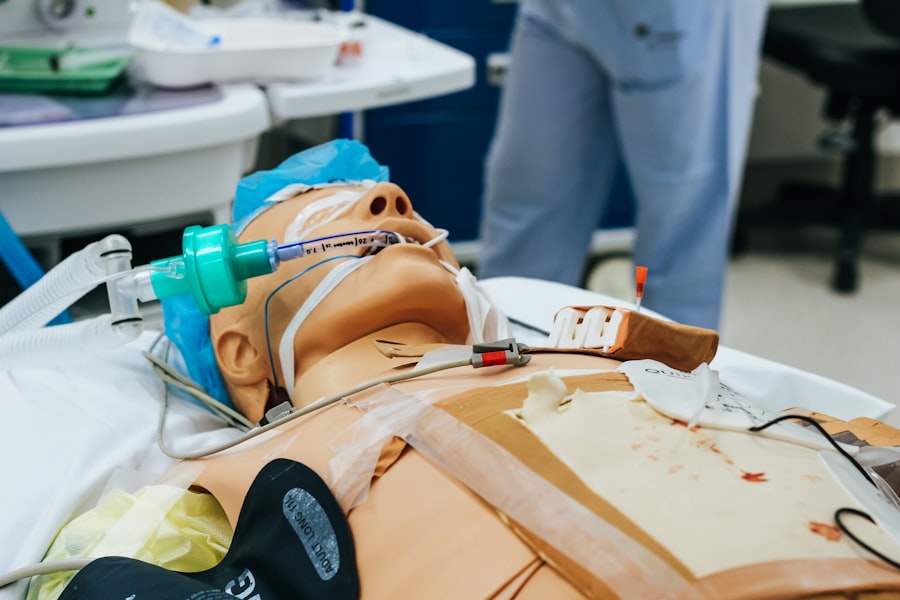
The induction of general anesthesia isn’t an instantaneous event but rather a process that can be broadly divided into several stages. While the exact progression can vary depending on the anesthetic agent and the individual, understanding these stages helps to illustrate the gradual unraveling of consciousness.
Stage I: Analgesia and Amnesia – The Fading Edge
As the anesthetic begins to take effect, you enter the stage of analgesia and amnesia. You may feel a sense of detachment, warmth, or even lightheadedness. Pain sensation begins to diminish, and you may start to feel drowsy. Crucially, your ability to form new memories starts to fade. Sounds may become muffled, and your awareness of time and place can become distorted. You might be able to respond to simple commands, but your recall of these interactions will be absent.
Stage II: Excitement – The Paradoxical Stirring
This stage, also known as the delirium stage, can be a brief but sometimes turbulent period. As inhibitory influences begin to dominate, there can be a temporary paradoxical excitation. You might exhibit involuntary movements, vocalizations, or even struggle. This is your brain’s attempt to fight against the encroaching unconsciousness. It’s vital for the anesthesiologist to manage this stage carefully to prevent injury and ensure a smooth transition to deeper anesthesia.
Stage III: Surgical Anesthesia – The State of Oblivion
This is the desired stage of general anesthesia, where you are unconscious, immobile, and insensitive to pain. Your breathing may become more regular, and your reflexes are significantly blunted. Surgical procedures can be safely performed in this state because the brain’s ability to process pain signals and initiate a motor response is effectively abolished. Vital signs are closely monitored to ensure stability.
Stage IV: Medullary Depression – The Dangerous Abyss
This is a potentially dangerous stage where vital centers in the brainstem, which control breathing and circulation, become depressed. If anesthesia becomes too deep, it can lead to respiratory arrest and cardiovascular collapse. This is why continuous monitoring by a skilled anesthesiologist is paramount. They are constantly assessing your vital signs and adjusting the anesthetic dose to keep you safely within Stage III.
Anesthesia plays a crucial role in modern medicine by inducing a state of unconsciousness, allowing patients to undergo surgical procedures without experiencing pain or distress. The mechanisms behind how anesthesia achieves this effect are fascinating and complex, involving the modulation of neurotransmitters and brain activity. For a deeper understanding of the science behind anesthesia and its effects on the brain, you can explore this related article that delves into the intricacies of how anesthesia works. If you’re curious to learn more, check out this resource for additional insights.
Reversing the Spell: Waking Up from the Induced Sleep
| Aspect | Explanation |
|---|---|
| Anesthetic Drugs | They act on the brain to induce unconsciousness. |
| Neurotransmitters | Anesthetics affect neurotransmitters, disrupting communication between neurons. |
| Brain Activity | Anesthesia reduces brain activity, leading to unconsciousness. |
| Memory Formation | Anesthetics interfere with memory formation, causing temporary amnesia. |
The beauty of modern anesthesia lies not only in its ability to induce unconsciousness but also in its reversibility. Once the surgical procedure is complete, the anesthetic agents are discontinued, and your body begins the process of metabolizing and eliminating them. This allows your neural networks to gradually resume their normal communication, and you begin to regain consciousness.
The Role of Metabolism and Elimination: Clearing the System
Your liver and kidneys play a crucial role in processing and eliminating anesthetic agents from your body. Many volatile anesthetics are exhaled through your lungs, while intravenous agents are typically metabolized by the liver and excreted by the kidneys. The rate at which these drugs are cleared determines how quickly you will wake up.
The Reawakening: A Gradual Return to Awareness
The process of waking up is typically the reverse of falling asleep. You might first become aware of sounds or sensations, followed by a grogginess and disorientation. Your reflexes will gradually return, and your ability to respond to commands will improve. Amnesia for the period of unconsciousness is a common and expected outcome.
Post-Anesthetic Care: Ensuring a Smooth Recovery
After the surgery, you will be transferred to a recovery room where your vital signs will be closely monitored. Nurses will assess your level of consciousness, your pain, and any potential side effects of the anesthesia, such as nausea or vomiting. This period of post-anesthetic care is essential for ensuring a safe and comfortable return to full awareness and for managing any lingering effects of the anesthetic.
The journey into unconsciousness under anesthesia is a remarkable feat of medical science. It’s a carefully orchestrated intervention into the complex symphony of your brain, designed to provide a safe and painless experience during medical procedures. While the full intricacies are still being unraveled, the fundamental principles involve the targeted disruption of neural communication, leading to a temporary suspension of awareness. You entrust your consciousness to the hands of professionals who wield these powerful agents with precision and expertise, allowing you to navigate the most challenging medical interventions with a profound and protective sleep.

You’re Not Asleep Under Anesthesia. So Where Do You Go?
FAQs
What is anesthesia?
Anesthesia is a medical treatment that induces a reversible loss of sensation or consciousness. It is commonly used during surgical procedures to prevent pain and discomfort for the patient.
How does anesthesia work to make you unconscious?
Anesthesia works by interrupting the transmission of nerve signals in the brain and spinal cord. It can affect different neurotransmitters and receptors, ultimately leading to a state of unconsciousness.
What are the different types of anesthesia used to induce unconsciousness?
The main types of anesthesia used to induce unconsciousness are general anesthesia, which affects the entire body and brain, and regional anesthesia, which targets specific nerves to block sensation in a particular area of the body.
Are there any risks or side effects associated with anesthesia-induced unconsciousness?
While anesthesia is generally safe, there are potential risks and side effects, including allergic reactions, breathing problems, and post-operative confusion. These risks are typically minimized through careful monitoring and proper administration by trained medical professionals.
How long does it take to recover from anesthesia-induced unconsciousness?
The recovery time from anesthesia-induced unconsciousness varies depending on the type of anesthesia used, the individual’s health, and the specific procedure. Most patients regain consciousness shortly after the anesthesia is discontinued, but it may take some time to fully recover and feel back to normal.