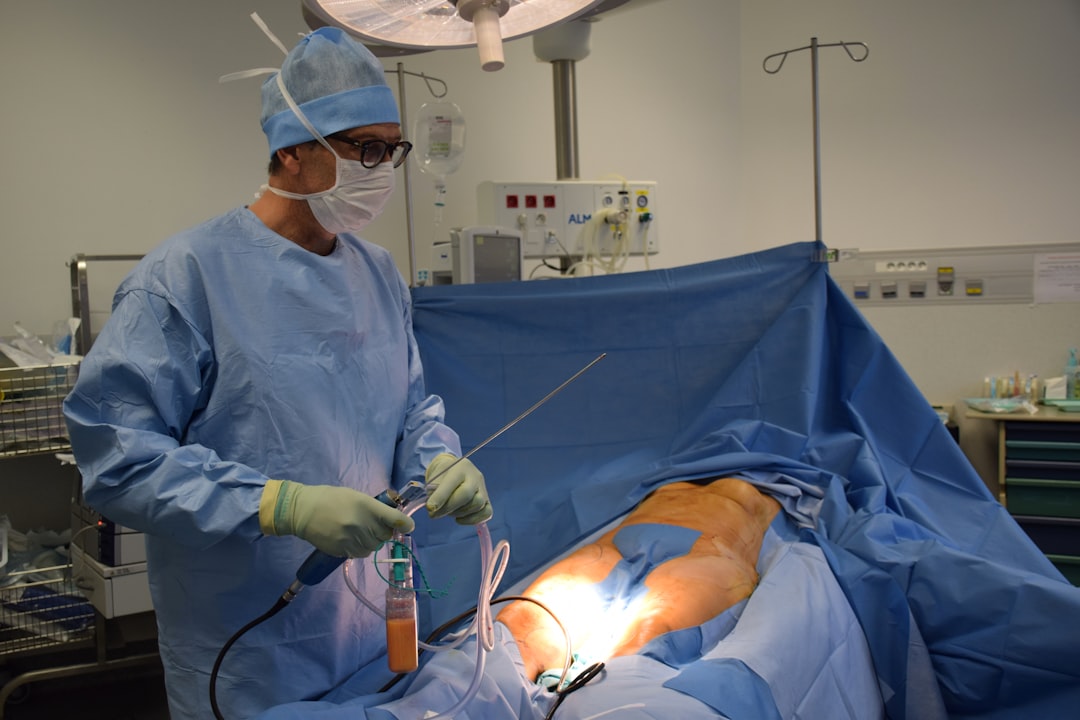
You drift. The sterile scent of the operating room, the hushed urgency of masked faces, the cool pressure on your arm – all fade as a gentle wave washes over you. Suddenly, the world dissolves. Darkness, not of fear, but of profound absence. This is the precipice of unconsciousness, the strange and silent realm you enter under general anesthesia. For centuries, humanity has marveled at and relied upon this manufactured oblivion, a state that temporarily extinguishes the very essence of your being: your consciousness.
The impact of general anesthesia on consciousness is a profound and complex subject, one that probes the very nature of what it means to be awake, aware, and you. It’s a temporary but total surrender, a controlled shutdown of the intricate machinery that allows you to perceive, think, feel, and remember. While the anesthesiologist orchestrates your journey into this void, the scientific community continues to unravel the intricate neurological ballet that unfolds within your brain, transforming you from a sentient being to a passive vessel.
You surrender control, and a carefully chosen cocktail of drugs becomes the architect of your absence. These anesthetics, administered through intravenous lines or inhaled gases, don’t simply put you to sleep; they actively manipulate the fundamental processes of your brain that underpin consciousness. Imagine your brain as a bustling city, with neurons as its citizens, communicating through intricate electrical and chemical signals. Anesthetics act as master disruptors, altering the flow of information, silencing the chatter, and effectively dimming the city lights.
Disrupting the Neuronal Symphony: Chemical Interventions
The primary mechanism by which general anesthetics exert their influence is through their interaction with specific receptors and ion channels within your neurons. These are the gatekeepers of neuronal communication, controlling the passage of electrical signals and chemical messengers.
GABAergic Enhancement: The Calming Wave
One of the most significant pathways targeted by many anesthetic agents is the gamma-aminobutyric acid (GABA) system. GABA is your brain’s primary inhibitory neurotransmitter. Think of it as the brake pedal of your nervous system. Anesthetics, particularly benzodiazepines and propofol, enhance the effects of GABA. They bind to GABA-A receptors, opening chloride channels more readily. This influx of negatively charged chloride ions hyperpolarizes the neuron, making it less likely to fire an electrical signal. On a grand scale, this widespread dampening of neuronal excitability leads to a profound decrease in brain activity, effectively silencing the networks responsible for wakefulness and awareness.
Glutamatergic Inhibition: Silencing the Excitatory Chorus
While GABA acts as the brake, glutamate is the accelerator – the primary excitatory neurotransmitter in your brain. Many anesthetics also interfere with glutamate pathways, particularly those involving NMDA receptors. These receptors are crucial for learning and memory formation. By blocking NMDA receptors, anesthetics reduce the excitatory signaling, further contributing to the overall suppression of brain activity. This dual action – enhancing inhibition and reducing excitation – creates a potent combination that rapidly and reliably induces unconsciousness.
Modulation of Other Neurotransmitter Systems: A Wider Net
The anesthetic effect isn’t limited to just GABA and glutamate. These powerful drugs can also influence other neurotransmitter systems, such as acetylcholine, dopamine, and serotonin. These modulatory effects can further contribute to the amnesic (memory-blocking) and analgesic (pain-relieving) properties of general anesthesia, ensuring a complete and comfortable absence.
The Brain’s Global Shutdown: From Local Silencing to Widespread Suppression
The impact of these chemical interventions isn’t confined to a few isolated neurons. It propagates across vast neural networks, leading to a global suppression of brain activity. Functional neuroimaging studies, like fMRI and EEG, provide a window into this fascinating transformation.
Reduced Cortical Activity: The Thinking Brain Goes Quiet
The cerebral cortex, responsible for your higher-order cognitive functions – thinking, planning, reasoning, and consciousness itself – experiences a dramatic reduction in activity. You cease to process sensory information, formulate thoughts, or engage in deliberate action. The intricate patterns of neural firing that characterize wakefulness are replaced by slow, synchronized oscillations, akin to a system powering down.
Thalamic Gatekeeping Weakened: The Sensory Floodgates Close
The thalamus, often referred to as the brain’s relay station, plays a critical role in filtering and transmitting sensory information to the cortex. Under anesthesia, the thalamus becomes less effective at this crucial task. The signals from your senses – sight, sound, touch – are significantly attenuated or blocked altogether, preventing them from reaching the conscious processing centers of your brain.
Brainstem Integration Compromised: Essential Functions Maintained
While your conscious brain is largely silenced, the brainstem, responsible for essential life-sustaining functions like breathing and heart rate, remains largely intact. This is a critical safety feature of general anesthesia. The anesthesiologist carefully monitors these vital signs, ensuring that the core machinery of your body continues to operate while your conscious mind is offline.
General anesthesia plays a crucial role in modern medicine by temporarily altering consciousness and sensation during surgical procedures. For a deeper understanding of how general anesthesia affects consciousness, you can explore the article titled “The Science Behind Anesthesia” available at Freaky Science. This article delves into the mechanisms of action of anesthetic agents and their impact on brain activity, providing valuable insights into the complexities of consciousness during anesthesia.
The State of No-Mind: Experiencing the Unconscious
What is it like to be unconscious? It’s a question that has long captivated philosophers and scientists alike. From your perspective, the experience of general anesthesia is characterized by a complete absence of subjective awareness. You are not dreaming, you are not thinking, and you are not experiencing the passage of time.
The Black Box of Anesthesia: A Gap in Memory
One of the defining features of general anesthesia is amnesia. You will have no recollection of the events that transpire while you are under its influence. This isn’t a failure of memory recall; it’s a profound disruption of the memory encoding process itself.
Encoding Failure: No Memories Formed
During anesthesia, the brain’s ability to consolidate new memories is severely impaired. The hippocampus, a key structure for memory formation, is particularly vulnerable to the effects of anesthetic agents. Even if sensory information were to reach your brain, the neurological machinery required to translate it into a lasting memory simply isn’t functioning. This is why you won’t recall the surgical procedure, the conversations in the operating room, or even the moment you drifted off.
Retrieval Blocked: Even if Memories Were Formed
Furthermore, even if some fleeting trace of an event were to somehow bypass the encoding failure, the anesthetic state would likely block its retrieval. The neural pathways required to access past experiences are also dampened, rendering them inaccessible.
The Absence of Subjectivity: No Self, No World
Consciousness, at its core, is about subjective experience – your personal awareness of yourself and your surroundings. Under general anesthesia, this subjective experience is extinguished.
Loss of Self-Awareness: You Cease to Be “You”
The feeling of being a distinct individual, the sense of “self” that anchors your existence, vanishes. You are not aware of your body, your thoughts, or your place in the world. It’s a complete relinquishing of your personal identity.
Disconnection from the External World: The Sensory Veil
The external world, with its sights, sounds, smells, and textures, becomes entirely inaccessible. The sensory input that normally feeds your conscious awareness is effectively filtered out. You are in a state of profound sensory deprivation, not by choice, but by pharmacological decree.
The Perception of Time: Non-Existent
For you, the unconscious patient, time ceases to have any meaning. There is no perception of its passage. The moments before anesthesia and the moments after waking are, from your subjective viewpoint, instantaneous. The entire surgical procedure, which may have lasted hours, feels like a blink of an eye.
The Lingering Echoes: Post-Anesthetic Considerations
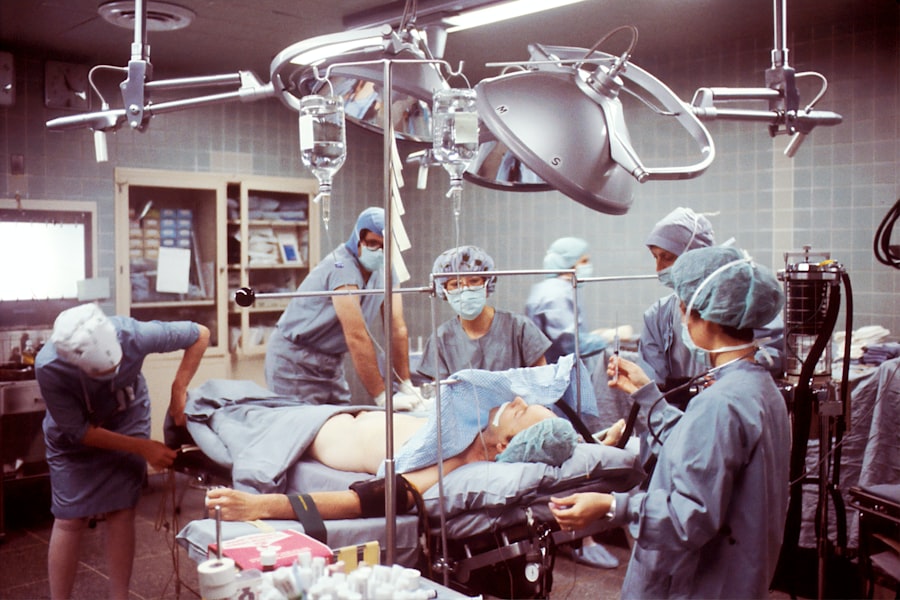
While the immediate goal of general anesthesia is a safe and controlled unconsciousness, the return to wakefulness is not always as abrupt as the descent. You may experience lingering effects that subtly, or sometimes significantly, impact your immediate post-operative experience.
Emergence Phenomena: Waking Up to the Unknown
The process of emerging from anesthesia is a gradual reawakening of your brain. This can sometimes be accompanied by a range of phenomena, some pleasant, some disorienting.
Delirium and Confusion: A Cloudy Return
In some cases, particularly in older patients or after prolonged anesthesia, you might experience post-operative delirium. This can manifest as confusion, disorientation, agitation, and even hallucinations. Your brain is slowly recalibrating, and the reintegration of sensory input and cognitive processes can be a bumpy ride.
Nausea and Vomiting: The Body’s Reaction
A common side effect of anesthesia and surgery is nausea and vomiting. The anesthetics themselves, along with the physiological stress of surgery, can trigger these responses. You might wake up feeling queasy, a reminder that your body is still processing the events.
Shivering: The Body’s Thermostat Resetting
Shivering is another frequent occurrence after anesthesia. This is often due to a slight drop in body temperature during surgery and the body’s attempt to generate heat as you regain consciousness.
Drowsiness and Fatigue: The Price of Rest
Even after the immediate disorientation subsides, you will likely feel profoundly drowsy and fatigued. Your brain and body have undergone significant stress, and the effects of the anesthetic agents linger. Rest is crucial for your recovery.
Cognitive Repercussions: More Than Just a Headache
While most cognitive effects of general anesthesia are transient, there is ongoing research into the possibility of more subtle and long-lasting cognitive changes in certain individuals.
Memory Gaps: The Erasure Remains
As discussed, the amnesia associated with anesthesia is typically complete. While you won’t remember the procedure itself, the impact on your memory encoding capacity during that period is absolute.
Potential for Subtle Cognitive Deficits: The Ongoing Debate
The question of whether general anesthesia can lead to more subtle and persistent cognitive deficits, particularly in vulnerable populations or after repeated exposures, remains a subject of active scientific investigation. Some studies suggest a potential for temporary impairments in attention, executive function, or processing speed. However, it’s crucial to note that this is an area of ongoing research with complex confounding factors, and definitive conclusions are yet to be drawn. The benefits of life-saving surgeries often outweigh these potential risks.
Anesthesia and Age: A Delicate Balance
The impact of anesthesia on consciousness and cognition can vary with age. The developing brains of children and the aging brains of older adults may be more susceptible to certain effects. This is why anesthetic protocols are carefully tailored to different age groups.
The Future of Anesthesia and Consciousness Research
The journey into the depths of anesthesia and its impact on consciousness is far from over. Scientists are continuously striving to understand these processes with greater precision, aiming to improve safety, minimize side effects, and even harness the power of altered states of consciousness for therapeutic purposes.
Precision Anesthesia: Tailoring the Experience
The goal is to move towards increasingly personalized anesthetic regimens, precisely controlling the depth of unconsciousness and minimizing any potential for adverse effects.
Monitoring Brain Activity: Real-Time Insights
Advanced brain monitoring techniques, such as improved EEG analysis and other neurophysiological markers, are being developed to provide real-time insights into a patient’s level of consciousness during anesthesia. This allows for more precise titration of anesthetic agents, ensuring the optimal balance between unconsciousness and physiological stability.
Targeted Anesthetic Agents: Smarter Drugs
Researchers are exploring the development of more targeted anesthetic agents that can selectively modulate specific neural pathways involved in consciousness, potentially leading to fewer side effects and faster recovery.
Exploring Therapeutic Potential: Beyond the Operating Room
The understanding gained from studying anesthesia is also opening doors to potential therapeutic applications in other areas of medicine.
Coma Induction: A Protective Measure
In cases of severe brain injury, inducing a medically controlled coma can be a life-saving measure, protecting the brain from further damage. Understanding the mechanisms of anesthetic-induced unconsciousness is crucial for optimizing this protective strategy.
Anesthesia and Mental Health: A Curious Link
Emerging research is exploring the potential of altered states of consciousness induced by anesthetic-like agents in treating certain mental health conditions, such as depression and addiction. The temporary suspension of self and the disruption of ingrained neural patterns might offer a novel therapeutic avenue.
The Nature of Consciousness: A Philosophical Frontier
Ultimately, the study of general anesthesia is not just a matter of clinical practice; it’s a profound philosophical exploration into the very nature of consciousness itself. By understanding how it can be temporarily extinguished, we gain deeper insights into what it is and how it arises.
Understanding how general anesthesia affects consciousness is a fascinating topic that delves into the complexities of the human brain and its response to anesthetic agents. For those interested in exploring this subject further, a related article can be found at Freaky Science, which discusses the mechanisms of anesthesia and its impact on cognitive functions. This resource provides valuable insights into how anesthetics alter brain activity and the implications for patient awareness during surgical procedures.
Conclusion: The Profound Mystery of the Vanishing Self
| Metrics | Effects |
|---|---|
| Loss of Consciousness | General anesthesia induces a reversible loss of consciousness. |
| Memory Impairment | Patients may experience temporary memory impairment after receiving general anesthesia. |
| Decreased Pain Sensation | Anesthesia reduces the perception of pain by affecting the central nervous system. |
| Suppressed Reflexes | General anesthesia suppresses reflexes such as coughing, gagging, and swallowing. |
| Altered Brain Activity | Anesthesia alters brain activity patterns, leading to a state of unconsciousness. |
You surrender. The world recedes. You are no longer the conscious agent navigating your existence; you are a state of being, a temporary void. General anesthesia, while a marvel of modern medicine, serves as a stark reminder of the intricate and often fragile nature of consciousness. It’s a powerful tool that allows us to perform life-saving interventions, but it also compels us to ponder the profound mystery of what it means to be awake, aware, and, most importantly, to be you. The research continues, pushing the boundaries of our understanding, promising even safer and more sophisticated journeys into this fascinating realm of temporary oblivion.

You’re Not Asleep Under Anesthesia. So Where Do You Go?
FAQs
What is general anesthesia?
General anesthesia is a medical state induced by a combination of medications that results in a reversible loss of consciousness and sensation. It is commonly used during surgical procedures to ensure the patient does not feel pain and is unaware of the surgery taking place.
How does general anesthesia affect consciousness?
General anesthesia affects consciousness by disrupting the normal functioning of the brain. It works by altering the activity of neurotransmitters and receptors in the brain, leading to a state of unconsciousness and amnesia.
Is consciousness completely lost during general anesthesia?
Yes, during general anesthesia, consciousness is completely lost. The patient is not aware of their surroundings, does not feel pain, and does not have any memory of the surgical procedure.
What are the potential risks and side effects of general anesthesia on consciousness?
While general anesthesia is generally safe, there are potential risks and side effects, including postoperative confusion, delirium, and cognitive dysfunction. In rare cases, patients may experience awareness during surgery, although this is extremely uncommon.
How long does it take for consciousness to return after general anesthesia?
The time it takes for consciousness to return after general anesthesia varies from person to person. Factors such as the type of anesthesia used, the duration of the surgery, and individual differences in metabolism can all affect the recovery time. In most cases, consciousness gradually returns as the effects of the anesthesia wear off, and patients typically regain full consciousness within a few hours after the procedure.