
You’ve seen it. The scene plays out in countless movies, books, and even real-world ethical debates. A body, seemingly inert, lies still. Then, a flicker. A twitch of a finger. A slow blink. And instantly, the assumption: consciousness. You see it, and you believe. Movement, even the slightest, has become your shorthand for life, for awareness, for the undeniable spark of being. It’s an intuitive leap, a deeply ingrained human response to perceive action as a sign of internal thought. But what if that leap is a fundamental error? What if the very thing you rely on to confirm consciousness – movement – is, in fact, a profoundly unreliable indicator, fraught with limitations that could lead you astray?
This isn’t about denying the obvious. When a person laughs, cries, or debates with you, their conscious experience is evident. The problem arises when you encounter the boundaries of that evidence, the edge cases where movement is absent, ambiguous, or even misleading. You are driven by a desire to understand what lies within another. You want to know if they are there, truly experiencing the world, or if they are merely a complex biological machine going through the motions. And in your quest, you’ve latched onto movement as your most accessible, your most tangible, clue. But it’s time to critically examine this reliance, to peel back the layers of assumption and confront the profound limitations of using movement as proof of consciousness.
You often see it, and you immediately infer awareness. The patient in a persistent vegetative state whose hand twitches when stimulated. The brain-injured individual who reflexively withdraws from pain. You interpret these as signs, as proof that something is going on behind those unseeing eyes. You see a ripple in the stillness and assume it’s the expression of an internal state, a conscious response. This “conscious twitch” mentality is pervasive, influencing how you perceive individuals with severe neurological impairments, and it’s a potent source of misunderstanding and misjudgment.
Reflexes: The Biological Automation
Think about the involuntary movements you yourself make. The knee-jerk reflex when the doctor taps your patella. The sudden recoil from a hot surface before you even consciously register the pain. These are not driven by conscious thought, but by hardwired neural pathways designed for survival and efficiency. They are automated responses, biological reflexes that occur without any input from your higher cognitive functions.
- The Spinal Cord’s Role: Many reflexes are mediated at the level of the spinal cord, bypassing the brain entirely. This means that even if the brain is severely damaged or unresponsive, these automatic movements can still be initiated. You might witness a hand clench or a leg kick, and mistakenly attribute it to a conscious decision when it’s merely a reflex arc at play.
- Brainstem Triggers: Other reflexes involve the brainstem, the most primitive part of the brain responsible for basic life functions. Think of the gag reflex or the pupillary light reflex. These are essential for survival but do not require conscious awareness. Your brainstem can trigger a gasp or a grimace without your conscious mind being involved in the decision-making process.
Somatosensory Stimulation vs. Conscious Perception
When you stimulate a body part – perhaps by touching it, pinching it, or exposing it to a temperature change – you are triggering sensory receptors. These receptors send signals along nerve pathways to the brain. However, the mere transmission of these signals does not guarantee conscious perception.
- Pathway Interruption: The brain is a complex network, and damage can disrupt the pathways that lead from sensory input to conscious awareness. The signals might reach certain areas, but they might not be integrated or processed in a way that results in subjective experience.
- Sensory Gating: Your brain is constantly bombarded with sensory information. To prevent overload, it has mechanisms for filtering and prioritizing this information. It’s possible for sensory input to be received and even processed at a subconscious level without ever crossing the threshold into conscious awareness.
The Turing Test for Bodies
The limitations of reflexes and sensory responses highlight how movement can be a sophisticated mimic of consciousness. It’s like a poorly designed Turing Test where the machine is programmed to react in ways that appear intelligent, but the underlying process is purely computational. You are looking for the hallmark of intelligence – responsiveness – but you are failing to distinguish between genuine understanding and programmed reaction. This is a critical flaw in your current approach to assessing consciousness, especially in non-verbal or severely impaired individuals.
The debate surrounding the relationship between movement and consciousness is a complex one, often explored in various scientific discussions. A relevant article that delves into this topic can be found on Freaky Science, where it examines the notion that physical actions do not necessarily indicate the presence of conscious thought. This perspective challenges the assumption that movement is a definitive proof of consciousness, suggesting instead that many organisms exhibit movement driven by instinct or reflex rather than awareness. For more insights on this intriguing subject, you can read the article here: Freaky Science.
The Spectrum of Awareness: Beyond the Black and White of Movement
You tend to view consciousness as a binary state: either you are conscious, or you are not. And movement, in your mind, is the definitive marker of the “on” switch. But reality, as you are beginning to see, is far more nuanced. Consciousness exists on a vast spectrum, and movement, or the lack thereof, fails to capture this rich and varied landscape.
Minimal Movement, Maximum Consciousness
Consider the deep meditator, achieving a state of profound inner awareness with virtually no outward physical manifestation. Or the deeply focused artist, so absorbed in their craft that their external movements are minimal, almost frozen. Their internal world is vibrant and alive, yet their outward appearance might suggest otherwise. This demonstrates that significant internal activity does not always correlate with overt physical action.
- States of High Concentration: When you are intensely focused on a task – solving a complex problem, playing a musical instrument with intricate passages, or engaging in a high-stakes negotiation – your physical movements might become very still. Your energy is directed inward, to your cognitive processes. Would you deem yourself less conscious during these moments?
- Altered States of Consciousness: Think of lucid dreaming. You are experiencing vivid, interactive worlds, yet your physical body is immobile. Or consider deep contemplation, where you might sit for extended periods, lost in thought. The absence of gross motor activity doesn’t equate to an absence of consciousness.
The “Locked-In” Phenomenon: A Prisoner of the Body
Perhaps the most stark example of movement’s limitations is the case of individuals with locked-in syndrome. These individuals are fully conscious, aware of their surroundings and themselves, yet they are almost entirely paralyzed, often able to communicate only through voluntary eye movements.
- Preserved Cognitive Function: Their minds are active, their thoughts are coherent, their emotions are present. They can reason, remember, and experience the world. Yet, their bodies are largely unresponsive, a prison from which they can only very selectively signal.
- The Misinterpretation of Inertia: If you were to encounter someone in this state without prior knowledge, you might wrongly assume they are unconscious, or at best, minimally aware. Their immobility would be a powerful, and ultimately misleading, signal. You would be mistaking the absence of motor output for the absence of inner experience.
The Continuum of Motor Control
Even within the realm of observable movement, there’s a vast continuum of control and complexity. A simple reflex is different from a volitional movement, which is different from a highly coordinated and nuanced action. Your reliance on “movement” as a singular proof overlooks these crucial distinctions.
- Simple vs. Complex Movements: A flinch is a far cry from composing a symphony. Your brain’s capacity for complex, intentional movement is a product of sophisticated neural processing, but the presence of movement, any movement, doesn’t automatically imply this level of processing.
- The Role of Intent: Crucially, you often associate movement with intent. You see an arm reach out, and you assume there was a conscious desire behind that reach. But as you’ve seen with reflexes, intent is not always the driving force.
The Ethical Minefield: Misjudging Consciousness and its Consequences

Your tendency to equate movement with consciousness has profound and often tragic ethical implications. When you misjudge an individual’s level of awareness, you risk denying them essential care, respect, and autonomy. The stakes are incredibly high.
Medical Diagnoses and Prognoses
The diagnosis of disorders of consciousness, such as vegetative state or minimally conscious state, heavily relies on observable behavioral responses, including movement. However, the limitations of movement as proof can lead to inaccurate diagnoses, impacting treatment decisions and end-of-life care.
- Misclassification of Minimally Conscious Individuals: Patients who are minimally conscious, meaning they show fluctuating but reproducible signs of awareness, can be misdiagnosed as being in a vegetative state if their movements are subtle or inconsistent. This can lead to their removal from therapeutic interventions and a denial of their potential for recovery.
- The Impact on Family and Caregivers: For families, a diagnosis of unconsciousness can be devastating. If that diagnosis is based on flawed assumptions about movement, it can lead to immense grief and difficult decisions based on an incomplete picture of their loved one’s reality.
Autonomy and Dignity
Even in cases of severe impairment, individuals retain a right to autonomy and dignity. Your assumptions about their consciousness, based on their ability to move, can strip them of these fundamental rights.
- The Right to Communicate: If you believe someone is not conscious, you may not make efforts to facilitate their communication, even if they have a means to do so (like eye movements). This denies them agency and the ability to express their needs, desires, or even their pain.
- Respect for Personhood: Treating someone as if they are not a conscious being, even if they exhibit minimal movement, is a fundamental disrespect for their personhood. It reduces them to their physical shell, ignoring the potential for a rich inner life.
The Burden of Proof
In your legal and ethical frameworks, the burden of proof often rests on demonstrating consciousness. When movement is the primary evidence, and that evidence is unreliable, you create a system where individuals with impaired motor function are at a distinct disadvantage.
- The Challenge of Advocacy: Advocates for individuals with severe disabilities often face an uphill battle. They must find ways to demonstrate consciousness in the absence of clear, unambiguous movement, a task made incredibly difficult by your ingrained assumptions.
- The Slippery Slope of Dehumanization: If movement becomes the sole arbiter of consciousness, where does that leave those who cannot move? It creates a slippery slope towards the dehumanization of individuals who are already vulnerable.
The Limitations of Observation: What You Can’t See
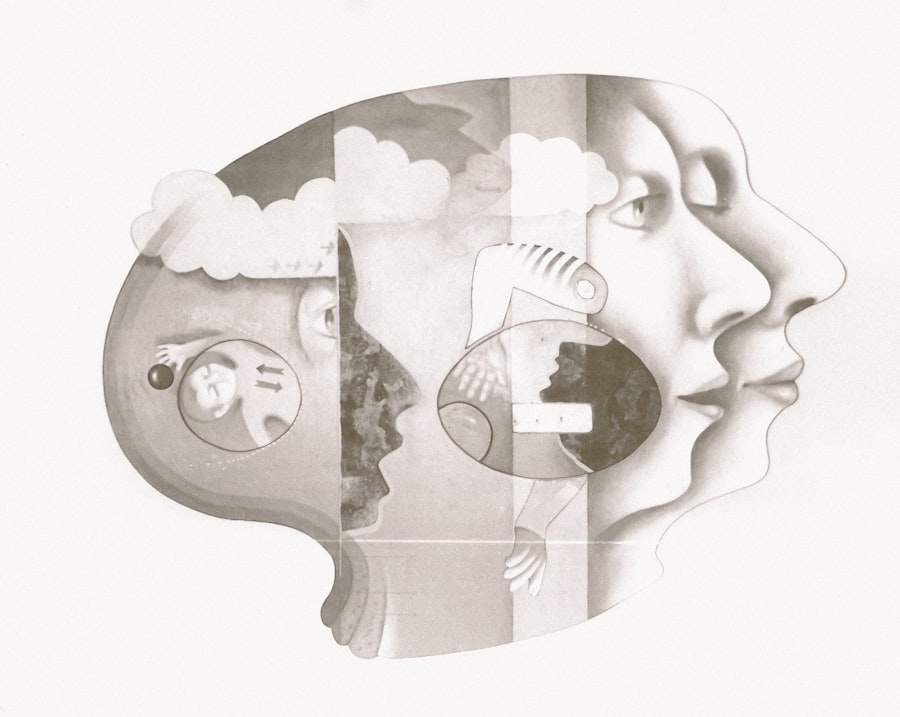
Your reliance on outward, observable movement means you are fundamentally limited by what you can see. Consciousness, however, is an internal, subjective experience that cannot be directly observed. This disconnect creates a significant blind spot in your assessment.
The Subjectivity of Experience
Consciousness is, by its very nature, subjective. Your experience of red is not necessarily my experience of red, even if we both agree on the label. This inherent subjectivity makes it impossible to directly verify another’s conscious state through external observation alone.
- The “Qualia” Problem: Philosophers refer to the subjective, qualitative aspects of experience as “qualia.” You can describe the physical properties of a sunset, but you cannot directly convey the subjective feeling of awe it evokes. Movement can’t capture this.
- Internal States vs. External Expressions: Your internal thoughts, feelings, and perceptions are not always perfectly mirrored by your outward behavior. There are many reasons why you might choose to conceal your inner state, or why your inner state might not translate into outward action.
The Unseen Brain Activity
While you can’t directly observe consciousness, you can observe brain activity. However, even complex brain scans don’t always provide a definitive answer, and they certainly don’t equate to movement.
- Neural Correlates of Consciousness: Scientists are actively researching the neural correlates of consciousness – the brain activity patterns associated with conscious experience. However, identifying these correlates doesn’t automatically mean you can infer consciousness from the presence of any brain activity.
- The “Hard Problem” of Consciousness: Even if you could perfectly map brain activity to conscious states, you still face the “hard problem” of explaining why this physical activity should give rise to subjective experience. Movement doesn’t even begin to address this fundamental philosophical question.
The Deception of the Body
Your body can be a surprisingly effective deceiver. It can exhibit behaviors that mimic consciousness without any underlying awareness, and conversely, it can remain still while the mind is actively engaged.
- The Puppet Analogy: Imagine a sophisticated puppet. It can be made to move, to gesture, to appear alive. But without a puppeteer, it is merely an inert object. Similarly, your body can be animated by reflexes and involuntary actions, creating the illusion of consciousness without its presence.
- Voluntary Inhibition: You can consciously choose to suppress movement, to hold yourself perfectly still. This act of inhibition demonstrates that the absence of movement is not necessarily an absence of will or awareness, but can, in fact, be a product of it.
The debate surrounding the relationship between movement and consciousness has been a topic of interest for many researchers. A thought-provoking article explores the idea that mere physical activity does not necessarily indicate awareness or sentience. This perspective challenges the common assumption that movement is a definitive sign of consciousness. For a deeper understanding of this complex issue, you can read more in this insightful piece found here.
Moving Beyond Movement: Towards More Nuanced Assessment
| Reasons | Explanation |
|---|---|
| Lack of Complexity | Movement can be a simple reflex or response to stimuli, without involving conscious thought or awareness. |
| Automated Processes | Many bodily movements are controlled by the autonomic nervous system and do not require conscious intervention. |
| Unconscious Actions | People can perform complex movements, such as walking or driving, without being fully conscious of every action involved. |
| Animal Behavior | Many animals exhibit movement and behavior without demonstrating signs of consciousness. |
Recognizing the limitations of movement is not an endpoint; it is a call to action. It demands that you develop more sophisticated, more humane, and more accurate methods for assessing consciousness. This involves embracing a multidisciplinary approach and challenging your ingrained assumptions.
The Role of Advanced Neuroimaging
While not a perfect solution, advancements in neuroimaging offer promising avenues for understanding consciousness beyond outward movement.
- fMRI and PET Scans: Functional magnetic resonance imaging (fMRI) and positron emission tomography (PET) scans can measure brain activity and blood flow, providing insights into cognitive processes even in the absence of overt movement.
- Brain-Computer Interfaces (BCIs): BCIs are developing rapidly, allowing individuals to control external devices using their brain activity alone. While often used to facilitate communication and movement for those with paralysis, they also offer a way to probe cognitive states. A patient who can modulate their brainwaves to communicate a “yes” or “no” is demonstrating a level of conscious control that movement alone might not reveal.
Behavioral Scales and Expert Interpretation
While behavioral observation remains important, it needs to be conducted with a sophisticated understanding of the nuances of consciousness and motor control.
- Standardized Assessment Tools: Utilizing standardized assessment tools designed to detect subtle signs of awareness, such as the Coma Recovery Scale-Revised (CRS-R), is crucial. These scales go beyond simply observing movement and look for complex behaviors like object localization, sustained visual pursuit, and functional communication attempts.
- Multidisciplinary Teams: Decisions about consciousness should not be made by individuals in isolation. Multidisciplinary teams, including neurologists, neuropsychologists, speech-language pathologists, and ethicists, can offer a more comprehensive and informed assessment.
The Importance of Context and History
Understanding an individual’s history, their pre-morbid functioning, and the context of their current situation is vital for interpreting any observed behavior, including movement.
- Baseline Functioning: Knowing what an individual’s capabilities were before an injury or illness provides a crucial baseline for comparison. A lack of movement that would be considered severe in a healthy individual might be a sign of improvement in someone with a severe neurological condition.
- Environmental Factors: The environment in which an assessment takes place can significantly impact an individual’s responses. A calm, familiar environment might elicit more reliable signs of awareness than a noisy, chaotic one.
You are at a critical juncture in your understanding of consciousness. For too long, you have relied on the convenient, but ultimately flawed, proxy of movement. It’s time to shed this simplistic approach, to embrace the complexity of the human mind, and to develop more sophisticated, more compassionate, and more accurate ways of recognizing the spark of consciousness in all its diverse and often subtle manifestations. The ethical imperative is too great to continue to be misled by the illusion of the “conscious twitch.” You must look beyond the surface, beyond the involuntary ripple, to truly understand what it means to be aware.

You’re Not Asleep Under Anesthesia. So Where Do You Go?
FAQs
What is the relationship between movement and consciousness?
Movement is a physical action that can be observed and measured, while consciousness refers to the state of being aware and able to perceive one’s surroundings. While movement can be a sign of consciousness, it does not necessarily prove the presence of consciousness.
Can unconscious organisms or machines exhibit movement?
Yes, unconscious organisms such as plants and certain microorganisms can exhibit movement in response to external stimuli. Similarly, machines can be programmed to move in specific ways without possessing consciousness.
What are some examples of movement without consciousness?
Examples of movement without consciousness include reflex actions in organisms, such as the withdrawal of a hand from a hot surface, and the programmed movements of robots and automated machinery.
How do scientists study consciousness without relying solely on movement?
Scientists study consciousness through various methods, including brain imaging techniques such as fMRI and EEG, behavioral experiments, and philosophical inquiry. These approaches allow researchers to explore the neural correlates and subjective experiences associated with consciousness.
What are some alternative indicators of consciousness besides movement?
In addition to movement, indicators of consciousness may include self-awareness, the ability to communicate and respond to stimuli, the capacity for learning and memory, and the experience of emotions and thoughts. These factors collectively contribute to our understanding of consciousness.