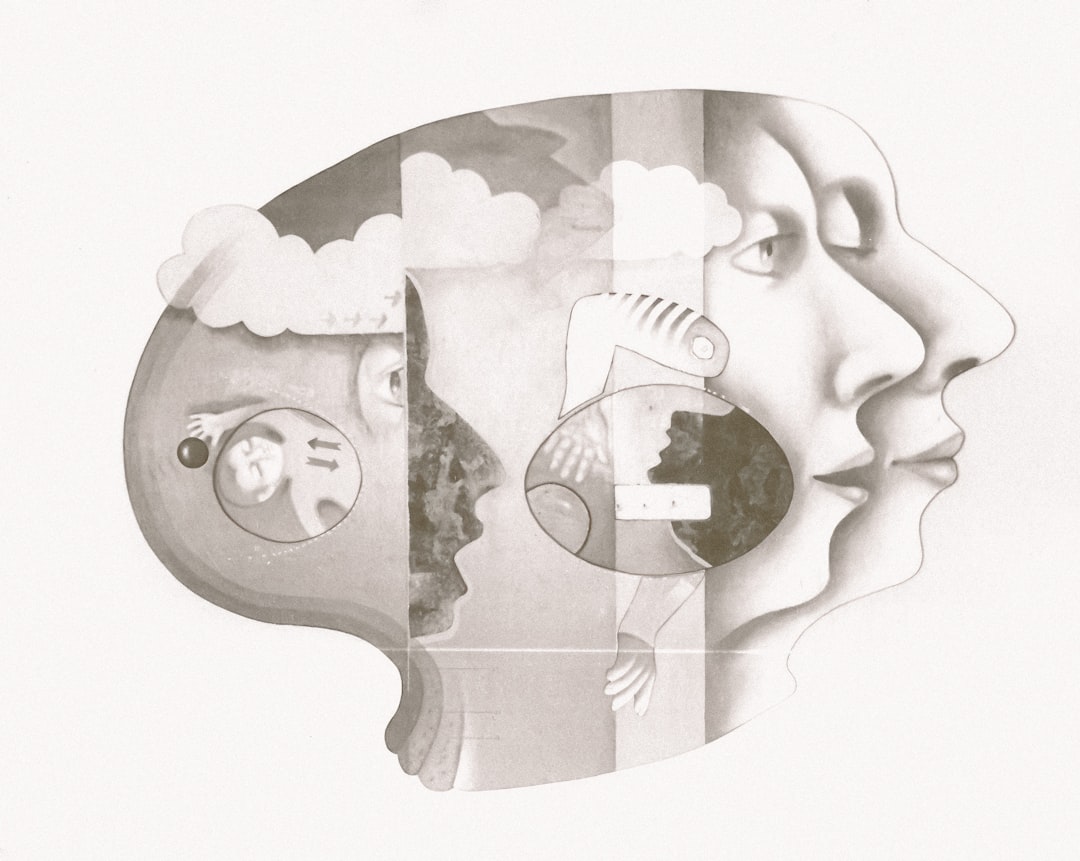
You’ve just emerged from the hazy embrace of anesthesia, a temporary vacation from your own awareness. The world slowly filters back in, colors less vibrant, sounds muffled, a dull ache perhaps where a sharp pain once was. But the most profound transition isn’t the return of physical sensation; it’s the reawakening of your consciousness. This journey back from the brink of unconsciousness is a marvel of neuroscience, a complex ballet of brain activity that science is only beginning to fully comprehend. You’re not just “waking up”; you’re actively reconstructing your sense of self, your perception of reality, and your place within it.
When you’re under anesthesia, your brain isn’t simply switched off. Instead, it undergoes a profound alteration in its functioning. The drugs you receive act on specific neurotransmitter systems and ion channels, essentially disrupting the intricate communication networks that underpin conscious thought. Imagine your brain as a bustling metropolis, with electrical signals constantly zipping between its different districts. Anesthesia acts like a temporary shutdown of key power grids and communication lines, rendering the city silent and inactive. But where does that “self” that experiences the city go?
Understanding the Different States of Anesthesia
Anesthesia isn’t a monolithic state. It’s a spectrum, ranging from light sedation where you might still have some awareness, to deep general anesthesia where you are completely unresponsive. The depth of anesthesia influences how your brain activity is altered.
Sedation: The Gentle Nudge
In states of sedation, your brain activity might be slowed, but the overall connectivity and ability to process information are not entirely extinguished. You might be groggy and have patchy memory, but a part of your awareness remains.
General Anesthesia: The Profound Silence
General anesthesia aims for a complete loss of consciousness. This involves a widespread suppression of brain activity, particularly in the thalamocortical circuits, which are crucial for integrating information and generating conscious experience. Your brain waves become slow and synchronized, far from the complex, dynamic patterns of wakefulness.
The Role of Neurotransmitters in Anesthetic Action
Anesthetics target a variety of neurotransmitter systems, influencing the delicate balance of excitation and inhibition in the brain.
GABA: The Inhibitory Powerhouse
Gamma-aminobutyric acid (GABA) is the primary inhibitory neurotransmitter in the brain. Many anesthetics, like propofol and benzodiazepines, enhance the effects of GABA, effectively dampening neuronal activity. This widespread inhibition is a key factor in the loss of consciousness.
Glutamate: The Excitatory Counterpart
Glutamate is the primary excitatory neurotransmitter. Anesthetics can also interfere with glutamate receptors, further contributing to the suppression of brain function.
Recent studies have shed light on the intriguing process of how consciousness returns after anesthesia, revealing the complex interplay between brain activity and awareness. For a deeper understanding of this phenomenon, you can explore a related article that discusses the science behind consciousness and its restoration post-anesthesia. This article provides valuable insights into the mechanisms at play during the recovery phase. To read more, visit this link.
The Dawn of Awareness: Rebuilding the Conscious Brain
The process of waking up from anesthesia is not an instantaneous flip of a switch. It’s a gradual re-establishment of neural networks and the complex interplay of brain regions that allow you to perceive, think, and feel. You are actively participating in your own return to consciousness, even if you’re not consciously aware of the intricate biological processes at play.
The Thalamocortical System: The Brain’s Orchestra Conductor
The thalamocortical system, a vital network connecting the thalamus (the brain’s relay station) to the cerebral cortex (responsible for higher-level cognitive functions), is heavily impacted by anesthesia. Its recovery is crucial for regaining consciousness.
Re-establishing Connectivity
As anesthesia wears off, the connections within the thalamocortical system begin to re-establish. This allows for the flow of information to be restored, enabling the cortex to process sensory input and generate conscious experience.
Resynchronizing Brain Waves
The slow, synchronized brain waves characteristic of deep anesthesia gradually transition back to the faster, more desynchronized patterns associated with wakefulness. This shift reflects the increasing complexity and efficiency of neural communication.
The Role of Brainstem Regions in Arousal
While the thalamocortical system is vital for the content of consciousness, certain brainstem regions play a crucial role in the basic arousal or wakefulness itself.
Ascending Reticular Activating System (ARAS)
The ARAS is a network of neurons in the brainstem that regulates sleep-wake cycles and alertness. As anesthesia dissipates, the ARAS becomes more active, sending signals to the cortex that promote wakefulness.
Neuromodulators: The Subtle Messengers
Neurotransmitters like acetylcholine, norepinephrine, and dopamine, released from brainstem nuclei, act as neuromodulators, fine-tuning neuronal activity and promoting arousal. Their re-emergence is a key component of waking up.
The Subjective Experience of Waking Up: A Jigsaw Puzzle of Sensations

Your personal journey back to consciousness is a unique, often disorienting, experience. You might recall fragments of conversations, flashes of images, or a pervasive sense of unreality. This subjective experience is the outward manifestation of the complex neural processes unfolding within your brain.
Memory Gaps and Temporal Disorientation
It’s common to have significant memory gaps before, during, and even shortly after anesthesia. This is because the hippocampus, crucial for memory formation, is highly sensitive to anesthetic agents. You might feel a sense of temporal disorientation, unsure of how much time has passed.
Anterograde Amnesia: Forgetting What’s Happening
Anterograde amnesia, the inability to form new memories after a certain point, is a hallmark of anesthesia. You might experience this as a feeling of “missing time.”
Retrograde Amnesia: Forgetting the Past
Retrograde amnesia, the loss of memories from before a certain event, can also occur, though it’s often less pronounced than anterograde amnesia.
Sensory Reintegration: The World Slowly Comes into Focus
As your brain reboots, your senses begin to re-engage, but not always in a perfectly ordered fashion. Sounds might be distorted, colors muted, and touch may feel strange.
Auditory Reawakening
You might first become aware of sounds, perhaps the soft beeping of machines or the hushed voices of medical staff. These sounds may initially be muffled or seem distant.
Visual and Tactile Reconstruction
Vision and touch are often among the last senses to fully return. You might see blurry shapes before your vision clarifies, and the sensation of touch might feel dulled or hypersensitive.
Emerging Research: Unlocking the Secrets of Consciousness

Scientists are employing advanced neuroimaging techniques and sophisticated experimental designs to unravel the intricate mechanisms of how consciousness emerges from anesthesia. This research not only deepens our understanding of consciousness itself but also has significant implications for improving anesthetic practices and patient care.
Brain Imaging Techniques: Peeking Inside the Anesthetized Brain
Techniques like electroencephalography (EEG), functional magnetic resonance imaging (fMRI), and magnetoencephalography (MEG) allow researchers to observe brain activity in real-time, providing invaluable insights into the neural correlates of consciousness.
EEG and Brain Waves
EEG measures electrical activity on the scalp, revealing changes in brain wave patterns during anesthesia and emergence. The transition from slow, synchronized waves to faster, more complex patterns is a key indicator of returning consciousness.
fMRI and Functional Connectivity
fMRI measures blood flow, which is linked to neural activity. Researchers use fMRI to study how brain regions communicate with each other during anesthesia and waking, identifying networks that are crucial for consciousness.
The Role of Specific Brain Oscillations
Different brain wave frequencies, or oscillations, are associated with different cognitive states. Research is exploring how these oscillations are affected by anesthesia and how their recovery signals the return of consciousness.
Alpha and Beta Waves: Markers of Wakefulness
Alpha and beta wave activity are typically associated with alert and attentive states. Their reappearance during emergence is a positive sign.
Gamma Waves: The Binding of Information
Gamma wave activity is thought to be involved in the binding of information from different brain regions, which is essential for a coherent conscious experience.
Recent studies have shed light on the fascinating process of how consciousness returns after anesthesia, revealing the complex interplay between brain activity and awareness. For those interested in exploring this topic further, an insightful article on the subject can be found at Freaky Science, which delves into the mechanisms behind the recovery of consciousness and the implications for understanding the human mind. This research not only enhances our knowledge of anesthesia but also opens up new avenues for investigating the nature of consciousness itself.
The Future of Anesthesia and Consciousness Research
| Study | Consciousness Return Time | Factors Affecting Return |
|---|---|---|
| Study 1 | 10-15 minutes | Type of anesthesia, age, health status |
| Study 2 | 20-25 minutes | Body weight, type of surgery |
| Study 3 | 5-10 minutes | Pre-existing medical conditions, medications |
The ongoing research into the science of waking up from anesthesia holds immense promise for the future of medicine. By understanding the precise neural mechanisms involved, we can develop more tailored anesthetic strategies, improve patient recovery, and perhaps even gain deeper insights into the very nature of consciousness.
Personalized Anesthesia: Tailoring the Experience
As we understand more about individual brain responses to anesthetics, it may become possible to personalize anesthetic administration, optimizing for both safety and a smoother emergence.
Predicting Emergence Time
Future research may allow us to predict with greater accuracy how long it will take a patient to wake up, enabling better planning and patient management.
Minimizing Post-Anesthetic Side Effects
By understanding the neural pathways involved in side effects like nausea and cognitive impairment, we can develop targeted interventions to mitigate them.
Advancing Our Understanding of Consciousness
The study of anesthesia serves as a unique window into the workings of consciousness. By observing how consciousness is lost and regained, scientists can gain profound insights into its fundamental building blocks and the neural circuitry that supports it.
The Neural Correlates of Subjective Experience
Researchers are working to identify the specific patterns of brain activity that correspond to different subjective experiences, bridging the gap between objective neural processes and our inner world.
Implications for Neurological Disorders
The knowledge gained from anesthesia research could also have implications for understanding and treating disorders of consciousness, such as coma and vegetative states. Your journey back from the anesthetized slumber is a testament to the incredible resilience and complexity of your brain, a process that continues to fascinate and inspire scientific inquiry.

You’re Not Asleep Under Anesthesia. So Where Do You Go?
FAQs
What is anesthesia?
Anesthesia is a medical treatment that induces a temporary loss of sensation or consciousness. It is commonly used during surgical procedures to prevent pain and discomfort for the patient.
How does anesthesia work?
Anesthesia works by interrupting the transmission of nerve signals in the brain and body. There are different types of anesthesia, including general anesthesia, which causes a reversible loss of consciousness, and local anesthesia, which numbs a specific area of the body.
How does consciousness return after anesthesia?
Consciousness returns after anesthesia as the drugs are metabolized and eliminated from the body. The specific timeline for regaining consciousness can vary depending on the type and duration of anesthesia, as well as individual factors such as age and overall health.
What are the common side effects of anesthesia?
Common side effects of anesthesia may include nausea, vomiting, confusion, and drowsiness. In some cases, patients may experience temporary memory loss or difficulty concentrating after anesthesia.
Are there any risks associated with anesthesia?
While anesthesia is generally safe, there are potential risks and complications, including allergic reactions, breathing problems, and adverse reactions to the drugs used. It is important for patients to discuss their medical history and any concerns with their healthcare provider before undergoing anesthesia.