
You’re lying on a crisp, sterile bed, the cool air of the operating room prickling your skin. The mask is placed gently over your face, a faint, sweet scent filling your nostrils. A voice, calm and reassuring, counts down. “Ten… nine… eight…” And then, nothing. A peaceful oblivion. You’ve just experienced the enigma of general anesthesia, a profound journey into unconsciousness that, for a brief period, erases your world. But what exactly happens when you surrender to its embrace? How does this complex medical marvel work, and what are the lingering mysteries that still captivate scientists and clinicians?
Your journey into the realm of general anesthesia is built upon centuries of exploration and discovery. Before its advent, surgery was a brutal, swift affair, often performed with patients fully conscious, their screams echoing through the halls. The history of anesthesia is a testament to humanity’s persistent quest to alleviate suffering and improve medical practice.
The Dawn of Pain Relief: Early Attempts and Discoveries
For millennia, humankind sought ways to numb pain. Ancient civilizations utilized substances like opium, mandrake root, and alcohol to induce a state of stupor or analgesia. These methods, while rudimentary, represented the earliest stirrings of understanding how to alter consciousness for therapeutic purposes. Imagine the desperation and the rudimentary knowledge available, the trial and error involved in these early attempts. It was a world where pain was an almost inevitable companion to any medical intervention.
- The Power of Plants: You’ve likely heard of opium, derived from the poppy plant. Its potent pain-relieving properties have been known for thousands of years, mentioned in ancient Egyptian medical texts and used by Greek physicians. It offered a degree of relief, but it was unpredictable, often causing side effects, and didn’t truly induce unconsciousness.
- Alcohol’s Numbing Effect: Another age-old remedy, alcohol, was also employed to dull senses and reduce the perception of pain. While it could induce a state of intoxication, it was far from a controlled anesthetic and often led to delirium or further complications.
The Chemical Revolution: Introducing Inhalation Anesthetics
The true breakthrough came with the understanding of chemical properties and their effects on the human body. The 19th century witnessed a cascade of discoveries that would forever change surgery.
- Nitrous Oxide: The “Laughing Gas” Era: In the mid-1800s, a dentist named Horace Wells experimented with nitrous oxide, famously demonstrating its pain-relieving qualities during dental procedures. While initial public demonstrations weren’t entirely successful, it marked a significant step. You can picture the curious onlookers, the early skepticism, and the dawning realization of the gas’s potential.
- Ether: A Surgical Revelation: Shortly after, William Morton, another dentist, made a more impactful public demonstration of ether as a surgical anesthetic. The story goes that in 1846, at Massachusetts General Hospital, he successfully anesthetized a patient, allowing for a painless tumor removal. This event is often considered the dawn of modern anesthesia, a moment when the impossible became a reality. Think about the impact this had on surgeons and patients alike. The ability to perform longer, more complex procedures without inflicting agonizing pain was revolutionary.
- Chloroform: A Potent, Yet Perilous Choice: Another significant anesthetic, chloroform, was introduced around the same time. Queen Victoria’s use of it during childbirth in 1853 brought it widespread popularity. However, its safety profile proved more concerning than ether, leading to its gradual decline in favor due to its potential for cardiac arrhythmias.
The medical mystery surrounding general anesthesia continues to intrigue researchers and practitioners alike, as the exact mechanisms of how it induces unconsciousness remain largely unknown. For those interested in exploring this topic further, a related article can be found at Freaky Science, which delves into the latest findings and theories regarding the effects of anesthesia on the brain and its implications for surgical procedures.
The Molecular Maze: How General Anesthesia Works
You might wonder what’s happening inside your brain when you drift off into that seemingly effortless sleep. The truth is, it’s a complex dance of molecules, disrupting the normal electrical and chemical signaling that keeps you awake and aware. General anesthesia isn’t a simple on/off switch; it’s a carefully orchestrated suppression of consciousness.
The Brain on Anesthesia: Disrupting Neural Pathways
At its core, general anesthesia works by affecting the communication networks within your brain. It’s not just about making you unconscious; it’s about preventing your brain from processing sensory information, forming memories, and experiencing pain.
- Targeting Synapses: The primary sites of action are the synapses, the tiny gaps between nerve cells where signals are transmitted. Anesthetics interfere with the release of neurotransmitters (chemical messengers) or their ability to bind to receptors on the next nerve cell. Imagine a crowded city where the communication lines are suddenly being jammed or rerouted.
- Inhibitory vs. Excitatory Signals: Your brain constantly balances excitatory signals (that promote nerve firing) with inhibitory signals (that dampen it). Anesthetics tend to enhance the effects of inhibitory neurotransmitters, like GABA (gamma-aminobutyric acid), making it harder for nerve cells to fire and thus reducing overall brain activity. Think of it as turning down the volume on all the chatter in your brain.
- Blocking Pain Signals: Crucially, anesthetics also block the transmission of pain signals from your body to your brain. This is achieved by affecting ion channels and receptors involved in pain perception, essentially creating a blockade on the pain pathway.
The Four Pillars of Anesthesia: Achieving the Unconscious State
To achieve a state of general anesthesia, anesthesiologists aim for four key components, often referred to as the “four pillars.” While not all anesthetics achieve all four to the same degree, they represent the ideal outcome of the anesthetic process.
- Unconsciousness: This is the most obvious effect. You lose awareness of your surroundings and your own existence.
- Amnesia: You will have no recollection of the events that occurred while you were under anesthesia. This is a critical safety feature, ensuring you don’t relive any potentially distressing moments.
- Analgesia: You will experience no pain. This is paramount for surgical procedures.
- Muscle Relaxation: For many surgical procedures, it’s essential to have relaxed muscles to allow the surgeon better access and to prevent involuntary movements. Anesthetics can achieve this by blocking nerve signals to muscles.
The Anesthetic Arsenal: Agents and Methods
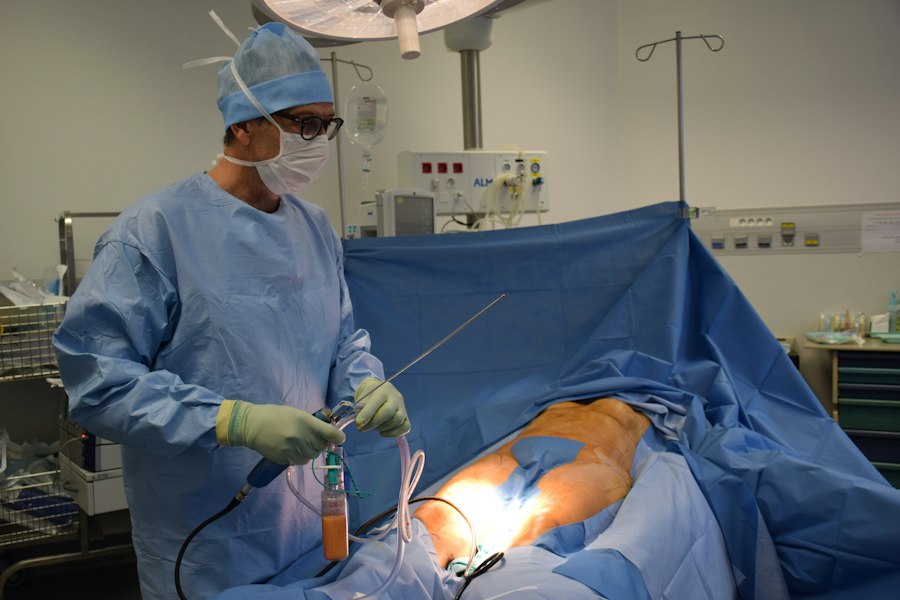
The medications used to induce and maintain general anesthesia are diverse, each with its own properties and routes of administration. The anesthesiologist’s skill lies in selecting the right combination for you, considering your individual health and the nature of the surgery.
Inhaled Anesthetics: Breathing Your Way to Oblivion
These volatile liquids or gases are delivered through a mask or breathing tube, directly entering your lungs and then your bloodstream to reach your brain. They are potent and allow for rapid induction and emergence from anesthesia.
- Sevoflurane and Desflurane: These are modern, commonly used inhaled anesthetics. You might have inhaled a subtle, sweet-smelling gas during your induction. They are known for their relatively quick recovery times.
- Nitrous Oxide: Still used today, often in combination with other anesthetics, nitrous oxide provides good analgesia and mild sedation but typically isn’t used alone for major surgeries.
Intravenous Anesthetics: The Direct Route to Sleep
Administered directly into a vein, these agents act quickly to induce unconsciousness and can be used for both induction and maintenance of anesthesia.
- Propofol: This milky-white liquid is a workhorse of intravenous anesthesia. It’s known for its rapid onset and smooth induction, making it a favorite for many procedures. You might remember a slight sting or coolness as it was injected.
- Thiopental (Barbiturates): Historically significant, thiopental was a mainstay for induction for many years due to its rapid and potent effect. Its use has decreased somewhat with the advent of propofol, but it remains an option.
- Ketamine: While often associated with dissociative anesthesia (a feeling of detachment), ketamine can also be used for general anesthesia, particularly in emergency settings or for specific types of surgery, as it can maintain airway reflexes.
The Art of Administration: Balancing Act
The anesthesiologist doesn’t just administer a drug and walk away. They are constantly monitoring your vital signs – heart rate, blood pressure, oxygen saturation, carbon dioxide levels – and adjusting the anesthetic agents to keep you in the optimal state. It’s a delicate balancing act, ensuring you’re unconscious and pain-free without suppressing your breathing or circulation too much. You are in their constant, vigilant care.
The Unanswered Questions: Mysteries of the Sleeping Brain
Despite decades of research, the precise mechanisms by which general anesthetics induce and maintain unconsciousness remain a subject of intense scientific investigation. There are still profound mysteries surrounding this complex process.
The Nature of Consciousness: A Persistent Puzzle
Perhaps the biggest enigma is how anesthesia interacts with consciousness itself. While we understand that anesthetics disrupt neural pathways, the fundamental question of what consciousness is and how it arises from brain activity remains one of science’s greatest unsolved problems.
- The “Hard Problem” of Consciousness: Philosophers and scientists alike grapple with the “hard problem” – explaining subjective experience, the feeling of being conscious. Anesthetics provide a unique window into this, as they can reversibly abolish this subjective experience. How does the anesthetic agent flip that switch?
- Emergent Properties of the Brain: Consciousness is often viewed as an emergent property of complex neural networks. Anesthetics may be acting on these networks in ways that disrupt the conditions necessary for consciousness to emerge.
The Lingering Effects: Beyond the Operating Room
While most people recover from general anesthesia without lasting issues, there are still questions about subtle, long-term cognitive effects, particularly in vulnerable populations.
- Postoperative Cognitive Dysfunction (POCD): Some patients, especially the elderly, may experience temporary confusion, memory problems, or difficulty concentrating after surgery. The exact cause and prevalence of POCD are still debated, with research exploring the roles of anesthesia, the surgery itself, and underlying health conditions.
- Pediatric Anesthesia Concerns: There’s ongoing research into the potential long-term effects of anesthesia exposure on the developing brains of infants and young children. While current evidence doesn’t show widespread harm, it’s a critical area of investigation to ensure the safest possible practice.
The Individual Response: Why the Variation?
You might have a friend who wakes up feeling refreshed after anesthesia, while another feels groggy for days. This individual variability in response is another area of ongoing study.
- Genetics and Metabolism: Your unique genetic makeup and how your body metabolizes anesthetic drugs play a significant role. Variations in certain genes can affect how your body responds to these medications.
- Underlying Health Conditions: Pre-existing medical conditions, such as liver or kidney disease, can influence how anesthetics are processed and eliminated from your body, leading to different recovery times.
The medical mystery surrounding general anesthesia has puzzled researchers for decades, raising questions about how it alters consciousness and perception. A fascinating article that delves deeper into this enigma can be found on Freaky Science, where various theories and recent studies are explored. Understanding the complexities of anesthesia not only sheds light on its mechanisms but also enhances patient safety during surgical procedures. For more insights, you can read the article here.
Ensuring Your Safety: The Anesthesiologist’s Role
| Metrics | Data |
|---|---|
| Number of patients affected by anesthesia awareness | 1-2 per 1,000 patients |
| Incidence of postoperative delirium | 10-60% in elderly patients |
| Duration of postoperative cognitive dysfunction | Variable, can last for days to weeks |
| Incidence of nausea and vomiting after anesthesia | 20-30% |
When you are placed under general anesthesia, you are in the hands of a highly trained medical professional dedicated to your well-being throughout the entire process. Your safety is their paramount concern.
The Pre-Anesthesia Assessment: A Thorough Evaluation
Before you even enter the operating room, the anesthesiologist will meet with you to discuss your medical history, current medications, allergies, and any previous experiences with anesthesia. This thorough assessment is crucial for tailoring the anesthetic plan to your specific needs.
- Identifying Risks: They will identify any potential risks associated with your health and the planned procedure, such as heart conditions, lung problems, or difficult airways.
- Choosing the Right Plan: Based on this information, they will devise a personalized anesthetic plan, selecting the most appropriate agents and techniques to ensure your safety and comfort.
Monitoring and Management: Constant Vigilance
During the procedure, the anesthesiologist is not just administering drugs; they are actively managing your physiological state.
- Continuous Monitoring: You will be connected to a sophisticated array of monitors that track your heart rate and rhythm, blood pressure, oxygen levels in your blood, breathing patterns, and temperature.
- Adjusting as Needed: The anesthesiologist constantly interprets this data and makes real-time adjustments to the anesthetic medications to maintain the desired depth of anesthesia, ensure adequate oxygenation, and manage any unexpected physiological changes.
The Recovery Process: Waking Up Safely
Your journey doesn’t end when the surgeon finishes. The anesthesiologist continues to oversee your recovery.
- Emergence from Anesthesia: As the anesthetic agents are reduced or discontinued, they will monitor your waking process, ensuring you regain consciousness smoothly and safely.
- Post-Anesthesia Care Unit (PACU): You will be transferred to the PACU, where a specialized nursing team, under the guidance of the anesthesiologist, will continue to monitor your vital signs and manage any post-operative discomfort or nausea.
You have entrusted yourself to a remarkable field of medicine, one that has evolved from crude attempts at pain relief to a sophisticated science. The enigma of general anesthesia, while still holding some mysteries, is a testament to human ingenuity and the relentless pursuit of alleviating suffering. As you experience it, know that you are part of a long and ongoing journey of discovery, a journey that aims to make every procedure as safe and comfortable as possible. The invisible passage into unconsciousness is a profound testament to what modern medicine can achieve, allowing you to emerge, refreshed and healed, from a journey you will never remember.

You’re Not Asleep Under Anesthesia. So Where Do You Go?
FAQs
What is general anesthesia?
General anesthesia is a medical state induced for the purpose of performing medical procedures that would otherwise be intolerably painful for the patient. It involves the use of a combination of medications to achieve unconsciousness, loss of sensation, and muscle relaxation.
How does general anesthesia work?
General anesthesia works by interrupting the transmission of nerve signals in the brain and body. It affects the central nervous system, causing a reversible loss of consciousness and sensation. The medications used in general anesthesia can be administered through inhalation or intravenously.
What are the risks and side effects of general anesthesia?
While general anesthesia is generally safe, there are potential risks and side effects associated with its use. These can include nausea and vomiting, sore throat, confusion or memory loss, and allergic reactions. In rare cases, more serious complications such as heart attack, stroke, or death can occur.
What are the factors that can affect a person’s response to general anesthesia?
Several factors can influence how a person responds to general anesthesia, including age, overall health, and the type of procedure being performed. Other factors such as genetics, medications, and lifestyle choices can also play a role in how an individual reacts to anesthesia.
What are some ongoing medical mysteries related to general anesthesia?
There are still many unanswered questions and ongoing research related to general anesthesia, including its long-term effects on the brain, the mechanisms of action of different anesthetic agents, and the development of personalized anesthesia regimens based on individual patient characteristics. Additionally, the phenomenon of anesthesia awareness, where patients are partially conscious during surgery despite being under general anesthesia, remains a medical mystery.