
You’re scheduled for surgery. The word alone can spark a flutter of anxiety, and the prospect of general anesthesia – that mysterious state of unconsciousness – often amplifies it. You’ve heard the basics: they’ll give you something, you’ll sleep, and wake up without remembering a thing. But beneath this familiar surface lies a world of fascinating, and sometimes downright unusual, truths about general anesthesia that you might not expect. It’s a powerful tool, a carefully orchestrated dance between your body and potent chemicals, designed to facilitate complex medical procedures while keeping you safe and comfortable. Prepare to have your understanding of this medical marvel expanded.
You likely envision general anesthesia as a complete shut-off, a blank slate where consciousness ceases to exist. While it’s designed to achieve this, the reality is more nuanced and intriguing. Your brain isn’t simply switched off; it’s actively manipulated, with different anesthetic agents targeting specific pathways to induce this state.
Different Drugs, Different Effects
General anesthesia isn’t a single entity; it’s a combination of drugs administered in varying doses and cocktails. These can include intravenous agents, inhaled gases, or a blend of both, each contributing to different aspects of the anesthetic state.
Intravenous Inducers: The Rapid Descent
When you’re brought into the operating room, the anesthesiologist will likely start an IV. The first anesthetic you receive is often an intravenous induction agent. Drugs like propofol, etomidate, or ketamine are common choices. Propofol, for instance, is renowned for its rapid onset and smooth induction, often described as feeling like falling asleep. It works by enhancing the activity of GABA, an inhibitory neurotransmitter in your brain. This surge of inhibition essentially quiets down your neural activity, leading to unconsciousness. Etomidate is often chosen for patients with unstable cardiovascular systems, as it has a less dramatic impact on blood pressure. Ketamine, while also used for induction, has a unique mechanism. It blocks NMDA receptors, which are involved in excitatory neurotransmission, and can also produce dissociative anesthesia, where you might feel detached from your body.
Inhalational Agents: Maintaining the Deep Sleep
Once you’re unconscious, inhaled anesthetics are often used to maintain the anesthetic state throughout the surgery. These are gases or volatile liquids that are breathed in through a mask or a breathing tube. Sevoflurane, desflurane, and isoflurane are among the most common. These agents also work by affecting various neurotransmitter systems, but their precise mechanisms are still being researched. They can disrupt the communication between neurons, leading to a reversible loss of consciousness, amnesia, analgesia (pain relief), and muscle relaxation – the hallmarks of general anesthesia. The concentration of these gases is carefully monitored and adjusted by the anesthesiologist to keep you at the desired depth of anesthesia, ensuring you remain pain-free and unaware of the surgical proceedings.
The Paradoxical State of “Awareness”
While the goal is complete unconsciousness, there’s a phenomenon known as “anesthetic awareness” that can occur. This is a rare but unsettling experience where a patient becomes partially or fully conscious during surgery but is unable to move or communicate.
What is Anesthetic Awareness?
Anesthetic awareness is not the same as waking up too early. It’s a situation where the anesthetic drugs have not fully suppressed your consciousness, yet your motor pathways are still blocked, preventing you from signaling distress. This can lead to the patient experiencing the sights, sounds, and sensations of the surgery, along with intense fear and helplessness. Fortunately, it’s an exceedingly rare complication, occurring in approximately 1 in every 15,000 to 1 in every 30,000 surgeries.
Factors Contributing to Awareness
Several factors can increase the risk of anesthetic awareness. These include:
- Urgent or Emergency Surgery: When surgeries need to be performed quickly, there may be less time for the anesthesiologist to establish optimal anesthetic depth.
- Certain Medications: Some medications, particularly neuromuscular blockers used to relax muscles for surgery, can mask the signs of awareness.
- Pre-existing Medical Conditions: Patients with certain neurological conditions or those undergoing long surgeries may have a higher risk.
- Anesthesia Machine Malfunctions: While rare, equipment issues can also contribute.
The medical team takes significant measures to prevent awareness, including continuous monitoring of brain activity (using electroencephalography or EEG), careful titration of anesthetic agents, and open communication. If you have concerns about anesthetic awareness, it’s crucial to discuss them with your anesthesiologist before your procedure.
If you’re intrigued by the peculiarities of general anesthesia, you might find the article on strange facts about general anesthesia particularly enlightening. It delves into the fascinating history and unexpected effects of this medical practice, shedding light on aspects that many people may not be aware of. To explore more about these intriguing details, you can read the full article here: strange facts about general anesthesia.
Your Brain on Anesthesia: A Temporary Rewiring
General anesthesia doesn’t just make you sleep; it profoundly alters your brain’s activity. It’s a carefully controlled shutdown of consciousness and sensory perception, achieved through complex neurochemical interactions.
The Disruption of Neural Networks
Your brain is a vast network of interconnected neurons, constantly communicating through electrical and chemical signals. Anesthetic agents work by disrupting these communication pathways in various ways.
GABAergic Potentiation: The Calming Influence
As mentioned earlier, many anesthetics, particularly propofol, enhance the action of GABA, the brain’s primary inhibitory neurotransmitter. Think of GABA as the brake pedal for your neurons. By boosting its effect, anesthetics slow down neuronal firing, reducing overall brain activity and leading to sedation and unconsciousness. This widespread inhibition effectively quiets the brain’s processing of sensory information.
Glutamatergic Inhibition: Blocking the Excitatory Signals
On the flip side, anesthetics also interfere with excitatory neurotransmitters like glutamate. Glutamate is like the accelerator pedal for your neurons, promoting activity. Anesthetics can block the receptors that glutamate binds to, preventing it from exciting neurons. This dual action – enhancing inhibition and blocking excitation – creates a profound state of neural silence.
Disruption of Consciousness Circuits
Specific brain regions and circuits are crucial for maintaining consciousness. Anesthetics target these areas, including the thalamus, which acts as a relay station for sensory information, and the cortex, responsible for higher-level cognitive functions. By dampening activity in these areas, anesthetics prevent the integration of sensory input into conscious awareness. Your brain essentially stops receiving, processing, and reporting information in a way that would lead to conscious experience.
The Role of Memory and Amnesia
One of the remarkable effects of general anesthesia is amnesia – the inability to recall events that occurred during the procedure. This is not just a side effect; it’s a crucial component of the anesthetic experience, ensuring you don’t have traumatic memories of the surgery.
Hippocampus and Memory Formation
The hippocampus, a region of your brain vital for forming new memories, is heavily influenced by anesthetic agents. Anesthetics disrupt the processes required for encoding new information in the hippocampus, effectively preventing the formation of explicit memories of the surgical period.
Anterograde Amnesia: Forgetting What Happens Next
General anesthesia typically induces anterograde amnesia, meaning you will have no memory of events that occur after the anesthetic is administered. This is why you won’t remember falling asleep, the surgery itself, or waking up in the recovery room. The brain’s ability to create new memories is temporarily impaired.
Retrograde Amnesia: A Shorter-Term Effect
While less pronounced, some degree of retrograde amnesia (forgetting events that occurred before the anesthetic) can also occur, particularly for the period immediately preceding induction. However, long-term memories are generally preserved.
The Hidden Wonders of Post-Anesthesia Recovery
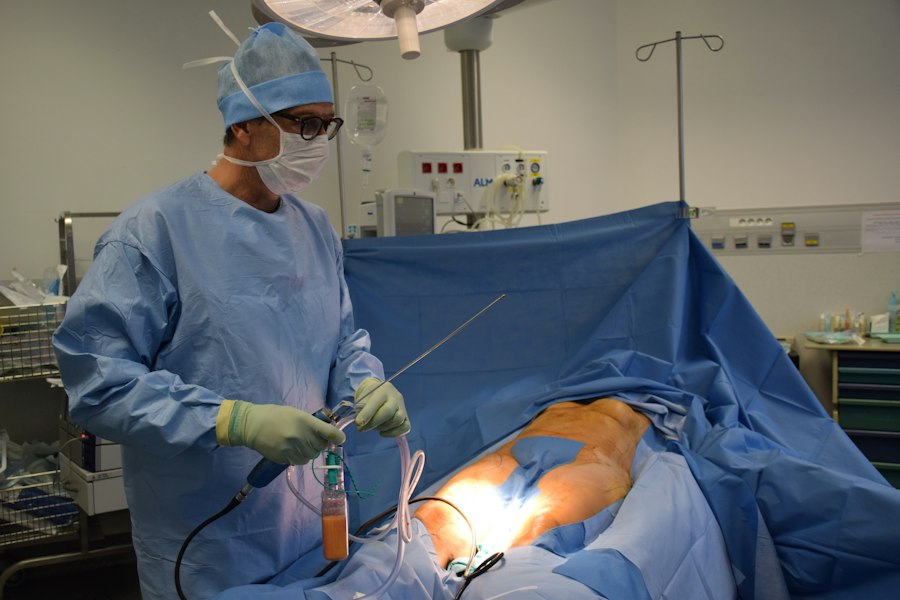
Waking up from general anesthesia is not a sudden jolt into full awareness. It’s a gradual process, and your body and mind are still navigating the lingering effects of the anesthetic agents. This recovery period is crucial, and there are many subtle yet significant changes you might experience.
The Lingering “Fuzziness” and Cognitive Changes
You might feel groggy, disoriented, and a bit “out of it” after waking up. This isn’t just a matter of needing more sleep; it’s a consequence of your brain slowly re-establishing its normal communication patterns.
Slowed Processing Speed
Your ability to think quickly and process information can be temporarily impaired. This means you might find it harder to concentrate, solve problems, or make decisions. This “fuzziness” can last for several hours or even a day or two, depending on the type and duration of the anesthetic used, as well as individual factors.
Emotional Lability and Mood Swings
It’s not uncommon to experience heightened emotions after anesthesia. You might feel unusually cheerful, tearful, irritable, or even a bit anxious. These mood swings are generally temporary and are thought to be related to the brain’s reawakening and the stress of the surgery itself. The anesthetics can also temporarily affect neurotransmitter systems that regulate mood.
Hallucinations and Vivid Dreams
While less common, some individuals report experiencing vivid dreams or even mild hallucinations shortly after waking from general anesthesia. These can range from seeing colors to hearing sounds that aren’t there, or having particularly intense and surreal dreams. These are usually transient and resolve as the anesthetic wears off completely.
The Importance of Rehydration and Nutrition
Your body has undergone a significant physiological challenge with surgery and anesthesia. Replenishing fluids and nutrients is essential for a smooth and efficient recovery.
Intravenous Fluids: More Than Just Hydration
You’ll likely continue to receive intravenous fluids after surgery. These are not just for hydration; they help to maintain your electrolyte balance, which can be disrupted by the anesthetic agents and the surgical stress. They also help your body flush out any residual anesthetic medications.
Gradually Reintroducing Food and Drink
Your digestive system might be a bit sluggish after anesthesia. You’ll typically start with clear liquids, and as you tolerate them, you’ll gradually progress to more solid foods. It’s important to listen to your body and not force yourself to eat if you don’t feel ready. Small, frequent meals are often better than large ones.
The Art and Science of Anesthesia Monitoring
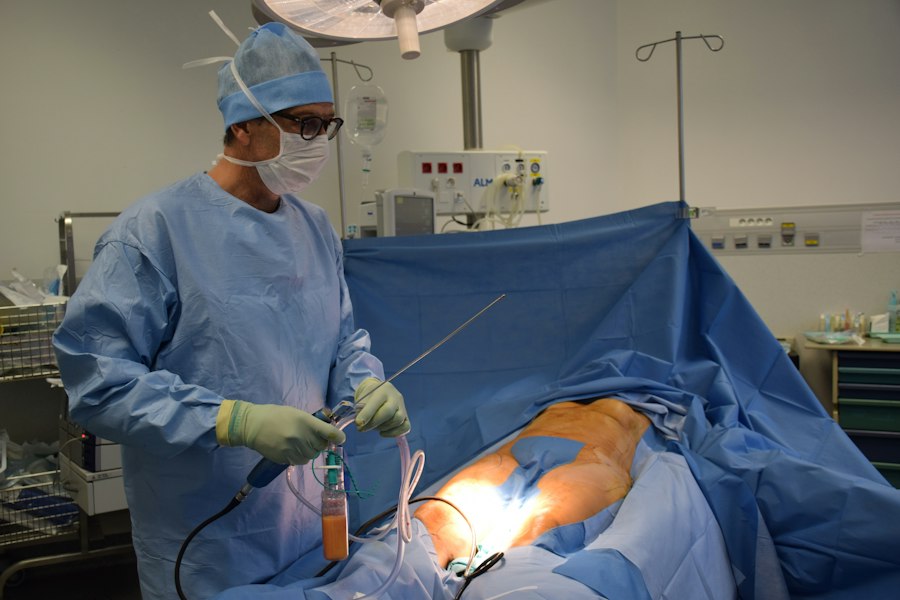
Ensuring your safety during general anesthesia is a complex endeavor that relies on sophisticated monitoring techniques. The anesthesiologist is not just administering drugs; they are constantly observing and interpreting a vast array of physiological data to ensure you remain stable and protected.
Beyond the Heartbeat: Advanced Physiological Measurement
While your heart rate and blood pressure are crucial, modern anesthesia monitoring goes far beyond these basic vital signs. The goal is to have a comprehensive understanding of your body’s response to the anesthetic.
Capnography: Breathing Out the Truth
Capnography is a vital tool that measures the concentration of carbon dioxide in your exhaled breath. This gives the anesthesiologist real-time information about your ventilation (how well you are breathing) and your circulation (how well your blood is flowing). Significant changes in capnography readings can indicate a problem with breathing or blood flow, allowing for prompt intervention.
Bispectral Index (BIS) Monitoring: Gauging Brain Activity
BIS monitoring uses electrodes placed on your scalp to measure the electrical activity of your brain. It provides a numerical score that correlates with the depth of anesthesia. A lower BIS score generally indicates a deeper level of unconsciousness. This helps the anesthesiologist to titrate anesthetic agents precisely, avoiding both awareness and excessive anesthetic use.
Neuromuscular Monitoring: Ensuring Muscle Relaxation
If neuromuscular blocking agents are used to relax your muscles for surgery, neuromuscular monitoring devices are employed. These typically involve stimulating a nerve and measuring the muscle response. This allows the anesthesiologist to ensure that the muscles are adequately relaxed for the surgery but also to track when their effect is wearing off, allowing for the timely reversal of paralysis.
The Anesthesiologist’s Role: More Than Just a “Gas Passer”
It’s a common misconception that the anesthesiologist simply “pushes the button” for the anesthetic gas. In reality, they are highly trained medical professionals responsible for a much broader scope of care.
Pre-Anesthetic Assessment: Understanding Your Unique Risks
Before your surgery, the anesthesiologist will conduct a thorough pre-anesthetic assessment. This involves reviewing your medical history, current medications, allergies, and any previous experiences with anesthesia. They will also perform a physical examination, paying close attention to your airway and cardiovascular system. This assessment is crucial for identifying any potential risks and developing a personalized anesthetic plan tailored to your specific needs.
Intraoperative Management: A Constant Vigilance
During surgery, the anesthesiologist is constantly monitoring your physiological status, adjusting anesthetic agents, managing your pain, and ensuring your airway is protected. They are also responsible for managing any unexpected complications that may arise, such as changes in blood pressure, heart rhythm, or breathing. They work closely with the surgical team to ensure a safe and successful procedure.
Postoperative Care: Guiding Your Recovery
The anesthesiologist’s responsibility doesn’t end when the surgery is over. They oversee your recovery in the postanesthesia care unit (PACU), monitoring your vital signs, managing any pain or nausea, and ensuring you are stable before you are discharged from their care. They are also instrumental in answering any questions you may have about your anesthetic experience.
If you’re intrigued by the peculiarities surrounding general anesthesia, you might find it fascinating to explore more about the science behind it in a related article. This piece delves into the unexpected effects and historical anecdotes that have shaped our understanding of anesthesia. To learn more about these strange facts, check out this informative article on Freaky Science, where you can uncover even more astonishing insights into the world of medicine.
Myths and Misconceptions Debunked
| Fact | Description |
|---|---|
| 1 | General anesthesia was first used in the 1840s |
| 2 | It is still not fully understood how general anesthesia works |
| 3 | Some patients may experience postoperative delirium after receiving general anesthesia |
| 4 | General anesthesia can cause temporary memory loss |
| 5 | There are different types of general anesthesia, including inhaled and intravenous |
The mysterious nature of general anesthesia has given rise to numerous myths and misconceptions over the years. Understanding the reality behind these popular beliefs can help alleviate unnecessary anxiety.
Myth: You’ll Wake Up During Surgery and Know It
As discussed earlier, anesthetic awareness is exceedingly rare. The sophisticated monitoring techniques and the skill of the anesthesiologist are designed to prevent this from happening. The feeling of waking up suddenly and being aware is more often a sensation experienced during the transition between deep sleep and full consciousness upon waking from a normal night’s sleep, rather than a true anesthetic awareness event.
Myth: General Anesthesia is Addictive
Anesthetic drugs are potent medications, but they are not inherently addictive in the way that recreational drugs are. They are designed for short-term use during medical procedures and are administered under strict medical supervision. Your body does not develop a craving for them in the same way it would for substances that trigger reward pathways in the brain.
Myth: You’ll Remember Everything After Anesthesia
General anesthesia is designed to induce amnesia for the period of the surgery. While you might remember conversations with the anesthesiologist before falling asleep, or the feeling of waking up in the recovery room, you will not recall the surgical procedure itself. Any fragmented or distorted memories that may arise are usually a result of the brain reorienting itself after the anesthetic.
Myth: Anesthesia is Dangerous and Will Damage Your Brain
While all medical procedures carry some risk, general anesthesia is considered remarkably safe, especially with modern advancements in drugs and monitoring. Serious complications are rare. The anesthesiologist’s primary goal is your safety, and they meticulously assess your risks and tailor the anesthetic plan accordingly. The temporary cognitive effects you might experience are just that – temporary. Long-term brain damage from general anesthesia is exceedingly uncommon and typically associated with severe underlying medical conditions or prolonged periods of oxygen deprivation during the procedure, which are actively prevented.
Myth: Local or Regional Anesthesia is Always Better
While local and regional anesthetics have their advantages, general anesthesia is sometimes necessary for complex or lengthy surgeries, for patients who cannot tolerate other forms of anesthesia, or for children who may not be able to remain still during a procedure. The choice of anesthesia depends entirely on the specific surgical procedure, your individual health status, and the judgment of the medical team.
You now have a deeper understanding of the complex and fascinating world of general anesthesia. It’s a testament to the advancements in medicine that allow us to undergo significant surgical procedures with a reversible loss of consciousness, ensuring safety and comfort. The next time you hear about general anesthesia, you’ll know it’s far more than just a simple sleep; it’s a sophisticated medical intervention orchestrated with precision and care.

You’re Not Asleep Under Anesthesia. So Where Do You Go?
FAQs
What is general anesthesia?
General anesthesia is a medical state induced for surgery or other medical procedures. It involves the use of medications to render the patient unconscious and unable to feel pain.
How does general anesthesia work?
General anesthesia works by interrupting the transmission of nerve signals in the brain, leading to a loss of consciousness and sensation. It also relaxes the muscles and prevents the patient from moving during the procedure.
What are some strange facts about general anesthesia?
Some strange facts about general anesthesia include the phenomenon of “anesthesia awareness,” where patients can recall events or sensations during surgery despite being under anesthesia. Additionally, some patients may experience post-operative delirium or confusion as a side effect of anesthesia.
What are the risks of general anesthesia?
While general anesthesia is generally safe, there are some risks associated with it, including allergic reactions, breathing problems, and adverse reactions to the medications used. Patients with certain medical conditions may also be at higher risk for complications.
How long does it take to recover from general anesthesia?
The recovery time from general anesthesia varies depending on the individual and the type of procedure. Most patients will feel groggy and disoriented immediately after waking up, but full recovery typically takes a few hours to a few days. It’s important to follow post-operative care instructions provided by the medical team.